Congestive Heart Failure in a Pomeranian
It’s truly heartbreaking to watch your vibrant, bouncy Pomeranian slow down, cough more, or struggle with everyday activities, especially when you suspect their little heart might be the cause. Congestive Heart Failure (CHF) is a scary diagnosis that many small breed owners face, bringing with it a whirlwind of questions and a deep desire to understand how to best support your beloved companion. This guide will meticulously break down what CHF means for your Pomeranian, how to spot the subtle and not-so-subtle signs, and the comprehensive ways you can manage this condition to ensure your furry family member lives their happiest, most comfortable life possible.
Understanding Congestive Heart Failure in Pomeranians
When we talk about Congestive Heart Failure, it's not a specific disease in itself, but rather a syndrome – a collection of signs and symptoms that occur when the heart can no longer effectively pump blood to meet the body's demands. Imagine your Pomeranian's tiny heart as a finely tuned pump, constantly working to circulate oxygen and nutrients throughout their system. In CHF, this pump starts to falter, leading to a backup of fluid, primarily in the lungs or abdomen, and a reduced ability for organs to receive the blood they need. It's a progressive condition, meaning it generally worsens over time, but understanding its mechanisms is the first step in managing it effectively.
The Heart's Vital Role and How it Falters
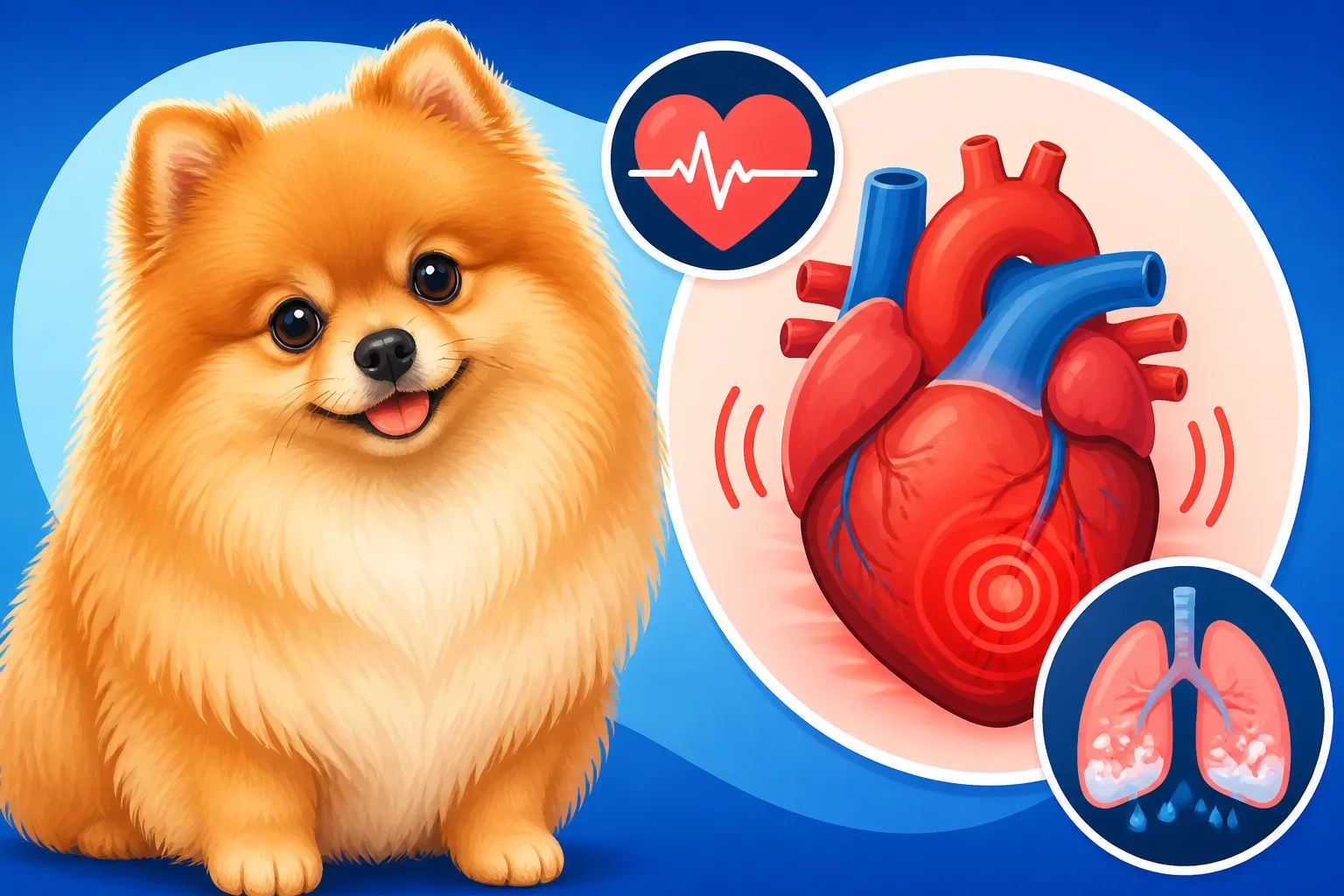
Your Pomeranian's heart is a four-chambered marvel, working tirelessly to keep them going. The left side pumps oxygenated blood to the body, and the right side pumps deoxygenated blood to the lungs. When one or both sides of this system begin to fail, fluid starts to accumulate. If the left side isn't pumping efficiently, fluid can back up into the lungs, causing pulmonary edema, which is essentially water in the lungs. This makes breathing incredibly difficult and can lead to that characteristic cough many owners notice. If the right side is failing, fluid can build up in the abdomen, causing it to swell (ascites), or in the limbs. This fluid retention is where the "congestive" part of CHF comes from, and it's a critical component of why this condition is so impactful on a dog's quality of life.
Common Causes of CHF in Pomeranians
While any dog can develop CHF, certain breeds, including Pomeranians, are predisposed to specific heart conditions that can lead to it. The most common culprit by far is Myxomatous Mitral Valve Disease (MMVD), sometimes referred to as Endocardiosis or chronic degenerative valvular disease. This is where the mitral valve, which separates the left atrium and left ventricle, starts to thicken and degenerate. When this happens, the valve doesn't close properly, allowing blood to leak backward into the left atrium with each heartbeat. This "leaky valve" creates a heart murmur, and as the leakage worsens, the heart has to work harder to pump the same amount of blood, eventually leading to enlargement and failure. This is often the leaking valve in an older Pomeranian's heart that veterinarians discuss.
Another condition sometimes seen in Pomeranian puppies that can lead to CHF if left untreated is Patent Ductus Arteriosus (PDA). This is a congenital defect where a blood vessel that's essential for fetal circulation fails to close shortly after birth. When it remains open, it creates an abnormal connection between the aorta and pulmonary artery, shunting blood in the wrong direction and forcing the heart to work overtime. While PDA is less common as a cause of adult-onset CHF compared to MMVD, it's a significant concern if a heart defect found in Pomeranian puppies isn't addressed early. Other less common causes can include dilated cardiomyopathy, though this is seen more often in larger breeds, and sometimes arrhythmogenic right ventricular cardiomyopathy. Regardless of the underlying cause, the endpoint of these conditions can often be CHF.
Recognizing the Signs and Symptoms of Congestive Heart Failure
One of the hardest parts about CHF in Pomeranians is that the initial signs can be subtle and easily mistaken for normal aging or other minor ailments. Because Poms are so small and often cherished members of the family, we might unconsciously attribute a bit less energy to their getting older. However, paying close attention to these early indicators can make a world of difference in early diagnosis and management, significantly impacting their prognosis. It's truly a frustration when you feel like you might be missing something, but knowing what to look for empowers you to act.
Coughing and Breathing Difficulties
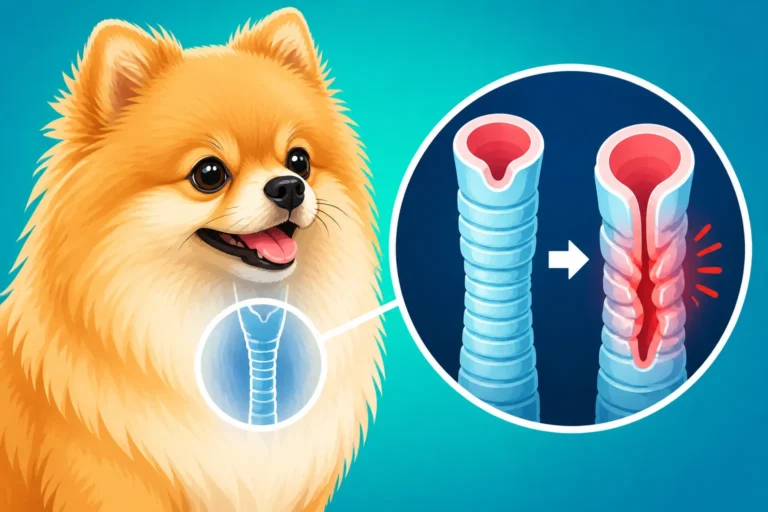
The cough associated with CHF is perhaps the most classic symptom, and it’s something every Pomeranian owner should be acutely aware of. This isn't just a casual "ahem" or a single bark. It's often a soft, persistent, moist, hacking cough, particularly noticeable when your Pomeranian is resting, sleeping, or first waking up. It can also be exacerbated by excitement or exercise. This cough happens because the fluid building up in the lungs (pulmonary edema) irritates the airways. It can be incredibly alarming and sound quite serious. Sometimes, owners might initially wonder whether a Pomeranian's cough is heart or trachea, as tracheal collapse also causes a distinctive cough in this breed. While both can occur, a moist, persistent cough that seems to come from deep within, especially if accompanied by other signs, should immediately raise a red flag for CHF.
As the condition progresses, you might notice more pronounced breathing difficulties. Your Pom might breathe faster even at rest, a condition known as tachypnea. You can often count their breaths per minute – a normal resting respiratory rate is usually between 15-30 breaths per minute. If you consistently see rates above 35-40, especially when they are calm and sleeping, it's a strong indicator of respiratory distress. You might also observe increased effort in their breathing, where their flanks move more noticeably, or they might stretch their neck out to try and get more air. In severe cases, their gums might even appear bluish (cyanosis) due to lack of oxygen, which is an emergency situation.
Lethargy and Exercise Intolerance
A happy, healthy Pomeranian is a bundle of joyful energy, eager for walks and playtime. One of the first, yet often overlooked, signs of CHF is a decrease in their usual energy levels. Your Pom might seem less interested in their favorite games, less enthusiastic about walks, or tire out much more quickly than before. They might start lagging behind on walks that they once trotted through with ease, or become winded after just a few minutes of play. This isn't just "getting old" – it's a sign that their heart isn't efficiently delivering oxygen-rich blood to their muscles and organs.
It’s easy to dismiss this as simply your dog "slowing down" as they age, especially if they are over the year a Pomeranian starts needing more care. However, true lethargy and a marked decrease in exercise tolerance are signs that something more serious is at play. They might sleep more, seek out quiet places to rest, or simply not have the stamina for activities they once loved. If your Pomeranian, who once chased squirrels with gusto, now watches them from the window with a sigh, it's time to consider a vet visit.
Weight Changes and Abdominal Swelling
While less common in the early stages of left-sided heart failure (which often leads to pulmonary edema), fluid retention can become a significant symptom, particularly with right-sided heart failure. If the right side of the heart struggles to pump blood, fluid can back up into the body, accumulating in the abdomen. This can lead to a noticeable swelling or distension of the belly, known as ascites. You might feel that your Pomeranian's abdomen is firmer or "bloated," even if they haven't eaten much. This isn't just cosmetic; it can be quite uncomfortable and make breathing even harder as the fluid presses on the diaphragm.
Another related sign can be what's called cardiac cachexia, which is a severe muscle wasting that can occur in advanced heart disease, even while the abdomen might be swollen with fluid. Despite fluid retention, the dog might actually be losing overall body condition and muscle mass because their body isn't getting adequate nutrients and is working harder to compensate for the failing heart. So, if your Pomeranian's ribs are becoming more prominent while their belly is getting bigger, it's a serious red flag.
Here's a quick reference table for common CHF symptoms in Pomeranians:
| Symptom Category | Specific Observations in Pomeranians | Severity | What it suggests |
|---|---|---|---|
| Coughing | Soft, moist, persistent, hacking cough; worse at rest/sleep; sometimes mistaken for tracheal collapse | Mild to Severe | Fluid in lungs (pulmonary edema) |
| Breathing Issues | Increased resting respiratory rate (>35-40 breaths/min); increased effort; stretching neck; bluish gums (emergency) | Moderate to Severe | Pulmonary edema, oxygen deprivation |
| Lethargy | Reduced interest in play/walks; tires easily; prolonged sleeping; unwillingness to move | Mild to Moderate | Reduced oxygen to muscles/organs |
| Exercise Intolerance | Lags behind on walks; gets winded quickly after mild activity; avoids stairs or jumping | Mild to Moderate | Heart struggling to meet oxygen demands |
| Weight Changes | Abdominal swelling (ascites); overall muscle wasting (cardiac cachexia) despite fluid retention; unexplained weight loss | Moderate to Severe | Fluid buildup in body; advanced disease; poor nutrient absorption |
| Fainting/Collapse | Sudden loss of consciousness, often after excitement or exertion; recovers quickly | Severe | Critical lack of blood flow to the brain |
| Restlessness at Night | Pacing, inability to get comfortable, difficulty finding a position to breathe easily, especially in older dogs like an old Pomeranian that wanders at night | Moderate to Severe | Discomfort, respiratory distress |
Diagnosing Congestive Heart Failure in Your Pomeranian
If you've noticed any of the concerning symptoms we've discussed, the absolute best thing you can do for your Pomeranian is to schedule a visit with your veterinarian right away. Don't wait until the symptoms become severe or your dog is in distress. Early diagnosis and intervention can dramatically improve your Pomeranian's quality of life and potentially extend it. The diagnostic process is often comprehensive, involving a combination of physical examination, imaging, and specialized tests.
The Initial Vet Examination
During your initial vet visit, your veterinarian will conduct a thorough physical examination. They'll listen carefully to your Pomeranian's heart and lungs using a stethoscope. This is where they'll detect a heart murmur – the sound of turbulent blood flow through a damaged valve. The intensity and location of the murmur can give clues about which valve is affected. They'll also listen for any crackles or abnormal sounds in the lungs, which could indicate fluid buildup. Your vet will also check your Pomeranian's pulse quality, mucous membrane color, and capillary refill time to assess circulation. They'll also palpate your dog's abdomen to check for fluid accumulation.
Be prepared to discuss your Pomeranian's history in detail: when you first noticed symptoms, how often they occur, what makes them better or worse, changes in appetite, activity level, and any recent weight fluctuations. This information is invaluable for your vet to piece together the full clinical picture. Don't forget to mention if you've noticed your Pom having a snorting fit that frightens Pomeranian owners, as this can sometimes be related to respiratory issues that overlap with heart conditions.
Diagnostic Imaging and Tests
To confirm a diagnosis of CHF and determine its severity, your vet will likely recommend a series of diagnostic tests:
- Chest X-rays (Radiographs): This is one of the most crucial tools for diagnosing CHF. X-rays allow the vet to visualize the size and shape of the heart, look for enlargement (cardiomegaly), and most importantly, check for fluid accumulation in the lungs (pulmonary edema) or around the lungs (pleural effusion). They can also assess the trachea and airways, which is important given that Pomeranians are prone to the honking cough of a Pomeranian's collapsing windpipe. X-rays help differentiate between primary respiratory issues and heart-related ones.
- Echocardiogram (Cardiac Ultrasound): This is the gold standard for evaluating heart structure and function. An echocardiogram uses sound waves to create real-time images of your Pomeranian's heart, allowing the vet to see the heart chambers, valves, and major blood vessels in action. They can measure chamber sizes, assess valve integrity, calculate ejection fraction (how well the heart is pumping), and identify any congenital defects like PDA. This test provides a definitive diagnosis of the underlying heart disease.
- Electrocardiogram (ECG/EKG): An ECG measures the electrical activity of the heart. While it doesn't show the heart's structure, it's essential for detecting arrhythmias (abnormal heart rhythms) that can occur secondary to heart disease or contribute to heart failure.
- Blood Tests: While not directly diagnostic for CHF, blood tests (like a complete blood count and biochemistry panel) provide crucial information about organ function, especially kidney function, which can be affected by CHF and its medications. They also help rule out other conditions. Additionally, some vets may use a blood test called an NT-proBNP, which is a biomarker that can indicate stretching of the heart muscle, suggesting heart disease.
- Blood Pressure Measurement: Monitoring blood pressure is important, as high blood pressure can worsen heart disease, and some heart medications can affect blood pressure.
Grading the Severity of Heart Disease
Your veterinarian will use the diagnostic information to stage your Pomeranian's heart disease. The most commonly used system is the ACVIM (American College of Veterinary Internal Medicine) staging system, which categorizes heart disease into stages:
- Stage A: Dogs at high risk for heart disease (e.g., Pomeranians predisposed to MMVD) but with no current structural changes or symptoms.
- Stage B1: Dogs with a heart murmur and structural heart changes (like a leaky valve), but no clinical signs of heart failure yet.
- Stage B2: Dogs with a heart murmur, significant structural heart changes, but still no clinical signs of CHF. This is the stage where prophylactic medication (like pimobendan) is often recommended to delay the onset of CHF.
- Stage C: Dogs with current or past clinical signs of CHF (e.g., coughing, breathing difficulty, fluid in lungs). This stage requires immediate treatment.
- Stage D: Dogs with end-stage CHF, refractory (resistant) to standard treatments.
Knowing the stage of your Pomeranian's heart disease is vital because it guides the treatment plan and helps set realistic expectations for their prognosis.
Managing and Treating Congestive Heart Failure in Pomeranians
Once your Pomeranian has been diagnosed with CHF, the focus shifts to managing the condition to alleviate symptoms, improve their comfort, and extend their life as much as possible. While CHF is a progressive disease and cannot be cured, a combination of medications, dietary adjustments, and lifestyle changes can make a profound difference. This is a journey that requires commitment and close partnership with your veterinary team.
Medications for Heart Health
The cornerstone of CHF management is often a multi-drug therapy aimed at reducing fluid retention, improving heart function, and controlling blood pressure. Your vet will tailor a specific protocol for your Pomeranian, which might include:
- Diuretics (e.g., Furosemide): These medications are critical for removing excess fluid from the body, primarily from the lungs. They help reduce pulmonary edema, making it easier for your Pomeranian to breathe. They work by increasing urine production, so you'll notice your dog needing to urinate more frequently, which can be a common side effect.
- Pimobendan (Vetmedin): This is a powerful and often life-changing drug for dogs with MMVD and CHF. It works in two ways: it enhances the heart's ability to contract more strongly, and it also helps dilate blood vessels, reducing the workload on the heart. Studies have shown it significantly extends the lifespan of dogs with CHF.
- ACE Inhibitors (e.g., Enalapril, Benazepril): These drugs help relax blood vessels and reduce the body's response to hormones that constrict blood vessels and promote fluid retention. By doing so, they lower blood pressure and reduce the workload on the heart.
- Spironolactone: This is a weaker diuretic that helps remove fluid while conserving potassium, which can be depleted by other diuretics. It also has some beneficial effects on heart remodeling.
- Other Medications: Depending on your Pomeranian's specific needs, other drugs might be prescribed, such as anti-arrhythmics if irregular heartbeats are a problem, or bronchodilators if airway constriction is a concurrent issue.
It's absolutely vital to administer these medications exactly as prescribed by your vet and never to stop or alter doses without their guidance. Regular check-ups, often every few months, will be necessary to monitor your Pomeranian's response to treatment and adjust medications as needed. This ongoing care highlights why having a reliable pet insurance plan, like one from Healthy Paws, can be incredibly beneficial in managing the costs of such chronic conditions.
Dietary Adjustments and Supplements
Nutrition plays a significant role in supporting a Pomeranian with CHF. Your vet may recommend a therapeutic heart diet, which is typically restricted in sodium (salt). Sodium contributes to fluid retention, so reducing it can help manage the symptoms of CHF. However, simply avoiding salty treats isn't enough; a specially formulated diet provides a balanced approach to supporting heart health without causing other nutritional deficiencies. Be careful not to restrict sodium too severely without veterinary guidance, as sudden drastic changes can sometimes cause issues.
Supplements might also be considered. Omega-3 fatty acids (fish oil) are often recommended for their anti-inflammatory properties and general cardiovascular benefits. L-Carnitine and Coenzyme Q10 are sometimes suggested, though their benefits in canine CHF are still being researched. Always discuss any supplements with your vet before introducing them, as some can interact with medications or have adverse effects. Remember that the protein a Pomeranian's coat needs should still be met within any specialized diet.
Environmental and Lifestyle Changes
Adjusting your Pomeranian's environment and daily routine can significantly contribute to their comfort and well-being with CHF.
- Exercise Modification: While exercise is generally good, strenuous activity can put undue stress on a compromised heart. Your vet will advise on an appropriate level of exercise. This usually means shorter, gentler walks, avoiding intense play sessions, and definitely no vigorous running. Pay close attention to your Pomeranian's cues – if they're panting excessively or seem tired, it's time to rest. Remember, keeping your Pomeranian light enough to breathe is crucial, so while exercise may be reduced, maintaining a healthy weight through diet is even more important.
- Stress Reduction: Stress and excitement can increase heart rate and blood pressure, putting extra strain on the heart. Try to keep your Pomeranian's routine as calm and predictable as possible. Provide a quiet, comfortable resting area.
- Temperature Control: Extreme temperatures, both hot and cold, can be harder for a dog with CHF to tolerate. Ensure your Pom is kept comfortable indoors, away from drafts or excessive heat.
- Harness vs. Collar: If your Pomeranian has any degree of tracheal collapse alongside heart issues, a harness is always preferable to a collar to avoid pressure on the windpipe.
- Ramps and Steps: To prevent unnecessary jumping and strain on their body, consider providing ramps or pet steps for furniture.
Monitoring at Home and Emergency Preparedness
As a Pomeranian owner, you are your dog's best advocate. Monitoring their condition at home is crucial. The most important thing you can do is regularly count their resting respiratory rate. When your Pomeranian is calmly sleeping, count how many breaths they take in 15 seconds and multiply by four. Keep a log of this. If you notice a consistent increase (e.g., above 30-35 breaths per minute), it’s a sign that fluid might be accumulating in the lungs, and you should contact your vet immediately.
You should also be aware of the signs of a crisis: severe coughing fits, extreme difficulty breathing, bluish gums, collapsing, or sudden weakness. These are emergencies that require immediate veterinary attention. Know the location and contact information for your regular vet and the nearest 24-hour emergency veterinary clinic. Having a plan in place, and possibly pet insurance coverage from a provider like Healthy Paws, can help reduce stress and financial burden during these critical moments. Regular vet visits for the checkup schedule a Pomeranian should keep are also essential for ongoing management.
Managing CHF in a Pomeranian is a long-term commitment, but with dedication and excellent veterinary care, many dogs can continue to enjoy a good quality of life for months, and sometimes even years, after diagnosis. It's about cherishing every moment and providing them with the best possible comfort and care.
Disclaimer
This article is intended for informational purposes only and does not constitute medical advice. Always consult with a qualified veterinarian for any health concerns or before making any decisions about your Pomeranian's care.