The Age a Pomeranian’s Coat Starts to Thin
It's truly heartbreaking to notice your fluffy Pomeranian's once glorious double coat starting to look a little thinner, especially as they get older. You might find yourself staring at their back, wondering if you’re imagining things, or if this is just a normal part of aging. This comprehensive guide is here to walk you through the typical timeline for coat thinning in Pomeranians, help you differentiate normal changes from potential health concerns, and offer advice on how to keep your cherished companion's coat as healthy as possible throughout their golden years.
The Natural Progression of Aging and Coat Changes
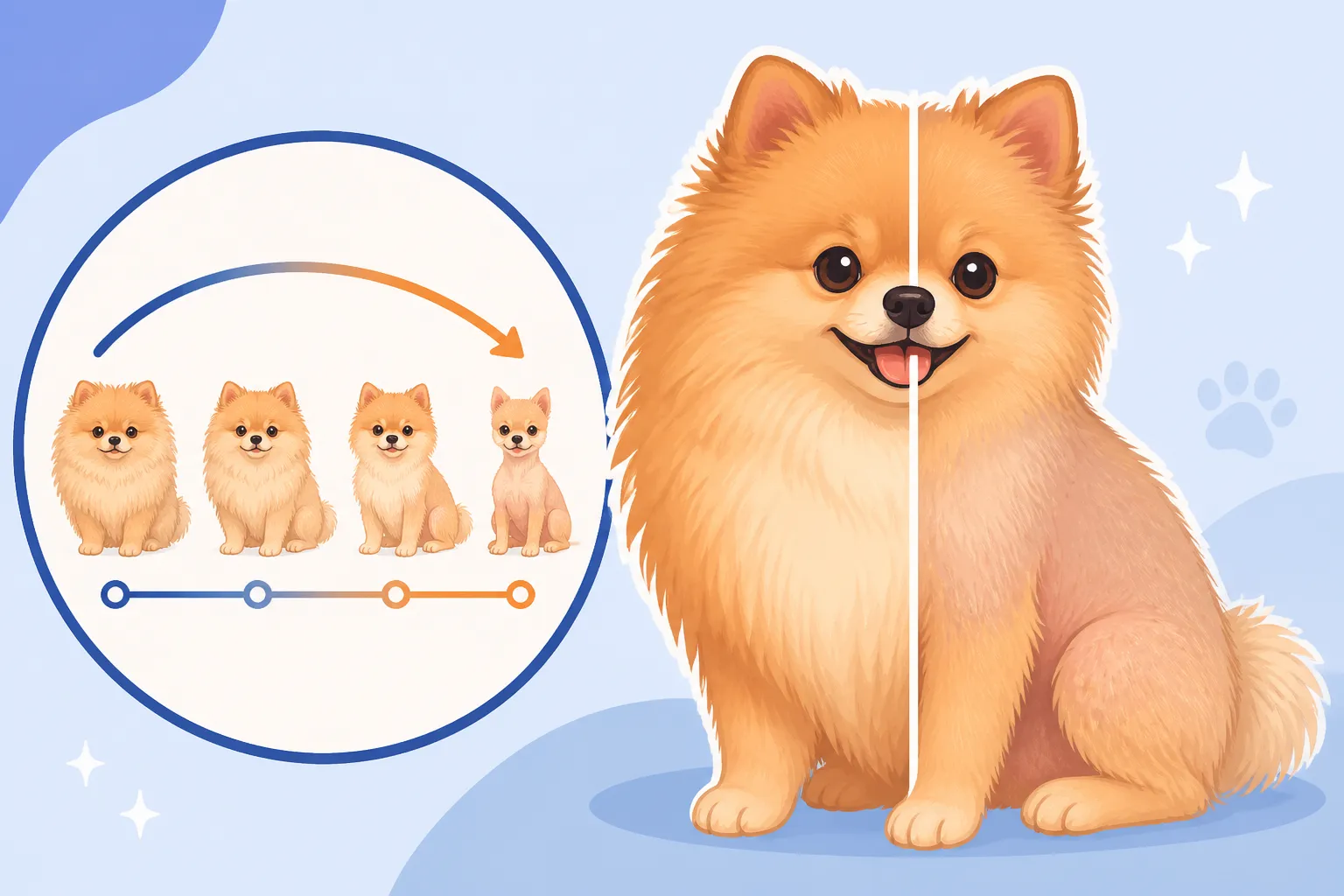
Just like us, our beloved Pomeranians go through a natural aging process, and one of the most noticeable changes often manifests in their magnificent double coat. What was once a dense, vibrant plume might start to feel a bit less voluminous, or you might spot patches where the hair seems sparser. This isn't usually a sudden event but rather a gradual shift that unfolds over time.
When Normal Thinning Usually Begins
Typically, you might start noticing subtle changes in your Pomeranian's coat around their senior years, which for many Poms begins around 7 to 10 years of age. This isn't a hard and fast rule, as genetics, overall health, and individual factors play a significant role. Some Pomeranians might maintain a robust coat well into their teens, while others may show signs of thinning a little earlier.
Often, the first areas where you'll observe this thinning are the parts that experience more friction or are naturally less dense in terms of undercoat, such as the hindquarters, the belly, and sometimes along the sides of the chest. It's a bit like how some people's hair thins at the temples first. You might notice that the luxurious "britches" – the longer fur on their rear legs – don't seem as full as they once were, or that the beautiful "ruff" around their neck, while still impressive, doesn't stand quite as proud. It’s important to remember that this is a slow, symmetrical process, meaning it usually affects both sides of the body somewhat equally. If you’re concerned about the specifics of this stage, it’s worth reading about The Year a Pomeranian Starts Needing More and The Thinning That Starts on a Pomeranian's Hindquarters for more detailed insights.
How the Coat Texture and Density Shift
Beyond just seeing less hair, you might also feel a difference in the coat itself. The texture can become coarser, and the guard hairs – those longer, stiffer outer hairs that give the Pomeranian its characteristic fluffy appearance – might become more brittle or less abundant. The soft, dense undercoat, which provides warmth and fullness, often becomes significantly sparser.
Imagine running your fingers through their fur; instead of sinking into a thick cloud, you might feel the skin more readily. This change in density means the coat might lie flatter against the body rather than standing out in that glorious poof we adore. It's not uncommon for the hair to feel a bit drier, too, and perhaps lose some of its vibrant sheen. This isn't necessarily a sign of neglect; it’s simply a natural consequence of aging skin and hair follicles producing less oil and less robust hair strands. While it might not be the show-stopping coat of their youth, with proper care, it can still remain soft, clean, and comfortable for your aging companion.
Differentiating Between Age-Related Thinning and Underlying Health Issues
Seeing your Pomeranian's coat thin can be a worrying experience, and it's natural to jump to conclusions about serious health problems. While some thinning is normal with age, it's absolutely crucial to know the difference between typical senior changes and signs that might point to an underlying medical condition. The subtle distinctions can sometimes be hard to spot, but they are vital for your dog's well-being.
Signs That Warrant a Vet Visit
While mild, symmetrical thinning on the hindquarters or belly might be age-related, there are definite red flags that should send you straight to the vet. If the hair loss is sudden, patchy, or appears to be rapidly progressing, that's a cause for concern. Look for areas of complete baldness, especially if the skin underneath appears discolored, flaky, itchy, or develops bumps. Changes in skin color, such as darkening (often referred to as hyperpigmentation), can be a significant indicator of certain conditions.
Other alarming signs include your Pomeranian constantly scratching, licking, or chewing at their coat, which could indicate allergies, parasites, or a skin infection. If the hair loss is accompanied by changes in behavior, such as increased lethargy, changes in appetite or thirst, or unexplained weight gain or loss, these are all symptoms that require immediate veterinary attention. These could be clues pointing to conditions far more serious than just aging. You’ll want to be particularly vigilant for signs that relate to issues like Black Skin Disease and the Pomeranian Coat That Never Returns or even internal problems that manifest on the skin. When in doubt, a quick call to your vet is always the best course of action; they can help you determine if an appointment is necessary.
The Importance of Regular Vet Check-ups
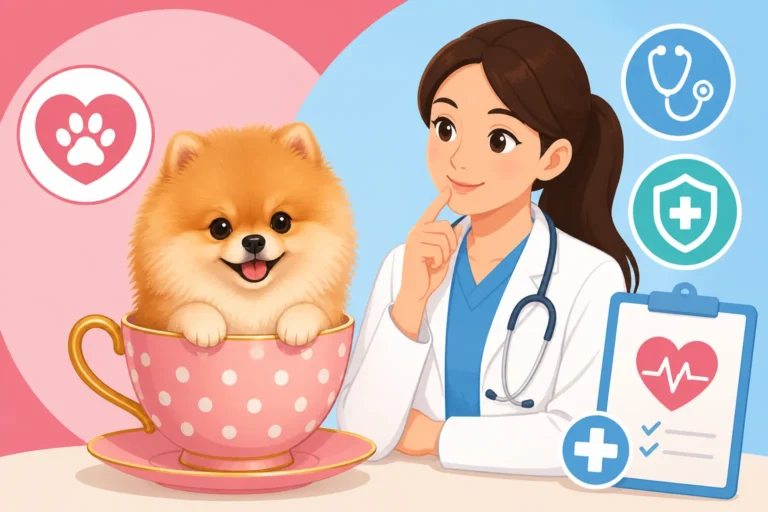
This is where proactive care truly shines. As your Pomeranian enters their senior years, regular veterinary check-ups become even more critical. These aren't just for vaccinations anymore; they're comprehensive health assessments designed to catch potential issues early, often before they become major problems. Your vet can perform blood tests to check for underlying conditions that might cause coat thinning, such as thyroid imbalances or Cushing's disease, and examine the skin for signs of parasites, allergies, or infections.
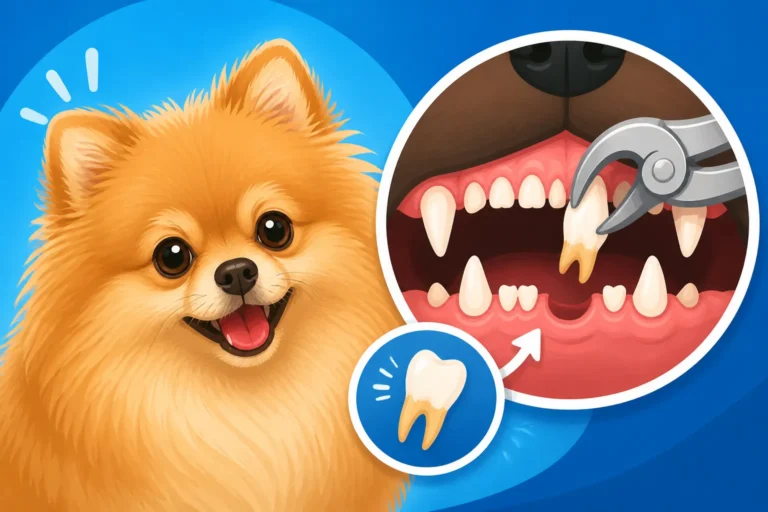
During these visits, your vet will also assess your Pomeranian’s overall health, including their weight, joint mobility, and dental health – after all, issues like Dental Disease in a Mouth the Size of a Pomeranian's can also impact overall well-being. Discussing any changes in your dog's coat, energy levels, or behavior with your vet is paramount. This is also a good time to consider how financial planning plays a role in managing health concerns. Having pet insurance, like a policy from Healthy Paws, can provide immense peace of mind, helping to cover unexpected veterinary costs, especially for diagnostic tests and treatments that can quickly add up. Understanding What Pet Insurance Runs on a Pomeranian can help you budget for these crucial safety nets.
Common Health Conditions Mimicking Age-Related Thinning
It's easy to assume that any coat thinning in an older Pomeranian is just "old age," but several medical conditions can present very similarly. Being aware of these common culprits can help you advocate for your dog and seek the right diagnostic tests if you suspect something more serious is at play.
Hypothyroidism and Adrenal Issues
One of the most common hormonal imbalances that can lead to coat thinning in dogs, including Pomeranians, is hypothyroidism. This occurs when the thyroid gland doesn't produce enough thyroid hormone. Beyond a thinning coat, often accompanied by dry, brittle hair and flaky skin, other symptoms might include lethargy, weight gain despite no change in diet, intolerance to cold, and a dull, unhealthy coat that doesn't regrow well after clipping. The hair loss from hypothyroidism tends to be symmetrical and often affects the trunk and tail, sparing the head and legs. If your vet suspects this, a simple blood test can usually confirm the diagnosis, and it's often easily managed with daily medication. For more on this, you might find Ruling Out Thyroid on a Balding Pomeranian helpful.
Another group of conditions involves the adrenal glands, particularly Cushing's disease (hyperadrenocorticism), where the body produces too much cortisol. This can lead to hair loss, especially on the trunk, along with a pot-bellied appearance, increased thirst and urination, and thin, fragile skin. While less common than hypothyroidism, it's another possibility your vet might explore if initial tests for thyroid issues are negative. Both types of conditions highlight why thorough diagnostic work is essential when coat thinning is more than just a minor aesthetic change.
Alopecia X (Black Skin Disease)
This condition, also known as Black Skin Disease or BSD, is a common and often frustrating cause of coat loss in Pomeranians. While it typically manifests in younger adult Pomeranians (between 1 and 10 years of age), it can also appear or worsen in older dogs. Alopecia X is characterized by symmetrical hair loss, often starting on the hindquarters and eventually progressing to the entire body, leaving areas of bare, often darkened or "black" skin. The skin can become very dry and leathery.
What makes Alopecia X so vexing is that it's a diagnosis of exclusion – meaning other medical conditions, like thyroid issues or Cushing's, must first be ruled out. The exact cause isn't fully understood, but it's believed to be a hormonal imbalance that doesn't necessarily show up on standard blood panels. Owners often find themselves desperately trying various treatments, from melatonin to specific shampoos, with varying degrees of success. It's a condition that truly tests an owner's patience and wallet, which is where a good pet insurance plan from Healthy Paws can be a godsend for covering the many vet visits and tests involved in ruling out other problems. For a deeper dive into this challenging condition, explore Why Pomeranian Owners Call Alopecia X Black Skin Disease.
Other Skin Conditions and Parasites
Beyond hormonal issues, several other skin conditions can cause or mimic age-related coat thinning. Allergies, whether environmental (pollen, dust mites) or food-related, can lead to intense itching, which in turn causes your Pomeranian to scratch and chew, resulting in patchy hair loss and irritated skin. Fleas and mites are also common culprits; even a few fleas can cause significant irritation and hair loss in sensitive dogs. Bacterial or fungal skin infections (like ringworm) can also cause localized hair loss, redness, and flakiness.
It’s easy to dismiss persistent itching or small patches of hair loss as minor irritations, but they can quickly escalate into more serious problems, especially for a senior dog whose immune system might not be as robust. A trip to the vet will allow them to conduct skin scrapes, fungal cultures, or allergy tests to pinpoint the exact cause and prescribe appropriate treatment, from medicated shampoos to antibiotics or anti-allergy medications.
Supporting Your Pomeranian's Coat Through Its Senior Years
Even if your Pomeranian's coat thinning is purely age-related, there's still plenty you can do to support their skin and remaining fur, keeping them comfortable and looking their best. It’s all about gentle, consistent care tailored to their changing needs.
Nutritional Support and Supplements
What goes into your Pomeranian's body significantly impacts what you see on the outside, especially their skin and coat. As they age, their nutritional requirements might shift. Ensure they are on a high-quality senior dog food formula that provides easily digestible proteins and balanced nutrients. Some older Poms might benefit from a diet rich in omega-3 and omega-6 fatty acids, often found in fish oil supplements. These essential fatty acids are crucial for skin health and can help maintain coat luster and reduce dryness.
Supplements designed to support skin and coat health can also be beneficial. Look for products containing ingredients like biotin, zinc, and vitamins A and E, which play vital roles in hair growth and skin integrity. Always consult your vet before adding any new supplements to your Pomeranian's diet, as they can recommend the best options and appropriate dosages based on your dog's specific health needs. A conversation about Supplements That Support a Pomeranian's Skin with your vet can guide your choices.
Gentle Grooming Practices
The grooming routine for an aging Pomeranian with a thinning coat needs to be adjusted. While their youthful coat required vigorous brushing to prevent mats, a senior coat is often more fragile and prone to breakage. Switch to a softer brush, like a natural bristle brush, and be incredibly gentle. Frequent, light brushing sessions (daily or every other day) can still help remove loose hair, distribute natural oils, and stimulate circulation without stressing the delicate skin. Focus on working through the coat in small sections, always brushing from the skin outwards.
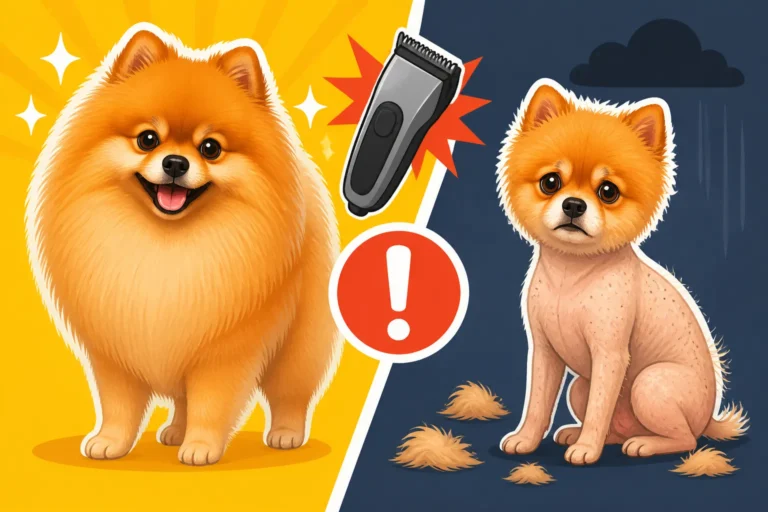
Bathing should be done with a moisturizing, gentle shampoo designed for sensitive skin. Avoid harsh detergents or excessive scrubbing. Pat them dry gently with a towel rather than rubbing, and if you use a blow dryer, keep it on the lowest heat setting and hold it at a distance to prevent drying out their skin. Most importantly, never shave a Pomeranian's double coat, especially if it's already thinning. Shaving can permanently damage the hair follicles and prevent regrowth, potentially worsening the appearance and leaving them vulnerable to sun and cold. For details on why this is so important, research Whether a Groomer Should Ever Shave a Pomeranian.
Environmental Considerations
A thinning coat offers less protection from the elements, making environmental considerations more critical for your aging Pomeranian. In colder weather, a lightweight sweater or coat can help keep them warm, especially if their undercoat has significantly thinned. Conversely, in warm weather, their skin is more exposed to the sun. Limit sun exposure during peak hours, and consider dog-safe sunscreen on any areas of bare or very thin skin, particularly on their belly or ears.
Ensure your home environment is comfortable. A humidifier can help alleviate dry skin and brittle hair, especially during dry winter months. Provide soft, comfortable bedding that cushions their joints and protects their thinning coat from friction. By making these small adjustments, you can ensure your senior Pomeranian remains comfortable and protected, regardless of how much their once glorious coat may have changed.
Table: Distinguishing Coat Thinning Types in Pomeranians
| Feature | Normal Age-Related Thinning | Alopecia X (Black Skin Disease) | Hypothyroidism |
|---|---|---|---|
| Typical Onset Age | 7-10+ years (senior) | 1-10 years (young to adult) | Any age, often middle-aged (4-10 years) |
| Hair Loss Pattern | Gradual, symmetrical, often on hindquarters/belly | Symmetrical, patchy, progresses to baldness on trunk | Symmetrical, on trunk and tail, "rat tail" often present |
| Skin Appearance | May be normal, slightly drier | Darkened (hyperpigmented), dry, leathery, flaky | Dry, flaky, sometimes thickened |
| Hair Quality | Coarser, brittle, sparser undercoat | Fine, silky residual hair at first, then complete loss | Dry, brittle, dull, poor regrowth |
| Accompanying Symptoms | Minimal other symptoms | Often none initially, purely cosmetic | Lethargy, weight gain, cold intolerance, dullness |
| Diagnostic Tests | Exclusion of other causes, age observation | Rule out other conditions (thyroid, adrenals), skin biopsy | Blood tests (thyroid panel) |
| Prognosis | Managed with supportive care | Cosmetic, variable response to treatment | Good with lifelong medication |
Disclaimer
The information provided in this article is for general informational purposes only and is not a substitute for professional veterinary advice. Always consult with a qualified veterinarian for any health concerns or before making any decisions related to your Pomeranian's health and treatment.