Surgery for a Pomeranian With a Patent Ductus
It's absolutely gut-wrenching to hear that your precious Pomeranian has been diagnosed with a heart condition, especially something as daunting as Patent Ductus Arteriosus, or PDA. The worry can be immense, picturing your tiny companion struggling with a heart that isn't quite right. This congenital defect, if left untreated, can severely impact their quality of life and shorten their time with you. Understanding the diagnosis and knowing that there are effective surgical interventions can bring a much-needed sense of hope. This guide aims to demystify PDA surgery for Pomeranians, providing you with detailed insights into the condition, the diagnostic process, surgical options, and what to expect during recovery.
Understanding Patent Ductus Arteriosus in Pomeranians
Patent Ductus Arteriosus is a congenital heart defect, meaning it's present at birth. In simple terms, it's a problem with a blood vessel that was essential when your Pomeranian was a fetus but should have closed shortly after birth. When it doesn't, it creates a serious health issue. For us Pomeranian parents, this news can be incredibly alarming, but understanding what it is and how it affects our little furballs is the first step towards getting them the best care.
What is PDA and How Does It Affect Your Pomeranian?
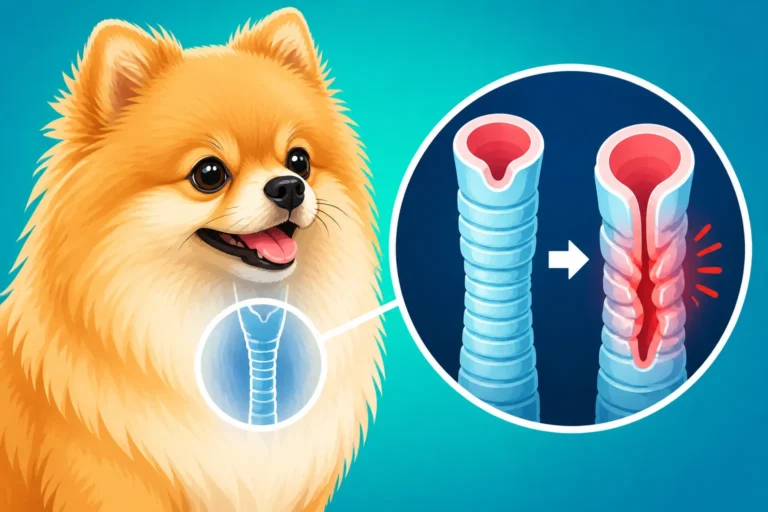
To truly grasp PDA, let's think about a puppy in its mother's womb. Before birth, puppies don't use their lungs to breathe; they get oxygen and nutrients from their mother through the umbilical cord. There's a special blood vessel, the ductus arteriosus, that acts as a shortcut, allowing blood to bypass the lungs, which aren't yet functional. Once a puppy is born and takes its first breaths, its lungs inflate, and this ductus arteriosus is supposed to close off within the first few hours or days of life. This natural closure redirects blood flow properly through the lungs to get oxygenated.
However, in Pomeranians with PDA, this vessel remains patent, or open. This means that after birth, oxygenated blood, which should be going out to the body, ends up flowing back into the lungs and heart instead, due to the pressure difference. This extra blood volume flowing through the lungs and then returning to the heart creates a tremendous overload on the heart's left side. Imagine trying to pump more water through an already full pipe – it causes immense strain. Over time, this constant overload leads to an enlargement of the heart (specifically the left atrium and ventricle) and increased pressure in the lung arteries. If left untreated, this ultimately progresses to congestive heart failure, a devastating condition where the heart simply cannot keep up with the demands placed upon it. The longer it's left open, the more damage it does, and the harder it becomes to reverse the effects.
Why Some Pomeranians are More Prone to PDA
While PDA can occur in any dog breed, and sometimes for no discernible reason, certain breeds, including our beloved Pomeranians, are recognized as being predisposed to the condition. This suggests a genetic component, meaning it can be passed down from parents to offspring. It's not a guarantee that a Pomeranian from a lineage with PDA will develop it, but the risk is certainly higher. This is a crucial reason why responsible breeders will often screen their breeding dogs for heart conditions and perform genetic testing when available.
Knowing this predisposition doesn't make the diagnosis any easier, but it does highlight the importance of early detection and careful breeding practices. If you're considering adding a Pomeranian puppy to your family, asking about parental health screenings, especially for cardiac issues, is incredibly important. You might also want to read up on The Heart Defect Found in Pomeranian Puppies to learn more about other potential issues that can affect these small, delicate dogs. While it's heartbreaking to think about, understanding these genetic links helps us advocate for our pets and support breeders who prioritize health.
Diagnosing PDA: What to Expect at the Vet
The journey from suspecting a problem to a confirmed PDA diagnosis can be a whirlwind of emotions and vet visits. Many Pomeranian parents first notice something "off," or perhaps a routine puppy check-up reveals an unexpected finding. It's a scary time, but knowing what to expect can help you feel more prepared.
Recognizing the Signs of PDA in Your Pomeranian
Often, the very first indication that something might be amiss with a Pomeranian puppy's heart is a distinct heart murmur detected by a veterinarian during a routine check-up. This specific murmur, often described as a "machinery-like" sound, is quite characteristic of PDA and can be heard on the left side of the chest. It's usually a continuous murmur, meaning it's present throughout both the systolic and diastolic phases of the heartbeat. Even if your puppy seems perfectly fine on the outside, a murmur is a red flag that warrants further investigation. For more on this, you might find our article on The Heart Murmur Heard on a Pomeranian Puppy insightful.
Beyond the murmur, as the condition progresses, you might start noticing other signs that indicate the strain on your Pomeranian's heart. These can include:
- Failure to thrive: The puppy may be smaller than its littermates, have difficulty gaining weight, or generally seem less robust.
- Exercise intolerance: They might tire easily during play or walks, or be reluctant to engage in activities they once enjoyed.
- Coughing: This is often a sign of fluid buildup in the lungs, a symptom of congestive heart failure.
- Difficulty breathing: Shortness of breath, especially after exertion, can be alarming.
- Weakness or collapse: In severe cases, the lack of adequate oxygenated blood flow to the body can lead to fainting or collapse.
It's crucial to remember that these signs might not appear immediately. Many puppies with PDA seem normal in their first few weeks or months, only to develop symptoms as the heart becomes increasingly overwhelmed. This is why regular vet check-ups are so important, as is being vigilant about any changes in your Pomeranian's behavior or energy levels.
The Diagnostic Process: From Murmur to Confirmation
Once your vet detects a suspicious murmur, they'll typically recommend a series of diagnostic tests to confirm PDA and assess its severity. This process is crucial because other heart conditions can also cause murmurs, and an accurate diagnosis is paramount for effective treatment.
Here’s a breakdown of what usually happens:
- Auscultation (Listening): The vet will listen to your Pomeranian's heart carefully. As mentioned, the characteristic "machinery murmur" is a strong indicator of PDA.
- Chest X-rays (Radiographs): X-rays allow the vet to see the size and shape of the heart and check for any fluid accumulation in the lungs. With PDA, the left side of the heart often appears enlarged, and there might be signs of pulmonary congestion.
- Electrocardiogram (ECG): An ECG measures the electrical activity of the heart. While not directly diagnostic for PDA, it can detect abnormalities in heart rhythm or enlargement of certain heart chambers, which are secondary effects of PDA.
- Echocardiogram (Cardiac Ultrasound): This is the gold standard for diagnosing PDA. An echocardiogram uses sound waves to create a real-time image of your Pomeranian's heart, allowing the veterinary cardiologist to visualize the structure and function of the heart, blood flow, and, most importantly, the patent ductus arteriosus itself. They can see the abnormal blood flow through the open vessel, measure its size, and assess the degree of heart enlargement and lung pressure. This non-invasive test is painless for your dog and provides definitive answers.
If your regular vet identifies a murmur, they will often refer you to a board-certified veterinary cardiologist for the echocardiogram and further management. These specialists have advanced training and equipment to accurately diagnose and treat complex heart conditions like PDA. During these discussions, your vet will also likely outline considerations regarding The Murmur Grade That Worries a Pomeranian Owner and what that means for your dog's specific case.
Discussing Prognosis and Timelines
Receiving a PDA diagnosis is undoubtedly distressing, but it's important to know that with prompt and appropriate treatment, the prognosis for Pomeranians with PDA can be excellent. The key word here is prompt. Early intervention, before significant heart damage or congestive heart failure develops, drastically improves the outcome.
The severity of the PDA and the presence of any secondary complications (like pulmonary hypertension or early heart failure) will influence the prognosis and the urgency of treatment. Generally, if PDA is detected and surgically corrected in puppies before they show signs of congestive heart failure, they often go on to live a normal, healthy life. However, if heart failure has already set in, while surgery can still improve their condition, some residual damage might remain, potentially requiring ongoing medication and monitoring. This is also why understanding Whether a Pomeranian Puppy's Murmur Goes Away is so crucial, as it rarely does with PDA.
Your veterinary cardiologist will discuss the specific timeline for surgery based on your Pomeranian's individual case. Typically, surgery is recommended as soon as the diagnosis is confirmed, usually between 8 to 16 weeks of age, before the heart suffers irreversible damage. Waiting too long increases the risks and diminishes the potential for a full recovery. It's a conversation that can feel overwhelming, especially when thinking about the financial aspect. This is where pet insurance providers like Healthy Paws can be invaluable, helping to cover a significant portion of these unexpected veterinary expenses. Planning for your Pomeranian’s care from a young age, including regular The Checkup Schedule a Pomeranian Should Keep, can help detect issues early.
The Surgical Options for Correcting PDA
Once PDA is confirmed, surgery is almost always the recommended course of action. It's the only way to permanently close the abnormal vessel and restore normal blood flow. There are generally two primary surgical approaches, each with its own considerations.
Traditional Open Chest Ligation
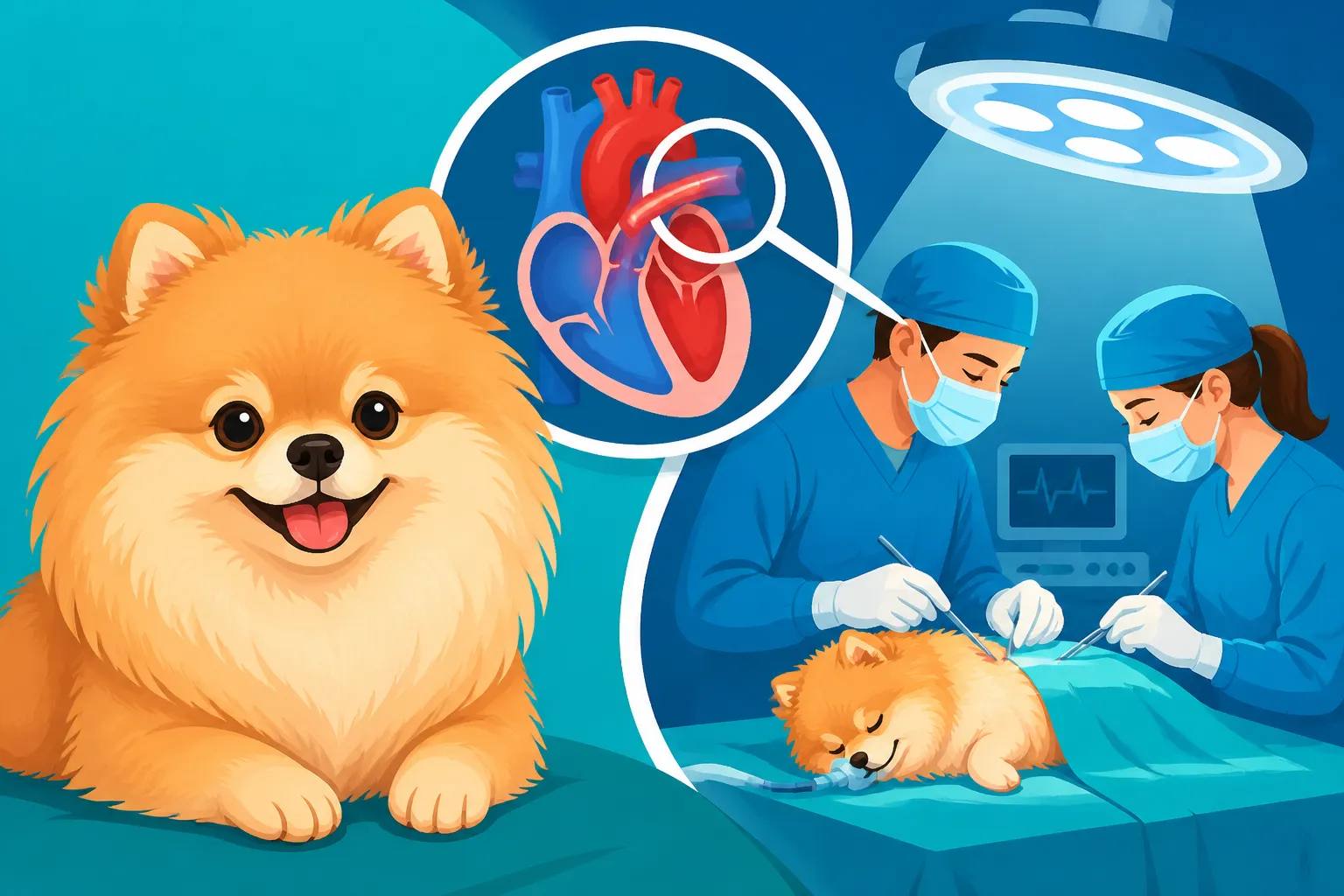
The traditional method for correcting PDA is called surgical ligation. This involves a board-certified veterinary surgeon making an incision on the left side of your Pomeranian's chest, between the ribs, to gain direct access to the heart and the great vessels. The surgeon then carefully identifies the patent ductus arteriosus and uses sutures or surgical clips to tie it off (ligate it), effectively closing it permanently.
This method has been performed successfully for many decades and has a very high success rate when performed by an experienced surgeon, often exceeding 95-98%. It's considered a definitive repair, and once the ductus is ligated, the abnormal blood flow stops immediately. The immediate benefits are a dramatic reduction in the strain on the heart and lungs, allowing the heart to begin to recover and remodel.
Pros of Traditional Ligation:
- High Success Rate: Proven track record of permanently closing the PDA.
- Definitive Closure: Once ligated, the ductus is closed.
- Applicable to All PDAs: Can be used for nearly all sizes and configurations of PDA.
- Cost-Effective in Some Cases: Depending on the clinic and region, it can sometimes be less expensive than catheter-based procedures, though still a significant investment.
Cons of Traditional Ligation:
- Invasive Procedure: Requires an open-chest surgery, which is a major abdominal operation.
- Longer Recovery: The recovery period in the hospital and at home can be a bit longer due to the incision and muscle manipulation.
- Higher Anesthetic Risk: While modern anesthesia is very safe, any open-chest surgery carries inherent risks, especially for a small breed like a Pomeranian. Discussing Anesthesia Risk in a Four Pound Pomeranian with your vet is critical.
Minimally Invasive Catheter-Based Occlusion
In recent years, advancements in veterinary cardiology have introduced a less invasive option for PDA correction known as transcatheter occlusion or device occlusion. This procedure is performed by a veterinary cardiologist, typically in a specialized facility. Instead of opening the chest, a small incision is made in the groin or leg, and a catheter (a thin, flexible tube) is inserted into a major artery (usually the femoral artery). Using fluoroscopy (a real-time X-ray imaging technique), the cardiologist guides the catheter through the blood vessels to the location of the PDA.
Once the catheter is in position, a specialized device – often a coil or an Amplatzer Canine Ductal Occluder (ACDO) – is deployed through the catheter into the PDA, effectively plugging it up and stopping the abnormal blood flow. The device expands to fit snugly within the ductus, and over time, the body's tissues grow over and incorporate the device, ensuring permanent closure.
Pros of Catheter-Based Occlusion:
- Minimally Invasive: No large chest incision, leading to less pain and a faster recovery.
- Shorter Hospital Stay: Pomeranians often go home sooner, sometimes even the next day.
- Reduced Anesthetic Time: Often, the procedure itself is quicker, though preparation and imaging can still take time.
Cons of Catheter-Based Occlusion:
- Not All PDAs are Suitable: The size and shape of the PDA must be appropriate for device placement. Very large or unusually shaped ducts may require traditional surgery.
- Specialized Equipment and Expertise: Requires highly specialized training and expensive equipment, making it available only at certain veterinary specialty centers.
- Potentially Higher Cost: Often more expensive than traditional surgery due to the specialized devices and imaging. Again, checking what your Healthy Paws pet insurance policy covers for specialized procedures like this is highly recommended.
- Risk of Device Embolization: Very rarely, the occlusion device could dislodge and travel within the bloodstream, requiring further intervention.
Your veterinary cardiologist will evaluate your Pomeranian's specific PDA during the echocardiogram and discuss which surgical option is best suited for their condition, taking into account the size, shape, and location of the ductus, as well as the overall health of your dog. They will explain the risks and benefits of each procedure thoroughly.
Preparing for Your Pomeranian's Surgery
Regardless of the surgical method chosen, thorough preparation is key to ensuring the best possible outcome for your Pomeranian. This will typically involve several steps:
- Pre-surgical Evaluation: A comprehensive physical exam, blood tests (including a complete blood count and biochemistry profile), and potentially a urinalysis will be performed to assess your Pomeranian's overall health and ensure they are a good candidate for anesthesia. This is a standard procedure, and you might find it useful to read about Whether a Pomeranian Needs Pre-Anesthetic Bloodwork for more details on why this is important.
- Fasting Instructions: You will be given strict instructions regarding fasting from food and water before surgery. This is critical to prevent complications like aspiration during anesthesia.
- Medication Review: Discuss all medications, supplements, and preventatives your Pomeranian is currently taking with your vet or cardiologist. Some might need to be paused before surgery.
- Emotional Preparation: For you, the human parent, preparing for your Pomeranian's surgery can be incredibly stressful. Ask all your questions, no matter how small they seem. Understand the procedure, potential risks, and recovery process. Knowing what to expect can alleviate some anxiety. Many clinics are wonderful about keeping you updated throughout the day of surgery, sometimes even sending texts with progress reports. It's a big day for everyone involved, especially for a tiny dog like a Pomeranian, who might also face unique challenges like those discussed in What Teacup Breeding Costs a Pomeranian, if they are on the smaller side.
Life After PDA Surgery: Recovery and Long-Term Care
The surgery itself is a critical step, but recovery is equally important. Knowing what to expect during the immediate post-operative period and the weeks that follow will help you provide the best care for your Pomeranian and ensure a smooth path to full health.
Immediate Post-Operative Care and Hospital Stay
After a successful PDA closure, your Pomeranian will typically spend a few days in the veterinary hospital or specialty clinic for close monitoring. This is a crucial time, as the veterinary team will be managing pain, monitoring vital signs, and ensuring there are no immediate complications.
During this period:
- Pain Management: Your Pomeranian will receive pain medication to keep them comfortable. The veterinary staff will be vigilant for any signs of discomfort.
- Monitoring: Their heart rate, respiratory rate, blood pressure, and oxygen saturation will be continuously monitored. The veterinary cardiologist will also listen to their heart frequently to ensure the murmur has resolved and there are no new abnormal sounds.
- Activity Restriction: Your Pomeranian will be kept calm and quiet in a recovery suite to prevent any strain on the healing surgical site (for traditional ligation) or the area where the catheter was inserted.
- Feeding: They will gradually be reintroduced to food and water as they recover from anesthesia.
The duration of the hospital stay can vary. For traditional open-chest ligation, it might be 3-5 days. For transcatheter occlusion, it could be as short as 1-2 days, allowing for a quicker return home. The veterinary team will communicate regularly with you about your Pomeranian's progress and when they are ready to come home.
At-Home Recovery: The First Few Weeks
Bringing your Pomeranian home after surgery is a relief, but the recovery process doesn't end there. The first few weeks at home are vital for their complete healing and getting back to their energetic selves.
Here’s what you can expect and how to help:
- Strict Rest and Activity Restriction: This is perhaps the most critical aspect of at-home recovery. Your Pomeranian will need to be kept calm and quiet. This means no jumping, no running, no rough play with other pets, and only short, controlled leash walks for bathroom breaks. A playpen or a quiet, confined space can be very helpful to manage their activity, especially for lively Poms. Avoid stairs if possible.
- Medication Administration: You will likely be sent home with a course of pain medication and possibly antibiotics. It's essential to administer these exactly as prescribed.
- Incision Care (for traditional ligation): If your Pomeranian had open-chest surgery, you'll need to monitor the incision site for any signs of redness, swelling, discharge, or if your dog is licking or chewing at it. An Elizabethan collar (cone) might be necessary to prevent them from interfering with the stitches.
- Monitoring for Complications: Watch for any signs of distress, such as difficulty breathing, persistent coughing, lethargy, loss of appetite, or vomiting. Report any concerns to your vet immediately.
- Follow-up Appointments: Several follow-up appointments will be scheduled with your regular vet and possibly the cardiologist. These appointments are crucial to monitor healing, check the heart's recovery, and remove any stitches if necessary. An echocardiogram will likely be repeated to confirm the successful closure of the PDA and assess the heart's return to normal size and function.
Remember, even if your Pomeranian seems to be feeling better quickly, it's vital to stick to the activity restrictions. Their heart needs time to remodel and recover from the overload it experienced. Pet insurance, such as a plan from Healthy Paws, can certainly help alleviate the financial burden of these follow-up visits and any necessary medications.
Long-Term Outlook and Continued Monitoring
The long-term outlook for Pomeranians who undergo successful PDA surgery, especially if performed early, is overwhelmingly positive. Many puppies go on to lead completely normal, active, and full lives, often with no further cardiac issues. The heart, relieved of the abnormal strain, usually shrinks back to a normal size over time.
However, even with a successful surgery, continued monitoring is often recommended, especially in the initial year or two post-op, and then as part of their routine The Year a Pomeranian Starts Needing More check-ups.
- Annual Cardiac Check-ups: Your vet or cardiologist might recommend annual cardiac check-ups, which may include listening to the heart, blood pressure checks, and occasional follow-up echocardiograms to ensure everything remains stable.
- Lifestyle Management: While most Poms return to normal activity, maintaining a healthy weight and providing a balanced diet are always important for overall heart health, as they are for The Twelve to Sixteen Years a Pomeranian Lives.
- Awareness of Other Conditions: While PDA is corrected, Pomeranians can still be prone to other health issues. For example, some may develop Congestive Heart Failure in a Pomeranian for unrelated reasons later in life, or other breed-specific conditions that require vigilance.
The transformation in a Pomeranian after a successful PDA surgery can be truly remarkable. From a puppy struggling with an overloaded heart, they can blossom into a vibrant, energetic companion. It’s a testament to veterinary medicine and the dedication of Pomeranian parents like you.
| Aspect | Traditional Open Chest Ligation | Catheter-Based Occlusion |
|---|---|---|
| Invasiveness | Highly invasive (chest incision) | Minimally invasive (small incision in groin/leg) |
| Recovery Time (Hospital) | ~3-5 days | ~1-2 days |
| Recovery Time (At Home) | ~4-6 weeks of strict rest | ~2-4 weeks of strict rest |
| Suitability | Suitable for most PDAs | Suitable for specific PDA sizes/shapes |
| Surgeon/Specialist | Board-certified Veterinary Surgeon | Board-certified Veterinary Cardiologist |
| Cost | Significant, varies by clinic/region | Often higher due to specialized equipment/devices |
| Primary Risks | Anesthesia, infection, pain, pneumothorax | Anesthesia, device dislodgement, vascular complications |
| Success Rate | >95% (highly effective) | >95% (highly effective) |
| Long-Term Outlook | Excellent, often full recovery | Excellent, often full recovery |
Disclaimer
The information provided in this guide is for general informational purposes only and does not constitute veterinary advice. Always consult with a qualified veterinarian or veterinary cardiologist for diagnosis and treatment of any medical condition your Pomeranian may have. Specific recommendations and treatments should be made by a veterinary professional familiar with your pet's individual health history.