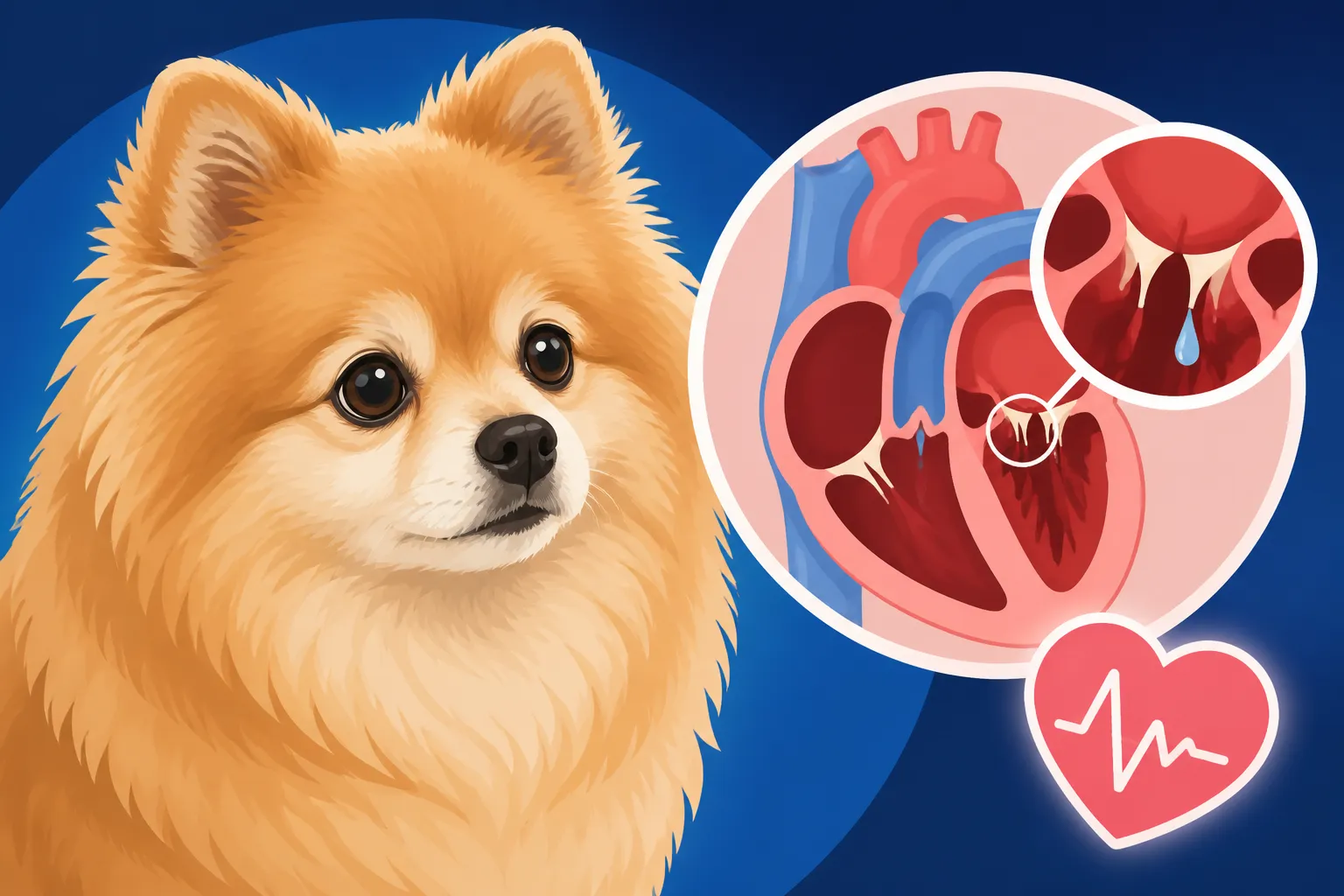
The Leaking Valve in an Older Pomeranian’s Heart
It’s a truly frightening moment when your beloved, senior Pomeranian starts coughing, especially at night or when they first wake up. You might wonder if it’s just a little cold, or perhaps a bit of dust, but deep down, a worry nags at you. Could it be something more serious, something with their heart? For many older Pomeranians, a leaking heart valve is a common, yet often misunderstood, condition that can lead to significant health challenges. This comprehensive guide is here to walk you through what a leaking valve means for your furry family member, how to spot the signs, and most importantly, how to manage it so your little companion can enjoy their golden years with as much comfort and joy as possible.
Understanding a Leaky Heart Valve in Older Pomeranians
The heart is a marvel of engineering, a powerful pump that keeps life flowing through your Pomeranian’s tiny body. But just like any complex system, parts can wear down over time, especially the valves that regulate blood flow. In older Pomeranians, one of the most common cardiac issues we see is a condition often referred to as a "leaky heart valve," more formally known as Myxomatous Mitral Valve Disease (MMVD) or Mitral Regurgitation. It’s a mouthful, but understanding what’s happening can help you advocate for your pup.
The Role of the Mitral Valve
Imagine your Pomeranian's heart as a four-room house with doors between the rooms to control traffic. The mitral valve is one of these crucial doors, specifically located between the left atrium and the left ventricle – the two chambers on the left side of the heart. When the left ventricle contracts to pump oxygenated blood out to the rest of the body, the mitral valve should close tightly to prevent blood from flowing backward into the left atrium. It’s a one-way street, designed for efficient circulation.
How the Valve Starts to Leak
With age, particularly in small breeds like our beloved Pomeranians, this delicate mitral valve can start to degenerate. Think of it like an old, worn-out door that no longer seals properly. The valve leaflets, which are supposed to be thin and flexible, become thickened, nodular, and sometimes stretched. This prevents them from meeting tightly when they close. Consequently, with each heartbeat, a small (or sometimes not-so-small) amount of blood leaks backward into the left atrium instead of moving forward into the aorta and out to the body. This backflow is called "regurgitation." You can even hear this phenomenon when the vet listens to your dog's heart; it's the characteristic heart murmur they detect. While it might sound concerning, not all murmurs are cause for immediate panic, but they definitely warrant attention, especially in an older dog.
Why Pomeranians Are Particularly Prone
It's a sad truth that small breed dogs, including Pomeranians, are disproportionately affected by MMVD. It’s considered the most common heart disease in dogs, with prevalence increasing with age. Many breeds have a genetic predisposition, and Pomeranians are unfortunately on that list. This means that even with the best care, your Pom may be genetically wired to develop this condition as they age. It's a progressive disease, meaning it tends to get worse over time, slowly stressing the heart as it works harder to compensate for the inefficiency caused by the leaking valve. This is one of the key factors that can impact How Long a Well Bred Pomeranian Actually Lives The good news is that medical advancements mean we can often manage it effectively for a good long while, giving your senior Pom more happy, comfortable years.
Spotting the Subtle Clues of a Leaky Valve
Recognizing the signs of a leaking heart valve in your older Pomeranian can be tricky because the early symptoms can be quite subtle and easily mistaken for general aging. It's easy to dismiss a little cough or a bit less energy as just "getting old," but being observant and knowing what to look for can make a huge difference in catching the problem early.
Early and Mild Symptoms
In the initial stages, your Pomeranian might not show any obvious signs at all, which is why regular vet check-ups where your vet listens to their heart are so important. The very first indication might be a heart murmur detected during one of these routine visits. If your vet has noted a heart murmur, even if your Pom seems perfectly fine, it's worth discussing what that means for their future health.
As the condition progresses, you might start noticing small changes in your Pom's behavior or routine. Perhaps they aren't as enthusiastic about their daily walk, or they get tired a bit faster than they used to. They might sleep more, or seem less inclined to play fetch for extended periods. Sometimes, a very subtle, soft cough might appear, often intermittent and not severe enough to cause alarm. These are the kinds of changes that make us wonder, "Is this just The First Signs a Pomeranian Is Aging
More Pronounced Indicators
As the heart works harder to pump blood around the body and compensate for the leaky valve, the signs become more noticeable. This is usually when the heart begins to enlarge and fluid can start to back up, leading to a condition called congestive heart failure.
- Persistent Coughing: This is perhaps the most classic sign. The cough might sound like a honk or a gag, and it's often worse at night, when your Pom is resting, or immediately after waking up. It can also be triggered by excitement or exercise. This cough is often due to fluid accumulating in the lungs (pulmonary edema) or the enlarged heart pressing on the trachea. Understanding Whether a Pomeranian's Cough Is Heart or Trachea is vital, as tracheal collapse can present very similarly.
- Increased Breathing Rate/Effort: You might notice your Pomeranian breathing faster than usual, even at rest. Their flanks might heave more, or they might seem to be panting without having exerted themselves. This is a critical symptom and should never be ignored.
- Reduced Stamina and Exercise Intolerance: Your Pom might be reluctant to go for walks, or they might tire out very quickly. They might lag behind, or simply lie down sooner during playtime.
- Restlessness, especially at night: Some Pomeranians with heart issues become restless, pacing, or struggling to find a comfortable position, particularly when trying to sleep. This could be related to fluid buildup making breathing difficult. This can sometimes be mistaken for other senior issues like An Old Pomeranian That Wanders at Night.
- Fainting or Weakness: In more advanced stages, a Pomeranian might suddenly collapse or faint, especially after excitement or exercise. This is due to a temporary lack of oxygen to the brain caused by poor circulation.
- Abdominal Swelling: If fluid builds up in the abdomen (ascites), your Pom's belly might look distended or bloated.
It's important to remember that these symptoms can develop gradually, so keeping a close eye on your Pomeranian’s daily habits is key. If you notice any combination of these signs, especially the coughing or increased breathing effort, it's time for a visit to your veterinarian.
Diagnosing and Managing Mitral Valve Disease
Once you suspect your older Pomeranian might have a leaking heart valve, the next step is a trip to the veterinarian. Early and accurate diagnosis is crucial for starting appropriate treatment and improving your Pom’s quality of life. Don't hesitate; your vet is your best partner in this journey.
The Diagnostic Process
When you bring your Pomeranian in, your vet will start with a thorough physical examination, paying close attention to their heart and lungs.
- Auscultation (Listening to the Heart): The vet will use a stethoscope to listen for a heart murmur. Murmurs are graded on a scale, with higher grades indicating a more significant leak. They’ll also listen for any abnormal lung sounds that might suggest fluid buildup. If your Pom had a heart murmur as a puppy, which is covered in articles like The Heart Murmur Heard on a Pomeranian Puppy, your vet will be noting any changes.
- Chest X-rays: These images help the vet assess the size and shape of your Pomeranian's heart. An enlarged heart, particularly the left atrium, is a common sign of MMVD. X-rays can also reveal if there's fluid accumulation in the lungs, which indicates congestive heart failure.
- Echocardiogram (Cardiac Ultrasound): This is the gold standard for diagnosing MMVD. An echocardiogram provides real-time images of the heart's structure and function. It allows the vet to visualize the mitral valve leaflets, confirm the severity of the leak, measure heart chamber sizes, and assess the heart's pumping ability. It's completely non-invasive and gives a definitive picture of what's happening inside.
- Electrocardiogram (ECG): An ECG measures the electrical activity of the heart. It can detect arrhythmias (irregular heartbeats) that sometimes accompany MMVD, though it's less direct for diagnosing the valve issue itself.
- Blood Tests: While not directly diagnostic for MMVD, blood tests can assess overall health, kidney function (which is important if diuretics are prescribed), and sometimes specific cardiac biomarkers (like NT-proBNP) that indicate heart stress.
Based on these diagnostics, your vet will assign a stage to your Pomeranian's MMVD, using a system developed by the American College of Veterinary Internal Medicine (ACVIM). This staging helps guide treatment decisions.
ACVIM Staging of Mitral Valve Disease
| Stage | Description | Symptoms | Treatment Approach |
|---|---|---|---|
| A | Dogs at high risk for developing heart disease (e.g., small breeds like Pomeranians), but no current structural heart changes. | None. | Regular monitoring, preventative care, maintaining ideal weight. |
| B1 | Structural heart changes (mitral valve degeneration and murmur present), but no evidence of heart enlargement and no clinical signs. | None. Heart murmur detected. | No medication needed yet. Regular monitoring (6-12 months) of heart size via X-rays or echo. |
| B2 | Structural heart changes (mitral valve degeneration and murmur present) AND significant heart enlargement (radiographic or echocardiographic evidence) but still no clinical signs of heart failure. | None. Heart murmur detected, significant heart enlargement. | Start Pimobendan (Vetmedin) to delay onset of clinical signs. Regular monitoring (3-6 months). |
| C | Current or past clinical signs of congestive heart failure (e.g., coughing, difficulty breathing, exercise intolerance) that are secondary to MMVD. | Coughing, increased breathing effort, exercise intolerance, lethargy, restlessness. | Aggressive multi-drug therapy (Pimobendan, diuretics like Furosemide, ACE inhibitors like Enalapril or Benazepril). Sodium restriction in diet. Hospitalization for acute crisis. Regular monitoring (1-3 months, sometimes weekly during crises). |
| D | End-stage congestive heart failure; signs are refractory (resistant) to standard treatment. Quality of life significantly impacted. | Severe, persistent coughing and breathing difficulties despite maximal medication. Poor appetite, severe lethargy, weight loss. | Advanced therapies, palliative care, focus on comfort and quality of life. May involve higher doses or additional medications. |
Treatment Approaches
Managing MMVD involves a combination of medications and lifestyle adjustments. The goal is to reduce the workload on the heart, manage fluid buildup, and improve your Pomeranian's comfort and longevity.
- Pimobendan (Vetmedin): This is a cornerstone medication, often started in Stage B2 even before symptoms appear. It has a dual action: it helps the heart muscle contract more effectively and also dilates blood vessels, reducing the pressure the heart has to pump against.
- Diuretics (e.g., Furosemide): These medications help the body shed excess fluid, which is crucial for managing pulmonary edema (fluid in the lungs) and ascites (fluid in the abdomen). They prevent the severe breathing difficulties associated with Congestive Heart Failure in a Pomeranian.
- ACE Inhibitors (e.g., Enalapril, Benazepril): These drugs help relax blood vessels and reduce fluid retention, making it easier for the heart to pump blood forward. They play a vital role in slowing the progression of heart disease.
- Other Medications: Depending on your Pom's specific needs, your vet might prescribe other drugs, such as spironolactone (a weaker diuretic that conserves potassium), anti-arrhythmic drugs if irregular heartbeats are present, or bronchodilators if airway compression is a factor.
It's important to stick to your vet's prescribed medication schedule diligently. These are not "as needed" medications; they work best when given consistently. The costs for these long-term medications and frequent vet visits can add up, making pet insurance a wise consideration early on. Many pet insurance providers, such as Healthy Paws, offer plans that can help offset the expense of chronic conditions, especially if diagnosed after enrollment and before symptoms become severe. This can give you peace of mind that you can afford the best care for your beloved Pom without financial strain. For more on the ongoing expenses of care, you might want to read What a Pomeranian's Annual Checkup Costs.
Living with and Supporting a Pomeranian with a Leaky Valve
Receiving a diagnosis of a leaking heart valve can be daunting, but with proper management and a loving environment, your Pomeranian can still enjoy a good quality of life for many years. It’s all about working closely with your vet and making some thoughtful adjustments at home.
Lifestyle Adjustments for Heart Health
Managing MMVD isn't just about medication; it's also about creating a supportive daily routine for your Pom.
- Dietary Considerations: Your vet might recommend a low-sodium diet. Excess sodium can contribute to fluid retention, which is exactly what we want to avoid in heart patients. There are prescription cardiac diets available, or your vet can guide you on how to reduce sodium in your current food and treat choices. Always discuss any dietary changes with your vet first to ensure it's appropriate for your individual Pomeranian. Remember, Feeding an Old Pomeranian With Few Teeth might also require softer food options, which are often easier to find in low-sodium formulations.
- Controlled Exercise: While strenuous exercise is out, moderate, consistent activity is still important. Short, gentle walks several times a day are usually beneficial. Avoid overheating or over-exciting your Pom, as both can put extra strain on the heart. Watch for any signs of fatigue or increased coughing during exercise and adjust accordingly. Your vet can help you determine what level of activity is safe.
- Stress Reduction: Stress can raise blood pressure and heart rate, which is not ideal for a dog with heart disease. Try to maintain a calm and predictable routine. Provide a quiet, comfortable space where your Pomeranian can rest undisturbed.
- Weight Management: Maintaining an ideal body weight is crucial. Extra pounds mean extra work for the heart. Your vet can help you determine your Pom's ideal weight and how to achieve it safely through diet and controlled exercise.
Monitoring at Home
You are your Pomeranian's primary caregiver and the first line of defense. Consistent home monitoring can provide valuable information to your vet and help you catch any worsening symptoms quickly.
- Resting Respiratory Rate (RRR): This is one of the most important metrics you can track. Count your Pomeranian's breaths per minute while they are sound asleep. A normal resting rate is typically below 30 breaths per minute. A consistently elevated rate (above 30-35 breaths per minute) can indicate fluid buildup in the lungs and warrants immediate veterinary attention. Keep a log of this.
- Coughing Frequency: Note how often your Pom coughs, when it occurs (e.g., at night, after exercise), and how severe it is.
- Energy Levels and Appetite: Any significant decrease in appetite or energy should be reported to your vet.
- Gum Color: Healthy gums are pink. Pale, bluish, or grey gums can indicate poor oxygenation and are an emergency.
The Importance of Regular Vet Check-ups
Even with diligent home care, regular veterinary check-ups are essential for managing a leaking heart valve. Your vet will want to see your Pomeranian regularly to assess their heart and lung sounds, check their weight, monitor for fluid retention, and potentially repeat X-rays or blood tests to evaluate organ function and the effectiveness of medications. These check-ups are part of The Checkup Schedule a Pomeranian Should Keep for any aging dog, but become even more critical with a heart condition. Insurance providers like Healthy Paws often cover these diagnostic tests and ongoing treatments, which can be incredibly helpful for managing the long-term costs associated with chronic conditions like MMVD.
Ensuring Comfort and Quality of Life
Ultimately, the goal is to ensure your Pomeranian lives their best possible life, even with heart disease. This means focusing on their comfort and happiness.
- Comfortable Sleeping Arrangements: Provide soft, supportive beds that are easy to get into and out of. If your Pom struggles to get onto furniture, consider ramps or steps to help them access their favorite spots, as discussed in Helping an Old Pomeranian Onto the Couch.
- Emotional Support: These little dogs thrive on companionship. Spend quality time with them, offer gentle cuddles, and reassure them. Your calm demeanor can go a long way in reducing their stress.
- Know When to Say Goodbye: This is perhaps the hardest part of caring for any senior dog. While treatments can extend and improve life, there may come a time when the disease progresses beyond what medication can comfortably manage. Have open and honest conversations with your vet about your Pomeranian's quality of life. Understanding when they are no longer enjoying their days is a profound act of love and kindness.
Living with a Pomeranian with a leaking heart valve is a journey, not a sprint. With a proactive approach, diligent care, and the support of your veterinary team, you can provide your cherished companion with the best possible chance at a comfortable and joyful life.
Disclaimer
This article is intended for informational purposes only and is not a substitute for professional veterinary advice, diagnosis, or treatment. Always seek the advice of your veterinarian or other qualified animal health provider with any questions you may have regarding a medical condition. Never disregard professional veterinary advice or delay in seeking it because of something you have read in this article.