Whether a Pomeranian’s Cough Is Heart or Trachea
That sudden, alarming cough from your tiny Pomeranian can send a jolt of panic through any pet parent. Is it just a little throat irritation, or something more serious lurking beneath their fluffy exterior? For Poms, a cough is often a red flag, and distinguishing whether it stems from a cardiac issue or a problem with their delicate windpipe is absolutely critical for getting them the right help. This guide aims to unravel the complexities of your Pomeranian's cough, helping you understand the key differences and what steps to take.
Understanding the Primary Causes of Coughing in Pomeranians
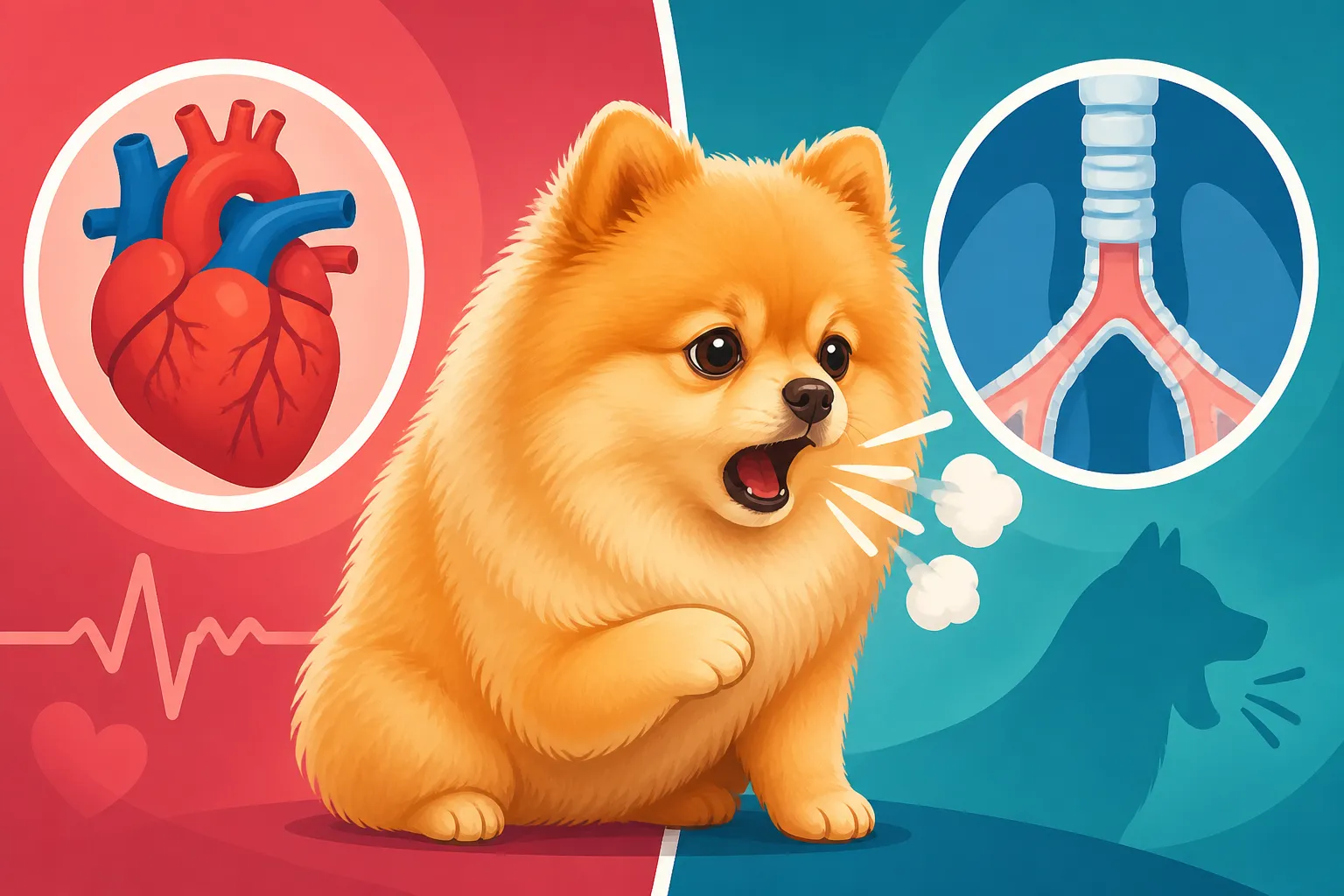
When your beloved Pomeranian starts to cough, it's natural to immediately worry. In small breeds like Poms, there are two primary culprits behind a persistent cough: a collapsing trachea or an underlying heart condition. Both can be serious, but they require very different diagnostic approaches and treatments. Understanding the fundamental mechanics of each can help you recognize the signs and prepare for discussions with your veterinarian.
The Mechanics of a Collapsing Trachea
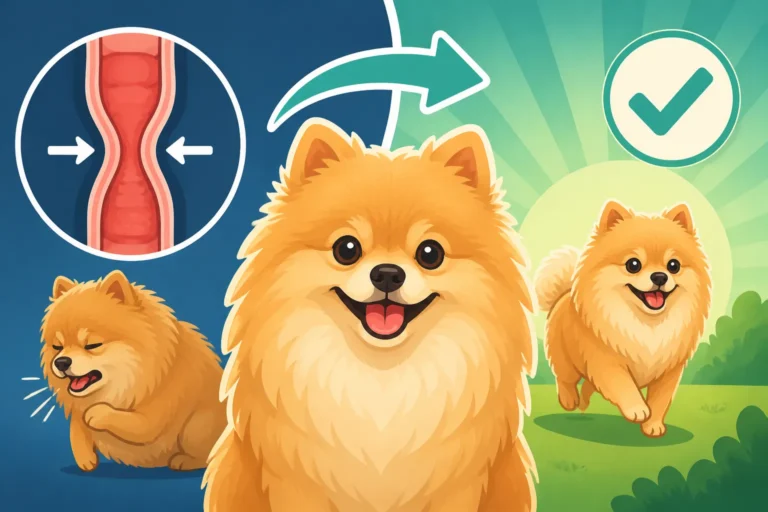
Imagine a vacuum cleaner hose, but made of C-shaped cartilage rings. That's essentially your Pomeranian's trachea, or windpipe. In many small breeds, including our Poms, these cartilage rings can weaken and flatten, especially in the middle section of the windpipe. When this happens, the airway narrows, making it difficult for air to pass through freely. This often leads to that distinctive, alarming cough.
The collapse can be exacerbated by various factors, such as excitement, exercise, pulling on a leash if they wear a collar, or even drinking water too quickly. Think of the sudden effort or pressure causing the already compromised windpipe to temporarily flatten more. It's a common condition, often starting later in life, and can range from mild, intermittent coughing to severe respiratory distress. Owners frequently describe the sound as a "honking" or "goose-like" cough, which is often the first and most recognizable symptom. This condition is a significant concern for many Pomeranian owners.
How Heart Disease Manifests in Small Dogs
Heart disease in Pomeranians, particularly in older individuals, often involves the mitral valve, a small flap that separates two chambers on the left side of the heart. Over time, this valve can weaken and fail to close properly, allowing blood to leak backward into the atrium. This is known as Mitral Valve Disease (MVD), and it's unfortunately common in smaller breeds.
As the condition progresses, the heart has to work harder, and fluid can begin to back up into the lungs. This accumulation of fluid, called pulmonary edema, is what directly leads to a cough. The fluid irritates the airways, triggering a cough reflex as the body tries to clear the congestion. Unlike the often abrupt sound of a tracheal collapse, a heart-related cough can often be described as softer, wetter, or deeper. If your Pomeranian is diagnosed with a heart condition, especially as a puppy, it might be related to The Heart Defect Found in Pomeranian Puppies. For older Poms, The Leaking Valve in an Older Pomeranian's Heart is a more common culprit.
Recognizing the Symptoms: How to Tell the Difference
Distinguishing between a cough caused by a collapsing trachea and one stemming from heart disease can feel like detective work, but knowing what specific symptoms to look for can provide crucial clues. While only a vet can offer a definitive diagnosis, your observations at home are invaluable.
The Distinct Sound of a Tracheal Cough
The hallmark of a collapsing trachea is a specific type of cough that is often described as a dry, harsh, paroxysmal, and distinctive "honking" or "goose-like" sound. Owners frequently report that it sounds as if their dog is trying to dislodge something from their throat. This cough tends to be triggered by certain activities or stimuli.
For instance, you might notice it when your Pomeranian gets overly excited, during or after intense playtime, after pulling on their leash (especially if they wear a collar instead of a harness), or even when they drink water too quickly. Some Poms might cough when they eat too fast, or when there's a sudden change in temperature or humidity. The cough often comes in fits, lasting for several seconds, and can sometimes be followed by a retching motion as if they are trying to vomit. That distinctive 'honking' sound is a classic sign of The Honking Cough of a Pomeranian's Collapsing Windpipe. If you observe these specific triggers and the characteristic sound, a collapsing trachea should be high on your list of suspicions.
Signs of a Heart-Related Cough
In contrast, a cough associated with heart disease, particularly congestive heart failure, often presents differently. This type of cough tends to be softer, more moist or "wet," and can sound deeper, originating more from the chest rather than the throat. It’s caused by fluid accumulating in the lungs, pressing on the airways.
You might notice this cough becoming more prevalent when your Pomeranian is resting, particularly at night, or when they are lying down. Gravity can cause fluid to settle more prominently in the lungs during these times. Unlike the sudden, explosive nature of a tracheal cough, a heart cough might be more persistent or chronic. It’s not usually triggered by excitement or activity in the same immediate way a tracheal cough is, though increased activity can worsen the underlying heart condition over time. If your Pomeranian's cough worsens when lying down, it's a strong indicator of potential heart involvement.
Other Associated Symptoms to Watch For
Beyond the cough itself, there are other signs that can help you and your vet narrow down the cause. These accompanying symptoms can provide critical context to your Pomeranian's overall health picture.
For a collapsing trachea, you might also observe exercise intolerance – your Pom may tire more easily during walks or playtime. They might also show some respiratory distress, characterized by panting or labored breathing, especially after activity. In severe cases, their gums might even appear bluish due to lack of oxygen, which is an emergency. Weight management is also key, as Whether Weight Gain Worsens a Pomeranian's Windpipe.
With heart disease, common accompanying symptoms include lethargy and reduced energy levels. Your Pom might not be as eager to play or go for walks. You might also notice a decreased appetite or unexplained weight loss, though sometimes fluid retention can mask this. Swelling in the abdomen (ascites) or legs can also occur as heart failure progresses. Labored breathing, even at rest, is a significant concern for heart patients, and their breathing rate might be noticeably faster than normal, even when they're asleep. Both conditions can also cause anxiety or restlessness as the dog struggles to breathe comfortably. It's important to know Whether a Pomeranian's Cough Is an Emergency if these additional symptoms appear.
Here's a quick comparison table to help differentiate the two:
| Symptom Feature | Collapsing Trachea | Heart Disease (Congestive Heart Failure) |
|---|---|---|
| Cough Sound | Dry, harsh, "honking," "goose-like" | Soft, wet, deeper, sometimes gurgling |
| Cough Trigger | Excitement, exercise, pulling on leash, drinking, eating too fast, temperature changes | Lying down, at night, at rest, no obvious immediate trigger; can worsen with activity over time |
| Associated Breathing | Panting, wheezing, labored breathing after activity, sometimes sudden gasps | Labored breathing (dyspnea), increased respiratory rate at rest, difficulty breathing while lying down |
| Energy Level | May have exercise intolerance, tire easily | Lethargy, reduced stamina, general weakness |
| Other Signs | Retching, gagging, blue gums (severe) | Decreased appetite, weight loss, fluid retention (swelling), restlessness, faintness |
| Typical Onset | Any age, often middle-aged to senior | Usually middle-aged to senior, though some defects from puppyhood The Heart Defect Found in Pomeranian Puppies |
The Diagnostic Process: What to Expect at the Vet
When you bring your Pomeranian to the vet for a cough, it's a journey of careful observation and diagnostic tests. Your veterinarian will systematically rule out possibilities to pinpoint the exact cause, whether it's the trachea, the heart, or something else entirely. This process is crucial because effective treatment hinges on an accurate diagnosis.
Initial Vet Visit and Physical Exam
The first step will always be a thorough physical examination. Your vet will ask you a lot of questions about your Pomeranian's history: when the cough started, what it sounds like, what triggers it, and if you've noticed any other changes in their behavior, appetite, or energy levels. This detailed history is extremely important, so try to recall as much as you can.
During the physical exam, your vet will carefully listen to your Pomeranian's heart and lungs using a stethoscope. They'll be listening for heart murmurs, abnormal lung sounds (like crackles or wheezes), and heart rhythm irregularities. They will also gently palpate (feel) your dog's throat and trachea. Sometimes, light pressure on the trachea can induce a characteristic cough in a dog with a collapsing windpipe, which can be a strong indicator. They'll also check mucous membrane color (gums) and assess overall body condition.
Imaging: X-rays and Echocardiograms
Once the initial exam is complete, imaging tests are usually the next step. These provide a visual look at your Pomeranian's internal structures, which is invaluable for diagnosis.
Chest X-rays (radiographs) are often one of the first and most useful diagnostic tools. They allow the vet to see the size and shape of your Pomeranian's heart, assess for fluid buildup in the lungs (pulmonary edema), and visualize the trachea to check for any narrowing or collapse. A good quality X-ray taken at the right phase of breathing can often confirm a tracheal collapse and give a strong indication of heart enlargement.
If X-rays suggest heart involvement, or if the vet hears a significant heart murmur, an echocardiogram (an ultrasound of the heart) will likely be recommended. This specialized test provides a detailed view of the heart's chambers, valves, and blood flow. It can precisely identify the type and severity of heart disease, such as mitral valve degeneration, and assess heart function. This is key for determining if Congestive Heart Failure in a Pomeranian is present. Healthy Paws and other pet insurance providers can be a real asset for covering the costs of these specialized diagnostics, giving you peace of mind during a stressful time.
Advanced Diagnostics: Blood Tests and Referrals
Sometimes, additional tests are needed to get a complete picture or to rule out other conditions. Blood tests, such as a complete blood count (CBC) and biochemistry profile, can assess overall organ function, check for infection or inflammation, and provide a baseline for monitoring health. Your vet might also run specific heart-related blood tests, like a B-type natriuretic peptide (BNP) test, which can help detect heart stress.
In more complex cases, or if your vet needs a specialist's opinion, they might refer you to a veterinary cardiologist for an expert evaluation of your Pomeranian's heart, or an internal medicine specialist for advanced respiratory diagnostics. These specialists have advanced training and equipment to provide the most precise diagnosis and treatment plan. For any procedures, your vet will ensure that Whether a Pomeranian Needs Pre-Anesthetic Bloodwork is done, especially if anesthesia is required for certain diagnostics or treatments.
Management and Treatment Options for Each Condition
Once your Pomeranian has a clear diagnosis, your vet will outline a treatment and management plan tailored to their specific needs. It's important to remember that for both tracheal collapse and heart disease, the goal is often to manage symptoms and improve quality of life, rather than a complete cure, although some heart conditions can be surgically corrected.
Approaches for Tracheal Collapse
Managing a collapsing trachea usually involves a multi-faceted approach. Medications are often the first line of defense. These might include cough suppressants to reduce the frequency and severity of coughing, anti-inflammatory drugs to decrease irritation and swelling in the airways, and sometimes bronchodilators to help open the airways. In some cases, sedatives might be prescribed to reduce anxiety and calm the cough reflex, especially during acute episodes. Cough Suppressants for a Pomeranian can make a big difference in comfort.
Lifestyle modifications are equally important. Switching from a collar to a harness is paramount to eliminate any pressure on the delicate windpipe. Maintaining a healthy weight is also crucial, as extra pounds put more strain on the respiratory system. Your vet might recommend a controlled exercise routine to keep your Pom active without overexertion. Environmental changes, like using a humidifier to keep the air moist and avoiding irritants like smoke or strong perfumes, can also help. For some Poms, surgical intervention, such as tracheal stenting, might be considered in severe, refractory cases, but this is typically a last resort due to the risks involved for a small dog. Many owners find success in Managing a Pomeranian's Windpipe Without Surgery.
Managing Congestive Heart Failure
Treatment for congestive heart failure focuses on reducing the fluid buildup in the lungs, improving heart function, and managing associated symptoms. This typically involves a cocktail of medications designed to support the heart and alleviate fluid retention.
Diuretics, such as furosemide, are commonly prescribed to help your Pomeranian shed excess fluid, thereby reducing pulmonary edema and making breathing easier. ACE inhibitors like enalapril or benazepril are used to relax blood vessels, which reduces the workload on the heart. Pimobendan is another powerful medication that helps the heart muscle contract more effectively and also dilates blood vessels, significantly improving heart function and quality of life for many dogs with MVD. Your vet might also prescribe other medications like spironolactone. Regular monitoring, including follow-up chest X-rays and blood tests, is essential to adjust medication dosages as needed. Knowing you have pet insurance like Healthy Paws can truly alleviate some of the stress associated with the ongoing costs of these life-saving medications and frequent vet visits.
Lifestyle Adjustments for Both Conditions
Regardless of whether your Pomeranian is battling a collapsing trachea or heart disease, certain lifestyle adjustments can significantly contribute to their comfort and well-being.
For both conditions, stress reduction is key. High excitement or anxiety can worsen coughing episodes and place extra strain on the cardiovascular system. Creating a calm, predictable environment for your Pomeranian can be very beneficial. Controlled exercise is also important; while they still need activity, avoiding overly strenuous play or long walks, especially in extreme weather, can prevent respiratory distress. For a Pomeranian, How Far a Pomeranian Can Walk in a Day is often less than you might think.
Maintaining a healthy, appropriate diet is also vital. Your vet can recommend a specific diet, particularly if your Pom has heart disease, as some formulations are designed to support cardiac health. Keeping them at an ideal weight prevents undue strain on both their respiratory and cardiovascular systems. Providing a comfortable, easily accessible sleeping area, perhaps with ramps or steps to reach furniture, can also help reduce physical exertion. For Pomeranians of a certain age, The Age a Pomeranian's Trachea Starts Collapsing or when heart issues appear, these adjustments become even more critical for a good quality of life.
Disclaimer
This article is intended for informational purposes only and does not constitute veterinary advice. Always consult with a qualified veterinarian for any health concerns or before making any decisions about your Pomeranian's medical care.