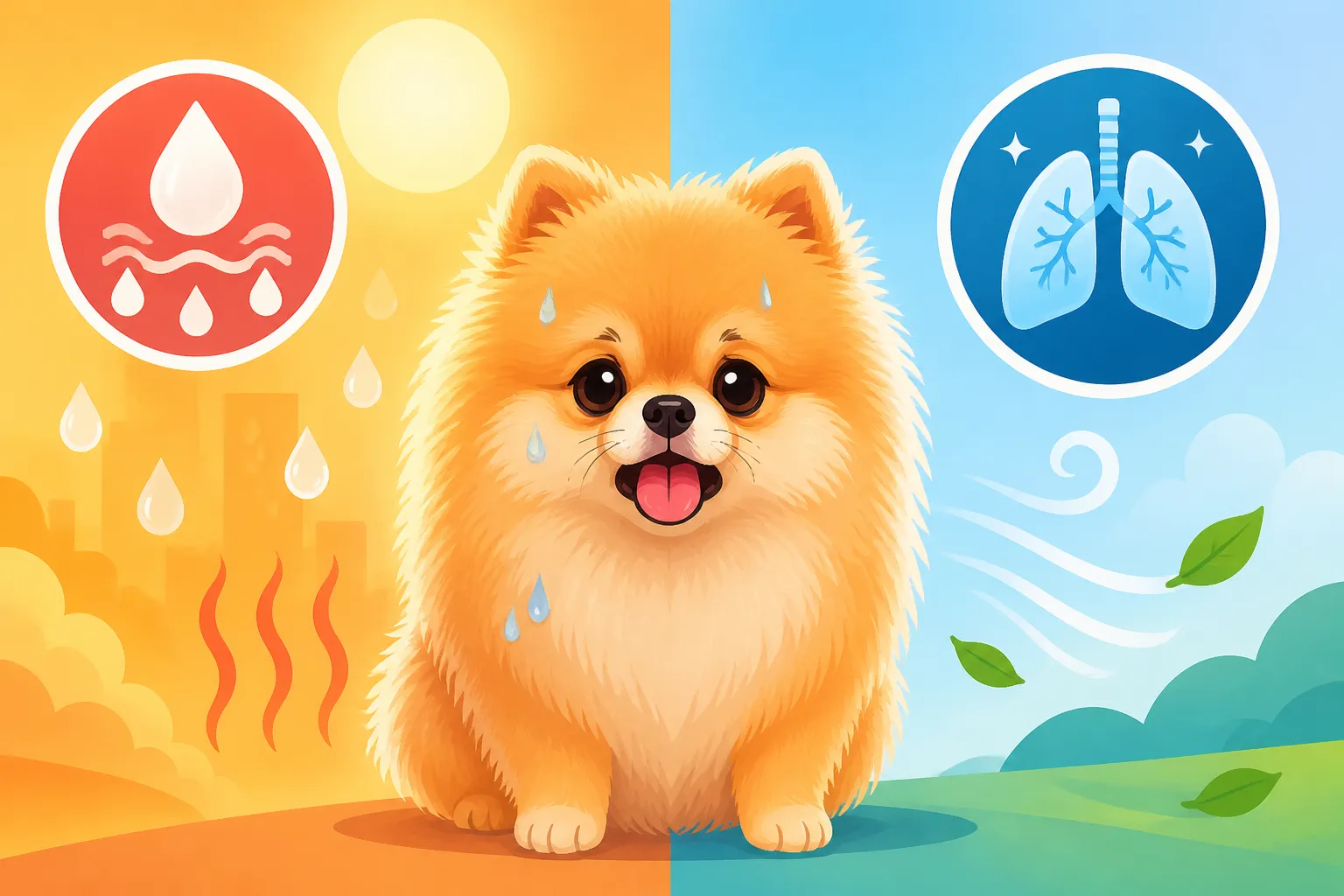
Humidity and a Pomeranian’s Breathing
If you've ever watched your sweet Pomeranian panting excessively on a muggy summer day, even when they haven't been running around, you know that heavy, humid air can be a real struggle for them. Our fluffy companions, with their unique physiology, often find breathing significantly harder when the air is thick with moisture, leading to discomfort and potentially serious health issues. This guide is here to walk you through understanding why humidity affects your Pomeranian so much and what practical steps you can take to keep them breathing easy, no matter the weather.
Understanding Why Humidity Is a Unique Challenge for Pomeranians
It's not just the heat that gets to our Poms; humidity plays a huge, often underestimated, role in their respiratory comfort. Their small size, delicate airways, and iconic double coat make them particularly vulnerable to sticky, moisture-laden air. It’s like trying to breathe through a wet blanket – it requires a lot more effort and can quickly become exhausting.
The Double Coat's Impact on Thermoregulation
Our Pomeranians are famous for their magnificent, dense double coats. This luxurious fur, with its soft undercoat and longer guard hairs, was originally bred to protect their ancestors from harsh, cold climates. It acts as incredible insulation, trapping a layer of air close to their body to keep them warm. And while this is wonderful when the temperatures drop, it becomes a significant hindrance when the humidity rises.
In a humid environment, that insulating layer of air traps not just heat, but also moisture. Dogs don't sweat like humans do; their primary way of cooling down is through panting, which evaporates moisture from their tongue and respiratory tract. However, when the air around them is already saturated with moisture, this evaporative cooling becomes far less efficient. The humidity prevents their panting from effectively drawing heat away from their bodies. This means their core temperature can rise more quickly, and their respiratory system has to work much harder to achieve even a modest amount of cooling. It's a double whammy: their coat holds in the heat, and the humid air makes it hard for them to release it. Many owners wonder Whether a Double Coated Pomeranian Copes With Heat, and the answer becomes a resounding "not easily" when humidity is high.
Tiny Airways and Predisposed Respiratory Conditions
Beyond their insulating coat, Pomeranians possess a very compact anatomical structure. They are a toy breed, and as such, their respiratory systems are smaller and more delicate than those of larger dogs. This means they have less surface area for oxygen exchange and are already working with a more restricted pathway for air to enter and exit their lungs. Think of it like trying to breathe through a small straw versus a wide pipe; the effort is inherently greater.
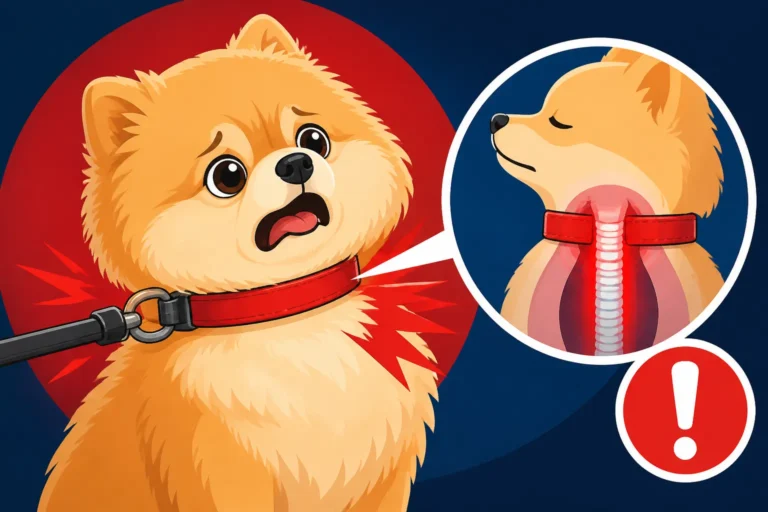
Furthermore, Pomeranians are unfortunately predisposed to certain respiratory conditions that humidity can severely exacerbate. Tracheal collapse is a common concern, a condition where the rings of cartilage that hold the windpipe open weaken and flatten, making it difficult for air to pass through. For any Pomeranian suffering from The Honking Cough of a Pomeranian's Collapsing Windpipe, humid air can feel like an invisible weight on their chest, leading to increased irritation and more frequent coughing fits. The thick air makes it harder to pull oxygen into their already compromised windpipe, increasing the strain on their entire respiratory system. Even without a diagnosed collapse, the sheer effort of breathing in humid conditions can put undue stress on these delicate structures.
Recognizing Signs of Humidity-Related Distress
Knowing the physiological reasons why humidity is tough on Pomeranians is one thing, but being able to spot the signs of distress in your own pup is absolutely critical. Our Poms are often stoic little creatures, and sometimes the early signs can be subtle. Being vigilant and understanding what to look for can make all the difference.
Subtle Early Indicators to Watch For
When humidity starts to become a problem for your Pomeranian, their body will try to compensate. These early indicators are often missed, but they are your dog's way of telling you they're struggling and need help. The most obvious sign will be an increase in panting. While some panting is normal, especially after a burst of activity, pay close attention if your Pom is panting heavily even when resting or when the activity level is low. It might be more rapid, shallower, or seem disproportionate to their exertion.
Beyond panting, you might notice changes in their behavior. They might become more restless, constantly shifting positions, unable to get comfortable. They may seek out cooler surfaces like tile floors or shaded areas, trying to escape the oppressive air. Conversely, some Poms might become unusually lethargic, showing less interest in play or their usual routines. A decreased appetite can also be an early red flag. They might seem generally "off," less sparkly than usual. It’s important to remember that these little ones have a higher normal body temperature than humans, usually between 101 and 102.5 degrees Fahrenheit, so what feels warm to us can quickly become dangerous for them when humidity is added to the mix.
Urgent Warning Signs Requiring Immediate Attention
If the early signs are missed or if the humidity becomes too intense, your Pomeranian can quickly move into a state of critical distress. These are urgent warning signs that demand immediate veterinary attention. Do not wait to see if they improve; every minute counts. One of the most alarming signs is heavy, labored breathing. This isn't just fast panting; it looks like a struggle, with exaggerated chest movements, flaring nostrils, and perhaps even their elbows sticking out from their body as they try to expand their ribcage.
You might also hear loud, unusual respiratory sounds like wheezing, gasping, or a very distinct, harsh cough. This kind of sound, often described as a "honking" cough, could indicate a severe tracheal irritation or collapse, and in humid conditions, it's a major red flag. If you hear The Sound a Pomeranian Makes When Its Trachea Collapses, combined with other distress, it's an emergency. Another critical sign is a change in the color of their gums or tongue. If they appear blue, purple, or grayish, it means your Pomeranian isn't getting enough oxygen, and this is a life-threatening emergency. Other severe signs include excessive drooling (their body attempting to cool down via evaporation), extreme lethargy, mental dullness, stumbling, weakness, or even collapsing. If you observe any of these, consider it an emergency and get to your vet without delay. Pet insurance, like a policy from Healthy Paws, can offer peace of mind when facing unexpected emergency vet visits, ensuring your focus remains on your pet's health.
Practical Steps to Manage Humidity for Your Pomeranian
The good news is that there are many proactive steps you can take to make humid weather more manageable and safer for your Pomeranian. A little planning and environmental control can go a long way in ensuring their comfort and well-being.
Environmental Control for Optimal Comfort
The most effective way to combat humidity indoors is through environmental control. Air conditioning is your best friend on humid days. Keep your home comfortably cool, typically between 70-75°F (21-24°C), but more importantly, keep the air dry. If you don't have central air or live in an area where humidity is exceptionally high, a dehumidifier can be a lifesaver. These devices actively pull moisture out of the air, making it feel lighter and making it easier for your Pom to cool themselves through panting. Aim for indoor humidity levels between 40-60% for optimal pet comfort and health.
During periods of high humidity, it's crucial to limit your Pomeranian's outdoor exposure. Avoid walks during the hottest, most humid parts of the day, typically midday to late afternoon. Early mornings or late evenings are much safer for quick potty breaks, but even then, monitor them closely. Keep them indoors in a climate-controlled environment as much as possible. If they do need to go outside, keep their time short and supervise them continuously. Remember, even short bursts of activity can be taxing when the air is thick and heavy. For those with Poms prone to respiratory issues, exploring Managing a Pomeranian's Windpipe Without Surgery often includes strict environmental management.
Hydration and Cooling Strategies
Beyond controlling the indoor environment, ensuring your Pomeranian stays well-hydrated is paramount. Always have fresh, cool water readily available. Consider adding a few ice cubes to their water bowl to keep it extra appealing. Some Poms might enjoy a pet fountain, which encourages them to drink more. During humid weather, proper hydration helps their body regulate temperature more effectively.
Additionally, invest in cooling aids. Cooling mats, which typically don't require refrigeration or electricity, can provide a nice cool spot for your Pom to lie on, helping to draw heat away from their body. A damp, cool (not ice-cold) towel gently draped over their back or belly for a few minutes can also offer temporary relief, but be careful not to make their coat soaked, as this can actually trap more moisture. Never use ice packs directly on their skin. Elevated pet beds can also help, allowing air to circulate underneath them rather than trapping heat against the floor. Avoid any strenuous exercise or prolonged play sessions when it's humid, as their tiny bodies will struggle to cool down. It’s not just about The Temperature That Is Too Hot for a Pomeranian, but how humidity magnifies that heat.
Grooming Considerations for Better Airflow
While it might seem counterintuitive to keep a full coat in hot, humid weather, it's actually vital for your Pomeranian. Their double coat provides a natural layer of insulation that protects them from both cold and heat. Shaving a Pomeranian's coat can actually do more harm than good, potentially damaging the regrowth and reducing their natural ability to regulate their temperature. Plus, it exposes their delicate skin to sunburn.
Instead of shaving, focus on regular, thorough grooming. Brushing your Pomeranian several times a week, or even daily during shedding season, helps remove loose undercoat. This allows for better air circulation closer to their skin, which aids in cooling. Pay particular attention to areas where mats can form, such as behind the ears, under the legs, and around the britches, as mats trap heat and moisture. A clean, well-maintained coat, free of tangles and excess undercoat, is their best defense against oppressive humidity. Consider how A Pomeranian's Coat in Ninety Degree Heat performs best when it's kept free of tangles and brushed out.
When to Seek Veterinary Help
Understanding when to intervene yourself and when to call in the professionals is paramount for your Pomeranian's health. While preventive measures are crucial, there are times when a veterinary consultation or emergency visit becomes absolutely necessary.
Don't Hesitate When Symptoms Worsen
If you've noticed your Pomeranian showing any of the urgent warning signs – severe labored breathing, blue gums, collapse, or prolonged lethargy – it's not a "wait and see" situation. These symptoms indicate a medical emergency where your dog's life could be at risk. Do not attempt to self-treat severe heat or humidity distress. Immediate professional help is critical. Call your vet or the nearest emergency animal hospital while you are on your way to let them know you're coming and describe your dog's symptoms. This allows them to prepare for your arrival and begin treatment without delay.
Upon arrival, the veterinary team will assess your Pomeranian's condition, check their vital signs, and initiate cooling measures if necessary. They may administer oxygen, intravenous fluids, and other treatments to stabilize your pet. Being prepared for these situations, both by knowing the signs and having a plan, is crucial. This is where a robust pet insurance plan, like one from Healthy Paws, really shines, as it can alleviate the financial stress of emergency care, allowing you to focus solely on your beloved Pom's recovery. Remember, for a small dog, even a short delay can have severe consequences. If you are ever unsure if your Pomeranian's cough or breathing issues are an emergency, err on the side of caution. Consider Whether a Pomeranian's Cough Is an Emergency always.
Discussing Underlying Conditions with Your Vet
Even if your Pomeranian hasn't reached a critical state, if you find they consistently struggle in humid weather, it's wise to have a conversation with your regular veterinarian. They can perform a thorough physical examination and potentially recommend diagnostic tests to uncover any underlying health conditions that might be exacerbated by humidity. This could include issues like The Honking Cough of a Pomeranian's Collapsing Windpipe, which is quite common in the breed, or even undiagnosed heart conditions such as The Leaking Valve in an Older Pomeranian's Heart or even Congestive Heart Failure in a Pomeranian.
Your vet can help you create a personalized management plan for humid conditions, which might include specific medications, dietary adjustments, or recommendations for lifestyle changes. For instance, if your Pomeranian is carrying a little extra weight, your vet might discuss how Whether Weight Gain Worsens a Pomeranian's Windpipe and advise on a weight loss plan, as obesity can significantly impair a dog's ability to breathe and cool down. They can also advise on safe exercise routines and specific cooling products. Proactive veterinary care is always the best approach for managing chronic conditions and ensuring your Pomeranian enjoys the best possible quality of life, even when the air gets heavy and sticky. A good insurance policy, such as those offered by Healthy Paws, can help ensure you can afford these diagnostic tests and long-term management strategies.
Humidity and Pomeranian Health Signs Summary
| Symptom Category | Mild to Moderate Humidity Stress | Severe Humidity Distress (Emergency) |
|---|---|---|
| Breathing | Increased panting, faster breathing, restlessness | Heavy, labored breathing, gasping, wheezing, noisy breaths |
| Energy Level | Mild lethargy, seeking cool spots, reduced play | Extreme lethargy, collapse, stumbling, unresponsiveness |
| Gums/Tongue | Normal pink or slightly red | Blue, purple, or grayish (lack of oxygen) |
| Saliva | Normal or slightly increased drooling | Excessive drooling, thick saliva |
| Behavior | Restlessness, seeking shade | Disorientation, seizures, unconsciousness |
Disclaimer
The information provided in this article is for general informational purposes only and is not intended as a substitute for professional veterinary advice, diagnosis, or treatment. Always seek the advice of your veterinarian or other qualified health provider with any questions you may have regarding a medical condition for your Pomeranian. Never disregard professional veterinary advice or delay in seeking it because of something you have read in this article.