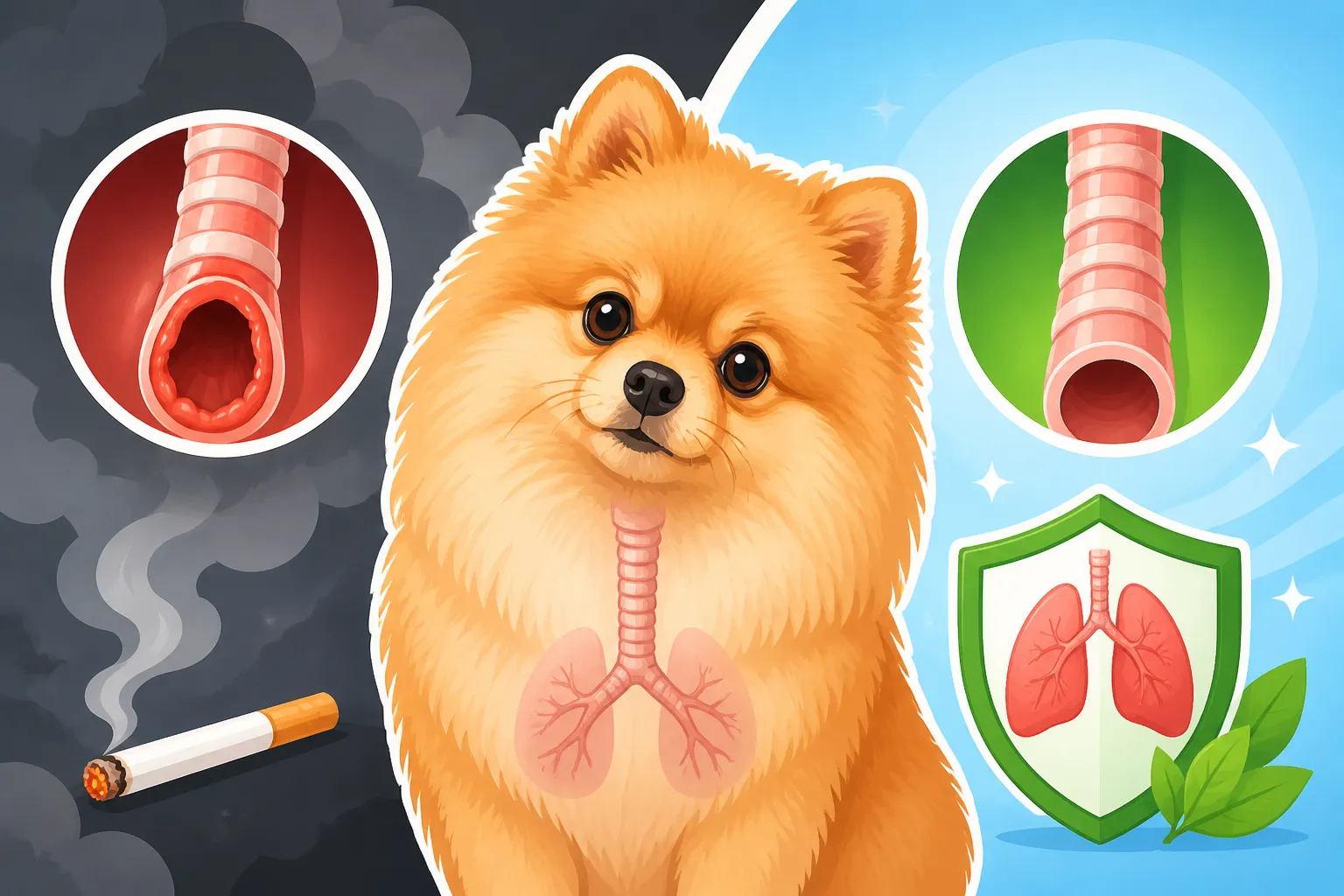
Whether Smoke Affects a Pomeranian’s Trachea
It's a heartbreaking worry for any Pomeranian parent: that little honking cough, the struggle for breath that makes your heart pound. If you live in a household where smoking happens, or even if you're exposed to wildfire smoke or seasonal allergens, you've probably wondered just how much it impacts your tiny companion's delicate windpipe. This guide will walk you through the profound ways smoke can affect your Pomeranian's trachea and what you can do to protect them.
Understanding the Pomeranian's Vulnerable Respiratory System
Pomeranians, with their spirited personalities and glorious double coats, are undeniably charming. But beneath that fluffy exterior lies a surprisingly delicate respiratory system, particularly their trachea. This isn't just a hypothetical concern; it's a very real anatomical predisposition that makes them more susceptible to environmental irritants.
Their small size means their airways are naturally narrower than those of larger breeds. This is a critical factor when considering airborne pollutants like smoke. Imagine trying to breathe through a straw in a smoky room – now imagine that straw being even narrower. That's a bit like what your Pomeranian experiences. The cartilage rings that make up their trachea, while usually strong, can be inherently weaker in toy breeds, leading to a condition known as tracheal collapse. This is where the windpipe flattens, making breathing incredibly difficult and often resulting in a characteristic "honking cough." When you add smoke to this already fragile system, you're introducing a host of irritants that can exacerbate existing conditions or even trigger new problems. The sensitive mucous membranes lining their airways are not designed to filter out the complex chemical cocktails found in various types of smoke, leading to inflammation, increased mucus production, and a compromised ability to clear debris. This constant irritation can cause chronic inflammation, making the trachea even more prone to collapse and increasing the frequency and severity of coughing fits. Even seemingly minor exposure can have a cumulative effect over time, slowly but surely damaging those precious airways.
The Harmful Impact of Different Types of Smoke
It's easy to think of smoke as just "smoke," but in reality, different sources carry unique risks for your Pomeranian. Understanding these distinctions is crucial for effective protection.
Secondhand and Thirdhand Smoke from Tobacco Products
When it comes to the immediate and long-term health of your Pomeranian, secondhand smoke from cigarettes, cigars, and pipes is arguably the most insidious. This isn't just about the visible cloud; it's about the invisible particulate matter and thousands of harmful chemicals, including nicotine, tar, carbon monoxide, formaldehyde, and ammonia. When your Pomeranian inhales this smoke, these toxins directly irritate and inflame their respiratory tract. The cilia, tiny hair-like structures that line the trachea and help sweep away foreign particles and mucus, become paralyzed or damaged by smoke. This means their natural defense mechanism against pathogens and irritants is severely compromised, making them more vulnerable to infections like bronchitis and pneumonia.
But the danger doesn't stop when the smoke clears. This is where thirdhand smoke comes into play – often overlooked, but just as hazardous, especially for a small dog like a Pomeranian. Thirdhand smoke consists of the residual chemicals and particulate matter that settle on surfaces long after a cigarette has been extinguished. These toxins cling to carpets, furniture, walls, and most importantly, your Pomeranian's fur. Because Pomeranians spend so much time close to the ground, sniffing everything, and constantly grooming themselves by licking their coats, they inadvertently ingest these harmful residues. This exposure can lead to not only respiratory problems but also skin conditions, eye irritation, and even an increased risk of certain cancers, particularly nasal and lung cancers. The concentration of these chemicals on their small bodies, proportionate to their size, can be quite significant, turning their cozy bed or your lap into a silent hazard zone. Dealing with chronic respiratory issues can be financially daunting, so having a good pet insurance plan from providers like Healthy Paws can truly offer peace of mind.
Vape and E-Cigarette Vapor Concerns
Many people believe that vaping is a safer alternative to traditional smoking, and therefore, that vape "vapor" is harmless to pets. Unfortunately, this isn't necessarily true for your Pomeranian. While e-cigarettes don't produce the same tar and carbon monoxide as combustible tobacco, the aerosols they generate are far from benign. These aerosols typically contain nicotine, propylene glycol, vegetable glycerin, and a cocktail of flavorings, some of which are known irritants or carcinogens.
Propylene glycol and vegetable glycerin, while generally recognized as safe for human ingestion, can still act as irritants when inhaled into delicate canine lungs over time. The flavorings, designed to entice humans, often contain chemicals that have not been tested for pet safety, and some, like diacetyl (found in buttered popcorn flavor), are known to cause severe lung disease in humans. Nicotine, of course, is a potent toxin. Even low levels of exposure can cause symptoms ranging from vomiting and diarrhea to tremors and seizures. For a tiny Pomeranian, repeated exposure to nicotine in the air, or accidental ingestion of vape liquid (which can be incredibly concentrated and appealingly scented), poses a serious health risk. The fine particulate matter in vape clouds can still inflame the trachea, leading to coughing and shortness of breath, especially in a Pomeranian already predisposed to conditions like The Honking Cough of a Pomeranian's Collapsing Windpipe. Just like with secondhand smoke, these aerosols can settle on surfaces, and your Pomeranian can ingest them during grooming.
Wood Smoke, Wildfires, and Other Environmental Smoke
Beyond personal tobacco products, environmental smoke sources also present significant threats. Wood smoke from fireplaces, wood-burning stoves, or outdoor bonfires contains fine particulate matter, carbon monoxide, and various volatile organic compounds. These microscopic particles can penetrate deep into your Pomeranian's lungs, causing inflammation, reducing lung function, and worsening conditions like asthma or bronchitis. For a Pomeranian with a fragile trachea, even a pleasant evening by the fire can lead to increased coughing and respiratory distress.
Wildfire smoke is perhaps the most extreme example of environmental smoke. Depending on the size and proximity of the fires, this smoke can travel hundreds or even thousands of miles, blanketing entire regions in a thick, hazardous haze. Wildfire smoke is a complex mix of particulate matter, carbon monoxide, nitrogen oxides, and toxic chemicals from burning structures and vegetation. During wildfire season, air quality alerts become commonplace, and for good reason. For a small dog like a Pomeranian, whose respiratory system is already prone to issues, prolonged exposure to wildfire smoke can be incredibly dangerous. Symptoms can range from eye irritation and coughing to severe difficulty breathing, lethargy, and even heart problems. Even if your Pomeranian doesn't have a diagnosed tracheal issue, this type of smoke can trigger acute respiratory distress. Protecting your Pomeranian during these events might mean keeping them indoors with air purifiers running, limiting outdoor potty breaks, and avoiding any strenuous activity.
Recognizing and Addressing Smoke-Related Symptoms
It's vital for Pomeranian owners to be acutely aware of the signs that smoke might be affecting their beloved pet. Early recognition and intervention can make a world of difference in managing and potentially mitigating the damage.
Common Signs of Respiratory Irritation
The signs that smoke is bothering your Pomeranian's delicate airways can be subtle at first, often dismissed as normal "Pomeranian quirks." However, paying close attention can reveal a pattern that points directly to environmental irritants. The most common and obvious sign is a persistent cough. This isn't just a casual throat-clearing; it might be a dry, hacking cough, or even that distinct honking sound often associated with tracheal collapse. You might notice it's worse after exertion, excitement, or immediately after entering a smoky environment. Sometimes, it's a chronic, low-grade cough that just never seems to fully resolve.
Beyond coughing, keep an eye out for changes in breathing patterns. Is your Pomeranian breathing faster than usual, even at rest? Are their breaths shallow or labored? You might see their chest or abdomen working harder with each breath, a phenomenon known as "increased respiratory effort." Wheezing, a high-pitched whistling sound during breathing, is another tell-tale sign of narrowed airways. Other, less direct symptoms can include lethargy or a decrease in their usual energy levels. A Pomeranian who normally zips around the house might suddenly seem more tired, unwilling to play, or reluctant to go for walks. Smoke irritation can also manifest as watery eyes, sneezing, or nasal discharge, indicating irritation of the upper respiratory tract. If your Pomeranian starts pawing at their face or rubbing their eyes more often, it could be a sign of irritation from airborne particles. Any of these signs, especially if they are new or worsening, warrant prompt attention.
When to Seek Veterinary Care
While some mild, occasional coughing might not immediately signal an emergency, certain symptoms in your Pomeranian demand immediate veterinary attention. If your Pomeranian experiences severe, continuous coughing fits, struggles to catch their breath, or if their gums or tongue appear bluish or purplish, these are critical emergency signs indicating a lack of oxygen. Do not wait; seek emergency veterinary care immediately. These could be signs of acute tracheal collapse or severe respiratory distress.
For less acute but persistent symptoms – such as a cough that lasts more than a few days, recurrent wheezing, changes in energy, or any noticeable increase in breathing effort – a visit to your regular veterinarian is crucial. They can perform a thorough examination, listen to your Pomeranian's heart and lungs, and possibly recommend diagnostic tests. These might include chest X-rays to visualize the trachea and lungs, or even a fluoroscopy (a moving X-ray) to observe the trachea in real-time as your Pomeranian breathes. Blood tests can help rule out other conditions. Early diagnosis is key because it allows for the implementation of management strategies before the condition progresses further. Your vet might prescribe medications such as cough suppressants to ease discomfort, bronchodilators to open airways, or anti-inflammatory drugs to reduce swelling. In severe cases of tracheal collapse, surgery might even be an option, though it comes with its own considerations and risks, especially given the delicate nature of Pomeranians. These situations can generate significant unexpected costs, which is why many owners find that a good pet insurance plan from providers like Healthy Paws can be incredibly helpful in covering these expenses. From diagnostic tests to ongoing medication, the costs can add up quickly, making pet insurance a crucial consideration.
Creating a Safer, Smoke-Free Environment
The best defense against smoke-related respiratory issues for your Pomeranian is prevention. Eliminating or drastically reducing their exposure to all forms of smoke is paramount to their long-term health and comfort.
Establishing a Smoke-Free Home and Habits
The most direct and impactful action you can take is to make your home a completely smoke-free zone. This means no smoking of any kind – cigarettes, cigars, pipes, or e-cigarettes – inside the house, attached garages, or even near open windows or doors where smoke could drift in. If someone in the household smokes, encourage them to do so strictly outdoors and away from entrances. Even then, residual smoke particles can cling to clothing and hair, so ask them to change clothes and wash their hands before interacting closely with your Pomeranian.
For those who use e-cigarettes, remember that "vapor" is not harmless. While it might smell less offensive, the particulate matter and chemicals still pose a risk to your Pomeranian's tiny lungs. Applying the same outdoor-only rule to vaping is a critical step. Beyond immediate exposure, it's also important to consider thirdhand smoke. Regularly clean surfaces, wash bedding, and vacuum carpets to remove residual toxins. This creates a much healthier environment, especially for a Pomeranian who spends so much time low to the ground and grooming their fur. This long-term commitment is where the support of a pet insurance provider, such as Healthy Paws, can be invaluable.
Utilizing Air Purification Systems
Since eliminating all airborne irritants can be challenging, particularly with environmental factors like pollen or wildfire smoke, investing in a high-quality air purification system is a wise move. Look for units that feature true HEPA filters, which are capable of capturing fine particulate matter, including smoke particles, pet dander, and pollen, down to 0.3 microns. Additionally, activated carbon filters are excellent at absorbing gases and odors, which can include the volatile organic compounds found in smoke.
Place air purifiers in the rooms where your Pomeranian spends the most time. For example, a unit in the living room and another in the bedroom can significantly improve air quality in their primary resting areas. Remember that air purifiers need regular maintenance, which means changing filters as recommended by the manufacturer. A clogged filter won't work effectively. During periods of poor outdoor air quality, such as wildfire season or high pollution days, keeping windows closed and running your air purifier continuously can offer a crucial layer of protection for your Pomeranian's sensitive respiratory system. This can go a long way in managing a Pomeranian's windpipe without surgery.
Regular Grooming and Environmental Cleaning
The Pomeranian's magnificent double coat, while beautiful, can unfortunately act as a magnet for airborne particles, including smoke. This makes regular grooming an essential part of protecting their respiratory health, especially from thirdhand smoke. Aim for weekly brushing sessions using a slicker brush and a metal comb to work through their dense undercoat and remove any trapped debris. A thorough brush-out not only keeps their coat healthy but also helps dislodge particles that have settled on their fur. You might be surprised at how much dust and fine particulate matter can accumulate. For deeper cleaning, regular baths with a gentle, pet-specific shampoo can wash away residual smoke chemicals from their coat. How Rarely a Pomeranian's Coat Should Be Washed is a balance, but during periods of heavy smoke exposure, you might consider bathing them a bit more frequently.
Beyond personal grooming, maintaining a clean home environment is paramount. Regularly vacuum carpets and upholstery, especially in areas where your Pomeranian rests, using a vacuum cleaner with a HEPA filter if possible. Wipe down hard surfaces with pet-safe cleaners. Wash all pet bedding, toys, and blankets frequently. These actions help reduce the accumulation of thirdhand smoke and other allergens that can irritate your Pomeranian's airways. Remember, their small size means they are constantly breathing in air close to the floor, where these particles tend to settle.
Long-Term Health and Preventative Measures
Protecting your Pomeranian's trachea from smoke is not a one-time effort; it's a commitment to their long-term health and well-being. Proactive steps can help ensure they live as full and healthy a life as possible.
Consistent Veterinary Check-ups and Monitoring
Even with the most diligent smoke-free environment, regular veterinary check-ups are non-negotiable for a Pomeranian, especially given their predisposition to tracheal issues. Your vet can monitor your dog's respiratory health, listen for any subtle changes in their breathing, and detect early signs of irritation or a worsening condition. These check-ups are also an opportunity to discuss any concerns you have, whether it's a new cough or a change in their energy levels.
During these visits, your vet might recommend specific preventative measures or supplements. For instance, some Pomeranians with a history of tracheal sensitivity might benefit from joint support supplements, as maintaining a healthy weight and good overall physical condition can alleviate stress on their body, including their respiratory system. They might also discuss the benefits of maintaining an optimal weight, as excess weight can put additional strain on a Pomeranian's windpipe, making breathing even more difficult. Knowing that your Pomeranian’s delicate system is prone to issues like tracheal collapse, securing a policy early with a reputable provider like Healthy Paws can prevent these conditions from being deemed pre-existing. It can certainly help cover future diagnostic tests, medications, or even surgery, should their condition unfortunately worsen over time. The causes of death recorded in Pomeranians can sometimes link back to respiratory and cardiac issues, which can be exacerbated by environmental factors.
Nutritional Support and Hydration
A strong immune system and healthy tissues are your Pomeranian's best defense against environmental challenges. Ensure your Pomeranian is on a high-quality, balanced diet appropriate for small breeds. Look for foods with good protein sources and essential fatty acids, which support overall health, including skin and coat integrity and immune function. Some owners also consider supplements like omega-3 fatty acids, which have anti-inflammatory properties, though you should always discuss any supplements with your vet first to ensure they are appropriate for your specific dog.
Hydration is equally important. Ensure your Pomeranian always has access to fresh, clean water. Good hydration helps keep the mucous membranes in their respiratory tract moist, making them more effective at trapping and clearing irritants. If your Pomeranian doesn't drink much, consider adding a little low-sodium chicken broth to their water or incorporating wet food into their diet. Proper nutrition and hydration contribute to a resilient body, better able to cope with any accidental or unavoidable smoke exposure, supporting the overall goal of giving your Pomeranian The Twelve to Sixteen Years a Pomeranian Lives.
Understanding Humidity and Respiratory Health
Maintaining optimal humidity levels in your home can also play a significant role in your Pomeranian's respiratory comfort. Air that is too dry, especially during winter months when heating systems are running, can dry out the mucous membranes in their trachea and lungs. This can make them more susceptible to irritation from any airborne particles, including smoke, and can worsen existing conditions like tracheal collapse.
Conversely, air that is too humid can encourage the growth of mold and mildew, which are themselves respiratory irritants and allergens. Aim for a moderate humidity level, typically between 40-60%. You can monitor this with a simple hygrometer. If your home is consistently dry, a humidifier can add moisture to the air, helping to soothe and protect your Pomeranian's airways. Just remember to clean humidifiers regularly to prevent bacterial or mold growth. Keeping humidity in check, alongside a smoke-free environment, can significantly improve your Pomeranian's quality of life and reduce the frequency of coughing episodes. For more on this, you might explore Humidity and a Pomeranian's Breathing.
| Smoke Type | Primary Source | Key Irritants/Toxins | Direct Tracheal Impact | Long-Term Risks for Pomeranians |
|---|---|---|---|---|
| Secondhand Smoke | Cigarettes, cigars, pipes | Nicotine, tar, carbon monoxide, formaldehyde | Direct airway inflammation, cilia damage, increased mucus | Chronic bronchitis, asthma, nasal/lung cancer, exacerbates collapse |
| Thirdhand Smoke | Settled residue from tobacco | Nicotine, heavy metals, carcinogens (on surfaces/fur) | Ingestion via grooming, indirect respiratory irritation | Increased cancer risk (especially oral/nasal), skin conditions |
| Vape/E-Cig Vapor | E-cigarettes, vape pens | Propylene glycol, vegetable glycerin, nicotine, flavorings | Airway irritation, particulate matter deposition | Lung inflammation, nicotine toxicity (ingestion risk), unknown long-term effects |
| Wood Smoke | Fireplaces, bonfires, stoves | Particulate matter, carbon monoxide, VOCs | Airway irritation, reduced lung function, coughing | Chronic bronchitis, respiratory infections |
| Wildfire Smoke | Forest fires, burning regions | High particulate matter, CO, nitrogen oxides, toxic chemicals | Severe acute respiratory distress, lung damage | Acute lung injury, heart issues, chronic respiratory conditions |
Disclaimer
The information provided in this article is for general informational purposes only and is not a substitute for professional veterinary advice. Always consult with a qualified veterinarian for any health concerns or before making any decisions related to your Pomeranian's care.