Telling a Pomeranian’s Trachea From Kennel Cough
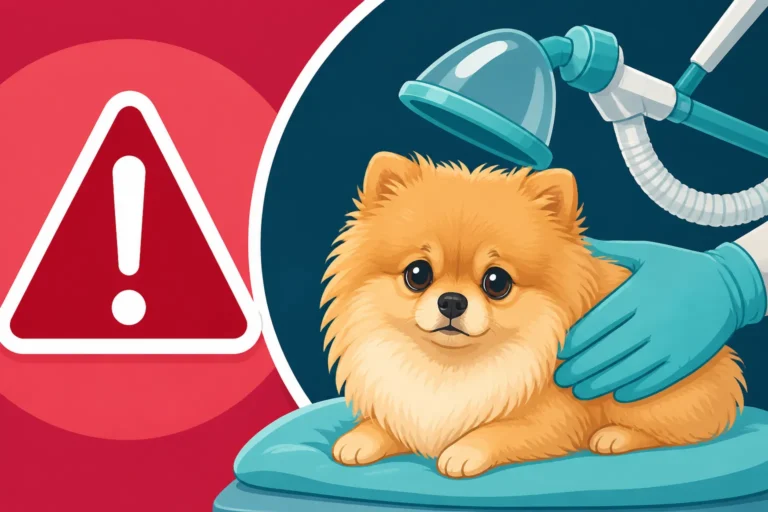
Few things are as alarming to a Pomeranian parent as that sudden, harsh, honking cough that sounds like your little fluffball is trying to clear something serious from their throat. It's utterly terrifying, and in that moment of panic, it's easy to jump to the worst conclusions. Is it something relatively benign like kennel cough, or are we looking at the much more serious and often chronic issue of tracheal collapse? This guide is here to walk you through the distinct signs and symptoms of each, help you understand the underlying causes, and empower you with the knowledge to react appropriately and seek the right veterinary care for your beloved Pom.
Understanding Tracheal Collapse in Pomeranians
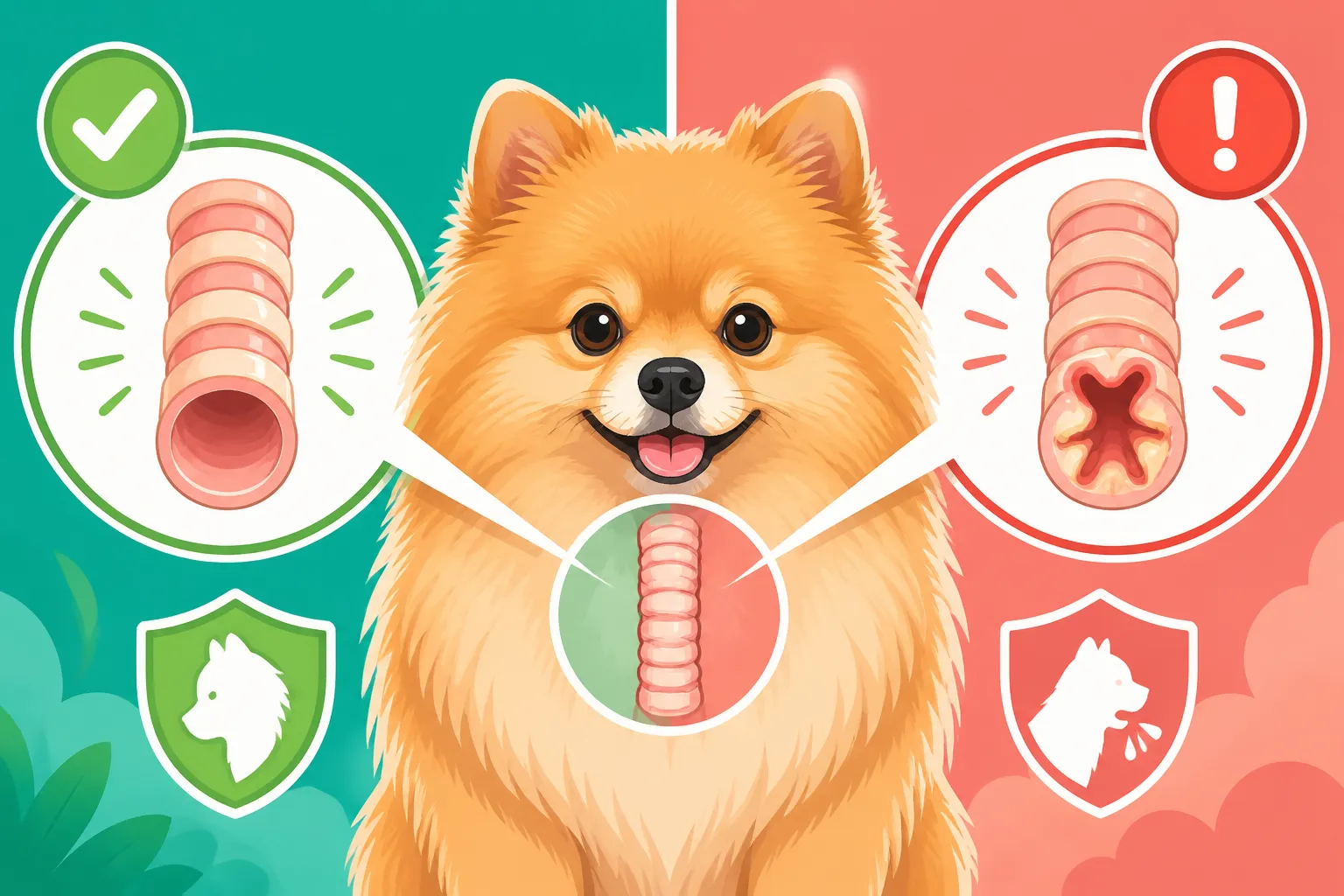
Tracheal collapse is a condition that, unfortunately, many Pomeranian owners become all too familiar with. It’s a progressive respiratory issue where the rings of cartilage that support the windpipe (trachea) weaken and flatten, making it difficult for air to pass through to the lungs. It's not just a little cough; it can be quite distressing for both the dog and the owner to witness.
The Mechanics of a Collapsing Windpipe
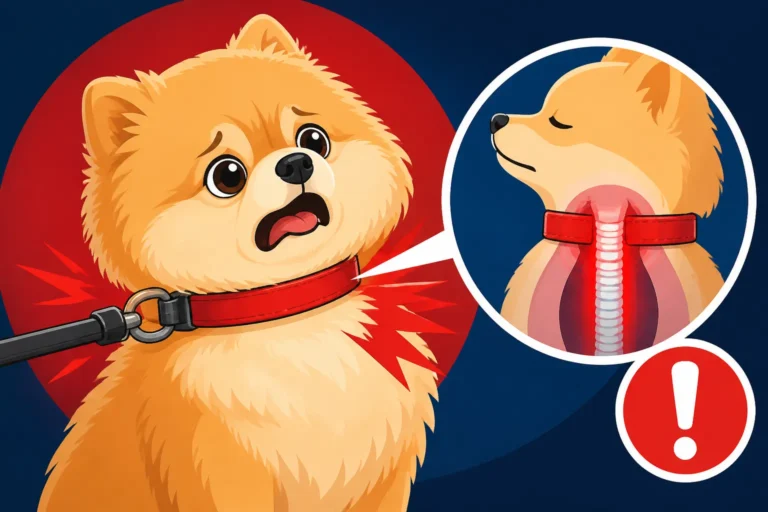
Imagine your Pomeranian's windpipe like a vacuum cleaner hose, reinforced with sturdy rings to keep it open. Now, imagine those rings becoming soft and losing their rigidity. When your Pom breathes in, especially with excitement or exertion, the pressure difference causes the weakened sections of the trachea to flatten or "collapse." This partial obstruction makes it incredibly hard for air to move freely, leading to a distinct set of symptoms. While it can occur anywhere along the trachea, it’s most commonly seen in the cervical (neck) region or the intrathoracic (chest) region.
The severity can range from mild, intermittent coughing to severe respiratory distress that requires immediate emergency care. It’s a structural problem that doesn't just go away, often worsening over time, particularly if not managed properly. Understanding the intricacies of this condition is crucial, and you can learn more about it in our detailed article on The Honking Cough of a Pomeranian's Collapsing Windpipe.
Common Symptoms and Onset
The hallmark symptom of tracheal collapse is a dry, harsh, goose-like honking cough. It often sounds like your Pomeranian is trying to clear something stuck in their throat, and it can be quite startling. This cough is frequently triggered by excitement, exercise, drinking water, eating, or even simply pulling on a collar. Think about that moment your Pom spots the mail carrier or hears the doorbell – that sudden burst of barking and excitement can easily set off an episode.
Beyond the cough, you might notice other signs, especially as the condition progresses. Your Pomeranian might seem less energetic, more reluctant to exercise, or even struggle to breathe after minimal exertion. Some Poms might show a bluish tint to their gums or tongue (cyanosis) during severe episodes due to lack of oxygen, which is an emergency. The condition typically manifests in middle-aged to older dogs, though it can appear earlier. It's a frustrating reality for many, and unfortunately, it's a concern that pet insurance providers like Healthy Paws often see claims for, highlighting its prevalence.
Why Pomeranians Are Particularly Susceptible
Pomeranians, along with other toy breeds like Chihuahuas, Yorkshire Terriers, and Poodles, are genetically predisposed to tracheal collapse. Their small stature and the inherent weakness in their tracheal cartilage make them prime candidates for this condition. It's believed to be a congenital defect, meaning they are born with a predisposition, even if symptoms don't show up until later in life.
Factors like obesity can significantly exacerbate the issue because extra weight puts more pressure on the trachea and surrounding organs, making breathing even harder. Environmental irritants, such as cigarette smoke or strong perfumes, can also irritate an already compromised airway, triggering more frequent and severe coughing fits. This is why careful management of their environment and weight is so important. We've delved deeper into this topic in Whether Weight Gain Worsens a Pomeranian's Windpipe.
Recognizing Kennel Cough in Pomeranians
On the other end of the spectrum is kennel cough, also known as canine infectious tracheobronchitis. While it can sound equally alarming, it's generally a less severe, self-limiting condition, much like a common cold in humans. However, it's still uncomfortable for your Pomeranian and requires attention.
The Infectious Nature of Kennel Cough
Kennel cough is a highly contagious respiratory disease in dogs, caused by a variety of viruses and bacteria, most commonly Bordetella bronchiseptica and canine parainfluenza virus. It spreads rapidly through airborne droplets when an infected dog coughs, sneezes, or even barks. This means places where dogs congregate, such as boarding kennels, dog parks, grooming salons, or puppy classes, are hotbeds for transmission.
If your Pomeranian has recently been in a social setting with other dogs, or even just encountered an infected dog on a walk, kennel cough should be on your radar. The incubation period is typically short, usually 3 to 10 days, so symptoms tend to appear fairly quickly after exposure. While usually not life-threatening for healthy adult dogs, it can lead to more serious complications like pneumonia in puppies, senior dogs, or those with compromised immune systems.
Typical Signs and Progression
The most common symptom of kennel cough is a strong, persistent cough that sounds like a dry hack or a gag. Many owners describe it as if their dog has something stuck in their throat. This cough can be productive, meaning your dog might occasionally bring up a foamy phlegm, which is often mistaken for vomiting. Unlike the honk of tracheal collapse, the kennel cough often sounds rougher, more like a forceful "hack-hack-hack."
Other symptoms can include sneezing, a runny nose, mild fever, and a decrease in appetite or energy. Usually, a dog with kennel cough will still be fairly active and alert, though they might feel a bit under the weather. The cough can be triggered by exercise, excitement, or pressure on the throat (like from a collar – yet another reason to consider a harness for your Pom, a topic discussed in Why a Collar Threatens a Pomeranian's Windpipe). The symptoms typically last for one to three weeks, gradually improving over time.
Differentiating the Sound from Tracheal Issues
This is where things can get tricky for an untrained ear. Both conditions can produce a "honking" or "hacking" sound. However, there are nuances. A Pomeranian with tracheal collapse often has a very distinct "goose honk" that sounds mechanical or strained, almost like a dying gasp or a struggle for air. It often has a quality of being internal, deep, and coming from the windpipe itself collapsing.
Kennel cough, conversely, often sounds more like a harsh, dry "hack-hack-hack" that seems to originate higher in the throat, sometimes followed by a retching sound as if the dog is trying to clear something. It can sound more 'wet' or 'phlegmy' than the dry, sharp honk of a collapsing trachea. While tracheal collapse is often chronic and worsens with specific triggers, kennel cough is usually acute, appearing suddenly after exposure, and resolves over a few weeks with rest and supportive care. If you're struggling to pinpoint the difference, a video recording of the cough can be incredibly helpful for your veterinarian.
Key Differences and When to Seek Veterinary Help
Distinguishing between these two conditions is paramount because their underlying causes and treatments are vastly different. While both can cause a distressing cough, their implications for your Pomeranian's long-term health diverge significantly.
Symptom Comparison: Tracheal Collapse vs. Kennel Cough
To help you get a clearer picture, here's a comparative table outlining the typical characteristics of each condition:
| Feature | Tracheal Collapse | Kennel Cough |
|---|---|---|
| Type | Structural/Chronic | Infectious/Acute |
| Cough Sound | Dry, harsh, high-pitched "goose honk" | Dry, hacking, gagging, sometimes foamy phlegm |
| Triggers | Excitement, exercise, pulling on collar, drinking | Exposure to other dogs, excitement, pressure on throat |
| Onset | Gradual (often middle-aged/senior) | Sudden (3-10 days post-exposure) |
| Duration | Chronic, progressive, lifelong | Typically 1-3 weeks |
| Other Symptoms | Respiratory distress, blue gums (severe), lethargy | Sneezing, runny nose, mild fever, decreased appetite |
| Contagious | No | Highly contagious |
| Age Group | Predominantly toy breeds, middle-aged to senior | All ages, especially young, unvaccinated dogs |
It's vital to remember that this table is for general guidance. Your veterinarian is the only one who can provide an accurate diagnosis. If you're observing "The Sound a Pomeranian Makes When Its Trachea Collapses," it's crucial to consult your vet.
Diagnostic Approaches by Your Vet
When you bring your coughing Pomeranian to the vet, they'll start with a thorough physical examination, including listening to their lungs and heart. They'll also ask you detailed questions about the cough's onset, frequency, and triggers. This is where your keen observations, and even a video recording of the cough, can be invaluable.
For suspected kennel cough, the diagnosis is often based on symptoms and recent exposure history. Sometimes, if symptoms are severe or persistent, your vet might recommend a tracheal wash or culture to identify the specific pathogens involved, though this is less common.
For tracheal collapse, diagnosis usually involves more specific imaging. X-rays (radiographs) are a common first step, often taken during both inhalation and exhalation to capture the trachea at its most collapsed state. A fluoroscopy, which is a real-time X-ray, can show the trachea collapsing dynamically as your dog breathes. In some cases, an endoscopy, where a tiny camera is inserted into the trachea, might be performed to get a direct visual of the airway. These diagnostic tests are essential for confirming the condition and grading its severity, which then informs the treatment plan. Your vet might also recommend [Pre-Anesthetic Bloodwork for a Pomeranian] if sedation is required for these procedures.
Immediate Actions and Long-Term Management
If you suspect kennel cough, isolate your Pomeranian from other dogs to prevent spread. Keep them comfortable, ensure they have access to fresh water, and avoid any irritation to their throat. Your vet might prescribe cough suppressants or antibiotics if a bacterial infection is suspected. Rest and time are usually the best healers for kennel cough.
For tracheal collapse, management is more complex and often lifelong. The immediate action is to reduce triggers: use a harness instead of a collar, keep your Pom calm, and avoid strenuous exercise. For acute coughing fits, your vet might prescribe bronchodilators to open airways or cough suppressants to alleviate discomfort. In severe cases, oxygen therapy might be needed. Long-term, weight management is critical. Some Pomeranians benefit from medications to reduce inflammation and relax the airways. In very severe, life-threatening cases, surgical intervention, such as tracheal stenting, might be considered, though this is a complex and costly procedure. You can find more information on managing the condition in Managing a Pomeranian's Windpipe Without Surgery and details on Cough Suppressants for a Pomeranian.
It's important to have a financial plan for such conditions. Pet insurance, like that offered by Healthy Paws, can be a lifesaver when dealing with chronic conditions that require ongoing medication and frequent vet visits.
Proactive Care and Prevention
While tracheal collapse has a genetic component, and kennel cough is highly contagious, there are certainly steps you can take as a responsible Pomeranian owner to minimize risks and ensure their overall respiratory health.
Environmental Management for Respiratory Health
Creating a healthy environment for your Pomeranian is foundational, especially if they are prone to respiratory issues. First and foremost, eliminate airborne irritants. If you smoke, please do so far away from your Pom, ideally not even in the same house. Smoke, even secondhand, is incredibly damaging to their delicate respiratory system. Similarly, be mindful of strong perfumes, air fresheners, cleaning chemicals, and even scented candles, all of which can irritate airways and trigger coughing.
Good ventilation in your home is important. During times of high pollen or pollution, consider using an air purifier. Maintaining appropriate humidity levels can also help. Extremely dry air can dry out mucus membranes, making coughing more likely, while overly humid conditions can sometimes make breathing difficult for dogs with existing respiratory issues. It’s a fine balance. Exploring Humidity and a Pomeranian's Breathing can offer more insights.
Lifestyle Adjustments to Minimize Risk
Many aspects of a Pomeranian's daily life can be adjusted to support their respiratory health. One of the most critical is using a harness instead of a neck collar. A collar places direct pressure on the trachea, which can trigger a collapse episode in susceptible dogs or exacerbate kennel cough symptoms. A well-fitted harness distributes pressure across the chest and shoulders, away from the delicate windpipe.
Weight management is another non-negotiable. An overweight Pomeranian experiences increased pressure on their chest and diaphragm, making it harder for them to breathe and significantly worsening tracheal collapse. Maintaining a healthy weight is one of the most impactful things you can do. Regular, moderate exercise is good, but avoid overexertion, especially in hot weather, or during periods of high excitement, which can trigger coughing. Short, frequent walks are often better than one long, strenuous outing. Be aware of Whether a Pomeranian's Cough Worsens in Heat.
The Role of Regular Veterinary Check-ups
Preventative care and early detection are your best allies. Regular veterinary check-ups, even when your Pomeranian seems perfectly healthy, are crucial. Your vet can monitor their weight, listen to their heart and lungs, and discuss any subtle changes you might have noticed. These routine visits are an opportunity to catch potential issues early, before they become severe. You can find guidelines on The Checkup Schedule a Pomeranian Should Keep.
Vaccinations are also vital for preventing kennel cough. The Bordetella vaccine is highly recommended for Pomeranians who frequent dog parks, boarding facilities, or grooming salons, or who are otherwise exposed to other dogs. While it doesn't offer 100% protection against all strains of kennel cough, it significantly reduces the severity and duration of the illness if your dog does contract it. Discuss your Pomeranian's lifestyle with your vet to determine the most appropriate vaccination schedule. Many owners appreciate having the safety net of pet insurance from providers like Healthy Paws to cover unexpected illnesses, including respiratory issues, ensuring their Pom always gets the best care without financial strain.
Disclaimer
The information provided in this article is for educational purposes only and is not intended to be a substitute for professional veterinary advice, diagnosis, or treatment. Always seek the advice of your veterinarian or other qualified animal health provider with any questions you may have regarding a medical condition.