Whether a Pomeranian’s Cough Worsens in Heat
It's incredibly distressing to hear your beloved Pomeranian struggle with a cough, and even more so when it seems to worsen with the changing seasons, especially in the heat. Many Pom parents find themselves agonizing over their furry friend's breathing, wondering if the summer sun is truly making things worse. This guide is here to unravel the connection between high temperatures, humidity, and your Pomeranian's cough, offering clear explanations and practical steps to ensure their comfort and health.
Understanding Your Pomeranian's Vulnerable Windpipe
Pomeranians, with their delightful fluffy coats and spirited personalities, are unfortunately prone to certain health challenges due to their small size and specific breed characteristics. One of the most common and worrisome conditions is related to their respiratory system, particularly their windpipe.
The Delicate Nature of a Pomeranian's Trachea
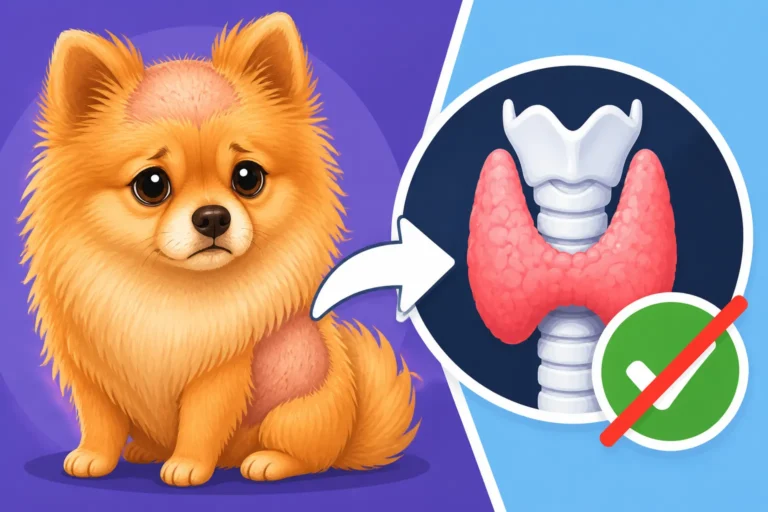
Imagine a tiny, flexible hose that carries air to your dog's lungs. That's essentially the trachea, or windpipe. In Pomeranians, this "hose" is often not as rigid as it should be. It's constructed with C-shaped cartilage rings, and in many small breeds, these rings can weaken or even flatten, leading to a condition known as tracheal collapse. Instead of staying open and round, the trachea can become narrow or even completely shut off, making it extremely difficult for air to pass through. This isn't just a minor inconvenience; it's a structural vulnerability that can significantly impact their quality of life. The problem can range from mild, intermittent coughing to severe respiratory distress, and understanding this underlying fragility is key to managing your Pom's health, particularly when considering environmental factors.
The "Honking Cough" and Its Triggers
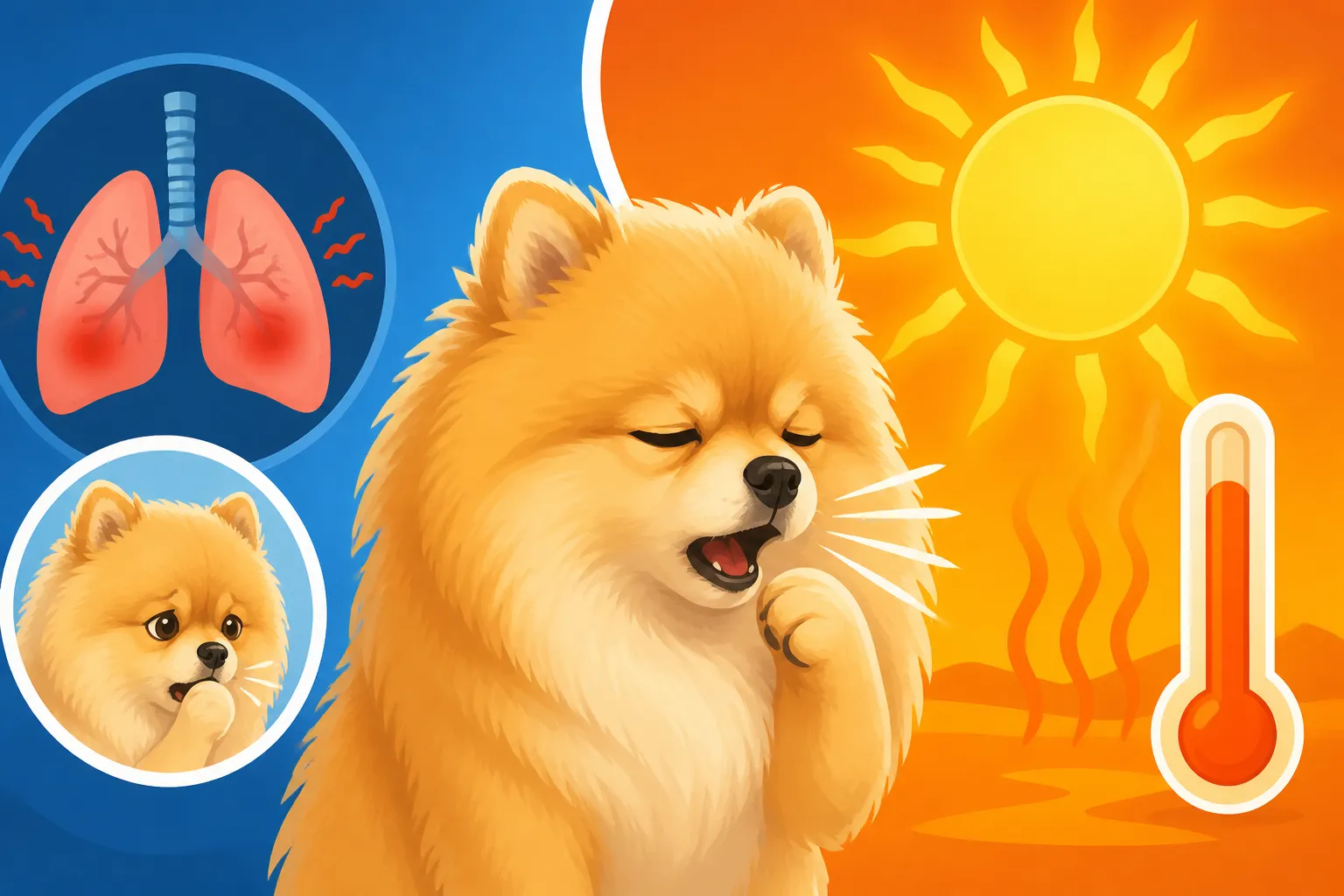
The hallmark symptom of tracheal collapse in a Pomeranian is often described as a distinctive "honking cough." It sounds a bit like a goose honking, or sometimes a dry, hacking cough followed by a retch, as if they're trying to clear something from their throat. This isn't just an occasional sneeze; it's a persistent, often alarming sound that signals trouble in the airway. Several things can trigger or worsen this cough. Excitement, drinking water too quickly, pulling on a collar (which is why a harness is always recommended for a Pomeranian's windpipe), or even just changes in air quality can set it off. But beyond these immediate triggers, environmental factors, especially those related to temperature and humidity, play a significant, often underestimated, role in how frequently and severely your Pomeranian experiences this distressing cough. If you've ever heard your dog make this sound, you know how instantly concerning it can be.
The Impact of Heat and Humidity on Respiratory Health
When the mercury rises and the air gets thick with moisture, it's not just humans who feel the strain. Our furry friends, especially those with pre-existing respiratory sensitivities like Pomeranians, can suffer immensely.
Why Hot Weather Makes Breathing Harder
Think about trying to breathe through a damp, heavy cloth. That's a bit like what it feels like for a Pomeranian with a collapsing trachea when the weather turns hot and humid. Warm air holds more moisture, making it denser and heavier. For a dog whose airway is already compromised, this denser air requires more effort to inhale and exhale. The muscles around the compromised trachea have to work harder, which can irritate the airway further and increase inflammation. This increased effort can then trigger or intensify the honking cough. Moreover, when a Pomeranian tries to cool itself through panting, it's already increasing its respiratory rate. If the air it's trying to pant with is hot and heavy, the cooling mechanism becomes less efficient, leading to a vicious cycle where the dog breathes harder, irritates its trachea more, and still struggles to cool down.
Dehydration and Mucus Production
Another hidden danger of hot weather is dehydration. Even if your Pomeranian is drinking water, the increased panting to cool down can lead to greater fluid loss. Dehydration isn't just about feeling thirsty; it can also affect the consistency of the mucus lining their airways. When a dog is adequately hydrated, mucus is thin and free-flowing, helping to trap irritants and move them out of the respiratory system. However, when dehydration sets in, this mucus can become thick and sticky, turning into a stubborn plug that further obstructs the already narrowed windpipe. This thick mucus acts as a persistent irritant, making your Pomeranian cough even more in an attempt to dislodge it. It's a compounding problem: the heat makes breathing harder, leads to dehydration, which then thickens mucus, and all of this exacerbates the underlying tracheal issue. This is why keeping an eye on how much water a Pomeranian actually drinks is crucial, especially in warmer months.
Recognizing Heat-Related Cough Aggravation
It's one thing to notice your Pom coughing, and another to understand if the heat is specifically to blame. Learning to differentiate between a typical tracheal cough and one intensified by warm weather can help you act quickly and appropriately.
Specific Symptoms to Watch For
When a Pomeranian's cough is being worsened by heat, you might observe a few specific signs that go beyond their usual "honk." First, the frequency and intensity of the cough often increase dramatically during the hottest parts of the day or after even mild exertion in warm conditions. You might notice them struggling more to catch their breath between coughs, with shallow, rapid breathing. Their gums might appear a darker pink or even slightly purplish, indicating reduced oxygen. You may also see increased drooling as they try to pant more efficiently. Look for restlessness or an inability to settle, as they instinctively try to find a cooler spot. In severe cases, they might even collapse due to lack of oxygen. Observing these changes closely is vital, because what might seem like "just a cough" can quickly escalate into a medical emergency when compounded by heat stress.
Differentiating from Other Heat Stress
While an aggravated cough is a clear sign of heat impacting a Pomeranian with a sensitive trachea, it’s important to distinguish this from full-blown heatstroke, which is a life-threatening emergency. Heatstroke symptoms often include excessive, uncontrollable panting, bright red or pale gums, glazed eyes, vomiting, diarrhea, weakness, staggering, and eventual collapse or seizures. While an intensified cough can be part of heat stress, if you see the additional systemic signs like severe weakness, persistent vomiting, or loss of coordination, you are likely dealing with heatstroke, which requires immediate veterinary intervention. With a heat-aggravated cough, the primary distress will revolve around breathing, whereas heatstroke encompasses a wider range of organ system failures. For context, here’s a quick comparison:
| Symptom | Heat-Aggravated Cough (Tracheal Collapse) | Heatstroke (Emergency) |
|---|---|---|
| Panting | Increased, labored, often with a louder or more frequent cough. | Excessive, uncontrollable, frantic panting that may not seem to cool them. |
| Coughing | Significantly increased frequency and intensity of the honking cough. | May or may not be primary; could be secondary to general distress, but not the defining symptom. |
| Energy Level | Restless, seeking cool spots, but might still have some awareness. | Weakness, lethargy, staggering, collapse, disorientation. |
| Gums | Darker pink, sometimes slightly purplish due to oxygen struggle. | Bright red, very pale, or even bluish-purple in severe cases. |
| Other Physical Signs | Increased drooling, potentially retching. | Vomiting, diarrhea (sometimes bloody), glazed eyes, seizures. |
| Urgency | Requires prompt action to cool and calm; vet visit if persistent or worsening. | Immediate veterinary emergency; life-threatening. |
If you suspect your Pomeranian is experiencing any of these severe heatstroke symptoms, do not hesitate; get to the nearest emergency vet clinic immediately. Timely intervention can be life-saving.
Practical Strategies to Keep Your Pomeranian Comfortable in Heat
Knowing that heat can aggravate your Pomeranian's cough is half the battle; the other half is implementing effective strategies to mitigate these risks. It's all about creating a cooler, more comfortable environment.
Environmental Control at Home
Your home becomes a sanctuary when the temperatures soar outside. The absolute best way to manage a Pomeranian with tracheal issues in the heat is to ensure their indoor environment is consistently cool and calm. Air conditioning is your best friend here. Set it to a comfortable temperature, ideally between 70-75°F (21-24°C). If you don't have central AC, consider portable units or window air conditioners in the rooms your Pomeranian spends the most time in.
Beyond just cooling, consider the humidity. Dehumidifiers can make a significant difference, pulling excess moisture from the air and making it easier to breathe. Even without a dedicated dehumidifier, keeping windows closed during humid periods can help, especially if you have AC running. Fans can also aid in air circulation, but remember, fans primarily cool by moving air over skin to evaporate sweat. Since dogs don't sweat like humans, fans are more about air movement than direct cooling. Still, a gentle fan can help them feel more comfortable, especially when directed at their resting spot. Always ensure they have access to shaded, cool areas, like a tile floor, or a cooling mat designed for pets. Remember, what feels comfortable to you might still be too warm for a little Pom in a dense double coat.
Hydration and Exercise Adjustments
Maintaining optimal hydration is paramount. Always have fresh, cool water readily available. Consider adding a few ice cubes to their water bowl to keep it cooler for longer, or use a pet fountain to encourage drinking. In warmer weather, it's also a good idea to encourage more frequent small sips of water rather than allowing them to gulp large amounts, which can sometimes trigger a cough due to excitement or aspiration.
Exercise routines absolutely need to be adjusted. Forget those midday walks during summer. Instead, opt for very early morning or late evening outings when the temperatures are significantly lower. Keep these walks short and focused on potty breaks. On extremely hot or humid days, it's best to skip outdoor walks altogether and engage in indoor play. Mental stimulation with puzzle toys or short, calm training sessions can replace strenuous physical exercise. Avoid any activities that involve excessive panting or excitement, which can put undue stress on their delicate windpipe. Remember, a Pomeranian can get sufficient exercise indoors through play, especially if you're mindful of their limits. You might also want to read our article, "How Far a Pomeranian Can Walk in a Day", for more insights into safe exercise levels.
Grooming and Coat Management
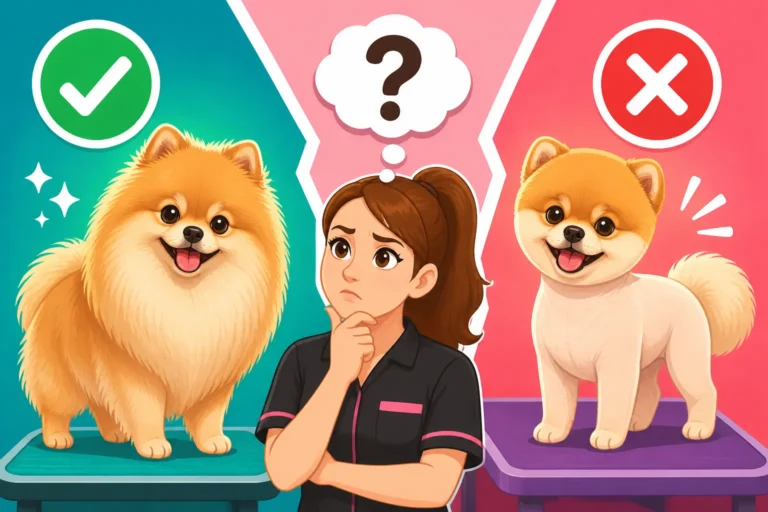
When it comes to Pomeranians and heat, there's a common misconception that shaving them will keep them cooler. This is almost never the case and can actually do more harm than good. A Pomeranian's double coat, which is so famously fluffy, actually acts as insulation, helping to regulate their body temperature. The outer guard hairs protect them from the sun's rays, and the dense undercoat helps trap a layer of air that keeps them cool in summer and warm in winter. Shaving off this protective layer exposes their delicate skin to sunburn and can disrupt their natural cooling mechanisms, potentially even leading to their coat not growing back properly, a condition often associated with "Black Skin Disease and the Pomeranian Coat That Never Returns".
Instead of shaving, focus on meticulous grooming. Regular brushing, especially with a slicker and pin brush, is key to removing loose undercoat and preventing mats. Mats can trap heat and restrict airflow, making your Pom hotter. A well-maintained, tangle-free coat allows air to circulate properly, aiding in cooling. If you’re wondering "How a Double Coated Pomeranian Handles Summer", it’s all about letting that natural insulation do its job. Some owners find a light "sanitary trim" around the rear and belly can help with hygiene and airflow without compromising the protective nature of the coat.
When to Seek Veterinary Attention
While managing your Pomeranian's environment and daily routine can go a long way in preventing heat-aggravated coughs, it's crucial to know when to escalate your concerns to a veterinarian. Sometimes, the situation can quickly move beyond home care.
Recognizing Emergency Signs
It's natural to want to comfort your dog at home, but there are clear warning signs that indicate your Pomeranian needs immediate professional medical attention. If you observe any of the following, do not delay—get to an emergency veterinary clinic right away:
- Continuous, severe honking cough: If the cough is incessant, very loud, and your dog is visibly struggling with each breath, it's an emergency.
- Difficulty breathing: This might look like extreme panting even when at rest, shallow and rapid breaths, or gasping.
- Blue or purple gums/tongue (cyanosis): This is a critical sign that your Pomeranian isn't getting enough oxygen. Their normal gum color should be a healthy bubblegum pink.
- Collapse or loss of consciousness: If your dog becomes weak, disoriented, or passes out, it's a life-threatening situation.
- Extreme lethargy or unresponsiveness: If they are usually active but suddenly can't move or respond to you.
- Repeated vomiting or severe diarrhea: Especially if combined with respiratory distress.
These symptoms mean your Pomeranian's airway is severely compromised, or they are experiencing heatstroke, and waiting could have fatal consequences. If you have pet insurance, companies like Healthy Paws can help with unexpected emergency costs, but the priority is always getting your pet seen immediately.
Long-Term Management and Prevention
Beyond immediate emergencies, living with a Pomeranian prone to tracheal collapse requires ongoing vigilance and a proactive approach to their health. Regular check-ups with your veterinarian are non-negotiable. They can help you establish a long-term management plan that might include:
- Medication: Your vet might prescribe cough suppressants, anti-inflammatories, or bronchodilators to help manage symptoms and reduce airway irritation. Knowing "Cough Suppressants for a Pomeranian" can be helpful, but always follow vet instructions.
- Weight management: Keeping your Pomeranian at a healthy weight is incredibly important, as excess weight puts additional strain on their respiratory system. "Whether Weight Gain Worsens a Pomeranian's Windpipe" is a vital topic for Pom owners.
- Avoiding irritants: This includes things like cigarette smoke, strong perfumes, and dusty environments.
- Harness use: Always use a harness instead of a collar to avoid pressure on the trachea. This is critical for preventing flare-ups.
- Environmental control: Continuing to maintain a cool, humid-controlled environment at home, especially during hot seasons.
- Surgical options: In severe cases, your vet may discuss surgical interventions, such as placing a tracheal stent, though this is usually considered a last resort. For more information on surgical outcomes, you can look into "Tracheal Collapse Surgery Outcomes in Pomeranians".
By working closely with your vet and being attentive to your Pomeranian's needs, especially regarding environmental factors like heat and humidity, you can help them lead a more comfortable and happy life despite their delicate windpipe.
Disclaimer
Please note that this article is intended for informational purposes only and does not substitute professional veterinary advice. Always consult with a qualified veterinarian for any health concerns or before making any decisions about your Pomeranian's care.