How a Double Coated Pomeranian Handles Summer
Summer can be a real worry for us Pomeranian parents, can't it? We look at those magnificent fluffy coats and immediately picture our little furballs wilting in the heat. It’s a common misconception that their double coat is a burden in warm weather, often leading owners to make choices that actually put their Poms at greater risk. This guide is here to unravel the truth about your double-coated Pomeranian and how they truly handle the summer months, ensuring they stay cool, comfortable, and safe.
Understanding the Pomeranian's Double Coat in Summer
It’s easy to look at a Pomeranian’s abundant fur and think, "Oh, they must be boiling!" But nature is far smarter than we give it credit for. That gorgeous double coat isn’t just for looks or for keeping them warm in winter; it’s a brilliant, multi-functional system designed to regulate their body temperature year-round. Understanding how it works is the first step in ensuring your Pom stays comfortable when the mercury rises.
The Insulating Power of the Undercoat
Believe it or not, your Pomeranian's dense undercoat acts much like the insulation in your home. In winter, it traps warm air close to their body, keeping them toasty. In summer, however, it works in reverse: it traps cooler air near their skin, creating a barrier against the external heat. This layer of air circulation is crucial for preventing them from overheating. It's a natural air-conditioning system, fine-tuned over generations.
Think of it like wearing a loose, breathable linen shirt in hot weather; the fabric isn't heavy, but it creates a protective layer that allows air to move between your skin and the outside elements. Similarly, your Pom's undercoat allows for a consistent flow of air, helping to wick away moisture and dissipate heat from their body. This intricate design is why their coat is so vital for their overall well-being, especially when the sun is blazing. It really is a marvel of natural engineering, keeping them comfortable through varying temperatures. If you want to delve deeper into the mechanics, read The Double Coat That Makes a Pomeranian and Why It Stays On.
Why Shaving Your Pomeranian for Summer is a Bad Idea
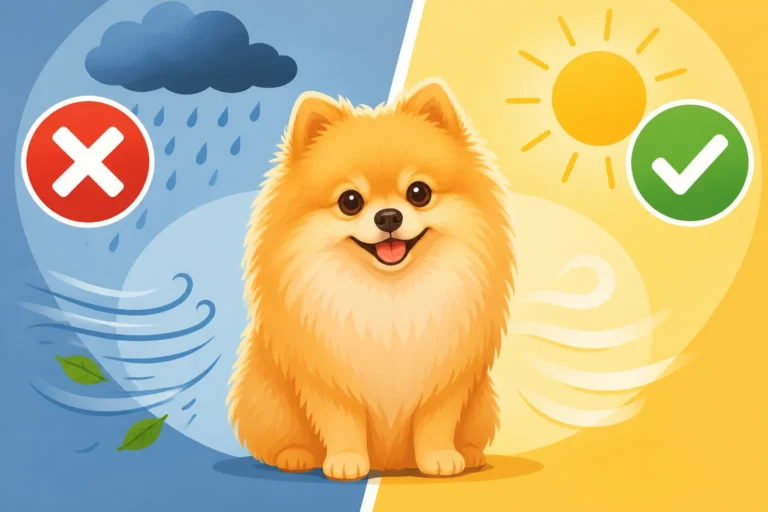
This is perhaps the biggest myth we hear: "My Pomeranian will be cooler if I shave them for summer." Please, please, resist this urge! While it might seem logical to remove all that fur, shaving a double-coated dog like a Pomeranian actually removes their natural defense mechanisms against heat. You're essentially taking away their built-in air conditioning and sunblock.
When you shave a Pomeranian, you expose their delicate skin directly to the sun's harsh rays. This can lead to painful sunburn, increased risk of skin cancer, and other dermatological issues. More critically, you disrupt the natural growth cycle of their guard hairs and undercoat, often resulting in a condition called "Post-Clipping Alopecia," where the coat either grows back unevenly, in patches, or sometimes, tragically, doesn't grow back at all. You can explore this further in Why a Shaved Pomeranian May Not Regrow.
Instead of helping them cool down, shaving can make your Pomeranian more susceptible to overheating because they lose the insulating layer that helps regulate their body temperature. It’s like removing the roof from your house in summer; you're not making it cooler, you're just exposing it to the elements. Their magnificent coat is their best friend in summer, not their enemy.
Recognizing the Early Signs of Overheating in Pomeranians
Even with their amazing natural insulation, Pomeranians can still overheat. They are small dogs, and their respiratory systems are sensitive. As their caregiver, you are their first line of defense, and knowing what to look for is absolutely critical. Early detection can mean the difference between a minor scare and a life-threatening emergency. Always err on the side of caution when you suspect your Pom might be getting too hot.
Subtle Behavioral Changes to Watch For
Sometimes, the first indications of overheating are not dramatic, but rather subtle shifts in behavior. Your typically playful Pom might become unusually quiet or lethargic, preferring to lie still rather than engage. They might seek out cooler spots more intensely than usual, perhaps gravitating towards the coolest tile in the house or trying to burrow under furniture where it's shadier.
You might also notice a slight increase in their panting. While panting is how dogs cool themselves, an uptick in frequency or intensity, even if not yet extreme, should catch your attention. If your Pomeranian seems less enthusiastic about their favorite toy, or if they're usually energetic but now seem drained after a short walk, these are all cues that their body might be struggling to manage the heat. Trust your intuition; if something feels "off" about your Pom's usual demeanor, investigate it immediately.
Physical Symptoms That Demand Immediate Attention
When subtle signs are missed, or if the heat is particularly intense, a Pomeranian can quickly progress to more alarming physical symptoms. These are red flags that require immediate intervention. Look for excessive, rapid panting that sounds labored, almost like they're struggling to catch their breath. Their tongue might appear very red, almost purplish, and their gums could look unusually bright red or even pale.
Other critical symptoms include heavy drooling, which might be thick and stringy, or vomiting and diarrhea, sometimes with blood. Your Pom might become disoriented, staggering as they walk, or even collapse. Their heart rate may be noticeably fast, and their body might feel hot to the touch. These are signs of advanced heatstroke, a veterinary emergency that demands immediate action. Do not delay in getting your Pomeranian to a cool place and contacting your vet right away.
Proactive Strategies for Keeping Your Pom Cool
The best defense against summer heat is a good offense. By implementing proactive strategies, you can significantly reduce the risk of your Pomeranian overheating. This means adjusting your daily routines, ensuring constant access to hydration, and creating a cool haven for them in your home. Small changes can make a huge difference in your Pom's comfort and safety during the warmer months.
Adjusting Exercise Routines for Hot Weather
Just like humans, Pomeranians need their exercise adjusted when temperatures soar. Forget those mid-day walks or long romps in the park when the sun is at its highest and the pavement is scorching. The safest times for outdoor activity are typically early in the morning, before the heat of the day has built up, and late in the evening, after the sun has begun to set and things have cooled down considerably. Even then, keep walks shorter and less intense.
If it's simply too hot outside, don't feel guilty about skipping the outdoor adventure altogether. Instead, channel your Pom's energy into indoor activities. Training sessions with treats, a gentle game of indoor fetch down a hallway, or engaging puzzle toys can provide mental stimulation and physical activity without the risk of heatstroke. These are excellent ways to burn off some energy when the great outdoors isn't safe. For more ideas on keeping them entertained, check out Games That Tire a Pomeranian Indoors.
Hydration is Key: Water Access and Encouragement
Consistent access to fresh, cool water is paramount in summer. Your Pomeranian should always have a bowl of water available, both indoors and outdoors if they spend any time outside. Consider placing multiple bowls around the house to make it easy for them to find a drink, and refresh the water frequently to keep it cool. Adding a few ice cubes to their water bowl can make it more appealing and help regulate its temperature.
Some Poms might need a little extra encouragement to drink enough. You can try a pet water fountain, which some dogs find more enticing due to the running water. Alternatively, offer hydrating treats like small pieces of safe, water-rich fruits (like watermelon or cucumber, in moderation) or frozen low-sodium chicken broth cubes. You can also find specialized hydration supplements and water additives on platforms like Chewy that can entice picky drinkers and ensure they're getting enough fluids. Just be sure any additions are safe for canine consumption and offered in appropriate, tiny portions.
Creating a Cool and Comfortable Indoor Environment
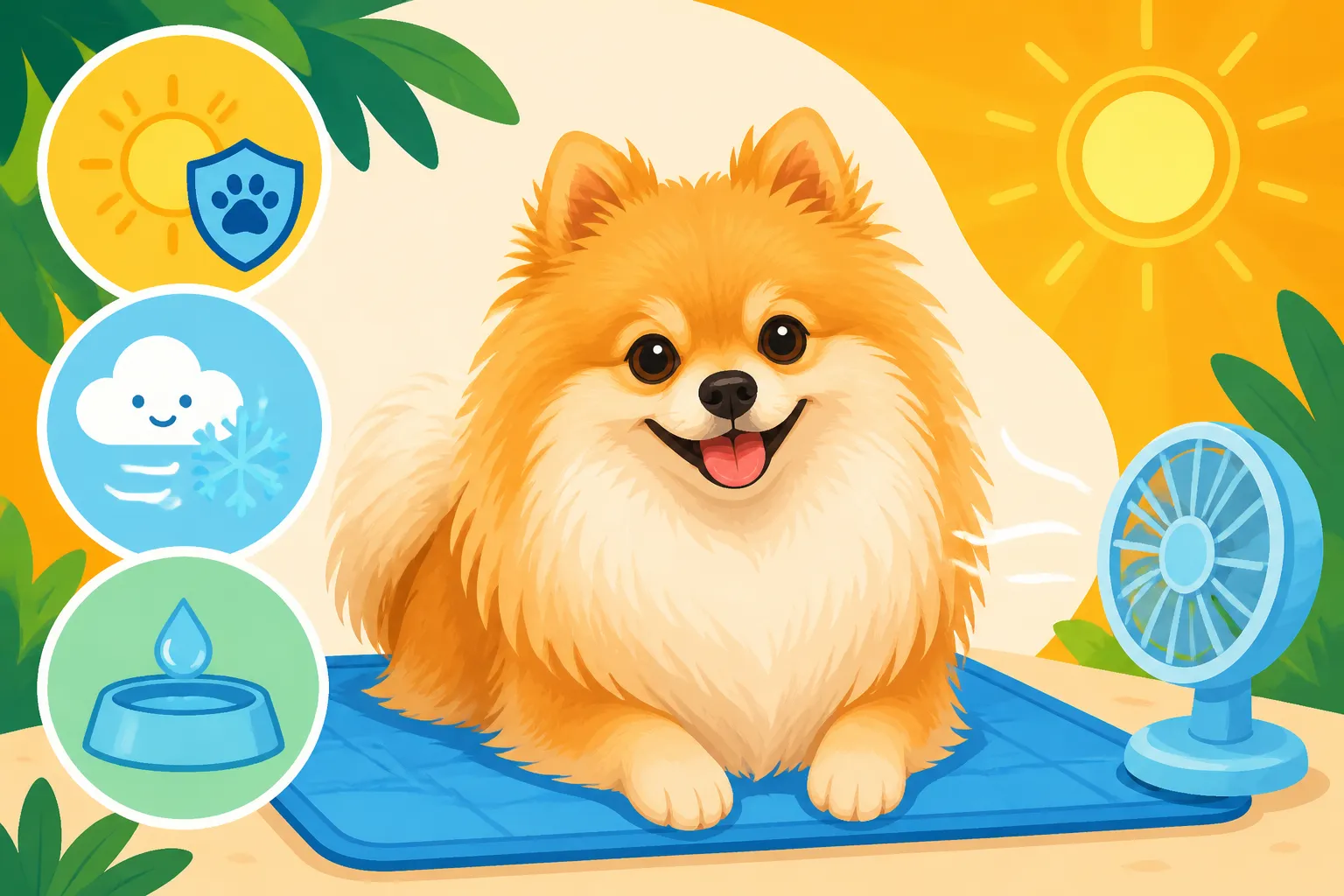
Your home should be a sanctuary from the summer heat for your Pomeranian. If you have air conditioning, keep it running at a comfortable temperature, especially during the hottest parts of the day. If AC isn't an option, strategically placed fans can help circulate air, but remember that fans primarily cool by evaporation from sweat (which dogs don't do like humans), so they are most effective when paired with other cooling methods.
Designate a cool, shaded spot in your home where your Pom can retreat. This might be a bed placed in a quiet corner away from direct sunlight, or an elevated dog bed that allows air to flow underneath, preventing heat buildup. Cooling mats, which contain gels that activate with pressure or simply stay cool, can be a fantastic option. Just ensure your Pom actually uses it and isn't just lying next to it! While tile floors might feel cool to your touch, they can actually retain heat, so don't assume they're always the best surface for your Pom to lie on.
Essential Summer Grooming for a Double Coat
Good grooming is not just about keeping your Pomeranian looking fabulous; it's a vital component of their health and comfort, especially in summer. Far from being a hindrance, their double coat, when properly maintained, is their natural defense against the heat. Neglecting their grooming routine during warmer months can actually trap heat and make them more uncomfortable and prone to overheating.
Regular Brushing to Maintain Airflow
The most crucial aspect of summer grooming for a Pomeranian is consistent, thorough brushing. Their double coat consists of longer guard hairs and a dense, fluffy undercoat. In warmer weather, the undercoat can shed quite a bit, and if this loose fur isn't removed, it can become matted and prevent air from circulating properly close to the skin. This essentially turns their natural air conditioner into a stifling blanket.
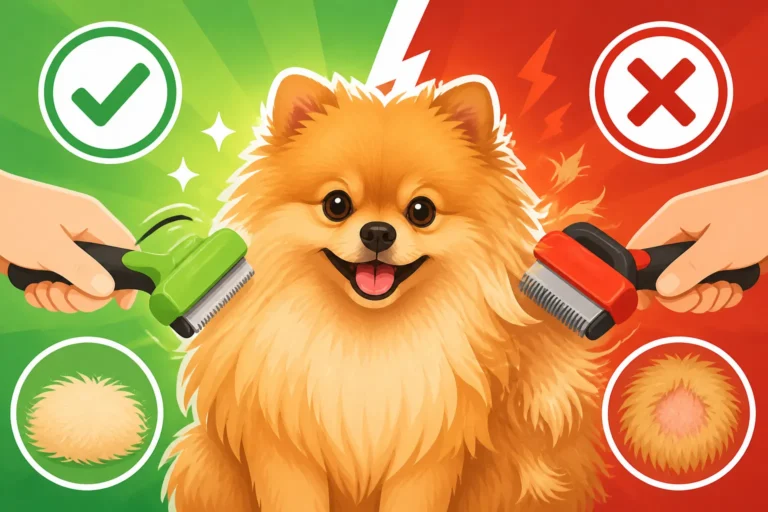
Aim to brush your Pomeranian at least 3-4 times a week, and even daily during heavy shedding periods. You'll need a good quality slicker brush and a metal comb to get down to the skin. Work in sections, gently brushing out all the loose undercoat without pulling on their skin. Focus particularly on areas prone to matting, like behind the ears, in the armpits, and around their britches. By removing the dead undercoat, you help maintain the vital airflow that keeps them cool. To learn about the right tools, read The Slicker and Pin Brush a Pomeranian Needs.
Bathing Practices for Summer Months
While regular brushing is paramount, bathing also plays a role in keeping your Pomeranian clean and comfortable. A clean coat is better able to do its job of regulating temperature. However, you don't want to over-bathe, as this can strip their coat of natural oils, leading to dry skin or other issues. Generally, bathing every 2-4 weeks, or as needed if they get particularly dirty, is sufficient.
Use a high-quality shampoo and conditioner specifically designed for dogs, ideally one that won't strip the coat or leave residue. After bathing, it's absolutely critical to dry your Pomeranian thoroughly. Trapped moisture can lead to skin infections and hot spots, which are particularly uncomfortable in warm weather. Use a cool setting on a pet dryer, fluffing the coat as you go to ensure it dries right down to the skin. Never let them air dry completely, especially in humid conditions. More tips on proper drying can be found in Drying a Pomeranian Without Damaging the Coat.
Safe Trims for Hygiene and Comfort
While we've stressed not to shave your Pomeranian, there are specific, safe trims that can enhance their comfort and hygiene during summer. These are not about removing their natural insulation but rather about keeping things tidy and preventing problems. A "sanitary trim" around their rear end can prevent fecal matter from getting trapped in the fur, which is especially important in hot, humid conditions to avoid skin irritation and infection. This is a common and helpful practice detailed in Sanitary Trimming on a Pomeranian.
Trimming the fur between their paw pads is also very beneficial. This fur can trap heat, dirt, and debris, and it can become quite matted. Keeping it short allows their paws to "breathe" better, as dogs release some heat through their paw pads. You can also tidy up any long wisps around their feet to prevent them from dragging in dirt or moisture. Always use blunt-nosed scissors or clippers designed for pet grooming and proceed with extreme caution, or better yet, have a professional groomer handle these precise trims.
Nutrition and Diet Adjustments for Summer
Summer heat can affect a Pomeranian's metabolism and activity levels, which means their diet might need some subtle adjustments. It’s not just about what they eat, but also how much, and what additional hydrating options you can safely incorporate to support their health. Just as you might eat lighter meals in summer, your Pom's nutritional needs can shift slightly too.
Calorie Needs and Metabolism in Warmer Weather
In hot weather, many Pomeranians naturally become a bit less active, preferring to conserve energy and stay cool. If your Pom's activity level decreases, their caloric needs might also slightly drop. Continuously feeding the same amount of food when they're exercising less can lead to unwelcome weight gain, which is detrimental to their health and makes them even more susceptible to heat-related issues. Taking Half a Pound Off a Pomeranian Safely might not sound like much, but for a tiny Pom, it's significant.
Pomeranians only need a very small amount of food to begin with, so any adjustment should be minimal and gradual. How Little Food an Adult Pomeranian Needs is often surprising to new owners. Keep a close eye on their weight and body condition. You should be able to feel their ribs easily without pressing hard, even with their fluffy coat. An overweight Pomeranian struggles significantly more in the heat because the extra fat acts as an additional insulating layer, making it harder for their body to cool down, and putting strain on their respiratory system. For more information on this, read Why an Overweight Pomeranian Struggles to Breathe.
Fresh Food and Hydrating Options
To boost hydration and introduce some refreshing elements into your Pom’s diet during summer, consider safely adding small amounts of fresh, water-rich vegetables or fruits. Tiny pieces of cucumber, zucchini, or seedless watermelon can be delightful, hydrating treats. Always ensure the foods are safe for dogs and offered in very small, appropriate portions to avoid stomach upset. These aren't meant to replace their regular meal but to supplement it.
If you're already feeding a fresh food diet, or considering one, brands like Ollie offer meals that naturally have a higher moisture content than dry kibble, which can be beneficial for overall hydration. This can be a great way to ensure they're getting extra fluids through their food. Just remember to introduce any new food slowly to avoid digestive upset, and always consult with your vet if you have questions about significant dietary changes.
Specialized Gear and Products for Summer Safety
Beyond adjusting routines and grooming, there's a whole world of specialized gear and products designed to help keep your Pomeranian safe and comfortable in the summer heat. These tools can provide an extra layer of protection, particularly when you need to be out and about or if your indoor environment isn't as cool as you'd like. Investing in a few key items can significantly enhance your Pom's summer experience.
Cooling Vests, Mats, and Accessories
Cooling vests and bandanas are fantastic for Poms who spend time outdoors or just need a little extra help staying cool. These typically work by holding water that evaporates, or by containing cooling gels, creating a refreshing effect on your dog's core. Look for lightweight, breathable options that fit your Pomeranian comfortably without restricting movement. Cooling mats, as mentioned before, are also excellent for indoor use, providing a cool spot for them to lie on.
When choosing these products, pay attention to size and material. For a small dog like a Pomeranian, bulky or heavy vests can be counterproductive. Prioritize materials that are non-toxic and easy to clean. You can find a vast selection of these items on online retailers like Amazon, often with detailed reviews from other small dog owners to guide your choice. Just remember that even with cooling gear, continuous monitoring for overheating is essential. Also, for more in-depth information, you can read Whether a Cooling Mat Reaches Through a Pomeranian's Coat.
Paw Protection from Hot Surfaces
One of the most overlooked dangers in summer is hot pavement. We often forget how scorching asphalt, concrete, and even sandy beaches can get under direct sun. If it's too hot for you to comfortably hold your hand on the pavement for five seconds, it's far too hot for your Pomeranian's delicate paw pads. The Pavement Temperature That Burns a Pomeranian can be surprisingly low, leading to painful burns and blisters.
Dog booties or paw protectors are a wise investment if you absolutely must walk your Pomeranian on hot surfaces. Ensure they fit well and are comfortable. Alternatively, restrict walks to grassy areas or simply carry your Pom across hot patches. Regularly check their paw pads for redness, tenderness, or cracking. Applying a paw balm before and after walks can help keep their pads moisturized and resilient.
Travel Safety in the Heat
Traveling with your Pomeranian in summer requires extra precautions. The absolute cardinal rule is: Never, ever leave your Pomeranian alone in a parked car, even for a few minutes with the windows cracked. The temperature inside a car can skyrocket to dangerous levels in a shockingly short amount of time, even on a seemingly mild day, leading to rapid heatstroke and death. It's a risk that is simply not worth taking.
When driving, ensure your car is adequately cooled with air conditioning. If your Pom travels in a carrier, make sure there's excellent ventilation and that the carrier is not in direct sunlight. Always pack an ample supply of fresh, cool water and a portable water bowl for stops. During long trips, schedule frequent breaks for your Pom to stretch their legs, drink water, and relieve themselves in a shaded area. Their comfort and safety should always be your top priority.
Emergency Measures for Heatstroke
Despite all our best efforts, sometimes accidents happen, or the heat becomes overwhelming even with precautions. Knowing what to do in a heatstroke emergency is crucial. Heatstroke is a severe and potentially fatal condition, and rapid, appropriate action can save your Pomeranian's life. Don't panic, but act swiftly and deliberately.
Immediate First Aid at Home
If you suspect your Pomeranian is suffering from heatstroke, the very first step is to get them out of the hot environment immediately. Move them into an air-conditioned room, a cool basement, or even just a shaded area with a fan. Do not try to cool them down too quickly with ice-cold water, as this can cause their blood vessels to constrict, making the problem worse, or even send them into shock.
Instead, use cool (not freezing) water. Gently apply it to their paw pads, ears, belly, and armpits – areas where large blood vessels are close to the surface. You can use soaked towels or a sponge. A fan directed at these wet areas will help with evaporative cooling. Offer small sips of cool water, but don't force them to drink. Continuously monitor their temperature and breathing as you administer these first aid steps.
When to Seek Veterinary Care
While initial cooling measures are vital, heatstroke is always a medical emergency that requires immediate veterinary attention. Even if your Pomeranian seems to be recovering, internal damage to organs like the kidneys, liver, and brain can be occurring, and these problems might not be immediately obvious. It is far better to be safe than sorry.
Call your veterinarian or the nearest emergency animal hospital as soon as you recognize symptoms of heatstroke, even while you are administering first aid. Let them know you are on your way and what symptoms you're observing. The veterinary team will be prepared to continue cooling measures, administer intravenous fluids, monitor for organ damage, and provide any necessary supportive care. Prompt professional intervention dramatically increases your Pomeranian's chances of a full recovery.
Navigating Summer with a Pomeranian: A Quick Comparison
To help clarify some common misconceptions and reinforce best practices for your Pomeranian in summer, here's a quick comparison of common myths versus facts.
| Feature / Myth | Myth (Incorrect Belief) | Fact (Correct Information) |
|---|---|---|
| Shaving the Coat | Helps them stay cooler, like humans. | Damages the double coat, hinders natural insulation, causes sunburn, and may prevent regrowth. |
| Outdoor Exercise | Pomeranians need long walks, even in heat. | Adjust exercise to early morning/late evening; opt for shorter, less intense outings or indoor play. |
| Panting | Just normal, they're enjoying themselves. | Excessive or prolonged panting, especially with other symptoms, is a critical sign of overheating. |
| Water Access | A single bowl outside is enough for the day. | Offer multiple cool water sources; refresh often; encourage drinking with ice or hydrating treats. |
| Car Safety | They're small, so they're fine in a hot car for a bit with windows down. | Pomeranians are highly susceptible to heatstroke in enclosed, hot spaces; never leave them unattended in a vehicle. |
| Grooming Frequency | Less brushing needed because they're shedding anyway. | More frequent brushing is crucial to remove dead undercoat and maintain airflow. |
Disclaimer
This article is for general informational purposes only and does not constitute professional advice. Laws, prices and regulations vary by location and change over time. Consult a qualified professional for guidance on your specific situation.