The Coat Blow and the Pomeranian Puppy Uglies
It's one of those milestones in a Pomeranian's life that catches many new owners completely off guard: the infamous "puppy uglies" and the accompanying "coat blow." One day you have this fluffy, adorable little ball of fur, and the next, you're looking at a patchy, uneven, almost scruffy creature that barely resembles the photos you cherished. This guide is here to walk you through this entirely normal, albeit sometimes alarming, stage of your Pomeranian's development, explaining what to expect and how to navigate it with confidence.
Understanding the Pomeranian Puppy Uglies and the Great Coat Blow
For many, the initial allure of a Pomeranian comes from their magnificent, cloud-like double coat. However, that iconic fluff doesn't just appear overnight; it's the result of a fascinating developmental process that includes a period affectionately, or perhaps sometimes ruefully, known as the "puppy uglies." This isn't a defect or a sign of poor health; it's a natural, universal part of growing up for most Pomeranians, leading to their glorious adult coat.
What the "Puppy Uglies" Truly Mean for Your Pom
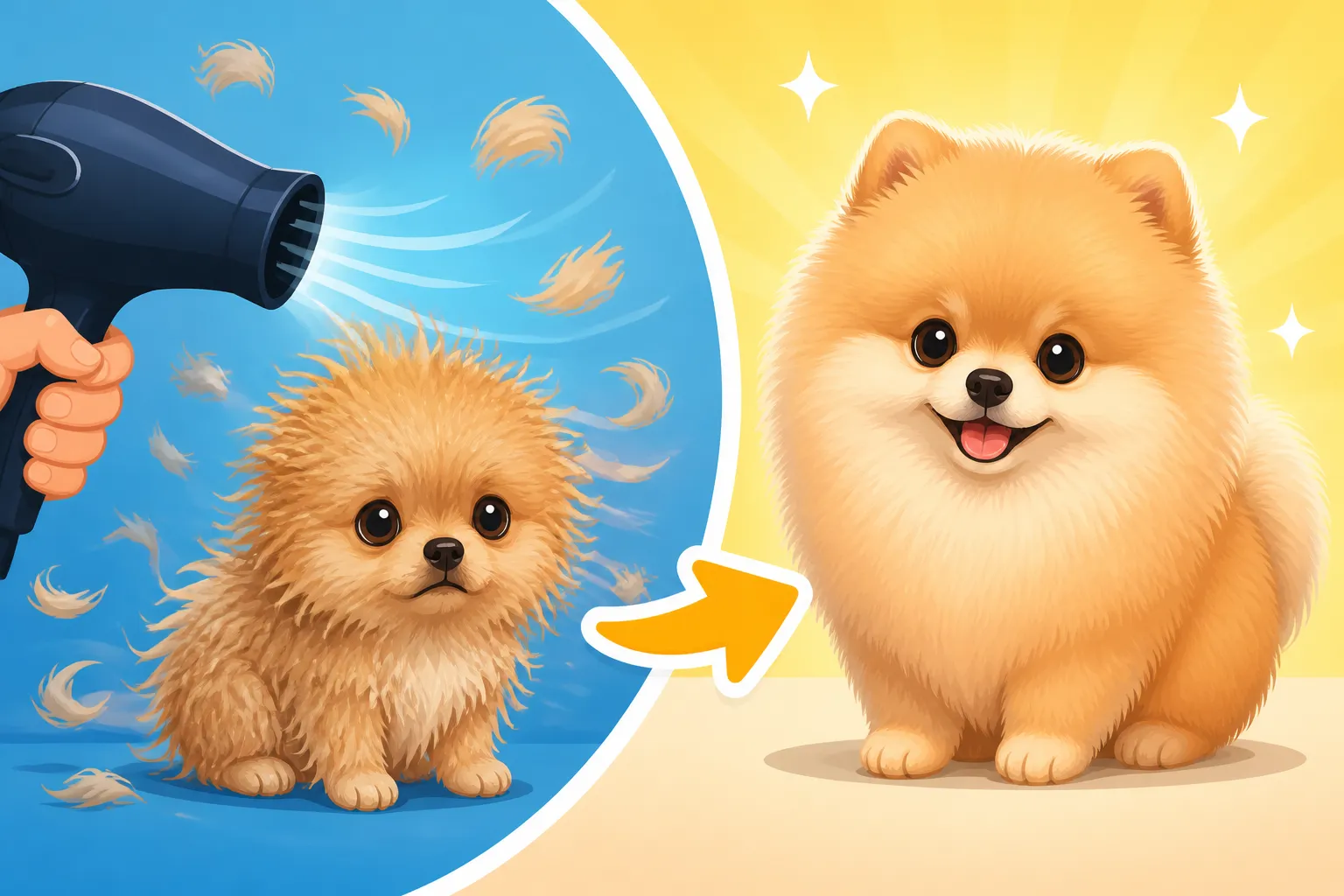
The term "puppy uglies" might sound harsh, but it's really just a way to describe the transitional phase where your Pomeranian's soft, wispy puppy coat sheds out to make way for the denser, coarser, and more vibrant adult double coat. During this period, which can span several months, their fur often looks uneven, sparse in places, and generally unkempt. Imagine a teenager going through an awkward growth spurt where their limbs seem too long for their body and their hair is doing its own thing – that's essentially what your Pomeranian is experiencing, just with their fur. You might see patches that look thinner, or areas where the new guard hairs are coming in alongside the old puppy fluff, creating a rather disheveled appearance.
The Phenomenon of the "Coat Blow" in Young Pomeranians
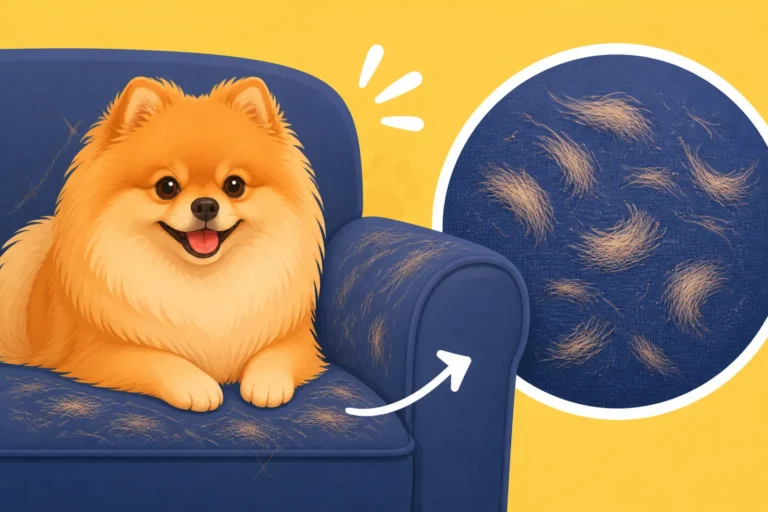
Hand-in-hand with the puppy uglies is the "coat blow." While a coat blow can also refer to the seasonal heavy shedding that adult Pomeranians experience, in puppies, it specifically denotes the comprehensive shedding of their baby fur. This isn't just a few hairs here and there; it's a significant process where large amounts of their soft puppy coat detach to allow the stronger, thicker adult hair to grow in. You'll likely find tufts of hair around the house, in their bed, and clinging to your clothes. It’s a messy, but crucial, part of their journey to becoming the fluffy adult Poms we adore. This intense shedding is necessary for the proper development of The Guard Hair and Undercoat of a Pomeranian.
Why This Stage Can Be So Shocking for New Owners
It's completely understandable why this phase can be a bit of a shock, especially for first-time Pomeranian owners. You brought home a tiny, fluffy puppy, and you've likely seen countless images of perfectly coiffed adult Pomeranians. No one really prepares you for the in-between stage. The sudden loss of that soft puppy coat can make your little one look gangly, disproportionate, and even a little sickly if you're not aware that it's a normal process. Owners often worry that something is wrong, or that their puppy isn't going to grow into the magnificent dog they envisioned. Rest assured, this is a normal part of the breed's development, and nearly every Pomeranian goes through it. It requires patience and understanding, but the reward is a truly stunning adult coat.
The Timeline of Transformation: When and How Long It Lasts
Understanding the typical timeline for the puppy uglies and coat blow can help ease your mind. While every Pomeranian is an individual, there are general age ranges when these changes tend to occur and how long you can expect them to last. It’s a journey, not a sprint, and your little one will come out the other side looking fabulous.
The Typical Age Range for Puppy Uglies to Begin
The puppy uglies usually kick off when your Pomeranian is somewhere between 4 to 6 months old. This is when you'll start noticing the first signs of the soft, wispy puppy fur giving way. Before this, they generally have a very uniform, soft, single-layer coat that doesn't really stand off the body. As they hit this mark, you'll see the texture change, the guard hairs begin to emerge, and the overall density shift. For some Poms, it might start a little earlier, for others a touch later, but that mid-puppyhood window is the most common. It’s a noticeable change, and you might even start to see new, richer colors appearing in their coat as the adult fur comes in. For example, a black puppy might start showing deep red or orange hues, or a sable puppy's dark tips might become more pronounced. You can learn more about this by reading What a Pomeranian Puppy's Coat Looks Like at Six Months.
How Long Does This Awkward Phase Really Last?
Now for the question on every owner's mind: how long will my Pom look like a scruffy little creature? The full duration of the puppy uglies can vary quite a bit, but generally, it lasts anywhere from 3 to 8 months. This means your Pomeranian could be going through significant coat changes from 4 months all the way up to 12-14 months of age. During this time, the coat will look patchy, sparse, and uneven. They might have a magnificent ruff around their neck but very little on their hindquarters, or vice versa. It’s a dynamic process, with new hair growing in as old puppy fur falls out. While it can feel like forever, try to remember it's a temporary phase, and the magnificent adult coat is well worth the wait.
Factors That Can Influence the Timing and Duration
Several factors can play a role in how quickly or slowly your Pomeranian navigates the puppy uglies. Genetics, of course, is a big one; some lines simply mature faster or slower than others. Nutrition also plays a crucial role; a puppy receiving a high-quality, balanced diet will generally have a healthier coat and might transition more smoothly than one with nutritional deficiencies. Environmental factors, such as the climate you live in, can also have a minor impact, though this is less significant than genetics or diet. Spaying or neutering can sometimes affect coat texture and growth, occasionally making the coat appear softer or fuller, though this is more often noted in adult coat blows rather than the initial puppy uglies. Stress or illness can also temporarily impede healthy coat growth, so keeping your puppy healthy and happy is always key.
The Biology Behind the Beautiful Mess
It’s easy to get caught up in the visual aspect of the puppy uglies, but understanding the biological processes at play can give you a deeper appreciation for this transformation. Your Pomeranian's coat isn't just hair; it's a complex system designed to protect and regulate their body temperature, and its development is intricately linked to their growth.
Hormonal Shifts and Coat Development
As your Pomeranian puppy matures from a young pup to a juvenile, their body undergoes significant hormonal shifts. These changes are crucial for overall growth and development, including the transition of their coat. Puppy fur is typically a single layer, soft and fine, suited for their early months. However, as they age, their body prepares for the adult double coat, which consists of a soft, dense undercoat and longer, coarser guard hairs. These guard hairs are what give the Pomeranian its characteristic "stand-off" appearance and provide crucial insulation. The hormonal signals initiate the shedding of the puppy coat and trigger the growth of these new, more robust adult hairs. It’s a natural progression, much like human teenagers experiencing growth spurts and changes in hair texture.
The Genetics of the Double Coat
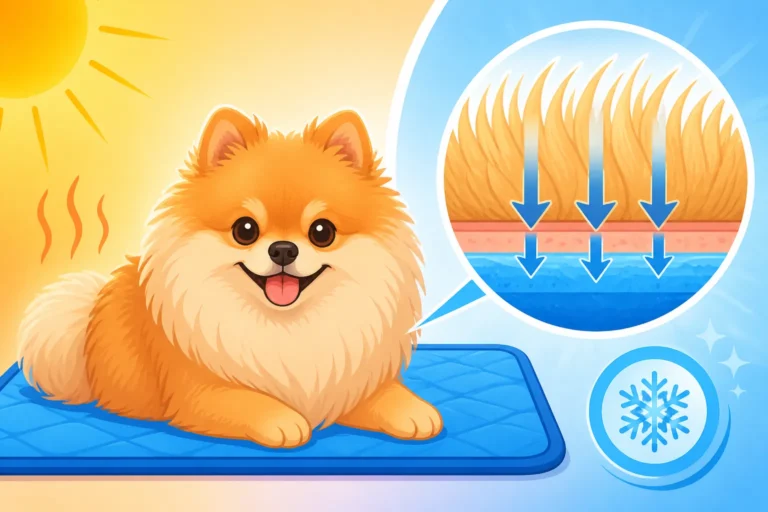
The distinctive double coat of a Pomeranian is a genetic marvel, directly inherited from its Spitz ancestors. This is How Many Layers a Pomeranian's Coat Has and why it looks so unique. They have an insulating undercoat that keeps them warm in cold weather and helps to cool them in hot weather by trapping air, and longer, stiffer outer guard hairs that protect against elements and give the coat its volume. During the puppy uglies, the genetics are essentially activating the full development of this double coat. The puppy fur, which lacks the dense undercoat and strong guard hairs of an adult, is shed to make way for the genetically programmed adult coat to fully emerge. This genetic blueprint dictates the eventual color, texture, and density of your adult Pomeranian's coat.
Why the Undercoat and Guard Hairs Change So Dramatically
The dramatic change you observe during the coat blow is precisely because the new undercoat and guard hairs are fundamentally different from the puppy fur. The puppy fur is generally uniform and lacks the individual development of these two distinct types of hair. As the adult coat grows in, you'll see the soft, woolly undercoat developing closer to the skin, providing that crucial insulating layer. Simultaneously, the stiffer, longer guard hairs push through, giving the coat its famed fluffiness and structure. These guard hairs are stronger and less prone to matting than puppy fur, and they contribute to the coat's stand-off appearance. The transition involves a complex interplay where old hair follicles shut down and new ones activate, resulting in the patchy appearance until the new growth achieves uniformity. This process typically takes place over many The Weeks a Pomeranian Blows Its Coat.
Essential Grooming Strategies During the Puppy Uglies
While the puppy uglies might make your Pom look a bit disheveled, this is precisely when dedicated grooming becomes incredibly important. Proper care during this transitional phase isn't just about managing the mess; it's about setting the foundation for a healthy, beautiful adult coat and ensuring your puppy remains comfortable.
Gentle Brushing to Manage Shedding and Prevent Mats
During the coat blow, your Pomeranian will be shedding a significant amount of hair. Regular, gentle brushing is absolutely paramount to help remove the loose puppy fur and prevent it from tangling with the emerging adult coat. Without consistent brushing, these dead hairs can quickly form painful mats, especially in areas like behind the ears, under the legs, and around the tail. Aim for daily brushing sessions, even if they're short. Use a high-quality slicker brush and a metal comb. Start with the slicker to gently detangle and lift the loose hair, working in small sections down to the skin. Follow up with the metal comb to ensure you haven't missed any knots. The key is to be gentle, making it a positive experience for your puppy. You can find excellent grooming tools on sites like Chewy or Amazon. Consistent brushing during this period is more frequent than the general guidance of How Many Times a Week a Pomeranian Is Brushed for an adult.
Bathing and Drying Techniques for a Transitional Coat
Bathing during the puppy uglies can be tricky. While it helps remove loose fur, too frequent bathing or improper drying can damage the delicate new coat and irritate the skin. Aim for baths every 3-4 weeks, or as needed if your puppy gets particularly dirty. Use a high-quality, gentle dog shampoo formulated for double coats; avoid harsh detergents. During the bath, gently work the shampoo into the coat, being careful not to rub vigorously, which can create tangles. Rinse thoroughly, ensuring no shampoo residue is left behind, as this can cause skin irritation.
Drying is crucial. Never let a Pomeranian air dry completely, as the dense undercoat can hold moisture and lead to skin issues. Towel dry gently to remove excess water, then use a forced-air pet dryer on a cool or low-heat setting. Brush the coat as you dry, again working in sections, to ensure it dries straight and fluffy, preventing waves or matting. This helps fluff out the new coat and prevents matting as it dries. Be patient, as drying a Pomeranian, even a small one, can take time.
The Importance of Never Shaving During This Period
This is a critical point that cannot be stressed enough: absolutely never shave your Pomeranian, especially during the puppy uglies. Many owners, frustrated by the patchy appearance or heavy shedding, might be tempted to shave their Pom down. However, shaving a double-coated breed like a Pomeranian can have devastating, long-term consequences for their coat health. The unique structure of their double coat, with its undercoat and guard hairs, is often permanently damaged by shaving. The guard hairs, which protect the undercoat and give the Pom its characteristic look, may not grow back correctly, or at all. This can lead to a condition called "post-clipping alopecia," where the coat grows back patchy, uneven, coarse, or in some cases, not at all, leaving your dog vulnerable to sun and temperature extremes. It’s far better to endure the temporary "uglies" than to risk permanent coat damage. To learn more, read Why a Shaved Pomeranian May Not Regrow.
Nutritional Support for a Healthy Coat Transition
Just like our own hair and skin reflect our inner health, a Pomeranian's coat is a direct indicator of their overall well-being. During the intense period of coat growth and shedding that is the puppy uglies, providing optimal nutrition is more important than ever to support the development of a strong, healthy adult coat.
Diet's Role in Coat Health and Growth
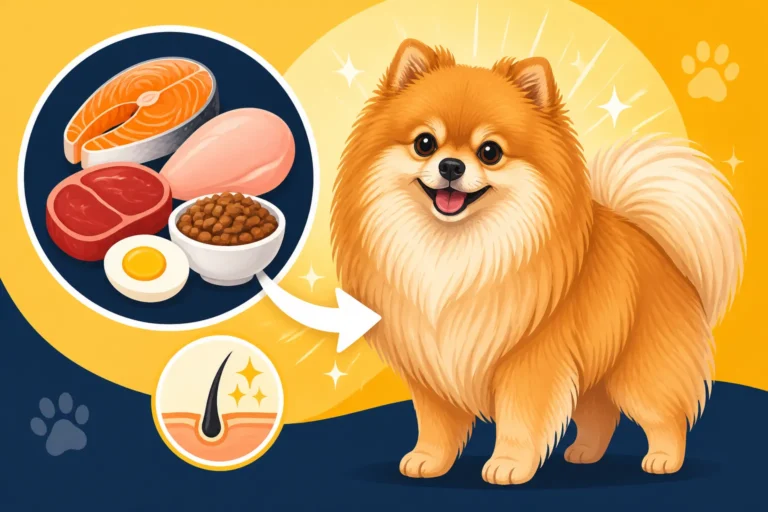
A high-quality, balanced diet forms the bedrock of a healthy coat. During the puppy uglies, your Pomeranian's body is working hard to produce thousands of new hair follicles and strands, a process that requires a significant amount of energy and specific nutrients. Look for a dog food that lists a named meat source (like chicken, lamb, or salmon) as the first ingredient. Ensure it's formulated for small breeds and puppies, as these diets are typically calorie-dense and have appropriate ratios of protein, fats, and carbohydrates to support their rapid growth and higher metabolic rate.
Proper protein levels are crucial, as hair is primarily made of protein. Healthy fats, particularly Omega-3 and Omega-6 fatty acids, are also vital for skin health and a shiny coat. Many quality brands like Ollie offer fresh, balanced meals that can be beneficial. Feeding your puppy a consistent, high-quality diet will give their body the building blocks it needs to produce that thick, luscious adult coat. You might be surprised at How Little Food an Adult Pomeranian Needs, but the quality of that food is paramount.
Supplements That Can Aid in Coat Development
While a good diet is the foundation, some supplements can provide additional support during the coat transition phase.
- Omega Fatty Acids: Fish oil (rich in EPA and DHA) is a popular choice for promoting skin and coat health. These fatty acids reduce inflammation and contribute to a healthy, shiny coat. You can often find supplements that contain a blend of Omega-3, 6, and 9. This is a common discussion point for owners, and you can delve deeper by exploring Whether a Pomeranian Needs Fish Oil for Its Coat.
- Biotin: This B-vitamin is known for its role in healthy hair and skin. While most quality dog foods contain adequate biotin, a supplement can sometimes be beneficial for dogs with poor coat quality or excessive shedding.
- Zinc: An essential trace mineral, zinc plays a role in numerous bodily functions, including immune health and skin and coat integrity. A deficiency can lead to dry skin and poor coat.
- Probiotics: A healthy gut microbiome contributes to overall health, including nutrient absorption, which indirectly supports coat quality. A probiotic supplement can help ensure your puppy's digestive system is functioning optimally.
Always consult your veterinarian before adding any supplements to your puppy's diet to ensure they are appropriate and dosed correctly for your specific Pomeranian.
Ensuring Adequate Hydration During Heavy Shedding
Hydration is often an overlooked aspect of coat health, but it's incredibly important, especially when your Pomeranian is undergoing a significant coat blow. Water is essential for cell function, including the health of hair follicles and skin. A dehydrated puppy can have dry, brittle hair and skin, which can exacerbate shedding and lead to a dull, lackluster coat.
Ensure your Pomeranian always has access to fresh, clean water. You might notice them drinking more during periods of heavy shedding. Consider using ceramic or stainless steel bowls, as plastic can sometimes harbor bacteria. If your puppy isn't a big drinker, you can try adding a splash of low-sodium chicken broth to their water, or incorporating wet food into their diet to increase their fluid intake. Proper hydration works hand-in-hand with good nutrition to support the healthy growth of that magnificent adult coat.
Emotional Well-being for Your Pomeranian and You
The puppy uglies can be a trying time, not just for your Pomeranian, but for you as their human companion. It's easy to feel frustrated by the constant shedding, the patchy appearance, and the extra grooming effort. However, maintaining a positive attitude and providing emotional support for your puppy is just as important as the physical care.
Managing Owner Expectations and Frustration
Let's be real: seeing your adorable, fluffy puppy transform into a scruffy-looking creature covered in patches of baby fuzz and emerging adult hair can be frustrating. You might worry about what people think, or even feel a pang of disappointment. It's okay to acknowledge these feelings, but it's crucial not to let them impact your interactions with your Pomeranian. Remember, this is a completely normal, natural phase. Your puppy doesn't know they're going through the "uglies," and they certainly don't need to feel your stress or disappointment. Embrace it as part of their unique journey! Focus on the positive – they're growing, developing, and soon enough, their glorious adult coat will emerge. Patience is truly a virtue during this period.
Keeping Your Pomeranian Comfortable and Confident
During the coat blow, your Pomeranian's skin might be a little more sensitive due to the intense shedding and new hair growth. Ensure grooming sessions are gentle and positive, associating brushing with treats and praise. This not only makes the process easier but also reinforces their trust in you.
Beyond physical comfort, maintain your puppy's confidence. Despite their appearance, continue to engage them in play, training, and positive reinforcement. Their confidence comes from your consistent love and attention, not from how fluffy they are at any given moment. A happy, confident puppy will sail through the uglies with much less stress than one who senses their owner's disapproval. Ensure their environment is consistent and calm, providing a secure space where they feel safe.
Socialization During a Less-Than-Photogenic Phase
Socialization is incredibly important for puppies between 3 and 16 weeks of age, but it's an ongoing process that extends well into their first year. Even if your Pomeranian isn't looking their absolute best during the puppy uglies, don't shy away from continuing their socialization experiences. They still need exposure to new sights, sounds, people, and friendly vaccinated dogs.
Focus on positive, controlled introductions. A visit to a quiet pet store (like a local pet supply store or even Chewy's retail locations if available) where they can experience new smells and friendly faces can be great. Short, positive interactions with calm, familiar people and dogs are far more beneficial than isolating them until their adult coat comes in. Their appearance is temporary, but well-rounded socialization lays the foundation for a confident, well-adjusted adult dog.
Beyond the Uglies: The Magnificent Adult Coat
The day will come, seemingly suddenly, when you realize your little Pom is no longer a patchy, awkward teenager, but a stunning adult with a magnificent, flowing coat. Understanding what comes next will help you continue to provide the best care for their lifelong health and beauty.
What to Expect from a Fully Developed Pomeranian Coat
Once your Pomeranian has navigated the puppy uglies, typically by 12-18 months of age, they will boast their full, adult double coat. This coat is characterized by its density, resilience, and "stand-off" quality, meaning the hairs literally stand out from the body. The undercoat will be soft and thick, providing insulation, while the outer guard hairs will be longer, coarser, and create that distinctive fluffy outline. The color will have fully settled, often being much richer and more defined than their puppy color. For example, a cream puppy might become a deep orange, or a light sable might darken considerably.
This adult coat is a marvel of nature, designed not just for beauty but also for protection against the elements. It provides both warmth in winter and helps to regulate body temperature in summer. You will be able to appreciate the full beauty of The Age a Pomeranian's Coat Fully Comes In.
Ongoing Grooming Needs for the Adult Double Coat
While the puppy uglies are over, the grooming journey never truly ends for a Pomeranian. Their adult double coat requires consistent care to maintain its health and prevent matting. Expect to brush your adult Pomeranian 2-3 times a week, or more frequently during seasonal shedding periods. This will help distribute natural oils, remove loose hair, and keep the coat tangle-free. A good slicker brush and a metal comb are still your best friends.
Bathing can be done every 3-4 weeks, using a quality shampoo and conditioner designed for double coats. Always ensure thorough drying with a forced-air pet dryer, brushing as you go, to prevent matting and potential skin issues. Regular sanitary trims, nail trims, and ear cleaning will also be part of their routine. If you prefer professional grooming, ensure your groomer is experienced with double-coated breeds and understands the importance of never shaving or closely clipping the coat.
Subsequent "Coat Blows" in Adult Pomeranians
The "coat blow" isn't a one-time event confined to puppyhood. Adult Pomeranians, particularly intact females after a heat cycle or whelping, and both males and females seasonally (often in spring and fall), will experience what's known as a "seasonal coat blow." During these times, they will shed a significant portion of their undercoat to adjust to changing temperatures.
These adult coat blows are typically less dramatic than the puppy uglies because the adult guard hairs are already established. However, you will notice increased shedding and a temporary reduction in coat volume. During these periods, daily brushing is highly recommended to help remove the dead undercoat and prevent matting. While these coat blows can be a bit messy, they are a normal and healthy part of maintaining a Pomeranian's magnificent coat.
When to Worry: Differentiating Normal From Concerning Coat Loss
While the puppy uglies and seasonal coat blows are completely normal, it's natural for owners to worry, especially when seeing patchy hair loss. Knowing the difference between a healthy coat transition and a potential underlying health issue is vital for your Pomeranian's well-being.
Signs That Indicate a Health Issue, Not Just Puppy Uglies
While some patchiness is normal during the puppy uglies, there are certain signs that might indicate something more concerning is going on:
- Excessive itching, scratching, or biting: Normal coat blow shouldn't cause significant discomfort. If your puppy is constantly scratching, chewing at their skin, or showing signs of irritation, it could be allergies, parasites (like fleas or mites), or a skin infection.
- Redness, inflammation, or sores on the skin: Healthy skin underneath a shedding coat should appear normal. Any signs of infection, pustules, or raw patches warrant immediate veterinary attention.
- Symmetrical hair loss that doesn't seem to be growing back: While the puppy uglies can be patchy, a pattern of symmetrical hair loss, especially without any new growth, can be indicative of hormonal imbalances or other systemic issues.
- Dull, brittle, or coarse hair that never seems to improve: If the new hair growth looks unhealthy or the coat remains consistently poor despite good nutrition and grooming, it could point to a nutritional deficiency or an underlying health problem.
- Lethargy, changes in appetite, or other systemic symptoms: If coat changes are accompanied by other signs of illness like unusual tiredness, loss of appetite, vomiting, or diarrhea, it's definitely time to see the vet.
When in doubt, always err on the side of caution and consult your veterinarian.
The Difference Between Coat Blow and Alopecia X
One of the most concerning forms of non-seasonal coat loss in Pomeranians is Alopecia X, often referred to as Black Skin Disease. This condition is distinct from a normal coat blow or puppy uglies. Alopecia X is a genetic, often hormonally-related, condition characterized by progressive hair loss, typically starting on the hindquarters, tail, and body, eventually leading to completely bald patches with darkened, sometimes leathery, skin. The hair loss is usually symmetrical.
Unlike the puppy uglies where new, albeit awkward, hair is continually growing in, with Alopecia X, the hair simply stops growing, and the skin often hyperpigments (darkens). It usually appears in young adult dogs, but can manifest at any age. While the exact cause isn't always clear and diagnosis can be challenging, it is not simply "shedding" or a "coat blow." If you notice persistent, non-itchy hair loss with skin darkening that isn't resolving, especially after the puppy uglies phase should be well over, your vet might explore options for Black Skin Disease and the Pomeranian Coat That Never Returns.
Consulting Your Veterinarian for Abnormal Coat Changes
It is always wise to consult your veterinarian if you have any concerns about your Pomeranian's coat, especially if the changes don't fit the normal description of puppy uglies or a seasonal coat blow. Your vet can rule out common issues like parasites, allergies, fungal infections, or bacterial skin infections through simple tests. They can also check for more complex underlying conditions, such as hypothyroidism or Cushing's disease, which can manifest with coat changes.
During your visit, be prepared to provide a detailed history, including when you first noticed the changes, any accompanying symptoms, your dog's diet, and your grooming routine. Sometimes, a vet might recommend blood tests or skin scrapings to get to the root of the problem. Early diagnosis and intervention are key for many skin and coat conditions, so don't hesitate to seek professional advice if something feels off.
| Coat Stage | Typical Age Range | Key Characteristics | Grooming Needs | Owner Expectation |
|---|---|---|---|---|
| Puppy Coat | Birth to 4-6 months | Soft, fine, wispy, single layer, lies flat | Gentle brushing 2-3 times/week; introduce tools | Adorable, fluffy, easy to manage |
| Puppy Uglies | 4 months to 12-18 months | Patchy, uneven, sparse areas, mix of puppy & adult hair | Daily gentle brushing to prevent mats; careful bathing; NO SHAVING | Awkward, messy, increased shedding; requires patience |
| Adult Coat | 12-18 months + | Dense double coat, stand-off quality, rich color | Regular brushing 2-3 times/week; seasonal daily brushing; regular bathing & drying | Magnificent, full, requires consistent maintenance |
| Adult Coat Blow | Seasonally (spring/fall) | Heavy shedding of undercoat; temporary reduction in volume | Daily brushing to remove dead undercoat; thorough bathing | Messy, increased vacuuming; temporary thinner appearance |
| Alopecia X | Any age (often young adult) | Progressive, symmetrical hair loss; darkened, leathery skin | Gentle care; veterinary guidance for treatment; not just a "blow" | Concerning, requires vet; hair may not return; can be managed, not always cured |
Disclaimer
This article is for general informational purposes only and does not constitute professional advice. Laws, prices and regulations vary by location and change over time. Consult a qualified professional for guidance on your specific situation.