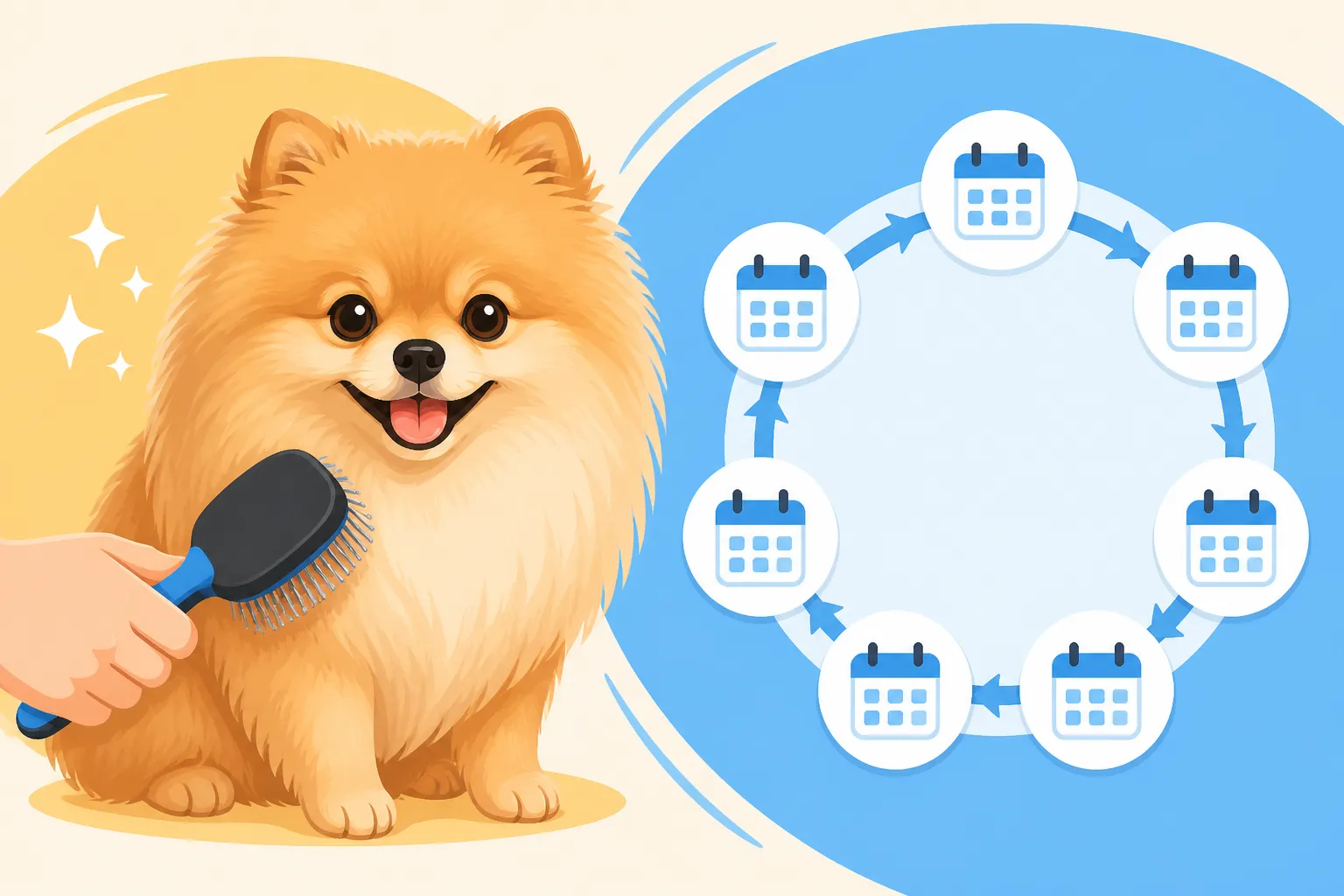
How Many Times a Week a Pomeranian Is Brushed
One of the biggest concerns new Pomeranian parents voice, and even seasoned owners sometimes grapple with, is figuring out the perfect grooming routine for that magnificent double coat. It's not just about keeping them looking fluffy and adorable; regular brushing is absolutely crucial for their comfort, health, and preventing a whole host of painful issues. If you've ever stared at your Pom and wondered just how many times a week you should be tackling that luxurious mane, you're in the right place. This guide will help you establish a consistent, effective brushing schedule that keeps your furry companion happy and healthy.
Understanding the Pomeranian's Unique Double Coat
Before we even get to the frequency of brushing, it's vital to truly appreciate the incredible engineering of a Pomeranian's coat. It's not just a single layer of fur; it's a complex, multi-layered system designed for insulation, protection, and that signature fluffy look. Without understanding what makes it special, you can't truly appreciate why it needs such specific care.
The Marvel of Guard Hairs and Undercoat
Pomeranians boast what's known as a "double coat," and this is the secret to their glorious appearance and their resilience in varying climates. The outer layer consists of long, coarse, straight "guard hairs" that are designed to be somewhat water-resistant and protect against dirt and debris. These are the hairs that give your Pom that beautiful, flowing silhouette and vibrant color. They stand out from the body, contributing to the breed's signature "stand-off" coat.
Beneath these guard hairs lies the real workhorse: a dense, soft, fluffy "undercoat." This undercoat is made up of shorter, crimped hairs that act like a natural insulator, keeping your Pomeranian warm in cold weather and, surprisingly, helping to keep them cool in warmer temperatures by trapping air next to their skin. The density of this undercoat is truly remarkable for such a small dog. Think of it like a down comforter—lots of soft, fine fibers packed closely together. When you’re brushing, you’re not just skimming the surface; you’re working to maintain both of these distinct layers. You can learn more about The Double Coat That Makes a Pomeranian and Why It Stays On.
Why This Coat Needs Consistent Attention
Because of this dual-layer construction, a Pomeranian's coat is prone to matting and tangling if not cared for regularly. The fine, fluffy undercoat sheds continuously, and if these loose hairs aren't brushed out, they become trapped within the existing coat. This trapped dead hair, combined with the longer guard hairs, quickly forms knots and mats, especially in high-friction areas like behind the ears, under the legs, and around the tail.
Consistent brushing isn't just about aesthetics; it's crucial for their skin health. Mats pull on the skin, causing discomfort and pain, and can even lead to skin infections if moisture and debris get trapped underneath. Moreover, a matted coat can't perform its insulating function properly, making your Pom less comfortable in extreme temperatures. It also allows you to check for any skin issues, parasites, or lumps that might be hidden by all that fluff.
The Ideal Brushing Schedule: How Often Is Enough?
There's no single magic number when it comes to brushing a Pomeranian, as several factors can influence the ideal frequency. However, we can certainly establish a baseline and discuss how to adjust it to your specific dog's needs. The goal is always to prevent mats and maintain a healthy coat and skin.
Daily Touch-Ups vs. Weekly Deep Dives
For most adult Pomeranians with a healthy, full coat, a minimum of 2-3 times per week is generally recommended for a thorough brushing session. This allows you to work through the entire coat, from skin to tip, and remove any loose undercoat and minor tangles before they escalate into serious mats. Each session should ideally last 15-30 minutes, depending on the coat's condition and your dog's cooperation.
However, many dedicated Pomeranian owners find that daily short touch-ups are even more beneficial, especially in high-friction areas or during shedding seasons. A quick 5-10 minute brush-out every day can prevent the build-up of dead hair and make those longer, less frequent deep dives much easier. Think of it like maintaining your own hair – a quick comb-through daily prevents knots from forming, even if you do a deeper condition weekly. This approach is particularly effective if your Pom spends a lot of time playing or rolling around, picking up burrs or debris.
Factors That Influence Your Brushing Frequency
While 2-3 times a week is a good starting point, several elements might require you to increase that frequency:
- Shedding Season (Coat Blow): Pomeranians typically "blow" their undercoat twice a year, usually in spring and fall. During these periods, the amount of loose hair increases dramatically, and daily, thorough brushing becomes absolutely essential. If you don't keep up, you'll be dealing with massive mats and a house covered in fluff. This is a critical time for deep dives, sometimes even daily, for an hour or more. It’s also during this time that many owners realize the importance of products readily available on platforms like Chewy for deshedding tools and conditioners. You might be interested in The Weeks a Pomeranian Blows Its Coat.
- Puppy Coat vs. Adult Coat: Pomeranian puppies go through an awkward phase known as the "puppy uglies," where they shed their soft puppy coat and grow in their adult double coat. This transition can lead to increased tangles and matting, so more frequent, gentle brushing is needed. It's also an excellent time to get your puppy used to grooming. To learn more about this stage, read What a Pomeranian Puppy's Coat Looks Like at Six Months.
- Length and Density of Coat: Some Pomeranians simply have a denser, longer, or more profusely coated mane than others. If your Pom has an exceptionally thick coat, you'll naturally need to brush more often to prevent matting.
- Lifestyle: A Pomeranian that spends a lot of time outdoors, rolling in grass, playing in leaves, or wearing a harness frequently will accumulate more debris and be more prone to tangles than a mostly indoor companion. Regular brushing helps remove environmental debris and prevent matting caused by friction, such as Preventing Mats Where a Pomeranian's Harness Sits.
- Health and Skin Conditions: Certain skin conditions or allergies can affect coat quality, making it more prone to matting or shedding. In these cases, your vet might recommend specific brushing techniques or products, which could influence your schedule.
- Humidity: High humidity can make a Pomeranian's coat frizzier and more prone to tangles. In humid climates or seasons, you might find yourself needing to brush more frequently.
Ultimately, the best approach is to observe your Pomeranian's coat. If you start to feel small knots or notice excessive shedding on furniture, it's a clear sign you need to step up your brushing game.
The Consequences of Neglecting Your Pomeranian's Coat
It might seem like a chore sometimes, but neglecting your Pomeranian's coat is far more than just a cosmetic issue. It can lead to severe discomfort, pain, and serious health problems that often require costly veterinary intervention. Understanding these consequences might just be the motivation you need to stick to that brushing schedule.
Mats, Tangles, and Skin Irritations
The most immediate and obvious consequence of infrequent brushing is the formation of mats and tangles. These aren't just minor snarls; they can become dense, felt-like masses that pull tightly on your Pomeranian's delicate skin. Imagine having your hair constantly tugged at – that's what a matted coat feels like, except it covers their entire body. These mats commonly form in areas of friction or where the coat is particularly fine and dense, such as:
- Behind the ears
- Under the chin
- In the armpits and groin area
- On the "britches" (the long fur on their hindquarters)
- Under their harness or collar
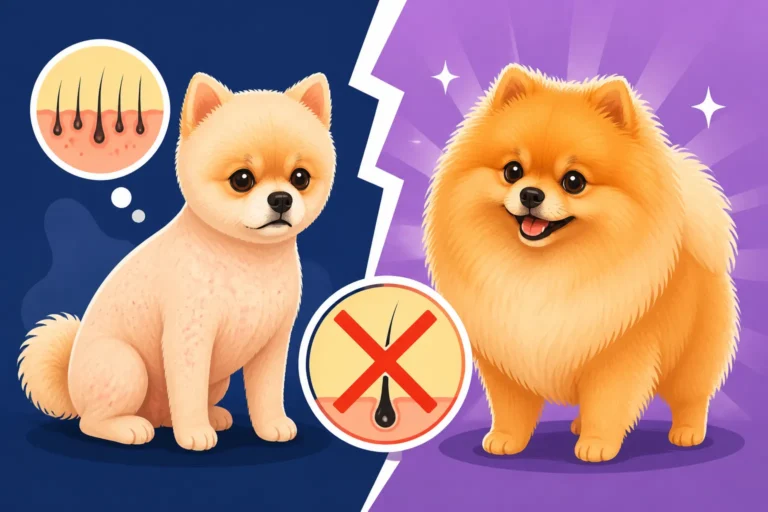
Once mats become severe, they can cause significant pain, restrict movement, and lead to open sores or hot spots underneath, as air cannot circulate and moisture can become trapped. These sores can quickly become infected, requiring antibiotics or other medical treatment. Trying to brush out large, tight mats at home is often agonizing for the dog and can even injure their skin. In many cases, professional groomers have no choice but to shave the entire dog down to the skin to remove severe matting, which can lead to other problems, as discussed in posts like Why a Shaved Pomeranian May Not Regrow.
Health Implications Beyond the Coat
Beyond the immediate skin issues, a neglected Pomeranian coat can have broader health ramifications.
- Parasite Infestations: Mats provide a perfect breeding ground and hiding spot for fleas, ticks, and other parasites. The dense fur makes it incredibly difficult to spot and remove these pests, allowing infestations to take hold and potentially leading to skin disease, anemia (especially in small puppies), or transmission of other illnesses.
- Temperature Regulation Issues: Remember how the double coat helps with insulation? A matted coat loses this ability. In cold weather, mats can prevent the coat from trapping warm air, leaving your Pom vulnerable to hypothermia. In hot weather, a thick, matted coat acts like a heavy blanket, preventing air circulation and making it very difficult for your dog to cool down, increasing the risk of heatstroke.
- Discomfort and Behavioral Changes: Constant pain from matting can lead to behavioral changes. Your Pomeranian might become irritable, less active, or even snap when touched, especially in matted areas. They might avoid being petted or handled, which can strain the bond you share. Eating and sleeping can become uncomfortable, impacting their overall well-being.
- Hidden Injuries or Lumps: A thick, matted coat makes it nearly impossible to perform routine checks for new lumps, bumps, cuts, or other abnormalities on your dog's skin. You might miss early signs of tumors, cysts, or injuries that could be easily treated if caught promptly. Regular brushing allows you to familiarize yourself with your dog's body, making it easier to spot anything unusual.
It's clear that consistent brushing is an act of love and responsible pet ownership, preventing needless suffering and potentially saving you significant vet bills down the line.
Essential Tools and Techniques for Effective Brushing
Armed with the knowledge of why brushing is so important, let's talk about the practical side: what tools you need and how to use them correctly. Using the wrong tools or improper techniques can damage your Pomeranian's delicate coat and make grooming an unpleasant experience for both of you.
Gathering Your Pomeranian Grooming Arsenal
You don't need a professional grooming salon's worth of equipment, but a few key items are absolutely essential for a Pomeranian:
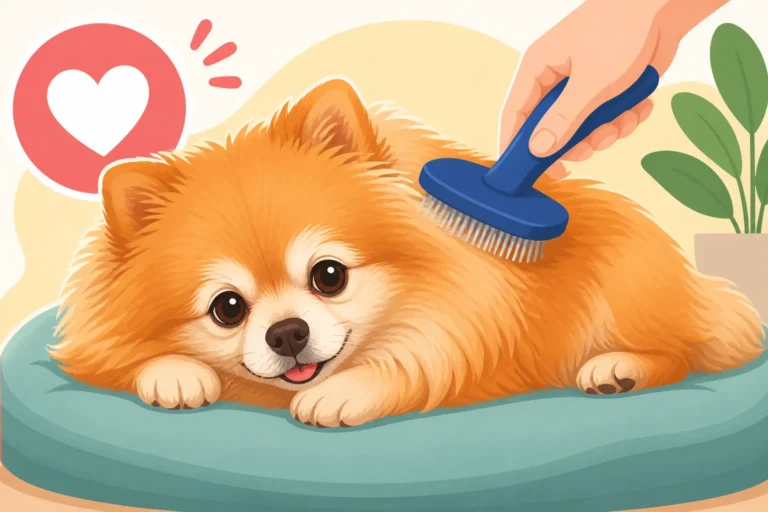
- Slicker Brush: This is your primary tool for separating and fluffing the double coat. Look for one with fine, bent wire bristles. It's excellent for removing dead undercoat and general detangling. Always use it gently, especially around sensitive areas. You can find high-quality slicker brushes on Amazon, often with ergonomic handles to save your wrist during long sessions.
- Pin Brush: Ideal for the longer guard hairs and for general fluffing. A pin brush has metal pins with rounded tips, which are less likely to pull or scratch the skin. It’s great for the top layer and for finishing your brushing session.
- Metal Comb (Fine/Medium/Coarse): A good quality greyhound-style metal comb with varying tooth spacing is indispensable. The coarse end helps with initial detangling, while the finer end is perfect for checking for any missed knots, especially behind the ears, on the britches, and under the legs. It’s also crucial for Working a Pomeranian's Coat in Sections to the Skin.
- Detangling Spray: A conditioning or detangling spray can make brushing much easier, especially if you encounter a few stubborn snarls. It helps lubricate the hair, reducing friction and static, and preventing breakage.
- Nail Clippers or Grinder: While not directly for brushing, nail care often goes hand-in-hand with grooming. Short nails prevent discomfort and potential injuries.
- High-Velocity Dryer (Optional but Highly Recommended): If you bathe your Pomeranian at home, a high-velocity dryer is a game-changer. It blasts water out of the coat and helps to straighten and separate the fur as it dries, making subsequent brushing much easier and preventing mats from forming during the drying process. A regular human hairdryer is often too hot and not powerful enough to penetrate the dense double coat without cooking the skin.
Here's a quick comparison of essential brushes:
| Brush Type | Primary Use | Key Feature | Ideal For |
|---|---|---|---|
| Slicker Brush | Removing undercoat, detangling, general fluff | Fine, bent wire bristles | Entire body, getting down to the skin, removing mats |
| Pin Brush | Finishing, smoothing, surface detangling | Metal pins with rounded tips | Longer guard hairs, sensitive areas, everyday use |
| Metal Comb | Checking for mats, precise detangling | Varying tooth spacing (fine to coarse) | Ears, britches, armpits, double-checking work |
Mastering the Art of Brushing in Sections
Brushing a Pomeranian isn't a quick once-over. To be effective, you need to work systematically, in sections, getting right down to the skin. This is often referred to as "line brushing."
- Prep and Position: Find a comfortable, elevated surface where your Pomeranian can stand or lie down. A grooming table with a non-slip surface is ideal, but a sturdy table with a non-slip mat works too. Give your Pom a favorite treat or toy, and offer plenty of praise throughout the process to make it a positive experience. A spritz of detangling spray can help here.
- Part the Coat: Start with a small section of hair, usually at the bottom of a leg or flank. Use your free hand to part the fur, creating a visible "line" down to the skin.
- Brush from the Skin Out: Take your slicker brush and, starting below the parted line, brush gently outward, away from the skin. Work in small, soft strokes, always brushing in the direction of hair growth. The goal is to feel the slicker brush's bristles against the skin, ensuring you're getting through both the guard hairs and the undercoat.
- Work Your Way Up: Once you've brushed one line, part another small section of fur directly above it and repeat the process. Continue this method, working your way up your Pomeranian's body, section by section.
- Address Different Body Parts: Pay special attention to areas prone to matting:
- Behind the Ears and Under the Chin: These are notorious matting zones. Use very gentle strokes with a slicker brush and then follow with the fine end of your metal comb.
- Armpits and Groin: Again, friction causes mats here. Lift your Pom's leg gently and work through these sensitive areas carefully.
- Britches and Tail: The long, flowing hair on the hindquarters and tail needs thorough attention. Use the slicker and follow with the metal comb. This is often where a lot of undercoat accumulates. More on this in Brushing a Pomeranian's Britches and Ruff.
- Finishing Touches: Once you've brushed the entire body with the slicker brush, use your pin brush for a final fluffing and to ensure a smooth, even finish. Then, take your metal comb and gently comb through every part of the coat, making sure the comb can glide easily from the skin to the tips of the hair without snagging. If it snags, there's a mat you missed, and you need to go back and work it out gently with the slicker brush or by hand. This final comb-through should literally take The Minutes a Full Pomeranian Brush Out Takes to verify you've done a thorough job.
- Positive Reinforcement: Always end grooming sessions with praise, a treat, or some playtime. This reinforces that grooming is a positive experience, making future sessions much easier.
Remember, patience is key. If you encounter a mat, don't yank or pull. Gently work at it from the outer edges, teasing it apart with your fingers or the coarse end of your comb, applying more detangling spray if needed. For very tight mats, it's often safer to carefully cut them out with blunt-nosed scissors (always pointing away from the skin!) or consult a professional groomer.
Special Considerations for Pomeranian Coat Care
While the general rules of brushing apply, there are certain life stages and circumstances that require a tweak to your Pomeranian's grooming routine. Understanding these nuances ensures that your care remains appropriate and effective throughout your dog's life.
Navigating the "Puppy Uglies" and Coat Blow
The "Puppy Uglies" is a phase every Pomeranian parent experiences, usually between 4-10 months of age. During this time, your adorable fluff-ball starts to shed their soft, single-layer puppy coat, and their dense, adult double coat begins to grow in. It can look a bit patchy, and yes, it often lives up to its name! This period requires diligent brushing because the incoming adult coat can easily trap the shedding puppy fur, leading to mats if not removed. Gentle, frequent brushing (daily if possible) with a soft slicker brush is key. It also serves as excellent desensitization for future grooming sessions. For more detail, refer to The Puppy Uglies a Pomeranian Goes Through.
Beyond puppyhood, adult Pomeranians will experience what's known as "coat blow" typically twice a year, usually in spring and fall. This is when they shed their entire undercoat in preparation for the upcoming season. During a coat blow, the amount of hair coming off your Pomeranian can be astounding, and it's not unusual to fill a grocery bag with fur! At these times, you absolutely need to brush daily, and these sessions will be longer and more intensive. A good deshedding tool, combined with your slicker brush and metal comb, will be your best friend. This helps prevent massive matting, keeps your home cleaner, and allows the new, healthy coat to grow in properly. Many owners find value in investing in grooming aids from pet supply retailers like Chewy or Amazon during these peak shedding times.
Seasonal Changes and Their Impact on Brushing
The weather outside can significantly influence your Pomeranian's coat and, consequently, your brushing routine.
- Summer: While it might seem counterintuitive, a Pomeranian's double coat acts as insulation against heat as well as cold. It traps a layer of air close to the skin, which helps regulate body temperature. However, dead, matted hair prevents this airflow. Therefore, frequent brushing in summer is crucial to remove dead undercoat and allow proper air circulation, helping your Pom stay cooler. Never shave a Pomeranian in summer, thinking it will cool them down; this can actually make them more susceptible to sunburn and impair their natural cooling system. Read more about A Pomeranian's Coat in Ninety Degree Heat for critical advice.
- Winter: In colder months, your Pomeranian's undercoat will be at its densest, providing maximum warmth. While they may not shed as much, regular brushing is still important to prevent mats that can form in thick fur, especially if they wear coats or sweaters, which can create friction. It also removes any snow or ice that might get caught in their long fur.
- Wet Weather: If your Pomeranian gets wet frequently, whether from rain, snow, or baths, their coat is more prone to matting as it dries. Ensure you thoroughly dry and brush out their coat after any wet adventure to prevent knots from tightening.
Brushing an Older Pomeranian or One with Health Issues
As Pomeranians age, their needs can change, and their grooming routine might need adjustment. Older Poms may develop arthritis or other mobility issues, making it uncomfortable for them to stand for long brushing sessions. You might need to break up grooming into shorter, more frequent sessions, or allow them to lie down while you brush gently. Use extra care and observe their body language for any signs of discomfort. Brushing an Old Pomeranian Lying Down offers more tips for this. Their skin can also become more delicate and prone to tearing.
Pomeranians with certain health conditions might also require special attention. For instance, dogs with Cushing's disease or hypothyroidism might experience changes in coat texture or increased shedding, requiring more frequent or gentle brushing. If your Pomeranian has any skin conditions, consult your vet before using any new products or techniques, as they may recommend specialized shampoos or conditioners that impact brushing. Similarly, some Poms suffer from Alopecia X, often called Black Skin Disease, which causes patches of hair loss and can make the skin very sensitive, meaning extremely gentle brushing (or no brushing on affected areas) is necessary.
Always approach grooming an older or unwell Pomeranian with patience, empathy, and a gentle touch, prioritizing their comfort above all else. Brands like Ollie often focus on nutrition that can support coat health, which indirectly aids in easier brushing.
Disclaimer
This article is for general informational purposes only and does not constitute professional advice. Laws, prices and regulations vary by location and change over time. Consult a qualified professional for guidance on your specific situation.