A Pomeranian’s Coat in Ninety Degree Heat
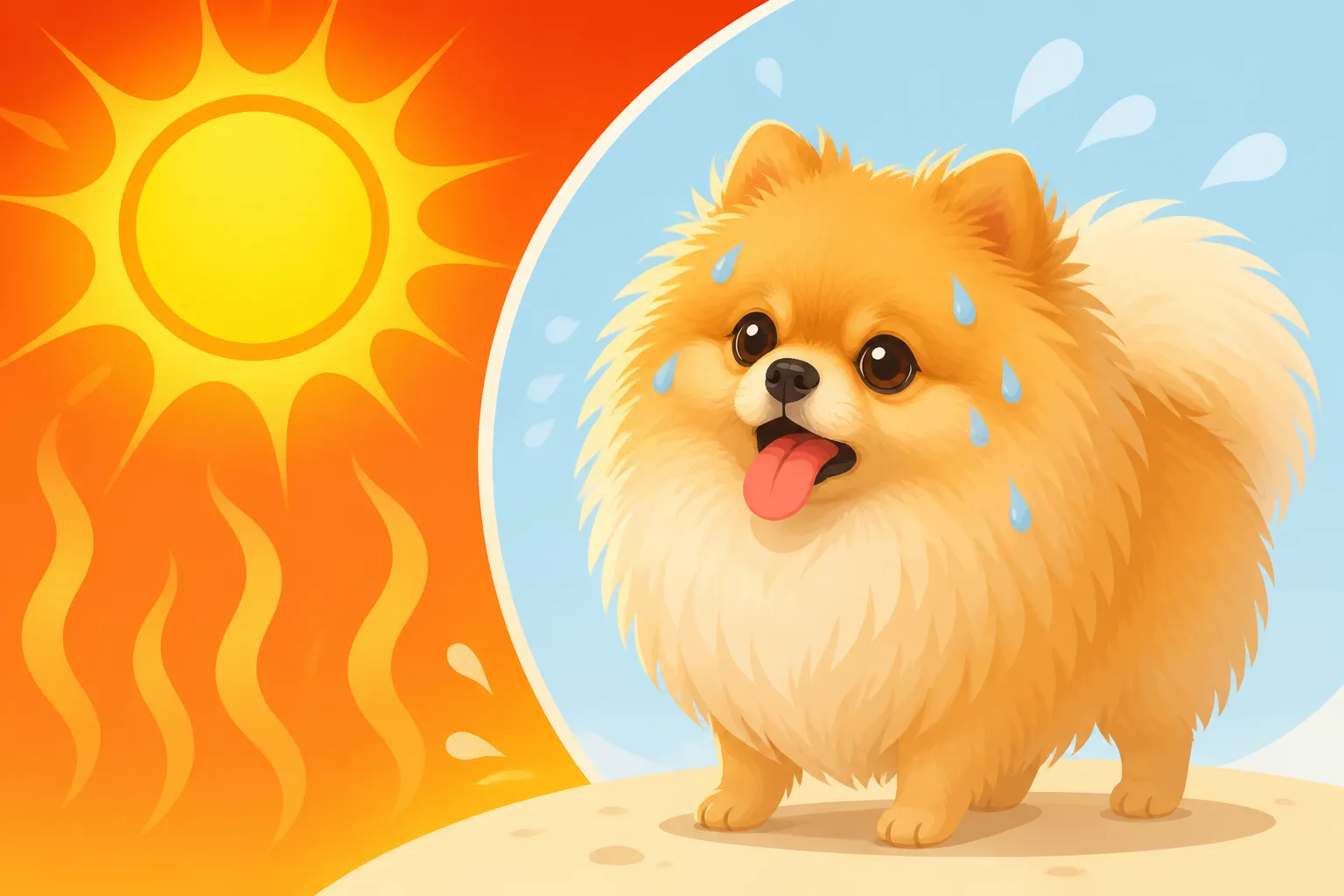
The scorching summer days can be a real worry for us Pomeranian parents. You look at that magnificent, fluffy coat, and all you can think is, "How in the world does my tiny furball not melt into a puddle in ninety-degree heat?" It's a completely valid concern, especially when the mercury climbs, and we're all trying to figure out the best way to keep our little companions safe and comfortable. This guide is dedicated to demystifying the Pomeranian's coat in extreme heat, offering practical advice, and helping you understand exactly how to protect your precious Pom when the weather gets seriously hot.
Understanding the Pomeranian's Double Coat in Heat
It’s a common misconception, one I hear all the time from well-meaning owners, that a Pomeranian’s thick double coat must be stifling in the summer. Many people think that shaving it off will provide immediate relief, like taking off a heavy winter jacket. But here’s the thing: a Pomeranian’s coat is far more sophisticated than a simple winter layer. It’s an intricate system designed by nature to regulate their body temperature, acting as both insulation against cold and a barrier against heat. Understanding this is the first crucial step in keeping your Pom safe.
The Science Behind the Stand-Off Coat
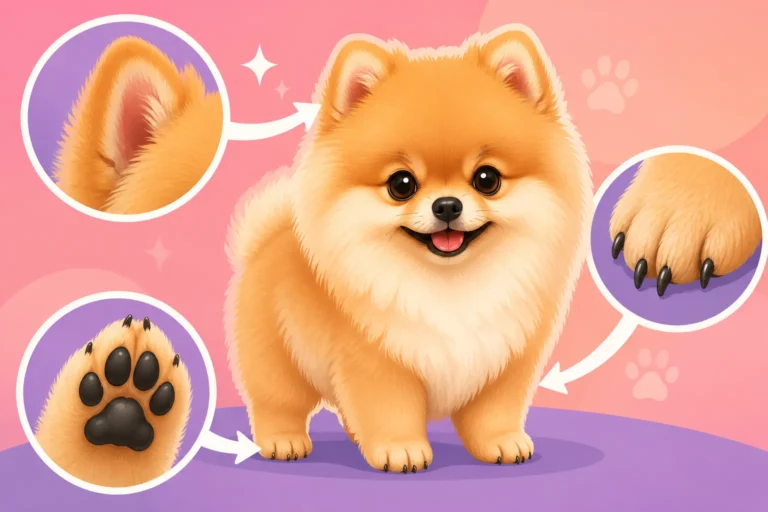
Think of your Pomeranian's coat not as a solid blanket, but as a sophisticated, airy buffer. It’s composed of two distinct layers: a soft, dense undercoat and a longer, coarser outer coat, often referred to as guard hairs. The undercoat provides the bulk and warmth, while the guard hairs are waterproof and protect the delicate skin underneath. This unique "stand-off" quality, where the hair stands out from the body, creates an insulating air pocket. In winter, this layer traps warm air, keeping them cozy. In summer, it does the exact opposite – it traps cool air close to their skin, preventing the intense external heat from reaching them directly. It’s a bit like the insulation in your house, working both ways to maintain a stable internal temperature.
This natural ventilation system is incredibly efficient when the coat is healthy and well-maintained. It allows air to circulate, wicking away moisture and helping to dissipate body heat. If you’ve ever felt the slight breeze moving through their fur on a warmer day, you’ve witnessed this natural air conditioning in action. Messing with this intricate design can actually do more harm than good, as we'll discuss next. For a deeper dive into their unique coat, check out The Double Coat That Makes a Pomeranian and Why It Stays On.
Why Shaving is Often Not the Answer
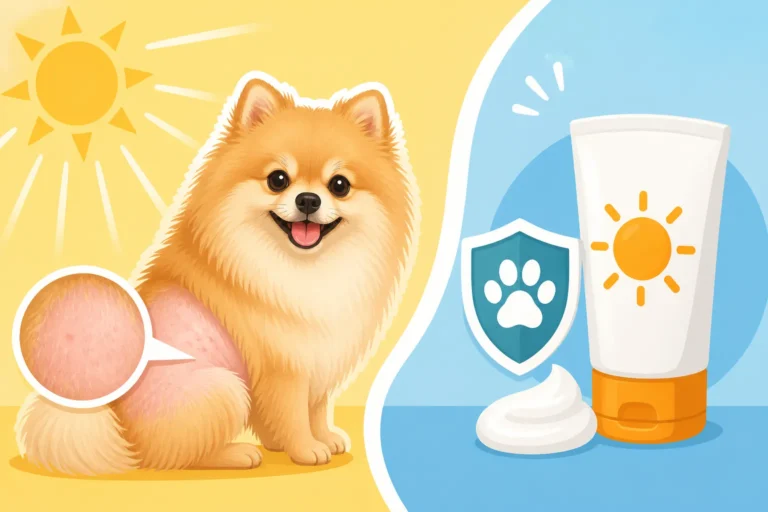
This is where the biggest myth needs busting. While it might seem intuitive to shave a fluffy dog in summer, for a Pomeranian, it’s generally a detrimental choice. When you shave off that double coat, you strip away their natural cooling mechanism. The insulating air pocket is gone, leaving their delicate skin exposed directly to the sun’s harsh UV rays. This isn't just uncomfortable; it can lead to sunburn, which can be painful and increase their risk of skin cancers.
Beyond sunburn, shaving can also severely damage the coat's ability to regrow properly. Many Pomeranian owners who shave their dogs find that the beautiful, dense outer coat either never grows back the same, or the undercoat grows back coarse and patchy, sometimes referred to as "clipper alopecia." This uneven regrowth can lead to a host of problems, including matting, skin irritation, and even further difficulties in regulating their temperature in subsequent seasons. It can be a heartbreaking situation to watch Why a Shaved Pomeranian May Not Regrow. Instead of shaving, focus on regular, thorough brushing to remove dead undercoat, which allows for better air circulation without compromising their natural defenses.
Practical Strategies for Keeping Your Pomeranian Cool
While their coat is a marvel of natural engineering, it’s not a magic shield. When temperatures really soar into the ninety-degree range, our Pomeranians still need our help to stay safe. They are small dogs, and their compact size can make them more susceptible to overheating if not managed carefully. The key is a multi-faceted approach that considers their environment, activity levels, and overall hydration.
Managing Outdoor Exposure and Activity
When the weather hits those high temperatures, common sense dictates limiting time outdoors. For a Pomeranian, this is absolutely paramount. Their exercise routine needs a serious adjustment. Instead of afternoon strolls, think early morning or late evening walks when the sun is lower and the pavement has had a chance to cool. Remember, pavement can be significantly hotter than the ambient air temperature, burning delicate paw pads. A good rule of thumb is to place the back of your hand on the pavement for five seconds; if it’s too hot for your hand, it’s too hot for their paws. This simple test can save them a lot of pain.
Outdoor potty breaks should be quick and efficient. Try to find shaded, grassy areas. During peak heat, avoid any strenuous play, long walks, or visits to dog parks. Even a seemingly short burst of excitement can quickly elevate their body temperature. If you must be outside, consider investing in dog boots to protect their paws from hot surfaces. You can find various styles and sizes on retailers like Amazon, specifically designed for small breeds. Hydration is also key; always carry fresh water and a portable bowl, even for short outings. The Pavement Temperature That Burns a Pomeranian explains this in more detail.
| Activity Type | Safe in 90°F+ Weather | Unsafe in 90°F+ Weather |
|---|---|---|
| Walking/Exercise | Quick potty breaks in shade/grass (early AM/late PM) | Midday walks on pavement or asphalt |
| Indoor games, puzzle toys, short training sessions | Running, vigorous fetching, dog park visits | |
| Outdoor Access | Access to shaded, cool areas in a secure yard for short periods | Prolonged time outdoors, especially on concrete or turf |
| Hydration | Constant access to fresh, cool water; ice cubes in bowl | No water available, warm stagnant water |
| Water-rich foods (e.g., canned food, safe fruits/veggies) | No effort to encourage drinking | |
| Protective Gear | Cooling vests (lightweight, wet-down type), paw booties | Tight clothing, muzzles that restrict panting, no paw protection |
Creating a Cool Indoor Environment
Our homes become sanctuaries for our Poms when it’s scorching outside. Air conditioning is your best friend, but if you don't have it, there are still many ways to keep things cool. Fans, strategically placed, can help circulate air and create a cooling breeze, especially if you place a bowl of ice water in front of them for an evaporative cooling effect. Keep curtains and blinds closed during the hottest parts of the day to block out direct sunlight, which can significantly raise indoor temperatures.
Consider investing in cooling mats. These gel-filled pads draw heat away from your dog's body and don't require refrigeration or electricity. Many pet supply stores and online retailers like Chewy offer a wide variety that are perfectly sized for a Pomeranian. These can be a godsend for a dog who loves to lounge. You can also provide damp towels (not soaking wet, as this can make them feel clammy) for them to lie on. For those who enjoy a special treat, frozen broth cubes or small bits of frozen, dog-safe fruit can provide a refreshing snack while contributing to their hydration. Even enriching their diet with fresh food options, like those from Ollie, can help with overall hydration when temperatures climb. Remember that The Temperature That Is Too Hot for a Pomeranian details specific risks at extreme temperatures.
Recognizing and Responding to Heat Stress
Even with all our best efforts, heatstroke is a serious and potentially fatal condition for dogs. Pomeranians, with their thick coats and small stature, can be particularly vulnerable. It's crucial for every Pom parent to be able to recognize the early signs of heat stress and know exactly how to react. A few minutes can make all the difference between a minor scare and a life-threatening emergency.
Subtle Signs of Overheating
It's not always obvious when a Pomeranian is starting to overheat. They might not collapse immediately, so it's essential to look for the more subtle indicators. One of the first signs is excessive panting, often heavier and more rapid than usual, especially if it seems out of proportion to their activity level. Their gums might appear a darker red than normal, almost brick-like, and their tongue might be a vivid red. They might also start drooling more heavily, with thicker, ropy saliva.
Other subtle signs include seeking out cool spots more intensely than usual, restlessness, or a change in their demeanor – perhaps they become unusually lethargic or even disoriented. Their body might feel unusually warm to the touch, particularly on their belly or inner thighs. In some cases, you might notice their eyes glazing over or appearing sunken. If you see your Pomeranian exhibiting any of these behaviors, it’s a warning sign that they are struggling to regulate their body temperature and need immediate intervention. This is especially important for dogs with respiratory issues like a collapsing trachea, as described in The Honking Cough of a Pomeranian's Collapsing Windpipe, where breathing difficulties can be exacerbated by heat.
Emergency Steps and When to Seek Help
If you suspect your Pomeranian is overheating, every second counts. Your immediate goal is to gently and gradually lower their body temperature. Here’s a plan of action:
- Move to a Cooler Area: Get your Pom out of the heat source immediately. Bring them inside to an air-conditioned room or at least a shaded, well-ventilated spot.
- Apply Cool Water (NOT Ice Cold): Use cool (not ice-cold) water to wet their fur, focusing on their paws, ear flaps, and groin area. You can use a hose, damp towels, or even a spray bottle. Avoid submerging them in very cold water, as this can cause their blood vessels to constrict, trapping heat inside their body, or even send them into shock.
- Use Fans: Direct a fan toward them to help facilitate evaporative cooling.
- Offer Small Sips of Water: Don't let them gulp down a lot of water quickly, as this can cause vomiting. Offer small, frequent sips of cool (not ice) water.
- Contact Your Vet IMMEDIATELY: Even if your Pomeranian seems to be recovering, heatstroke can have delayed and serious consequences, including organ damage. Call your veterinarian on the way or as soon as you start cooling them down. They can advise you on next steps and tell you if you need to bring your Pom in for an examination and further treatment. Be prepared to go.
Knowing How a Double Coated Pomeranian Handles Summer and the risks associated with The Temperature That Is Too Hot for a Pomeranian can empower you to prevent these emergencies. Always err on the side of caution when it comes to extreme heat. Your Pomeranian relies on you for their safety and comfort, and with careful attention to their needs, you can ensure they enjoy the summer months safely.
Disclaimer
This article is for general informational purposes only and does not constitute professional advice. Laws, prices and regulations vary by location and change over time. Consult a qualified professional for guidance on your specific situation.