Whether a Pomeranian Puppy Needs Extra Calories
It’s a common worry for new Pomeranian puppy parents: your tiny fluff ball seems to burn through energy like a miniature furnace, and you can’t help but wonder if they’re getting enough sustenance. The truth is, due to their small size and incredibly fast metabolisms, Pomeranian puppies often have unique caloric needs that differ significantly from larger breeds, making proper feeding crucial. This guide will help you understand whether your Pomeranian puppy needs extra calories, how to provide them safely, and when to recognize the signs that your little one might be running on empty.
The Unique Energy Demands of a Growing Pomeranian Puppy
Pomeranian puppies, often weighing mere ounces at birth and only a few pounds as they grow, are miniature dynamos. Their small bodies have a higher surface area to mass ratio compared to larger dogs, which means they lose heat more quickly and, consequently, need to burn more calories to maintain their body temperature. This, combined with their rapid growth rate and boundless puppy energy, creates a constant demand for fuel.
Think about a human baby: they eat much more frequently in proportion to their body weight than an adult. A Pomeranian puppy is no different. Their tiny stomachs can only hold a small amount of food at one time, yet their energy expenditure is incredibly high. They are constantly exploring, playing, learning, and developing, all of which require a significant amount of energy. If they don't get a steady supply of calories, they can quickly deplete their reserves. This makes them particularly susceptible to Blood Sugar Crashes in a Pomeranian Puppy, a serious condition that can come on suddenly and requires immediate attention.
Their fast metabolism means that a meal they eat might be largely processed and utilized within just a few hours. Unlike a large breed puppy that might be able to go for longer stretches between meals, a Pomeranian puppy's internal engine is constantly running at a higher RPM. They don't have large reserves of fat or glucose to draw upon, making consistent, calorie-dense nutrition absolutely vital for their health and development. Overlooking this fundamental difference in their physiology is one of the most common pitfalls for first-time Pomeranian owners.
Recognizing When Your Pomeranian Puppy Needs More Fuel
One of the biggest concerns with tiny breeds like Pomeranians is hypoglycemia, or low blood sugar. Because their bodies are so small and their metabolisms so active, they can burn through their glucose reserves alarmingly fast, especially if they skip a meal, are stressed, or engage in extended periods of play without a snack. Knowing the warning signs is paramount to keeping your puppy safe.
The initial signs that your Pomeranian puppy might need more fuel often start subtly. You might notice them becoming unusually quiet or lethargic after a burst of play. They might not be as eager to engage, or perhaps they're sleeping more profoundly than usual. As their blood sugar drops further, more distinct symptoms can appear. These include trembling or shivering, a wobbly or uncoordinated gait, disorientation, and a dull, unfocused look in their eyes. In severe cases, they might collapse, have seizures, or become unresponsive. This is why it’s so important to be able to identify Recognizing a Hypoglycemic Pomeranian quickly.
These episodes most commonly occur after a long period of sleep, particularly overnight, or following an intense play session. Sometimes, even stress from a vet visit or a new environment can trigger a drop in blood sugar. Proactive feeding is your best defense. If you ever suspect your puppy is experiencing a blood sugar crash, time is of the essence. Having something like a high-calorie nutritional paste (often found on Amazon or Chewy) or even a small amount of corn syrup or honey on hand can be life-saving. You can rub a small amount directly onto their gums for rapid absorption, which can buy you crucial time to get to a vet. Learning about Syrup on the Gums of a Crashing Pomeranian Puppy is an essential skill for any owner.
Strategies for Safely Boosting Your Pomeranian Puppy's Calorie Intake
Ensuring your Pomeranian puppy gets adequate calories isn't about giving them massive meals; it's about smart, consistent nutrition tailored to their specific needs. The key is frequency and quality.
Firstly, feeding frequency is paramount. Instead of two or three large meals a day, tiny puppies often thrive on smaller, more frequent meals. Four to six small meals spread throughout the day is often recommended for very young or particularly active puppies. This keeps their blood sugar levels stable and prevents those dangerous drops. Many owners find success with Feeding a Pomeranian Puppy Often Enough to Stay Safe and understanding How Often a Pomeranian Puppy Needs to Eat as they grow.
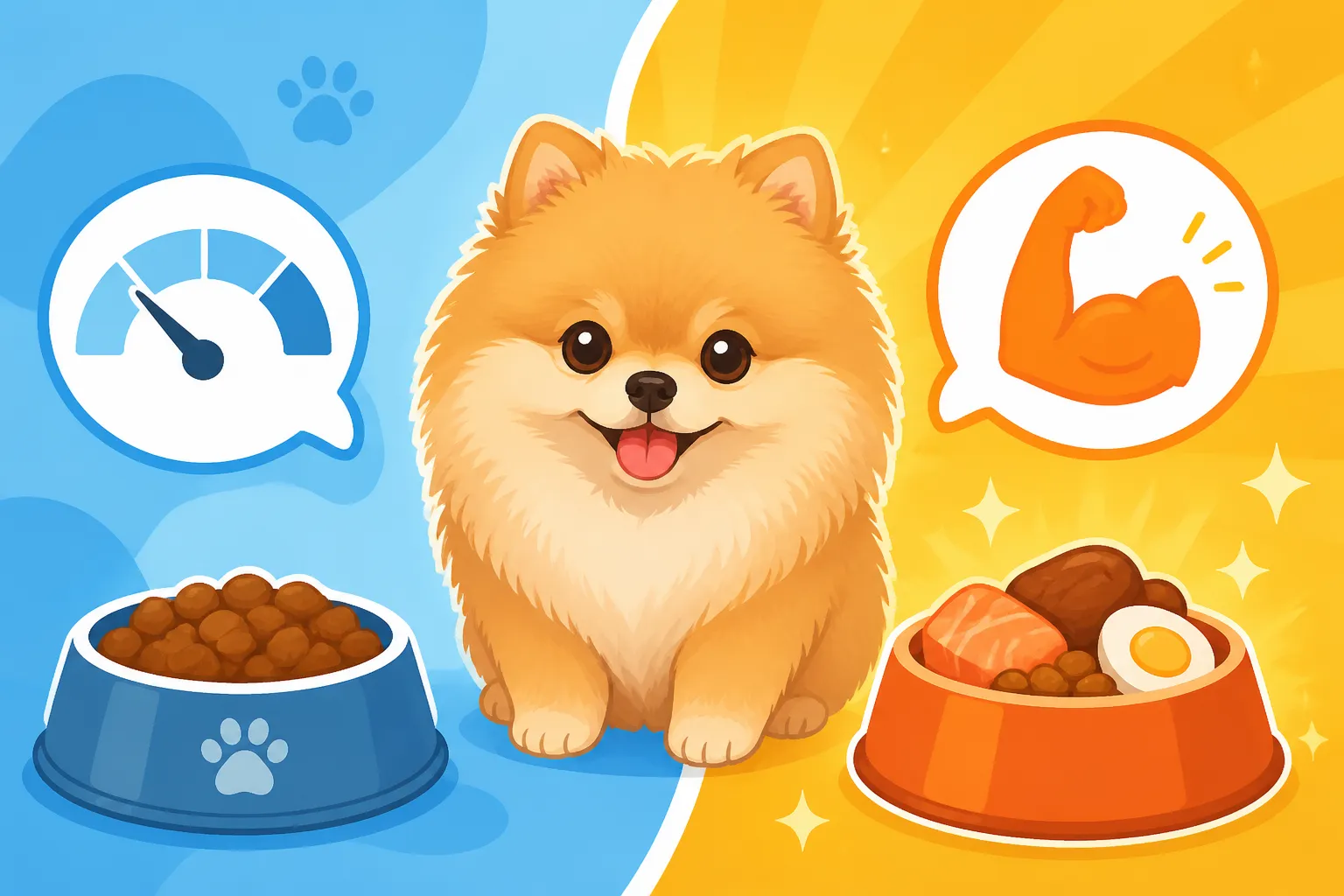
When it comes to the food itself, prioritize high-quality, calorie-dense small breed puppy formulas. These foods are specifically designed to meet the intense nutritional needs of growing small dogs. Look for brands that list a high-quality meat source as the first ingredient and have a good balance of fats and proteins. You can often find excellent options on platforms like Chewy, which makes it easy to compare different brands and nutritional content. Companies like Ollie, with their fresh, human-grade meal options, can also be a fantastic way to provide nutrient-dense, palatable food that might encourage picky eaters to consume more calories.
Beyond their regular kibble, you can safely boost their caloric intake with small, appropriate additions:
- Wet Puppy Food: Mixing a spoonful of high-quality wet puppy food with their kibble can increase palatability and add extra calories.
- Cooked Lean Protein: Tiny amounts of plain, cooked chicken breast, turkey, or lean ground beef (unseasoned, of course) can be a delicious and calorie-rich treat.
- Cottage Cheese: A dollop of plain, low-fat cottage cheese is another excellent source of protein and fat.
- Puppy-Specific Nutritional Supplements: Products like Nutri-Cal or other high-calorie pastes are designed specifically for puppies needing an extra boost, especially during times of stress, illness, or rapid growth. These are often readily available on Amazon.
Remember, every addition should be in very small quantities to avoid upsetting their tiny stomachs or unbalancing their diet. Always consult with your veterinarian about appropriate portion sizes and suitable supplements for your individual puppy. Also, ensure that the kibble you choose is truly Kibble Small Enough for a Pomeranian to prevent choking hazards and make it easier for their tiny mouths to chew.
Avoiding Overfeeding: The Balance for Healthy Growth
While it’s crucial to ensure your Pomeranian puppy receives enough calories, it’s equally important not to overdo it. Just like in humans, puppyhood obesity can lead to a host of health problems down the line, including stress on developing joints, diabetes, and a reduced lifespan. The goal is healthy growth, not rapid weight gain.
A healthy Pomeranian puppy should be lean with a visible waist and ribs that are easily felt but not seen. Their coat might make this tricky, so get used to gently feeling along their sides. Your vet will be your best guide in assessing your puppy's ideal body condition and growth trajectory. They can help you understand The Weight a Pomeranian Puppy Should Reach and how to monitor their progress. Predicting a Pomeranian Puppy's Adult Weight can be an interesting exercise, but steady, healthy growth is always the priority over trying to hit a specific number too quickly.
Overfeeding during puppyhood can contribute to orthopedic issues later in life, particularly affecting their delicate joints and growth plates. While Pomeranians are predisposed to conditions like luxating patellas, excessive weight during development can exacerbate these problems.
As your Pomeranian puppy matures, typically around 9-12 months of age, their caloric needs will begin to decrease as their rapid growth slows down. This is the time to start transitioning them to a high-quality adult small breed dog food. Ignoring this transition can quickly lead to an overweight adult Pomeranian. Understanding When a Pomeranian Graduates to Adult Food is key to maintaining their health long-term. Your vet will advise you on the best timeline and method for this transition, ensuring a smooth shift without digestive upset.
Here’s a quick overview of safe calorie boosters versus things to avoid:
| Safe Calorie Boosters (in moderation) | Things to Avoid |
|---|---|
| High-quality small breed puppy kibble | Large breed puppy kibble (wrong nutrient balance) |
| Small amounts of wet puppy food | Adult dog food (not calorie-dense enough) |
| Plain, cooked chicken breast (no seasoning) | Processed meats (high sodium, preservatives) |
| Small dollop of plain cottage cheese | Dairy products with lactose (can cause upset) |
| High-calorie nutritional paste (e.g., Nutri-Cal) | Human junk food (chocolate, artificial sweeteners) |
| Tiny pieces of dog-safe fruit/veg (e.g., banana, sweet potato) | Toxic foods (grapes, onions, xylitol) |
| Fresh food options (e.g., Ollie) | Excessive fatty scraps |
By focusing on frequent, appropriate meals of high-quality food and monitoring their growth, you can ensure your Pomeranian puppy gets all the energy they need to grow into a healthy, happy adult without the risks associated with either under- or overfeeding.
Disclaimer
This article is for general informational purposes only and does not constitute professional advice. Laws, prices and regulations vary by location and change over time. Consult a qualified professional for guidance on your specific situation.