Whether a Female Pomeranian Sheds After a Season
It's a common concern among Pomeranian parents to wonder if their beloved female will "blow her coat" after her heat cycle, leaving a fluffy trail in her wake. You might be staring at your sweet girl, noticing more hair on the furniture or a slight thinning, and immediately connect it to her recent season. This guide is here to demystify the shedding patterns of female Pomeranians, especially those related to their reproductive cycles, and give you realistic expectations and management tips.
Understanding the Female Pomeranian's Coat Cycle
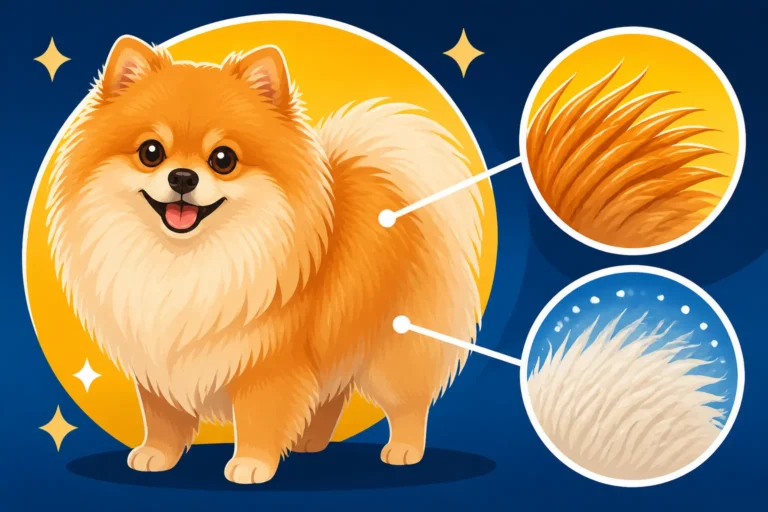
Before we dive into the specifics of post-season shedding, it's crucial to understand the magnificent double coat that makes a Pomeranian so iconic. They aren't just fluffy; they have a dense, soft undercoat and longer, harsher guard hairs that give them their signature stand-off appearance. This type of coat is designed to protect them from the elements, and it goes through natural cycles of growth and shedding.
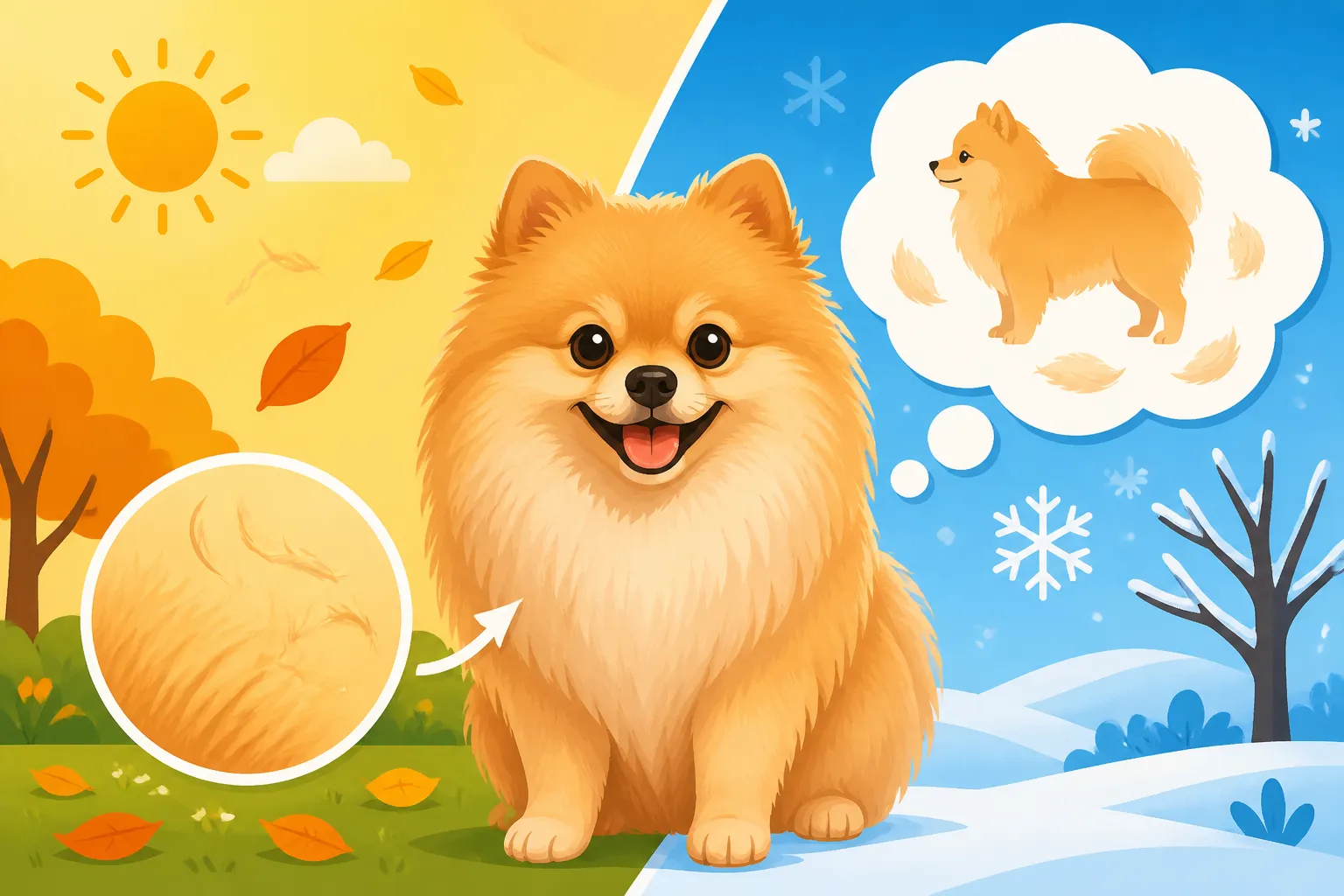
Typically, Pomeranians experience what's known as a "coat blow" at least once or twice a year, often coinciding with seasonal changes like spring and fall. During these times, they shed their entire undercoat to prepare for new growth that's appropriate for the upcoming weather. It can be quite a sight, with tufts of fluff coming off with every stroke of the brush. This general shedding is a healthy, normal part of being a double-coated breed. Beyond these seasonal events, various factors can influence a Pomeranian's shedding, from stress to diet, but hormones play a significant role, particularly in intact females.
The Post-Season Shed: What to Expect
Yes, many female Pomeranians absolutely do shed after a heat cycle, and often quite significantly. This isn't just an old wives' tale; it's a physiological response to the dramatic hormonal shifts that occur during and after estrus. A female Pomeranian's body goes through a lot of changes during her heat, preparing for a potential pregnancy, and then re-adjusting if she doesn't conceive. This hormonal rollercoaster directly impacts her hair follicles.
Think of it like this: during pregnancy, many female mammals experience changes in hair growth, often thickening, and then shed heavily postpartum. While your Pomeranian may not be pregnant, her body still goes through a similar hormonal cascade. After her heat cycle, as her hormone levels normalize, her body often signals a massive release of hair, especially the undercoat. This can feel like a "second coat blow" outside of the usual seasonal shedding. You might notice larger clumps of hair coming out when you brush her, or finding more fur around the house than usual, typically starting a few weeks to a couple of months after the end of her heat. This shedding period can last for several weeks as her coat regenerates. For a deeper understanding of their incredible fur, you might want to read The Double Coat That Makes a Pomeranian and Why It Stays On.
Why Hormones Trigger Hair Loss
The primary culprit behind post-season shedding is the fluctuating levels of estrogen and progesterone. During estrus, estrogen levels rise significantly. If no pregnancy occurs, these hormone levels drop, and this rapid decline can signal hair follicles to enter the telogen (resting) phase, leading to widespread shedding. It's the body's way of resetting. This isn't necessarily a sign of ill health, but rather a normal, albeit sometimes dramatic, response to the natural rhythm of her reproductive system.
This type of shedding is generally diffuse, meaning it's spread evenly over her body, although some areas like her britches or around her neck (the ruff) might seem to shed more because of the density of the fur there. The hair that comes out will typically be her soft undercoat, but you might also notice some guard hairs mixed in. It's important to differentiate this from patchy hair loss, which could indicate a different underlying issue, something we'll discuss a bit later.
Managing the Post-Season Coat Blow
Dealing with a female Pomeranian's post-season coat blow can feel overwhelming, especially if you're not prepared for the sheer volume of fur. The key is consistent, proactive grooming to help manage the shedding and keep her coat healthy.
Regular and Thorough Brushing
During this period, daily brushing is your best friend. Don't just skim the surface; you need to get down to the skin to remove all the loose undercoat. A good slicker brush and a metal comb are essential tools. Section her coat and brush in small areas, ensuring you're removing all dead hair. If you only brush the top layer, the loose undercoat will remain trapped, leading to mats and making the shedding worse. Many owners find brushes and combs on platforms like Amazon or Chewy that are perfect for their Pomeranian's dense coat. You can find more detailed instructions on grooming in our guide, How Many Times a Week a Pomeranian Is Brushed.
Here’s a simple comparison of general shedding versus post-season shedding:
| Feature | General Seasonal Shedding | Post-Season (Heat Cycle) Shedding |
|---|---|---|
| Timing | Typically spring/fall, associated with climate changes. | A few weeks to 1-2 months after a heat cycle ends. |
| Cause | Environmental temperature changes, natural coat cycle. | Hormonal fluctuations (estrogen/progesterone drop). |
| Appearance | Gradual increase in loose fur, generally widespread. | Can be quite dramatic, large clumps of undercoat. |
| Duration | Weeks, often tapering off as new coat comes in. | Can last several weeks to a couple of months. |
| Intensity | Moderate to heavy. | Often heavier than typical seasonal shedding. |
| Impact on Coat Density | Temporary thinning, followed by new growth. | Significant temporary thinning, coat regenerates. |
Bathing and Drying Techniques
A warm bath can help loosen dead hair, but be prepared for extra drying and brushing time. Use a good quality dog shampoo and conditioner, specifically formulated for double coats. After rinsing thoroughly, towel dry her as much as possible, then use a forced-air pet dryer on a cool setting. This helps to separate the coat and push out the loose undercoat effectively. Never use a human hairdryer on a hot setting, as it can burn her delicate skin or damage her coat. For tips on washing, check out Shampoo That Will Not Flatten a Pomeranian's Coat.
When drying, aim the nozzle at the skin level, working in sections. This process not only dries the coat quickly but also helps to "blow out" the shedding undercoat, reducing the amount of hair that ends up on your floor. Finish with thorough brushing to ensure no mats form as the coat dries.
Nutritional Support for Coat Health
While diet won't stop the hormonal shedding, good nutrition can certainly support overall coat health and potentially encourage healthier, quicker regrowth. Ensure your Pomeranian is on a high-quality dog food, rich in omega fatty acids. Supplements like fish oil or specific skin and coat supplements can also be beneficial. Many premium dog food brands, including fresh food options like Ollie, often formulate their recipes with skin and coat health in mind. Always consult your vet before adding any new supplements to your dog's diet.
Some owners also find that ensuring their Pomeranian maintains a healthy weight helps with coat quality, as obesity can sometimes exacerbate skin and coat issues. Remember, a healthy internal system often reflects on the outside.
When to Worry About Female Pomeranian Shedding
While post-season shedding is normal, it's always wise to keep a close eye on your Pomeranian's coat and skin. Not all hair loss is normal shedding, and sometimes it can be a red flag for an underlying health issue.
Differentiating Normal Shedding from Abnormal Hair Loss
Normal shedding, even heavy post-season shedding, will involve loose hair coming out, but the underlying skin should appear healthy. There shouldn't be any redness, flakiness, scabbing, or obvious bald patches. The hair loss should be relatively even, even if it feels like a lot.
Abnormal hair loss, on the other hand, might look different. You might see:
- Patchy hair loss: Bald spots or areas where the hair is visibly much thinner than the surrounding coat.
- Skin irritation: Redness, inflammation, bumps, or sores on the skin.
- Excessive scratching or licking: Your Pomeranian might be uncomfortable and constantly trying to relieve an itch.
- Changes in skin texture: The skin might feel greasy, dry, or thickened.
- Dull, brittle coat: The remaining coat might lose its luster and feel unhealthy.
- Complete lack of regrowth: If the coat doesn't seem to be growing back at all, or only very sparsely, even after several months.
If you observe any of these signs, it's time for a vet visit.
Potential Health Concerns Linked to Hair Loss
Several health conditions can mimic or worsen hair loss in Pomeranians. These can include:
- Hypothyroidism: An underactive thyroid gland can lead to a dull, dry coat and symmetrical hair loss. This is a common endocrine issue in dogs. You can learn more about this in The Hormone Disease Mistaken for a Pomeranian's Alopecia.
- Alopecia X (Black Skin Disease): This is a genetic condition common in Pomeranians, causing progressive hair loss, often starting in the britches or flanks, leading to baldness and sometimes darkened skin. While not life-threatening, it dramatically affects their coat. Our article The Age Alopecia X Usually Appears in a Pomeranian goes into more detail.
- Cushing's Disease: An overproduction of cortisol can also lead to hair loss, often symmetrical, thin skin, and a pot-bellied appearance.
- Parasites: Fleas, mites (like demodex or sarcoptes), and other external parasites can cause intense itching and subsequent hair loss from scratching.
- Allergies: Environmental, food, or contact allergies can cause skin irritation, redness, and secondary infections, leading to hair loss.
- Nutritional deficiencies: While less common with high-quality diets, severe deficiencies could impact coat health.
If your female Pomeranian's shedding seems excessive beyond the expected post-season blow, or if her coat simply isn't recovering as you'd expect, please don't hesitate to consult your veterinarian. They can perform diagnostic tests to rule out any underlying medical conditions and provide appropriate treatment. For concerns about general thinning, you might find The Age a Pomeranian's Coat Starts to Thin helpful. It's always better to be safe and ensure your fluffy companion is as healthy as possible.
Disclaimer
This article is for general informational purposes only and does not constitute professional advice. Laws, prices and regulations vary by location and change over time. Consult a qualified professional for guidance on your specific situation.