The Hormone Disease Mistaken for a Pomeranian’s Alopecia
Seeing your beloved Pomeranian's magnificent double coat start to thin, or worse, fall out in patches, can be absolutely heartbreaking and incredibly confusing. Many Pomeranian parents immediately leap to thinking about "black skin disease," officially known as Alopecia X, because it's so commonly discussed within the breed. However, what if that visible hair loss and skin darkening aren't just cosmetic? This guide will delve deep into the critical distinction between Alopecia X and other underlying hormonal conditions that can mimic its symptoms, ensuring you understand why a thorough diagnosis is paramount for your Pom's overall well-being.
The Frustration of a Balding Pomeranian: Is it Always Alopecia X?
It’s natural to feel a pang of dread when you notice patches of hair missing or your Pomeranian's once-fluffy coat becoming sparse. For so long, Alopecia X has been the go-to diagnosis for non-itchy, non-inflammatory hair loss in Poms. But the truth is, this isn't always the full story, and assuming it is can lead to missed opportunities for vital treatment. The visible symptoms can be remarkably similar, creating a real diagnostic challenge for both owners and sometimes even veterinarians.
Unpacking What Alopecia X Really Means
Alopecia X, also known as Black Skin Disease (BSD), Coat Funk, or Adrenal-Related Alopecia, is a frustrating condition primarily affecting plush-coated breeds like Pomeranians. The "X" in its name literally stands for "unknown," because despite decades of research, the exact cause remains elusive. It’s largely considered a cosmetic condition, meaning while it affects the dog's appearance, it typically doesn't directly impact their general health or comfort. This can be a hard pill to swallow for owners who are deeply attached to their Pom's iconic fluffy look. However, understanding that it's often a diagnosis of exclusion—meaning other conditions must be ruled out first—is the critical first step. It's a journey many owners know, trying to figure out if Whether a Pomeranian's Coat Grows Back After Alopecia X or if they need to adjust to a new look.
The Typical Look of "Black Skin Disease"
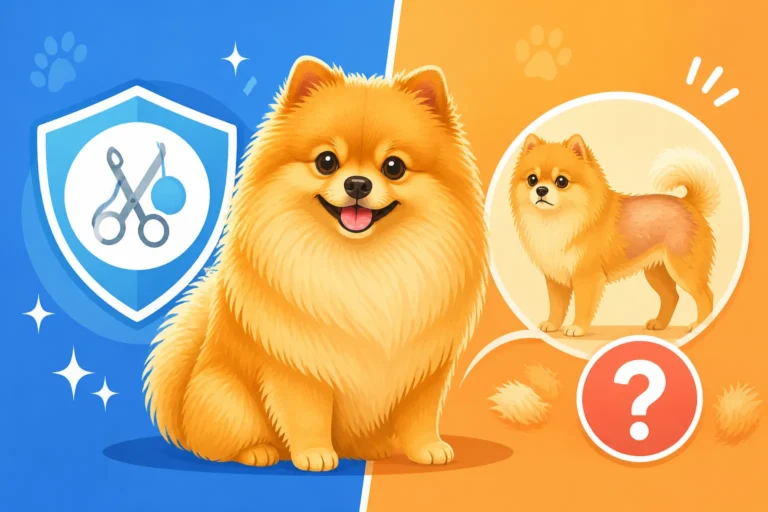
The classic presentation of Alopecia X often begins with a gradual thinning or loss of the guard hairs, leaving behind a soft, cottony undercoat. Over time, this progresses to complete baldness, usually starting on the hindquarters, flanks, and belly, eventually spreading across the trunk. Importantly, the head and lower legs often remain fully coated, creating a distinct pattern. As the hair disappears, the skin in the affected areas frequently darkens, becoming hyperpigmented, dry, and sometimes thickened or leathery to the touch. This darkening is precisely why many Pomeranian owners commonly refer to it as "Black Skin Disease," and it's certainly a shocking change when you see it. It's crucial to distinguish this from the normal The Puppy Uglies a Pomeranian Goes Through where a puppy's coat thins temporarily before growing into its adult fluff. The onset usually occurs in young to middle-aged adults, typically between one and ten years of age, with males appearing to be slightly more prone than females.
Initial Steps When Hair Loss Appears
When you first notice significant hair loss, it’s understandable to feel worried. Your very first step should always be a visit to your trusted veterinarian. They will begin a process of elimination to rule out more straightforward and treatable causes. This often involves a thorough physical examination, including checking for parasites like fleas or mites with skin scrapings, performing a fungal culture to test for ringworm, and discussing any changes in diet or environment that could indicate allergies. Blood tests will also be on the table to check for systemic illnesses, including the very hormonal diseases we're about to dive into. Don't be surprised if your vet wants to investigate broadly; it's all part of ensuring your Pom isn't suffering from something easily fixable. The process can feel overwhelming, but it's essential to pinpoint the exact issue rather than making assumptions.
When the Thyroid Gland Is the Culprit: Hypothyroidism
One of the most common hormonal diseases that can be easily mistaken for Alopecia X is hypothyroidism. This condition occurs when your Pomeranian's thyroid gland isn't producing enough thyroid hormone, which is vital for regulating metabolism and many bodily functions, including skin and coat health. The symptoms can be subtle and develop slowly, making it particularly tricky to spot in its early stages.
The Silent Struggle of Low Thyroid Hormone
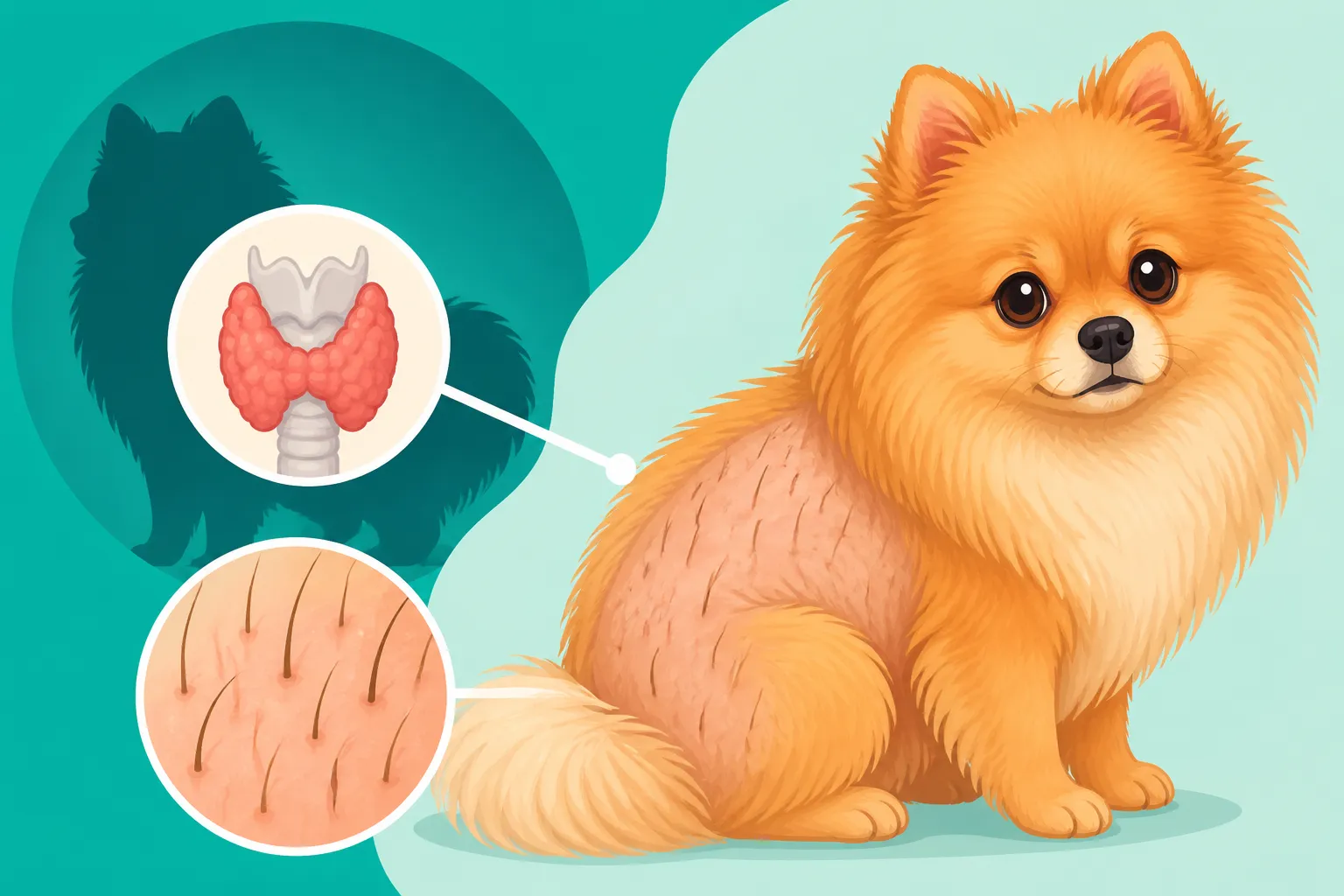
Hypothyroidism is a condition where the thyroid gland, located in your dog's neck, becomes underactive and fails to secrete sufficient levels of thyroid hormones (T3 and T4). These hormones are like the conductors of an orchestra, guiding nearly every metabolic process in the body. When they're in short supply, everything slows down. This can manifest in a variety of ways: your normally spunky Pomeranian might seem more lethargic, gain weight despite no change in diet, become unusually sensitive to cold, or even exhibit a dullness in their mental alertness. Owners might simply attribute these changes to "getting old" or just a change in personality, unwittingly missing the signs of a treatable condition. This often leads to wondering Whether a Pomeranian's Weight Gain Is Thyroid related, and it absolutely can be.
How a Sluggish Thyroid Strips Away the Coat
The impact of hypothyroidism on your Pomeranian's coat and skin is profound, and unfortunately, it can look strikingly similar to Alopecia X. Dogs with an underactive thyroid often develop a dry, brittle, and sparse coat that sheds excessively or simply doesn't grow back after being shed. The hair loss typically presents as symmetrical thinning, but unlike the precise pattern sometimes seen with Alopecia X, it can be more generalized across the body. The skin itself can also become affected: it may thicken, develop scales, and often becomes hyperpigmented, particularly in areas of friction or where hair loss is pronounced. This combination of hair loss and darkened skin is a prime reason for confusion with Alopecia X, making a correct diagnosis all the more vital. Furthermore, a compromised immune system associated with hypothyroidism can lead to recurrent skin infections, adding another layer of discomfort for your Pom.
Getting to the Bottom of Hypothyroidism and Effective Treatment
Diagnosing hypothyroidism involves specific blood tests, primarily a comprehensive thyroid panel. While a total T4 (thyroxine) level is a good starting point, it can sometimes be misleading. A more complete panel usually includes free T4 (which measures the active, unbound hormone) and TSH (thyroid-stimulating hormone), which helps determine if the thyroid gland itself is the problem. Your vet will interpret these results in conjunction with your dog's clinical signs. The good news is that if your Pomeranian is diagnosed with hypothyroidism, treatment is generally straightforward and highly effective. It involves daily oral supplementation with synthetic thyroid hormone, such as levothyroxine. Within a few weeks to months of starting medication, you should notice a significant improvement in your dog's energy levels, weight management, and importantly, coat regrowth. Regular monitoring with follow-up blood tests will be necessary to ensure the dosage is optimal. It’s a commitment, but the transformation can be incredible. Many owners find that investing in pet insurance, like a plan from Healthy Paws, can really help manage the ongoing costs of lifelong medications and regular vet check-ups for chronic conditions like this. When considering a balding Pomeranian, your vet will undoubtedly want to be Ruling Out Thyroid on a Balding Pomeranian as a priority.
Cortisol Overload: Understanding Cushing's Disease in Poms
Beyond the thyroid, another significant hormonal disorder that can masquerade as Alopecia X is Cushing's Disease, medically known as hyperadrenocorticism. This condition is characterized by an excessive production of cortisol, a stress hormone, by the adrenal glands. Like hypothyroidism, it can sneak up on owners, with symptoms often being dismissed as normal signs of aging.
The Complexities of Too Much Cortisol
Cushing's Disease occurs when your dog's body produces too much cortisol. This can happen in one of two main ways: either a tumor in the pituitary gland (located at the base of the brain) stimulates the adrenal glands to overproduce cortisol (pituitary-dependent hyperadrenocorticism, which accounts for about 85% of cases), or there's a tumor directly on one of the adrenal glands themselves (adrenal-dependent hyperadrenocorticism). Cortisol is essential for various bodily functions, but too much of it can wreak havoc. Common symptoms, often insidious in their onset, include a "pot-bellied" appearance due to fat redistribution and muscle weakness, increased thirst and urination (polydipsia and polyuria), increased appetite, excessive panting, and a general loss of muscle mass. It’s a complex disease, and its slow progression often means owners don't notice it until the symptoms are quite advanced.
Cushing's Distinctive Impact on Skin and Hair
The effects of Cushing's Disease on a Pomeranian's skin and coat are another strong reason for it to be mistaken for Alopecia X. Dogs with Cushing's often experience symmetrical hair loss, particularly on the trunk and abdomen, while the head and limbs remain relatively unaffected. This thinning of the coat can be quite significant, leaving patches of baldness. More strikingly, the skin becomes noticeably thin, fragile, and often develops areas of hyperpigmentation or darkening. This fragile skin can bruise easily and may heal poorly if injured, and recurrent skin infections are also common due to the compromised skin barrier and immune suppression. The combination of hair loss and dark, thin skin often leads owners to immediately think "Black Skin Disease," without realizing the potentially serious underlying systemic issue at play. This is why it's so important to have a vet help in Telling Alopecia X From Cushing's in a Pomeranian.
Navigating Diagnosis and Long-Term Management
Diagnosing Cushing's Disease can be more involved than diagnosing hypothyroidism, often requiring a series of specialized tests due to cortisol's fluctuating nature. Common diagnostic tests include a urine cortisol-creatinine ratio (as a screening test), an ACTH stimulation test, and a low-dose dexamethasone suppression test. Sometimes, abdominal ultrasound to examine the adrenal glands is also necessary. It's not uncommon for diagnosis to take several visits and tests, sometimes even requiring referral to an internal medicine specialist.
Treatment for Cushing's primarily involves daily oral medication to inhibit cortisol production, such as trilostane (often sold under the brand name Vetoryl). In cases of adrenal tumors, surgical removal might be considered, but it carries significant risks. Cushing's is typically a condition that is managed rather than cured, meaning your Pomeranian will likely require lifelong medication and regular monitoring to adjust dosages and keep cortisol levels in check. The costs associated with these specialized diagnostics and long-term medications can be substantial, making it another situation where comprehensive pet insurance like Healthy Paws can provide invaluable financial support.
Beyond Appearance: Why Accurate Diagnosis Matters for Your Pom's Health
It's easy to focus on the cosmetic aspect when your fluffy Pomeranian starts losing its signature coat. However, as we've explored, the stakes can be much higher than just aesthetics. Misdiagnosing a hormonal condition as mere Alopecia X can have serious, even life-threatening, consequences for your beloved pet.
The Dangers of Guesswork and Delayed Treatment
Imagine assuming your Pomeranian's hair loss is just Alopecia X and trying various home remedies or waiting for it to resolve on its own. If the real culprit is an underlying hormonal disease, this delay could be incredibly detrimental. Untreated hypothyroidism, for example, can lead to more severe metabolic issues, heart problems, and even neurological signs. Cushing's Disease, left unchecked, can result in diabetes mellitus, pancreatitis, recurrent infections, blood clots, and an increased risk of organ damage. These are not minor issues; they can significantly reduce your Pomeranian's quality of life and shorten their lifespan. The peace of mind that comes from knowing exactly what you're dealing with, and having a clear treatment plan, is truly priceless. It's about protecting more than just their beautiful coat; it's about protecting their entire health.
Partnering with Your Vet for a Clear Path Forward
When faced with hair loss, open and honest communication with your veterinarian is your best defense. Don't hesitate to voice all your concerns and provide a comprehensive history of any other symptoms, no matter how minor they seem. If initial tests are inconclusive, or if you feel uneasy, it's perfectly acceptable to ask about specialized dermatological or internal medicine consultations. These specialists have advanced training and diagnostic tools that can help unravel complex cases. They can help you investigate every avenue, including The Bill for a Pomeranian's Skin Workup which can include numerous tests. Remember, your vet is your partner in your Pomeranian's health journey, and working together effectively is key to getting an accurate diagnosis and the most appropriate care.
Tailoring Treatment to the True Underlying Cause
Once a definitive diagnosis is made, the treatment pathway becomes clear. For Alopecia X, while research is ongoing, treatments often focus on cosmetic improvement and might include neutering, melatonin supplementation, or specialized topical treatments. While these can sometimes improve coat growth, the primary goal is often managing expectations, as Alopecia X doesn't typically pose a health risk to the dog itself, though owners worry about things like Whether Alopecia X Hurts a Pomeranian or Protecting a Bald Pomeranian's Skin From Sun. However, for hormonal diseases like hypothyroidism or Cushing's, treatment is focused on resolving the underlying systemic imbalance. This is where medication becomes essential, not just for the coat but for your Pom's overall health and longevity. Correcting a thyroid deficiency or managing cortisol levels can lead to a complete reversal of symptoms, including full coat regrowth, restoring your Pomeranian to their vibrant, healthy self. This table provides a quick overview of the key differences:
| Condition | Primary Cause | Key Hair Loss Pattern | Other Common Symptoms | Diagnosis | Treatment |
|---|---|---|---|---|---|
| Alopecia X | Unknown (likely genetic/hormonal imbalance in skin) | Symmetrical, trunk/hindquarters, sparing head/legs; often hyperpigmented skin. | Primarily cosmetic; skin may be dry/flaky. | Exclusion of other causes; skin biopsy (sometimes). | Neutering, melatonin, deslorelin, specialized shampoos; often cosmetic. |
| Hypothyroidism | Underactive thyroid gland | Symmetrical, generalized thinning, dull/brittle coat; sometimes hyperpigmented skin. | Lethargy, weight gain, cold intolerance, recurring skin infections, mental dullness. | Thyroid blood panel (T4, fT4, TSH). | Daily oral levothyroxine. Excellent prognosis. |
| Cushing's Disease | Overproduction of cortisol | Symmetrical, trunk, "pot-bellied" appearance, thin/fragile skin; hyperpigmentation. | Increased thirst/urination/appetite, panting, muscle weakness, recurrent infections. | ACTH stim test, LDDS test, urine cortisol-creatinine ratio. | Oral medications (e.g., trilostane), surgery for adrenal tumors. |
Ultimately, understanding the nuances between these conditions is critical. While Alopecia X can be disheartening for a Pomeranian owner, a treatable hormonal imbalance offers a path to not just a better coat, but a healthier, happier life for your furry companion.
Disclaimer
Please note that this article is intended for informational purposes only and does not constitute veterinary advice. Always consult with a qualified veterinarian for any health concerns or before making any decisions about your pet's medical care.