Telling Alopecia X From Cushing’s in a Pomeranian
It's incredibly disheartening and confusing when your beloved Pomeranian starts losing their beautiful, fluffy coat. You worry, you wonder if they're uncomfortable, and you might even start researching all sorts of scary possibilities. This comprehensive guide is here to walk you through two distinct conditions that can cause hair loss in Poms – Alopecia X and Cushing's Disease – helping you understand the differences and why an accurate veterinary diagnosis is so critically important.
Understanding Alopecia X in Pomeranians
When you see a Pomeranian with significant hair loss, especially if their skin is darkening, many owners immediately think of something called "Alopecia X." It's a condition that carries a lot of different names and a fair amount of mystery, often leaving owners feeling frustrated and helpless.
What is Alopecia X?
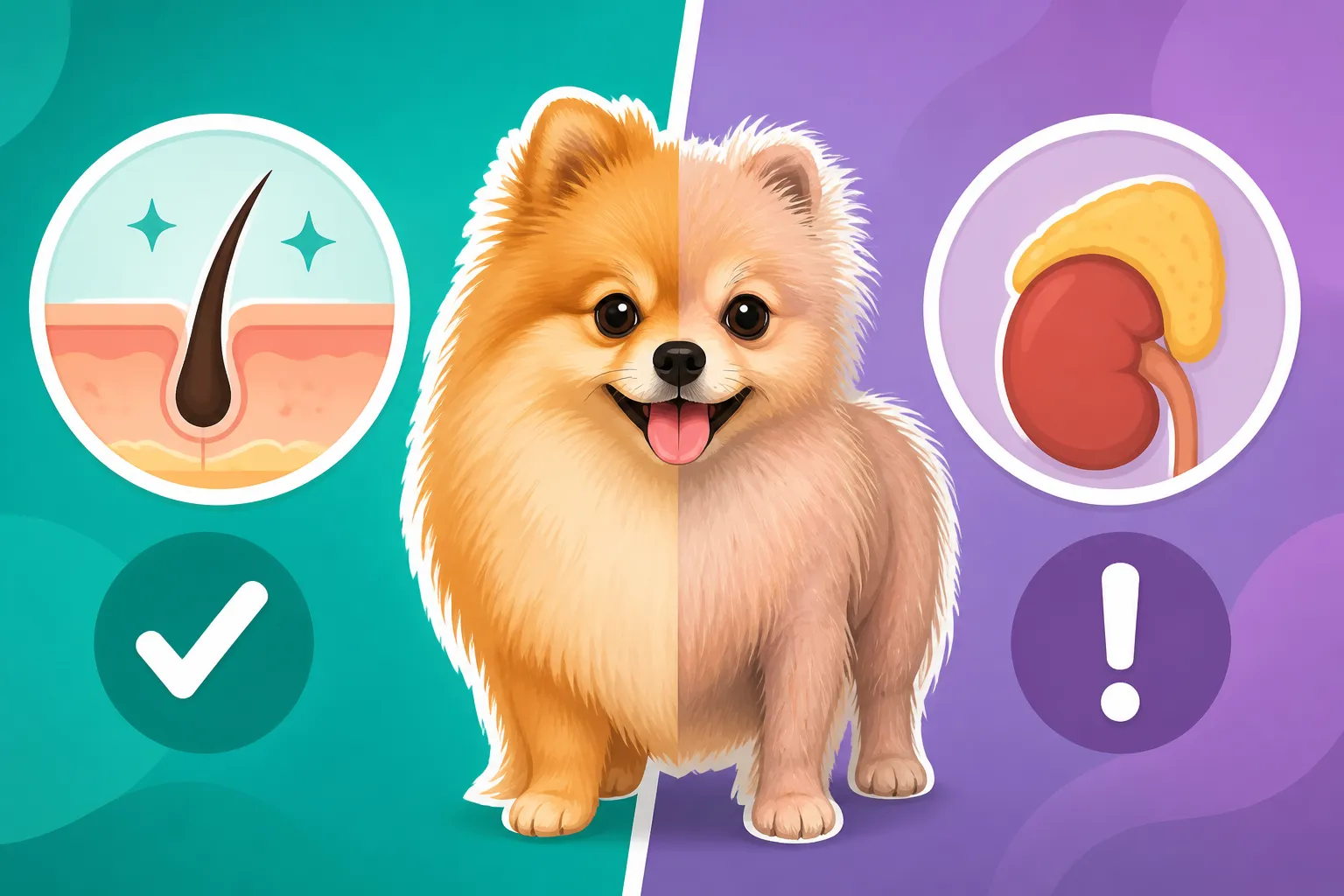
Alopecia X, sometimes referred to as Black Skin Disease (BSD), coat funk, follicular dysplasia, or even pseudo-Cushing's, is primarily a cosmetic skin condition that results in hair loss. While the name "Black Skin Disease" sounds alarming, it's important to understand that the darkening of the skin, known as hyperpigmentation, is usually a secondary symptom of the hair follicles becoming dormant, not a disease of the skin itself in the way a primary infection might be. The exact cause remains largely unknown, which contributes to its "X" designation, implying an unknown factor. However, it's widely accepted to have a strong genetic predisposition within the Pomeranian breed, as well as several other plush-coated breeds like the Keeshond, Alaskan Malamute, and Chow Chow.
Unlike some other conditions, Alopecia X is not considered life-threatening. Your Pomeranian isn't in pain from the hair loss itself, though the exposed skin can become susceptible to sunburn or frostbite, and secondary bacterial or yeast infections might occur, causing discomfort and itching. The journey often starts with a dulling of the coat, then a gradual thinning, especially on the main body, before patches of complete hair loss appear. Over time, the exposed skin often takes on a dark, leathery appearance, which is where many owners connect the dots to Why Pomeranian Owners Call Alopecia X Black Skin Disease. It's a slow, progressive change that can be quite distressing for owners who cherish the iconic Pomeranian double coat.
Common Symptoms and Onset
The classic presentation of Alopecia X in a Pomeranian typically involves a symmetrical pattern of hair loss. This means if hair is falling out on one side, it's often mirroring the loss on the other. You'll commonly see it start on the flanks, hindquarters, and belly, slowly spreading to the trunk and neck. Crucially, the head and legs are usually spared, remaining fully coated, which creates a very distinctive look. Before the complete hair loss, you might notice the luxurious guard hairs become dull and brittle, easily breaking. Then, the dense undercoat starts to thin, losing its plush volume. Eventually, the hair follicles become dormant, leading to bald patches.
The skin beneath these bald areas undergoes hyperpigmentation, gradually turning a dark gray or black. It can also become dry and scaly, and in some cases, thick and leathery to the touch. The onset often occurs in young to middle-aged Pomeranians, typically between one and ten years old, though there are documented cases of it appearing earlier or even later in life. If you're wondering when your Pom might be affected, it's helpful to know The Age Alopecia X Usually Appears in a Pomeranian. The good news, if there is any in this situation, is that for most Poms, the condition itself doesn't cause itching or discomfort unless a secondary skin infection develops. Many owners are relieved to learn Whether Alopecia X Hurts a Pomeranian, as their primary concern is often their pet's well-being.
Deciphering Cushing's Disease Hyperadrenocorticism
While Alopecia X is largely a cosmetic issue, Cushing's disease is a much more serious systemic illness. It's an endocrine disorder that significantly impacts a dog's overall health and well-being, and its symptoms can sometimes mimic those of Alopecia X, making accurate diagnosis absolutely critical.
The Role of Cortisol in Cushing's
Cushing's disease, medically known as hyperadrenocorticism, is a condition where your Pomeranian's body produces too much of a hormone called cortisol. Cortisol is often referred to as the "stress hormone," but it's essential for many normal bodily functions. It helps regulate metabolism, manages inflammation, and helps the body respond to stress. However, too much cortisol for too long becomes toxic and starts to wreak havoc on various organ systems.
There are two main types of naturally occurring Cushing's in dogs:
- Pituitary-Dependent Hyperadrenocorticism (PDH): This is by far the most common form, accounting for about 80-85% of cases. It's caused by a small, benign (non-cancerous) tumor on the pituitary gland in the brain. This tumor overproduces a hormone called ACTH, which then signals the adrenal glands (located near the kidneys) to produce excessive cortisol.
- Adrenal-Dependent Hyperadrenocorticism (ADH): This form occurs when there's a tumor (which can be benign or malignant) on one of the adrenal glands themselves. This tumor directly overproduces cortisol, regardless of the pituitary gland's signals.
Given its systemic nature, Cushing's is far more than just a skin condition; it's a complex disease that impacts multiple body systems, distinguishing it significantly from Alopecia X. It’s definitely The Hormone Disease Mistaken for a Pomeranian's Alopecia.
Beyond Hair Loss: Systemic Symptoms of Cushing's
While hair loss can be a symptom of Cushing's, it presents differently than in Alopecia X and is almost always accompanied by a host of other, more telling clinical signs. With Cushing's, the hair loss is typically non-itchy and symmetrical, but often, the fur on the head and legs is spared, much like Alopecia X. However, the skin tends to become very thin and fragile, sometimes easily bruised. The hair loss might appear patchy or diffuse, and the coat often feels dry and coarse.
What truly sets Cushing's apart are the other symptoms, which point to a deeper, systemic issue:
- Polydipsia (Increased Thirst): Your Pom will drink significantly more water than usual.
- Polyuria (Increased Urination): Consequently, they'll need to urinate more frequently, often having accidents in the house, especially overnight.
- Polyphagia (Increased Appetite): Despite gaining weight or maintaining a stable weight, your Pom will act constantly hungry, even ravenous.
- Pot-bellied Abdomen: Many dogs with Cushing's develop a distended, "pot-bellied" appearance due to the redistribution of fat, weakening of abdominal muscles, and enlargement of the liver.
- Lethargy and Muscle Weakness: Your energetic Pom might become unusually tired, reluctant to play, or struggle with stairs and jumping.
- Panting: Excessive, unexplained panting, even when at rest or in a cool environment, is a common sign.
- Recurrent Skin Infections: The compromised immune system can lead to frequent bacterial skin infections, yeast infections, and poor wound healing.
These widespread symptoms indicate that the body is truly struggling under the burden of excess cortisol. Cushing's tends to affect older dogs, typically those over six years of age, aligning with when The Year a Pomeranian Starts Needing More in terms of veterinary care and monitoring. Many owners find that Healthy Paws pet insurance can be a lifesaver when dealing with the diagnostic tests and ongoing treatment costs for complex, long-term conditions like Cushing's.
Key Differences and Diagnostic Approaches
Given the overlap in some symptoms, particularly hair loss, it’s understandable why owners might confuse Alopecia X and Cushing’s. However, understanding their unique characteristics and the diagnostic pathways is crucial for getting your Pomeranian the correct care.
Symptom Comparison Table
To really nail down the differences, let's lay out the key symptoms side-by-side. This table should make it clearer why relying on just hair loss to differentiate these conditions isn't enough. Understanding these nuanced differences is vital for early detection, and having a reliable pet insurance provider like Healthy Paws can provide peace of mind for the inevitable veterinary visits and specialized tests.
| Symptom / Condition | Alopecia X (Black Skin Disease) | Cushing's Disease (Hyperadrenocorticism) |
|---|---|---|
| Primary Issue | Cosmetic hair loss, primarily affecting skin and coat | Systemic endocrine disorder (excess cortisol) |
| Hair Loss Pattern | Symmetrical, often on flanks, hindquarters, belly, trunk. Head/legs usually spared. Coat dulls, thins, then bald patches. | Symmetrical, often on trunk, thinning skin, spares head/legs. Coarse, dry hair. |
| Skin Changes | Hyperpigmentation (darkening), leathery, dry, sometimes scaly. | Thin, fragile, easily bruised, poor healing, recurrent infections. |
| Thirst (Polydipsia) | Not a typical symptom. | Significantly increased. |
| Urination (Polyuria) | Not a typical symptom. | Significantly increased, frequent accidents. |
| Appetite (Polyphagia) | Not a typical symptom. | Significantly increased, ravenous. |
| Body Shape | Normal body shape, possibly a bit thin if untreated for other issues. | Pot-bellied abdomen common, due to muscle loss and fat redistribution. |
| Energy Levels | Generally normal, unless secondary infection or other health issue. | Often lethargic, weak, reduced stamina. |
| Panting | Not a typical symptom. | Frequent, often excessive panting, even at rest. |
| Itching | Absent unless secondary skin infection present. | Absent unless secondary skin infection present. |
| Age of Onset | Typically 1-10 years, can vary. | Usually older dogs (6+ years). |
Veterinary Diagnosis
Given how different these conditions are fundamentally, a thorough veterinary workup is absolutely essential for an accurate diagnosis. You cannot rely on visual cues alone.
Diagnosing Alopecia X:
Alopecia X is largely a diagnosis of exclusion. This means your veterinarian will first rule out other, more serious conditions that cause hair loss. This process usually involves:
- Skin Biopsies: While not directly diagnostic for Alopecia X, biopsies can reveal characteristic changes in the hair follicles, such as "flame follicles" or miniaturization, and rule out other skin diseases.
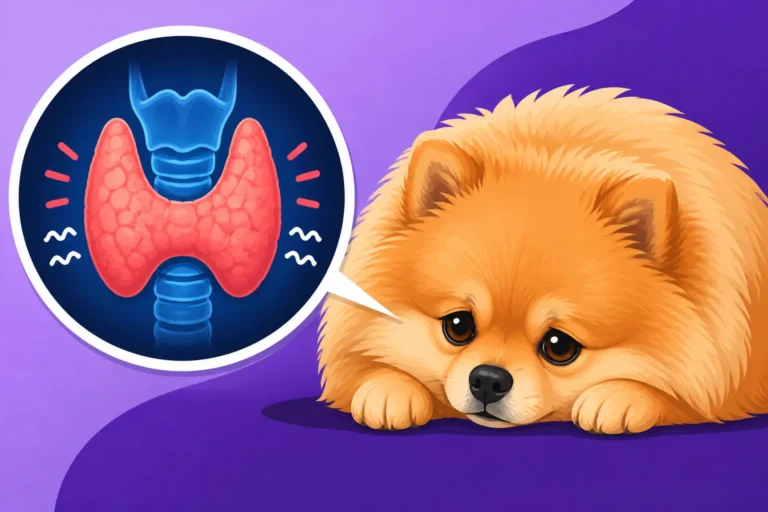
- Blood Tests: Comprehensive blood panels (CBC and chemistry) are typically normal with Alopecia X. Crucially, your vet will perform thyroid function tests, as an underactive thyroid (hypothyroidism) can cause similar coat issues. It's important to be thorough, especially Ruling Out Thyroid on a Balding Pomeranian. Sex hormone panels (like progesterone, estrogen, testosterone, and adrenal sex hormones) might also be run, as hormonal imbalances are suspected in Alopecia X.
- Physical Exam: A careful exam will assess the pattern of hair loss, skin texture, and general health.
If all other causes of hair loss are ruled out and the clinical picture fits, a diagnosis of Alopecia X is made.
Diagnosing Cushing's Disease:
Diagnosing Cushing's is more involved and requires specific endocrine tests:
- Initial Blood Work & Urinalysis: Routine blood tests may show elevations in certain liver enzymes (especially alkaline phosphatase, ALP) and cholesterol, and a stress leukogram. Urinalysis often reveals dilute urine and sometimes protein in the urine, along with a higher chance of urinary tract infections. It's a good idea for any senior dog to have Whether a Pomeranian Needs Pre-Anesthetic Bloodwork done as a baseline anyway.
- Urine Cortisol:Creatinine Ratio: This is a good screening test. A normal result almost always rules out Cushing's, but a high result doesn't confirm it, as stress or other illnesses can also elevate cortisol.
- ACTH Stimulation Test: This test measures how the adrenal glands respond to a synthetic form of ACTH. It involves taking a baseline blood sample, injecting ACTH, and then taking another blood sample an hour or two later. It's one of the most reliable tests for diagnosing Cushing's, particularly for adrenal-dependent cases.
- Low-Dose Dexamethasone Suppression Test (LDDST): This test assesses whether the body's natural feedback mechanism for cortisol production is working correctly. It involves taking a baseline blood sample, administering a low dose of dexamethasone (a synthetic steroid), and then taking blood samples at 4 and 8 hours later. Failure to suppress cortisol indicates Cushing's. It's particularly useful for diagnosing pituitary-dependent Cushing's.
- Abdominal Ultrasound: If Cushing's is diagnosed, an ultrasound of the abdomen can help determine if there's an adrenal tumor (adrenal-dependent Cushing's) or if the adrenal glands are enlarged due to pituitary overstimulation.
These tests can be complex, expensive, and sometimes require multiple visits, highlighting the patience and trust you'll need with your veterinary team.
Treatment Approaches and Prognosis
Once a definitive diagnosis is made, the treatment path for each condition diverges significantly, underscoring why an accurate diagnosis is paramount.
Alopecia X Treatment:
Since Alopecia X is primarily a cosmetic issue, treatments aim to stimulate hair regrowth, though success rates are highly variable, and some Pomeranians never regrow a full coat.
- Neutering/Spaying: For intact males and females, neutering or spaying can sometimes trigger hair regrowth in about 50% of cases. However, it's also worth noting that Whether Neutering Triggers Coat Loss in a Pomeranian is a concern for some, as the hormonal shift can sometimes trigger AX.
- Melatonin: This hormone supplement is often the first line of treatment. It's relatively inexpensive and has minimal side effects. About 40% of dogs show some hair regrowth with melatonin. If you're considering it, read up on Whether Melatonin Regrows a Pomeranian's Coat.
- Growth Hormone Injections: These can be effective but carry potential side effects and are typically used under specialist guidance.
- Microneedling: Some anecdotal evidence suggests that microneedling the skin can stimulate blood flow and hair follicle activity, leading to regrowth.
- Skin Care: Regardless of regrowth, keeping the exposed skin healthy with moisturizing shampoos and sun protection (especially in sunny climates) is important to prevent secondary issues.
The prognosis for Alopecia X itself is excellent; it doesn't impact lifespan, only appearance.
Cushing's Disease Treatment:
Cushing's disease requires lifelong medical management to control cortisol production.
- Medication: The most common medication used is trilostane (brand name Vetoryl), which inhibits an enzyme essential for cortisol production in the adrenal glands. Another option is selegiline (Anipryl), though it's typically less effective for pituitary-dependent Cushing's. These medications require careful dosing and regular monitoring with follow-up ACTH stimulation tests to ensure cortisol levels are within a safe range.
- Surgery: For adrenal-dependent Cushing's caused by a benign tumor, surgical removal of the affected adrenal gland can be curative. However, this is a major surgery with significant risks and is usually performed by specialist surgeons. If the adrenal tumor is malignant, surgery might be combined with chemotherapy.
- Prognosis: Untreated Cushing's can lead to severe health complications, including diabetes, pancreatitis, kidney damage, recurrent infections, and blood clots, significantly impacting your Pomeranian's quality of life and potentially shortening their lifespan. With proper diagnosis and consistent treatment, many dogs with Cushing's can live a good quality of life for several years. Navigating the costs of ongoing medications for conditions like Cushing's can be substantial, which is where Healthy Paws pet insurance often proves invaluable, helping cover a significant portion of prescription costs.
Why Accurate Diagnosis Matters for Your Pomeranian
The journey of figuring out why your Pomeranian is losing hair can feel like navigating a maze, and it's easy to get lost. But armed with knowledge, and working closely with your veterinarian, you can ensure your beloved companion receives the most appropriate and effective care.
Avoiding Misdiagnosis and Inappropriate Treatment
The most critical reason to get an accurate diagnosis is to avoid misdiagnosis and the potentially harmful consequences of inappropriate treatment. Imagine treating a dog for Alopecia X when they actually have Cushing's. You'd be overlooking a serious, progressive systemic disease, allowing it to silently damage your dog's internal organs. The underlying high cortisol levels would continue to cause increased thirst, urination, appetite, muscle weakness, and risk of severe complications like diabetes or pancreatitis. This oversight could drastically shorten their lifespan and diminish their quality of life.
Conversely, if you were to mistakenly treat Alopecia X with Cushing's medications, you could inadvertently create a very dangerous situation. Medications like trilostane are potent and designed to lower cortisol levels. If given to a dog with normal cortisol, it could lead to Addisonian crisis (too little cortisol), which is a life-threatening emergency characterized by vomiting, diarrhea, severe weakness, and collapse. Moreover, these medications are not without their own side effects, which would be entirely unnecessary for a condition that is primarily cosmetic. This highlights why thorough diagnostic testing, rather than an educated guess, is the only responsible approach.
Managing Expectations and Long-Term Care
An accurate diagnosis also empowers you to manage your expectations and prepare for the long-term care your Pomeranian will need.
If your Pom is diagnosed with Alopecia X, you'll understand that while cosmetic, the hair loss won't harm them. You can focus on skin health, protecting them from environmental extremes, and exploring gentle treatments like melatonin, knowing that while regrowth is a possibility, it's not a guarantee. You'll also know that it's a manageable condition that won't impact their playful spirit or longevity.
For a Cushing's diagnosis, the reality is different. You're looking at a chronic, lifelong condition that requires dedicated management. This means regular veterinary visits for monitoring, consistent medication administration, and vigilance for any changes in symptoms or potential side effects. You'll need to work closely with your vet to find the optimal dose of medication to control cortisol without dropping it too low. This ongoing commitment is significant, and it’s why understanding the diagnosis fully is so important for your peace of mind and your Pom's well-being. From routine check-ups to managing chronic conditions, knowing you have support from a company like Healthy Paws can really ease the burden of long-term care decisions. The Checkup Schedule a Pomeranian Should Keep will become a crucial part of your life, ensuring your Pom stays as healthy as possible. Ultimately, making informed decisions about your Pomeranian's health, whether it's understanding a condition or choosing the right pet insurance like Healthy Paws, ensures they live their happiest, healthiest life.
Disclaimer
The information provided in this guide is for informational purposes only and does not constitute veterinary medical advice. Always consult with a qualified veterinarian for any health concerns or before making any decisions about your pet's health or treatment.