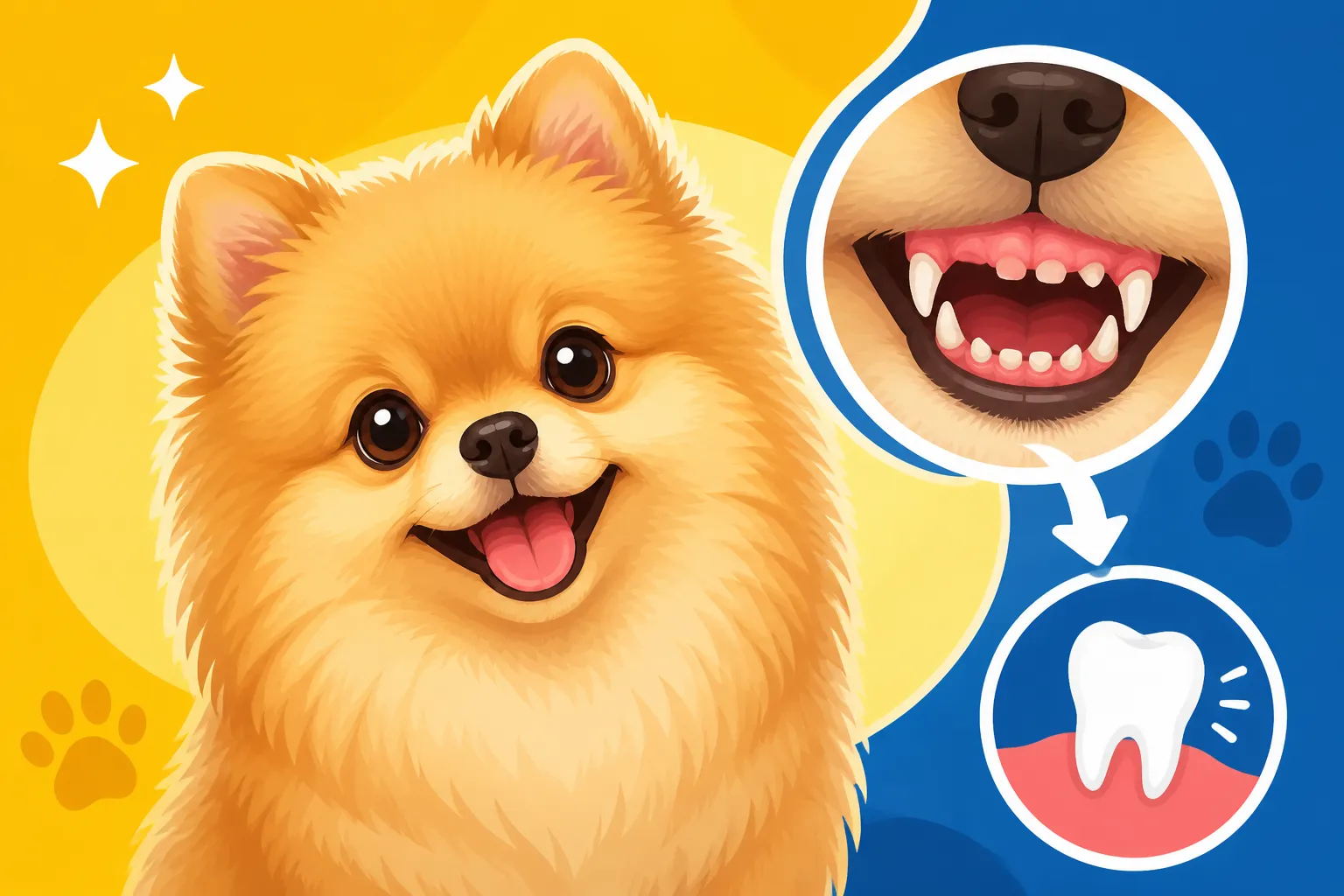
The Age a Pomeranian Should Lose Its Baby Teeth
It’s a common worry for many Pomeranian parents: you’re watching your tiny fluffball grow, and while their adult coat is coming in beautifully, those stubborn little puppy teeth just aren't budging. You expect them to fall out, just like human baby teeth, but sometimes they seem to cling on forever, causing anxiety and questions about what’s normal and what’s not. This comprehensive guide will walk you through the typical dental development of a Pomeranian puppy, explain why retained baby teeth are a particular concern for this breed, and outline the steps you can take to ensure your pup's precious smile stays healthy.
The Typical Timeline for Pomeranian Puppy Teeth
Understanding the normal progression of tooth development is the first step to knowing when something might be amiss. Just like human babies, puppies are born without teeth, and their first set, known as deciduous or "milk" teeth, erupts shortly after. These baby teeth are sharp, small, and serve their purpose during the early weeks of weaning and exploration.
Eruption of Puppy Teeth
Most Pomeranian puppies will start to show their first baby teeth around 3 to 4 weeks of age. This usually begins with the incisors (the small front teeth) and then progresses to the canines (the long, pointy ones) and premolars. By the time a Pomeranian puppy is about 6 to 8 weeks old, they typically have a full set of 28 deciduous teeth. These tiny teeth are crucial for their development, helping them learn to chew and explore the world through their mouths. During this period, you might notice your puppy doing a lot of mouthing and nipping – it's all part of their natural development and exploration as those sharp little pearly whites come in.
The Natural Process of Losing Baby Teeth
The exciting, sometimes messy, phase of losing baby teeth usually begins around 3 to 4 months of age for most Pomeranians. This is when the permanent adult teeth start to push through the gums, dissolving the roots of the baby teeth and causing them to fall out. The process continues until about 6 to 7 months of age, by which time a Pomeranian should have its full set of 42 adult teeth. It's a gradual transition, and you might not even notice many of the tiny baby teeth falling out, as puppies often swallow them during mealtime or play. What you will notice is an increase in chewing, drooling, and perhaps some mild discomfort as those bigger, stronger adult teeth make their way in. This is a critical period for their oral development, and keeping an eye on their progress can save a lot of trouble down the line.
Why Retained Baby Teeth Are a Big Problem for Pomeranians
While it's not uncommon for puppies of any breed to occasionally retain a baby tooth, Pomeranians, along with many other small and toy breeds, are particularly prone to this issue. Their compact jaws and genetic predispositions often set the stage for dental complications that larger breeds might not face as frequently. This isn't just a cosmetic concern; it can lead to significant health problems.
The Anatomy of a Pomeranian's Jaw
Pomeranians have adorably small and delicate mouths, which, unfortunately, means there's less space for 42 adult teeth to properly erupt when 28 baby teeth are still hanging around. Imagine trying to fit two rows of traffic into a single-lane road! This anatomical reality is one of the primary reasons why these little dogs are so susceptible to retained deciduous teeth. When an adult tooth tries to emerge but its baby tooth counterpart is still firmly rooted, it often erupts in an abnormal position. This crowding and misalignment can have a domino effect on their oral health, creating a breeding ground for future issues. It's a challenge unique to many toy breeds, and it requires careful attention from owners.
Dental Disease and Tartar Buildup
One of the most immediate and serious consequences of retained baby teeth is the accelerated development of dental disease. When a baby tooth doesn't fall out, it creates a narrow, cramped space between itself and the emerging adult tooth. This tight crevice becomes a perfect trap for food particles and bacteria. Even with the most diligent Daily Tooth Care in a Pomeranian's Crowded Mouth, it's incredibly difficult to effectively clean these areas. Over time, this leads to a rapid accumulation of plaque and tartar. This isn't just bad breath; this is a serious health issue. We're talking about gingivitis, which is inflammation of the gums, and if left unchecked, it progresses to periodontal disease. This insidious disease can lead to painful infections, tooth decay, and ultimately, tooth loss. Many Pomeranian owners are shocked by how quickly their little dog's teeth can deteriorate, and retained baby teeth are often a key culprit in this swift decline. It’s also something that can impact your pet's overall health, leading to other systemic problems if the bacterial load from the mouth enters the bloodstream.
Malocclusion and Bite Problems
Beyond the increased risk of dental disease, retained baby teeth can severely impact your Pomeranian's bite, leading to what veterinarians call malocclusion. This means the teeth don't align properly when the mouth is closed. When an adult tooth is forced to erupt out of alignment because a baby tooth is still present, it can push against other teeth, the gums, or even the roof of the mouth. For example, a lower adult canine tooth might erupt inside the jaw, pushing into the upper gum or palate, causing painful sores and potential infection. This isn't just uncomfortable for your Pomeranian; it can affect their ability to chew food properly, leading to digestive issues or even an unwillingness to eat. Correcting these bite issues later can be complex and costly, often requiring orthodontic work or multiple extractions. It's truly a cascade of problems stemming from something seemingly small.
Pain and Discomfort
Perhaps the most overlooked consequence of retained baby teeth is the chronic pain and discomfort your Pomeranian might experience. While dogs are incredibly stoic and often hide their pain, living with crowded, misaligned, and diseased teeth is undoubtedly uncomfortable. The constant pressure of an adult tooth pushing against a retained baby tooth, the inflammation of gingivitis, or the irritation of a misaligned tooth digging into the soft tissues of the mouth can cause significant pain. This discomfort can manifest in subtle behavioral changes: reluctance to play with chew toys, reduced appetite, excessive drooling, pawing at the mouth, or even changes in temperament. As loving pet parents, we want our Poms to be happy and pain-free, and addressing these dental issues promptly is a crucial part of that. Ignoring the problem in the hope that it will resolve itself almost always leads to a more painful and expensive situation down the road.
Addressing Retained Deciduous Teeth
Discovering your Pomeranian has retained baby teeth can be concerning, but thankfully, it's a very treatable condition. Early intervention is key to preventing the cascade of health issues we just discussed. Your veterinarian is your most valuable partner in navigating this process.
When to Consult Your Veterinarian
The general rule of thumb is that if your Pomeranian still has any baby teeth present by 6 to 7 months of age, it's time for a veterinary visit. Don't wait until all the adult teeth have fully erupted and caused significant malocclusion. A proactive approach is always best. Your vet will perform a thorough oral examination, checking for any retained deciduous teeth, assessing their location, and noting any signs of crowding, gingivitis, or malocclusion. They'll also be looking for specific issues like The Baby Canines a Pomeranian Fails to Lose, which are particularly common.
It's helpful to keep a keen eye on your puppy's mouth yourself during their teething phase. Gently lift their lips weekly to check their progress. If you notice an adult tooth emerging right next to a baby tooth that hasn't fallen out, that's a clear signal to call your vet. Even if it’s just one small incisor, it’s worth a check-up, as sometimes one retained tooth can be a sign of others. Pet insurance providers like Healthy Paws often cover dental procedures when they're medically necessary, which can be a huge relief if extractions are needed.
The Extraction Process for Retained Teeth
Once your veterinarian identifies retained baby teeth that need to be removed, they will recommend a dental procedure under general anesthesia. It's natural to be worried about your small Pomeranian going under anesthesia, but for tiny breeds, this is actually standard practice for safe and effective dental care. Your vet will likely recommend pre-anesthetic bloodwork to ensure your Pomeranian is healthy enough for the procedure, especially considering the potential Anesthesia Risk in a Four Pound Pomeranian.
During the procedure, your veterinarian will carefully extract the retained baby teeth. This is a delicate process, especially for the small jaws of a Pomeranian, as the roots of baby teeth can sometimes be surprisingly long and fragile. The goal is to remove the entire tooth, including the root, to prevent any fragments from remaining that could cause future problems. Often, multiple teeth might need to be removed, which is why procedures like Pulling a Pomeranian's Retained Canines are so common. It's a surgical procedure designed to create the necessary space for the adult teeth to properly settle into place, preventing future crowding and disease.
Post-Extraction Care
After the extraction procedure, your Pomeranian will need some tender loving care to recover comfortably. Your vet will provide specific instructions, but generally, you can expect some common elements:
- Pain Management: Your Pomeranian will likely be sent home with pain medication to keep them comfortable during the initial recovery period. Administer this as directed, even if they seem fine, to stay ahead of any discomfort.
- Soft Food Diet: For a few days, your vet will recommend feeding a soft or moistened diet. This prevents irritation to the extraction sites and allows the gums to heal without unnecessary stress. Think canned food or kibble soaked in warm water.
- Restricted Activity: Limit vigorous play and chewing for about a week. You don't want them to accidentally open a healing site or introduce bacteria.
- Monitoring: Keep an eye on their mouth for any signs of swelling, redness, discharge, or reluctance to eat. If you notice anything concerning, contact your vet immediately.
Remember, while the immediate post-operative period requires attention, this procedure is a crucial investment in your Pomeranian's long-term health and comfort. It dramatically reduces their risk of developing severe Why a Pomeranian's Teeth Crowd and Rot and the need for more complex Extractions in a Pomeranian's Small Jaw in the future.
Preventative Measures and Ongoing Oral Health
While you can't always prevent retained baby teeth, you can certainly take proactive steps to promote overall oral health for your Pomeranian, and manage issues if they arise. Establishing good habits early on is the best defense against dental disease.
Daily Brushing Habits
One of the most impactful things you can do for your Pomeranian's dental health is to commit to daily tooth brushing. Yes, daily! This might sound daunting for such a small dog, but it's incredibly effective in removing plaque before it hardens into tartar. Start early, when your Pomeranian is a puppy, and make it a positive experience with lots of praise and treats. Use a pet-specific toothbrush or a finger brush and an enzymatic pet toothpaste (never human toothpaste). Focus on the outside surfaces of the teeth, where plaque tends to accumulate most. Even if you only manage a quick brush for a minute, every little bit helps. It might seem like a chore at first, but it quickly becomes a routine. If you're wondering Whether a Pomeranian Needs Its Teeth Brushed Daily, the answer is a resounding yes, especially given their predisposition to dental issues. Consistent brushing can significantly reduce the frequency of professional cleanings your dog will need over their lifetime.
Appropriate Chews and Toys
Providing safe and appropriate chew toys can also contribute to your Pomeranian's dental hygiene by helping to scrape away soft plaque. However, caution is key! Not all chews are created equal, and some can be detrimental to your Pomeranian's tiny teeth.
Here’s a quick guide:
| Type of Chew | Pros | Cons | Recommendation |
|---|---|---|---|
| Rubber Chew Toys | Durable, flexible, promotes gentle chewing | Some might be too hard if not specifically designed for small dogs | Excellent choice for daily chewing |
| Dental Chews | Formulated to reduce plaque and tartar, often palatable | Can be high in calories; check ingredients carefully | Good supplemental tool, but not a substitute for brushing |
| Bully Sticks/Soft Antlers | Natural, long-lasting (for some Poms) | Can be too hard for small teeth, risk of choking on small pieces | Use with caution, supervise closely, ensure appropriate size |
| Hard Bones (raw or cooked) | Avoid entirely; too hard, risk of tooth fractures | Can cause severe damage, choking hazard | Strictly avoid |
When selecting Chews Sized for a Pomeranian's Jaw, choose items that are flexible enough to give slightly when you press them with your thumbnail. Anything too hard can lead to painful tooth fractures, which are expensive to fix and can cause significant discomfort. Always supervise your Pomeranian when they are enjoying a chew toy to prevent choking hazards or accidental ingestion of large pieces. Reputable brands like Nylabone or Kong offer excellent options specifically designed for small breeds.
Ultimately, vigilance and proactive care are the best gifts you can give your Pomeranian for a long, healthy life, free from the pain and complications of dental problems. Organizations like Healthy Paws support early intervention by covering necessary treatments, making it easier for owners to prioritize their pet’s health without undue financial stress. Staying on top of their oral health, from puppyhood through their senior years, is critical for their overall well-being and happiness.
Disclaimer
This article is intended for informational purposes only and does not constitute veterinary advice. Always consult with a qualified veterinarian for any health concerns or before making any decisions about your pet's medical care.