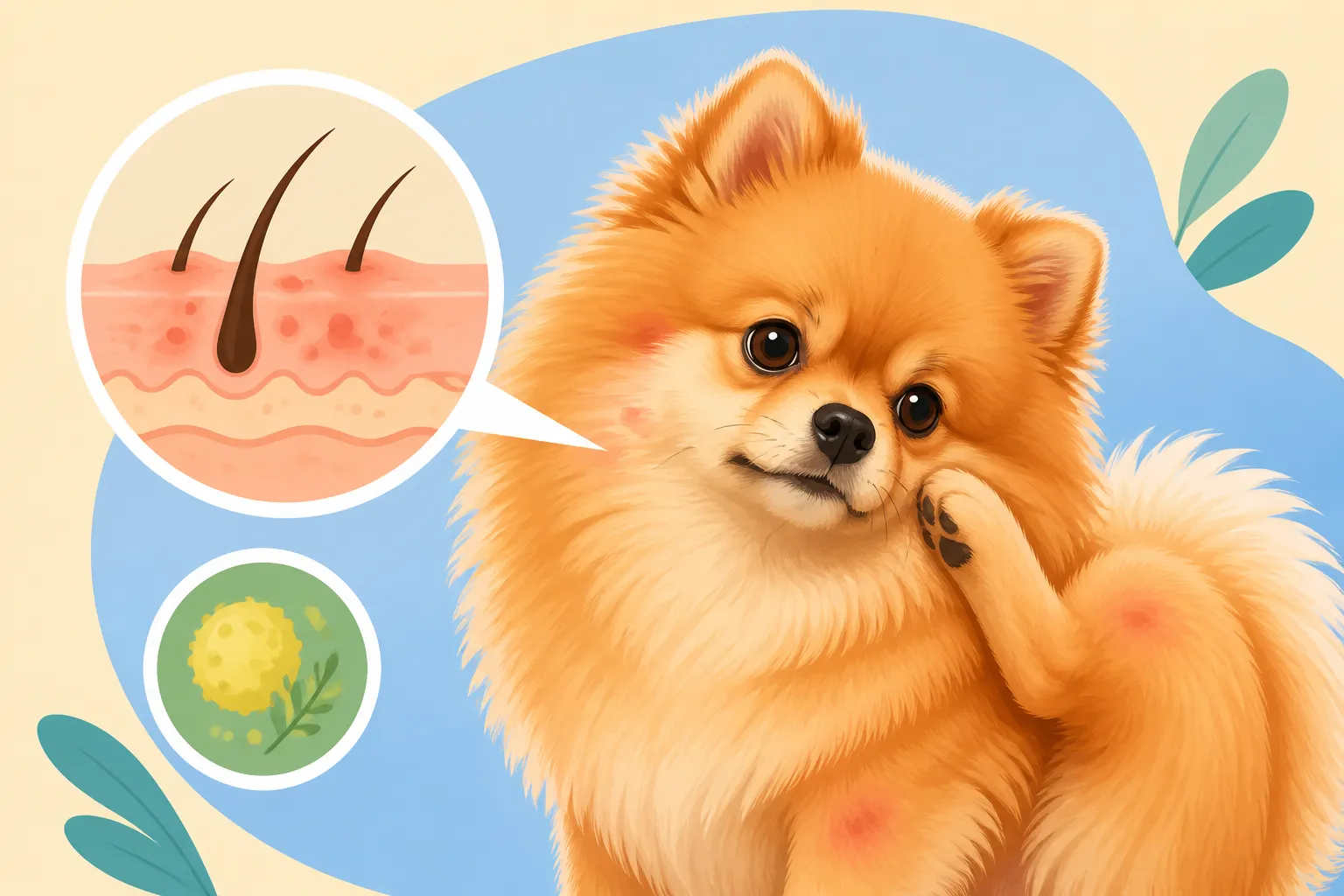
Whether a Pomeranian Is Prone to Skin Allergies
It’s incredibly disheartening when your precious Pomeranian starts scratching incessantly, licking their paws raw, or developing strange red patches on their skin. You wonder if this is just their thing, or if little Poms are simply more prone to these frustrating skin issues. This comprehensive guide will delve deep into the world of Pomeranian skin allergies, helping you understand why they happen, how to spot the signs, and what you can do to bring your furry friend much-needed relief and maintain their gorgeous, fluffy coat.
Understanding Pomeranian Skin Sensitivities
When you look at a Pomeranian with their magnificent double coat, it’s easy to assume their skin underneath is perfectly protected. But the reality is, their skin, like any other dog's, can be incredibly delicate and susceptible to various irritants and allergens. Many owners wonder if their breed specifically is more prone than others.
Why Poms Might Seem Prone
While Pomeranians aren't necessarily more prone to certain types of skin allergies compared to some breeds known for chronic issues (like French Bulldogs or certain terrier breeds), they can still suffer significantly. Their small size and dense coat can sometimes make identifying skin problems a bit trickier, or even exacerbate certain conditions. For instance, the very things that make Poms so adorable – their fluffy coats – can trap allergens close to the skin, make air circulation difficult, and even hide early signs of irritation.
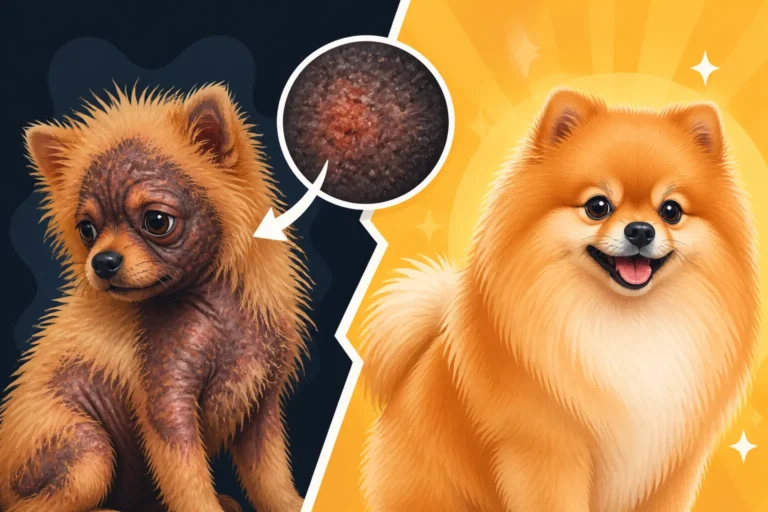
Owners might also notice issues more readily because Poms are often kept indoors, where environmental allergens like dust mites and pollen can be concentrated. Plus, their lively, sometimes high-strung personalities can lead to stress, which in turn, can sometimes lower their immune response and make them more susceptible to skin flare-ups. It’s a vicious cycle, where a tiny itch can quickly escalate into a full-blown problem that leaves both you and your Pom feeling miserable. We often hear concerns about other skin conditions like Why Pomeranian Owners Call Alopecia X Black Skin Disease, which can sometimes be confused with or compounded by allergy symptoms.
The Role of the Double Coat
The Pomeranian's iconic double coat is a marvel of nature, designed to protect them from harsh elements in their ancestral colder climates. It consists of a soft, dense undercoat and longer, harsher guard hairs. This beautiful coat, while a hallmark of the breed, can be a double-edged sword when it comes to skin health.
Firstly, the density of the coat can make it a perfect breeding ground for moisture and heat if not properly groomed. This creates an ideal environment for yeast and bacteria to flourish, especially if the dog gets wet and isn't thoroughly dried. Secondly, allergens like pollen, dust, and even environmental molds can get deeply embedded in the fur, staying in prolonged contact with the skin and triggering reactions. Regular, thorough grooming, as detailed in our guide on The Double Coat That Makes a Pomeranian and Why It Stays On, is absolutely crucial not just for aesthetics but for skin health. Neglecting to brush and comb regularly can lead to mats, which further restrict airflow and can pull on the skin, causing irritation and making it easier for infections to take hold. Imagine trying to scratch an itch through a thick blanket; that's what your Pom might be experiencing.
Common Types of Skin Allergies in Pomeranians
Skin allergies in dogs generally fall into a few main categories, and Pomeranians can experience any of them. Understanding the type of allergy can help guide treatment and management.
Environmental Allergies (Atopy)
Environmental allergies, also known as atopy or atopic dermatitis, are one of the most common causes of chronic itching in dogs, and Poms are certainly not immune. These allergies are triggered by airborne particles like pollen (from trees, grasses, weeds), dust mites (found in household dust), and mold spores. Symptoms are often seasonal if triggered by pollen, but can be year-round if the culprit is dust mites or molds.
When a Pomeranian with atopy is exposed to these allergens, their immune system overreacts, leading to inflammation and intense itching. Instead of sneezing or runny eyes like humans, dogs typically manifest these allergies through their skin. You might notice your Pom excessively licking their paws until they're red and raw, rubbing their face against furniture, or scratching their ears and body constantly. The skin can become red, inflamed, and sometimes develop a greasy feel or even a foul odor due to secondary yeast or bacterial infections. This constant irritation can also lead to hair loss, especially around the flanks, belly, and inner thighs. It's truly miserable to watch them suffer, and getting to the bottom of it often involves careful observation of when and where the symptoms appear.
Food Allergies
While less common than environmental allergies, food allergies can also manifest as skin problems in Pomeranians. A true food allergy involves an immune response to a specific protein in the diet, such as chicken, beef, dairy, wheat, or soy. Unlike food sensitivities (which might cause digestive upset), food allergies primarily present with skin symptoms, though digestive issues like vomiting or diarrhea can sometimes accompany them.
The symptoms of food allergies often look very similar to environmental allergies: intense itching, redness, ear infections, and paw licking. The key difference is that food allergy symptoms tend to be year-round and non-seasonal, regardless of what's blooming outside. Diagnosing food allergies can be a bit of a challenge and usually requires a strict elimination diet, where your Pom is fed a novel protein or hydrolyzed protein diet for several weeks to see if symptoms resolve, then specific ingredients are slowly reintroduced to identify the allergen. It requires patience and dedication, but finding the trigger can bring immense relief. For chronic conditions, having robust pet insurance, such as a plan from Healthy Paws, can really make a difference in covering diagnostic tests and special diet costs.
Contact Dermatitis
Contact dermatitis occurs when your Pomeranian's skin comes into direct contact with an irritating substance or allergen. This is usually a localized reaction, meaning the irritation appears only where the skin touched the offending agent. Common culprits include certain cleaning products, fertilizers, pesticides, detergents in their bedding, certain fabrics, or even specific plants like poison ivy (though less common for Poms who spend less time in wild areas).
Symptoms might include redness, bumps, blisters, or intense itching and irritation on the belly, paws, or other areas that directly touched the irritant. For example, if your Pom lies down on a freshly cleaned carpet that still has detergent residue, they might develop a rash on their tummy. If they walk through an area sprayed with a lawn chemical, their paws could become irritated. Identifying and removing the offending substance is key to resolving contact dermatitis. A meticulous review of what your Pom has come into contact with recently is often the first step in solving this puzzle.
Recognizing the Signs and Symptoms
Catching skin allergies early can make a big difference in your Pomeranian's comfort and the ease of treatment. Sometimes, the subtle changes are easy to miss under all that fluff.
Itching, Redness, and Hot Spots
The most obvious sign of skin allergies is persistent itching. Your Pomeranian might be scratching with their paws, rubbing against furniture, or scooting on the floor. Pay close attention to how and where they are itching. Are they licking their paws constantly? Rubbing their face after eating or coming in from outside? Are their ears bothering them? Redness of the skin, especially in areas with thinner fur like the belly, armpits, or between the paw pads, is another tell-tale sign. The skin might look inflamed, bumpy, or even slightly thickened over time due to chronic irritation.
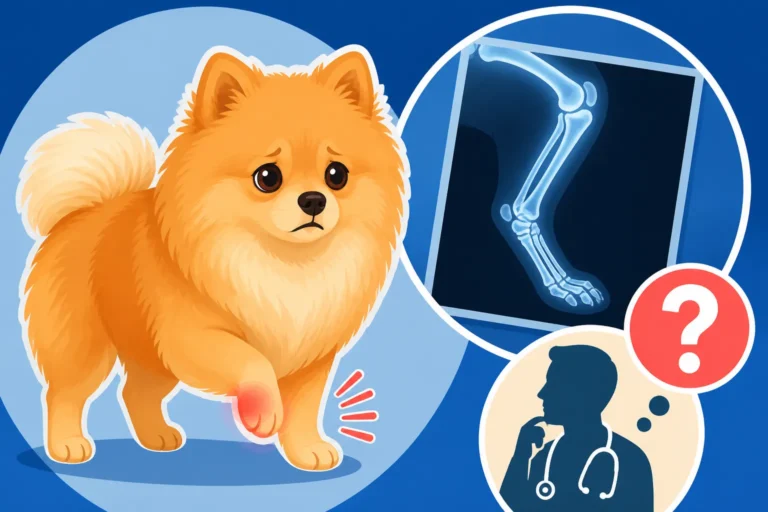
One of the most concerning developments from intense itching is the formation of "hot spots," also known as acute moist dermatitis. These are rapidly developing, painful, red, oozing skin lesions that appear almost overnight. Your Pom will typically focus their licking, chewing, and scratching on one area, quickly creating an open wound that becomes infected with bacteria. Hot spots can be incredibly painful and grow very quickly, often requiring immediate veterinary attention to clean, clip the surrounding fur, and treat with antibiotics or anti-inflammatories. It’s a classic frustration for owners: one minute your dog has a slight itch, the next, a large, raw patch has appeared. If you notice The Thinning That Starts on a Pomeranian's Hindquarters, it could be due to constant licking and chewing in that area, often related to allergies.
Coat Changes and Secondary Infections
Beyond the immediate irritation, skin allergies can lead to noticeable changes in your Pomeranian's magnificent coat. Chronic itching and inflammation can damage hair follicles, leading to hair loss or a dull, brittle coat texture. You might notice thinning fur, particularly in areas of constant scratching like the flanks, inner thighs, or around the ears. Sometimes, the skin can even darken (hyperpigmentation) and thicken (lichenification) over time due to chronic irritation, taking on a leathery appearance. This is a common consequence of long-term, untreated allergies.
Secondary infections are also a very common and unfortunate complication of allergies. When the skin barrier is compromised by constant scratching and inflammation, bacteria (like Staphylococcus) and yeast (Malassezia) that normally live on the skin can overgrow and cause infections. These infections lead to even more itching, redness, a greasy coat, and often a distinct, unpleasant odor (often described as "yeasty" or "doggy"). Ear infections, presenting as red, itchy, smelly ears, are also frequent companions to skin allergies, especially atopy and food allergies. Addressing these secondary infections is crucial for your Pom's comfort and recovery, but remember that treating the infection alone won't solve the underlying allergic cause. Regular check-ups, as outlined in The Checkup Schedule a Pomeranian Should Keep, are essential for early detection of such issues.
Diagnosis and Management Strategies
Dealing with Pomeranian skin allergies can feel like a long and winding road, but with the right approach and a dedicated veterinarian, relief is absolutely possible.
Working with Your Veterinarian
The first and most critical step when you suspect your Pomeranian has skin allergies is to schedule an appointment with your veterinarian. Don't try to self-diagnose or treat with over-the-counter remedies, as you could delay proper treatment and worsen the condition. Your vet will perform a thorough physical exam, discuss your Pom's history, diet, environment, and the pattern of their symptoms.
They will likely recommend diagnostic tests to rule out other conditions that can cause similar symptoms, such as parasites (fleas, mites – even if you don't see them, a single flea bite can trigger a severe allergic reaction), fungal infections (ringworm), or hormonal imbalances (like hypothyroidism, which can cause skin and coat issues). These tests might include:
- Skin scrapings: To look for mites.
- Fungal cultures: To check for ringworm.
- Cytology: To examine skin cells under a microscope for yeast or bacteria, which helps diagnose secondary infections.
- Blood tests: To check for underlying systemic issues or hormonal imbalances.
If these common causes are ruled out, and allergies are still suspected, your vet might suggest:
- Food elimination trial: As discussed, this is the gold standard for diagnosing food allergies.
- Allergy testing: This can involve either blood tests (serum IgE testing) or intradermal skin testing (similar to human allergy tests, performed by a veterinary dermatologist). While these tests don't diagnose an allergy, they can help identify specific environmental allergens, which can then guide management strategies like allergen avoidance or immunotherapy (allergy shots/drops).
It's a process, and it requires working closely with your vet. Remember, chronic conditions can incur significant costs, so having pet insurance, like a comprehensive plan from Healthy Paws, can provide peace of mind by helping to cover the expenses of diagnostics, medications, and specialist consultations.
| Type of Allergy | Common Triggers | Primary Symptoms | Diagnostic Approach |
|---|---|---|---|
| Environmental (Atopy) | Pollen, dust mites, mold | Itching, paw licking, ear infections, redness | Allergy testing (blood/skin), ruling out other causes |
| Food Allergy | Protein sources (chicken, beef, dairy) | Year-round itching, ear/paw issues, sometimes GI | Strict elimination diet trial |
| Contact Dermatitis | Cleaning products, plants, fabrics | Localized redness, bumps, itching where contacted | Avoidance, patch testing (less common), history |
| Fleas | Flea saliva | Intense itching, especially at tail base, scabs | Flea comb, fecal exam, response to flea prevention |
Long-Term Care and Prevention
Managing Pomeranian skin allergies is often a long-term commitment, focusing on controlling symptoms and preventing flare-ups. Once the cause is identified (or narrowed down), your vet will work with you on a tailored management plan.
Strategies for managing environmental allergies (atopy) might include:
- Allergen avoidance: Minimizing exposure to identified allergens. This could mean frequent dusting, using HEPA filters, washing bedding weekly, or wiping down your Pom after outdoor excursions.
- Medications:
- Antihistamines: May provide mild relief for some dogs.
- Corticosteroids: Highly effective for acute flare-ups but carry potential side effects with long-term use.
- Immunosuppressants (e.g., Apoquel, cyclosporine): Newer drugs that specifically target the itch pathway or modulate the immune system, offering effective relief with fewer side effects than steroids for many dogs.
- Biologics (e.g., Cytopoint): Injectable medications that target a specific protein involved in the itch cycle, providing several weeks of relief with minimal side effects.
- Immunotherapy (allergy shots/drops): If specific allergens are identified, a customized vaccine can desensitize your Pom over time. This is the only treatment that can change the underlying allergic response.
- Therapeutic bathing: Frequent bathing with medicated shampoos can help remove allergens, soothe the skin, and treat secondary infections. Products containing chlorhexidine or miconazole are often prescribed.
For food allergies:
- Strict prescription diet: Lifelong feeding of a limited ingredient, novel protein, or hydrolyzed protein diet that avoids the identified allergen. This needs to be strictly adhered to – no cheating with treats or table scraps!
For all types of allergies, general supportive care is crucial:
- Flea prevention: Year-round, consistent flea and tick prevention is non-negotiable, even if fleas aren't the primary issue. A single flea bite can trigger a massive reaction in an allergic dog.
- Skin barrier support: Supplements like omega-3 fatty acids (fish oil) can improve skin and coat health, reducing inflammation and strengthening the skin barrier. Discuss Supplements That Support a Pomeranian's Skin with your vet.
- Regular grooming: As mentioned before, maintaining a clean, well-brushed coat helps remove allergens and allows skin to breathe. Our guide on What a Full Pomeranian Groom Includes can provide more detail.
- Probiotics: Some research suggests a healthy gut microbiome can positively impact skin health.
It takes dedication, but finding the right balance of treatments and preventive measures can drastically improve your Pomeranian's quality of life, allowing them to live comfortably without constant itching and irritation. Pet insurance like Healthy Paws can also be a tremendous asset in managing these ongoing medical needs.
Disclaimer
Please remember that the information provided in this guide is for educational purposes only and should not be considered a substitute for professional veterinary advice. Always consult with a qualified veterinarian for any health concerns or before making any decisions about your Pomeranian's care and treatment.