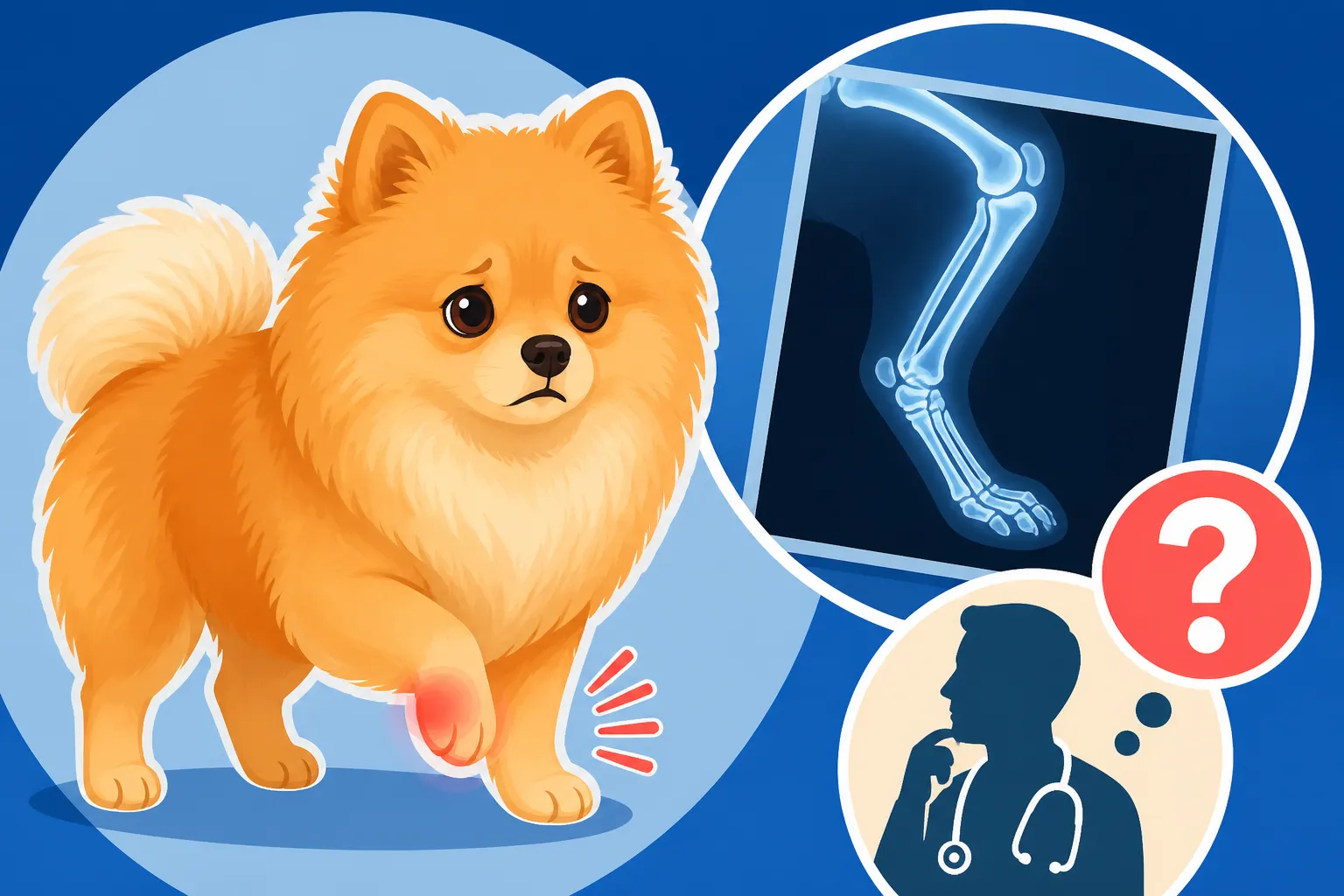
Whether a Limping Pomeranian Needs an X-Ray
It's incredibly distressing to see your tiny Pomeranian suddenly limping, hopping, or refusing to put weight on a paw. Our hearts sink, and the immediate fear is often something serious like a broken bone. This guide is here to walk you through the various reasons a Pomeranian might limp, help you understand when an X-ray is truly necessary, and what to expect during this often nerve-wracking diagnostic process.
Understanding Why Your Pomeranian Might Be Limping
When your adorable Pom starts to limp, it's natural to jump to the worst conclusions. But the truth is, a limp can stem from a wide range of issues, from something minor that resolves with rest to more serious conditions requiring veterinary intervention. Understanding these possibilities can help you approach the situation calmly and provide your vet with valuable information.
Common Orthopedic Issues in Pomeranians
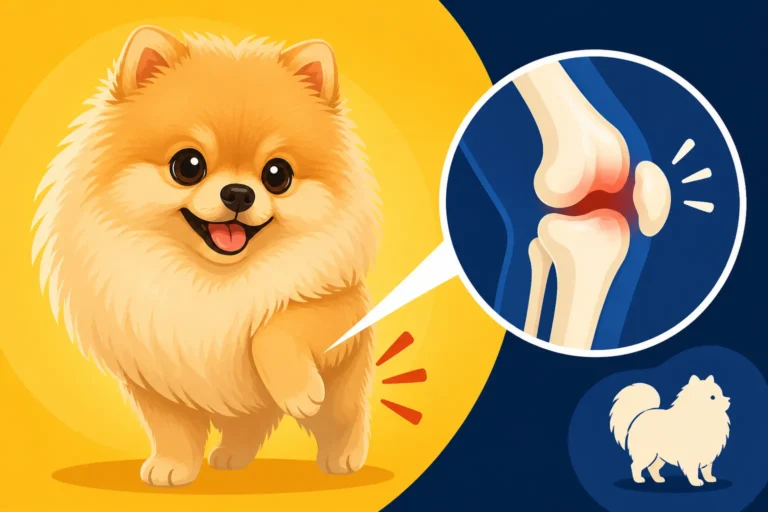
Pomeranians, despite their small stature, are prone to a few specific orthopedic conditions that can lead to limping. One of the most frequently encountered is patellar luxation, often described as "slipping kneecaps." This is where the kneecap (patella) moves out of its normal groove. You might notice your Pomeranian skipping a step, holding a leg up for a moment, and then carrying on as if nothing happened. This intermittent nature can sometimes make owners think it's not a big deal, but it can worsen over time. If you've ever heard of "Slipping Kneecaps in a Five Pound Pomeranian", you know just how common this is.
Another concern, especially in younger, smaller Pomeranians, can be Legg-Calvé-Perthes disease. This condition affects the hip joint, where the head of the femur deteriorates, leading to pain and lameness. It's often seen in toy breeds and can present as a gradual onset of limping in one of the hind legs. Older Poms, like many small breeds, can also develop Arthritis in a Pomeranian at Ten, causing stiffness and limping, particularly after rest or in cold weather. These conditions can sometimes be present for a while before becoming overtly noticeable, and a sudden change in activity or an accidental twist can make the underlying issue flare up.
Soft Tissue Injuries and Minor Sprains
Sometimes, the cause of a limp isn't a bone or joint problem but rather a soft tissue injury. Think of it like us humans twisting an ankle or pulling a muscle. Your Pomeranian might have jumped off the sofa a little awkwardly, landed wrong, or played a bit too rough with another pet. These minor sprains, strains, or bruises to muscles, ligaments, or tendons can cause acute pain and limping. The good news is that many of these minor injuries will often improve with a few days of strict rest, though it's always best to have a vet confirm.
It's also possible for something as simple as a thorn in a paw pad, a broken nail, or even a bee sting to cause acute lameness. These are often easier to spot if your Pom allows you to gently examine their paw, but sometimes the irritation is subtle. Remember, a tiny cut or splinter can feel huge to a dog as small and delicate as a Pomeranian, impacting their willingness to bear weight on the affected limb.
Other Less Obvious Causes of Discomfort
Beyond orthopedic and soft tissue injuries, there are a few less common but equally important reasons a Pomeranian might limp. For instance, nerve impingement or disc issues in the spine can sometimes manifest as limping or weakness in a limb, especially if it affects the nerves leading to the legs. This is less common in Poms than some other breeds, but not unheard of. In rare cases, more systemic issues like certain types of infections or even some cancers affecting bone or joints can cause lameness.
Even something as simple as an ill-fitting collar can indirectly affect gait or cause discomfort that makes a dog move awkwardly, though this rarely results in a true limp. However, it's crucial to rule out anything that could be making your dog uncomfortable or causing pain, which is why a thorough vet examination is so important.
When Is an X-Ray Truly Necessary for a Limping Pomeranian?
This is the million-dollar question for many worried pet parents. It’s tough to know whether a quick trip to the vet is enough, or if you’re looking at a full diagnostic workup. Deciding on an X-ray isn't always straightforward and often depends on the severity and duration of the limp, as well as what the physical examination reveals.
Acute, Severe Lameness vs. Intermittent Skipping
If your Pomeranian suddenly can't put any weight on a leg, is crying out in pain, or you suspect a severe trauma (like being hit by something or falling a significant distance), an X-ray is almost certainly going to be recommended right away. This kind of acute, non-weight-bearing lameness strongly suggests a fracture, severe dislocation, or major ligament tear that requires immediate attention. In these critical situations, delaying imaging could worsen the injury or prolong your pet's suffering.
On the other hand, if your Pom has an intermittent skip, a slight limp that comes and goes, or only limps after strenuous activity, the urgency for an X-ray might be less immediate. This is often the presentation of conditions like patellar luxation, where the kneecap slips only occasionally. For these cases, your vet might suggest a period of rest, anti-inflammatory medication, and observation before jumping straight to radiographs. They might want to see if conservative management improves the situation. Understanding The Age a Pomeranian's Kneecap First Slips can also provide context for your vet's assessment.
The Role of Physical Exam and Observation
Before recommending an X-ray, a good veterinarian will perform a thorough physical examination. This is often the most critical step. They will gently palpate your Pomeranian's limbs, joints, and spine, looking for swelling, heat, pain response, and assessing the range of motion. They'll also observe your dog walking, trotting, and even standing. Often, a skilled vet can narrow down the potential cause of a limp significantly through this hands-on assessment. They might be able to feel a luxating patella, detect crepitus (a grinding sound) in a joint, or pinpoint a specific area of pain.
For minor limps, your vet might suggest trying a period of rest and anti-inflammatory medication for a few days to a week. If the limping resolves, it often points to a soft tissue sprain that didn't require imaging. If it persists or worsens, then an X-ray becomes a much more logical next step. It's like when you hurt yourself – often you try R.I.C.E. before you head to the emergency room, unless it's obviously broken.
Factors Influencing the Decision for Imaging
Several factors will influence your vet’s decision to recommend an X-ray. The age of your Pomeranian is one; puppies and young adults might be more prone to growth plate injuries or conditions like Legg-Calvé-Perthes, while older Poms are more susceptible to arthritis or even bone tumors. The duration of the limp is also key; a limp that has lasted for several weeks or months despite rest and conservative treatment certainly warrants further investigation. The presence of swelling, obvious deformity, or severe pain are all strong indicators for immediate imaging.
Also, consider your Pom’s general health. If they have other underlying conditions or are considered high-risk for anesthesia (which may be needed for a proper X-ray, especially for nervous or painful dogs), your vet will weigh these factors carefully. Financial considerations are also a reality for many pet owners. Discussing costs with your vet and understanding what your pet insurance, like Healthy Paws, might cover for diagnostics is always a good idea. Knowing what to expect regarding costs can help you make informed decisions without added stress.
What an X-Ray Can and Cannot Reveal
An X-ray is a powerful diagnostic tool, but it's not a magic bullet that reveals everything. Understanding its capabilities and limitations is important for setting realistic expectations and deciding on the best course of action for your Pomeranian.
Identifying Fractures and Joint Abnormalities
The primary strength of an X-ray (radiograph) is its ability to visualize bone structures. This means it's excellent for confirming or ruling out fractures, which is often the biggest concern when a dog is limping severely. It can show breaks, chips, and even subtle stress fractures that might not be obvious on a physical exam. For example, if your Pomeranian had a nasty fall and is non-weight-bearing, an X-ray would quickly show if there’s a broken bone in their leg or paw.
Beyond fractures, X-rays are also invaluable for assessing joint health. They can reveal evidence of arthritis (like bone spurs or narrowed joint spaces), assess the severity of conditions like hip dysplasia (though less common and severe in Poms, still possible) or Legg-Calvé-Perthes disease, and even show the extent of Grading Patellar Luxation in a Pomeranian. They can detect dislocations, bone tumors, and some foreign objects embedded in the soft tissues if they are radio-opaque (like metal or some types of stone). For instance, if a suspected fracture needs to be repaired, a clear X-ray series would be essential for planning surgery.
Limitations of Radiographs for Soft Tissue Damage
While X-rays are fantastic for bones, they are less effective at visualizing soft tissues. This means they cannot directly show ligament tears, muscle strains, or tendon damage. For example, if your Pomeranian has torn a cruciate ligament in their knee, an X-ray might show secondary signs like joint effusions or subtle changes in bone alignment over time, but it won't show the torn ligament itself. Similarly, a severe muscle strain would likely not be visible on a plain X-ray.
This is a crucial distinction. Sometimes, even with a normal X-ray, your vet might still suspect a soft tissue injury and recommend further diagnostics or a trial of rest and anti-inflammatory medication. This is not because the X-ray was "wrong," but because the injury was beyond what that particular imaging modality could effectively display. This is a common scenario when diagnosing conditions like Luxating Patellas and Torn Cruciates in a Pomeranian, where a cruciate tear might coexist with or mimic a luxating patella.
The Need for Additional Diagnostics
If an X-ray doesn't provide a clear diagnosis, or if a soft tissue injury is strongly suspected, your vet might recommend additional diagnostic imaging. This could include an ultrasound, which is excellent for visualizing soft tissues like tendons, ligaments, and abdominal organs. For more complex orthopedic issues, especially those involving the spine or subtle joint damage, an MRI (Magnetic Resonance Imaging) or CT (Computed Tomography) scan might be recommended. These advanced imaging techniques provide much more detailed views of both bone and soft tissues, helping to pinpoint exact problems.
However, these advanced imaging methods are significantly more expensive and often require specialist referral. They also typically require general anesthesia, which carries its own risks, particularly for small breeds like Pomeranians. If you have pet insurance like Healthy Paws, it’s worth checking if these more advanced diagnostics are covered, as they can quickly add up. Sometimes, starting with the least invasive and most cost-effective diagnostic (like a physical exam and basic X-rays) and then moving to more advanced options is the most logical approach.
Navigating Treatment and Recovery After a Diagnosis
Once you have a clear diagnosis for your limping Pomeranian, the next step is developing a treatment plan. This can range from simple conservative management to complex surgical interventions, always with the goal of restoring comfort and mobility to your beloved pet.
Conservative Management and Pain Control
For many minor injuries or less severe conditions, conservative management is the first line of treatment. This typically involves strict rest, often in a crate or a small, confined area to prevent jumping, running, or stair climbing. Your vet might prescribe anti-inflammatory medications (NSAIDs) to reduce pain and swelling, and possibly a muscle relaxant if muscle spasms are present. Nutritional supplements, such as glucosamine and chondroitin, or even specific joint-supporting diets, might be recommended, especially for Poms prone to joint issues. You might want to ask your vet about Whether a Pomeranian Needs Joint Support Early if your dog is still young.
The success of conservative management relies heavily on owner compliance. It can be tough to keep an active Pomeranian quiet, but it's crucial for healing. Regular follow-up appointments with your vet will help monitor progress and adjust the treatment plan as needed. For conditions like low-grade patellar luxation, weight management is also vital, as extra pounds put more stress on the joints, potentially worsening the condition. This approach often avoids the risks associated with anesthesia for X-rays or surgery.
Surgical Interventions for Severe Conditions
For more severe injuries, such as significant fractures, high-grade patellar luxation, or severe ligament tears (like a complete cruciate rupture), surgery is often the best or only option for a good long-term outcome. Surgical repair aims to stabilize the joint, fix broken bones, or realign structures to prevent further damage and alleviate pain. For example, if your Pomeranian has a severe luxating patella, surgery can deepen the trochlear groove (where the kneecap sits) and realign the patellar ligament to keep the kneecap in place. If you're concerned about Whether a Pomeranian's Kneecap Needs Surgery, your vet will discuss the grades of luxation and the appropriate surgical approaches.
The decision for surgery involves careful consideration of the risks (including Anesthesia Risk in a Four Pound Pomeranian), recovery time, and financial investment. Post-operative care is just as critical as the surgery itself, often involving strict rest, pain management, and physical rehabilitation. This can be a challenging period, but with dedication, many Pomeranians make excellent recoveries. Discussing the potential costs and whether your Healthy Paws policy covers such procedures can help manage this significant decision.
Long-Term Care and Prevention
Regardless of the diagnosis and treatment, long-term care is essential for your Pomeranian's joint health and overall well-being. This might include ongoing joint supplements, maintaining a healthy weight, providing soft bedding, and limiting activities that put excessive strain on their joints, such as jumping off high furniture. Ramps or steps can be incredibly helpful for preventing injuries, especially if your Pom loves to climb onto beds and sofas.
Regular veterinary check-ups are also crucial to monitor any chronic conditions and catch new issues early. For conditions like patellar luxation or arthritis, early intervention can often slow progression and maintain your Pomeranian's quality of life. Being proactive in their care and keeping them at a healthy weight can also prevent issues like a worsening The Thinning That Starts on a Pomeranian's Hindquarters due to poor circulation, which can sometimes be mistaken for other issues. Remember, a Pomeranian's health journey is a partnership between you and your vet, and consistent, loving care goes a long way.
| Cause of Limping | Typical Presentation | Likelihood of X-Ray Recommendation | What X-Ray Can Show | What X-Ray Cannot Show |
|---|---|---|---|---|
| Patellar Luxation | Intermittent skip, holding leg up, yelp when slipping | Often, to grade severity | Kneecap displacement, joint changes, arthritis | Ligament/capsule laxity directly |
| Minor Sprain/Strain | Mild to moderate limp, usually resolves with rest | Low, unless persistent or severe | Normal bone structure | Muscle tears, ligament sprains directly |
| Fracture/Bone Break | Acute, non-weight-bearing lameness, severe pain | High, urgent | Clear break, chip, or crack in bone | Soft tissue damage around fracture |
| Legg-Calvé-Perthes Disease | Gradual onset of hind leg limp in young Poms | High | Deterioration of femoral head | Nerve involvement, specific pain points |
| Arthritis | Stiffness after rest, chronic limp, worse in cold | High, to assess joint degradation | Bone spurs, narrowed joint space, sclerosis | Inflammation of joint capsule, pain level |
| Cruciate Ligament Tear | Sudden hind leg limp, often holds leg up | Moderate, but often needs more | Secondary signs (effusion), rule out fracture | The torn ligament itself |
| Paw Injury (thorn, cut) | Acute limp, licking paw | Low | Foreign object (if radio-opaque) | Minor cuts, splinters, swelling |
Disclaimer
This article is intended for informational purposes only and is not a substitute for professional veterinary advice, diagnosis, or treatment. Always seek the advice of your veterinarian or other qualified animal health provider with any questions you may have regarding a medical condition. Never disregard professional veterinary advice or delay in seeking it because of something you have read here.