The Age a Pomeranian’s Kneecap First Slips
It's a moment that can make any Pomeranian parent's heart skip a beat: you're watching your little fluffball run, play, or even just walk across the room, and suddenly, one of their back legs just lifts. They might hop for a few steps, shake it out, and then act as if nothing happened. This unsettling "skip" is often the first, subtle clue that your Pomeranian's kneecap might be slipping, a condition known as patellar luxation. This guide is here to walk you through exactly when this often-inherited issue typically shows its face, what those early signs look and feel like, and how you can manage it to keep your beloved Pom comfortable and active for as long as possible.
Understanding Patellar Luxation in Pomeranians
The term "luxating patella" might sound intimidating, but it simply means a kneecap (patella) that slips out of its normal position. For tiny, energetic breeds like our Pomeranians, it's an incredibly common orthopedic concern that can cause varying degrees of discomfort and impact their mobility. It's a condition many Pom parents will unfortunately encounter, and understanding it is the first step toward effective management.
What is a Luxating Patella and Why is it Common in Pomeranians?
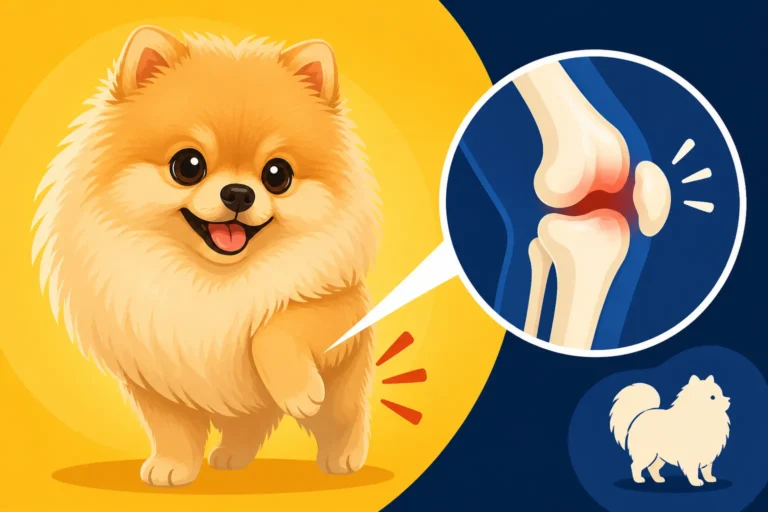
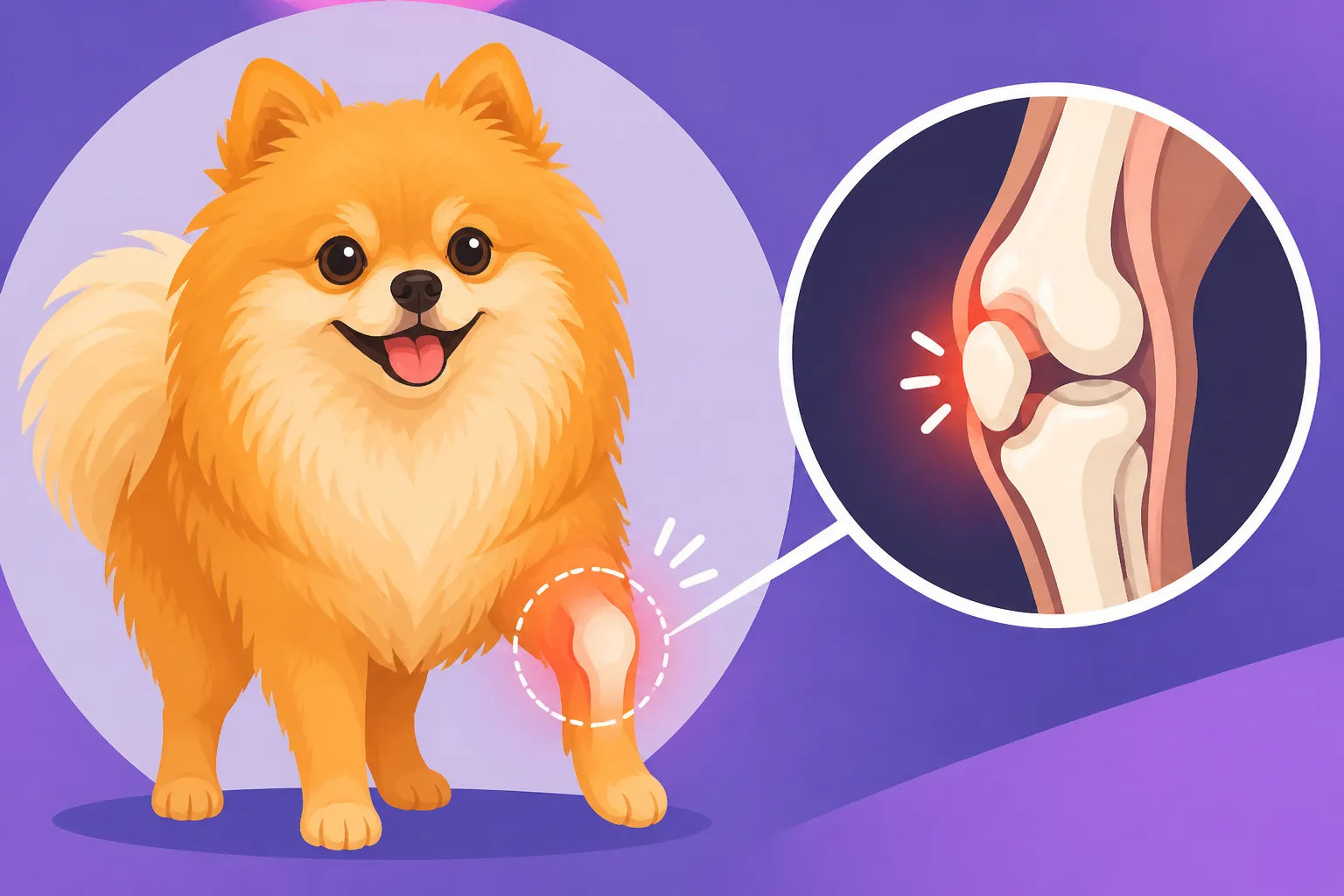
To truly grasp what's happening, let's visualize your Pomeranian's knee. It's a complex joint where three bones meet: the thigh bone (femur), the shin bone (tibia), and the kneecap (patella), which sits in a groove at the end of the femur. The patella acts like a pulley, helping the leg extend and flex smoothly. In a healthy knee, the kneecap glides up and down this groove without issue.
When a patella luxates, it means it slides out of that groove, either to the inside (medial luxation, which is far more common in Pomeranians) or, less frequently, to the outside (lateral luxation). This slippage causes that characteristic "skip" or temporary lameness you might notice. The dog might extend its leg to try and pop the kneecap back into place. It’s a bit like a bicycle chain coming off its sprocket; things don’t work right until it’s back on.
Pomeranians, like many other toy breeds such as Chihuahuas, Yorkshire Terriers, and Boston Terriers, are particularly predisposed to patellar luxation. This isn't usually due to injury, but rather a genetic predisposition. Their bone structure is often the culprit: the trochlear groove where the kneecap sits might be too shallow, or the ligaments and tendons holding it in place might be lax. Over time, the repeated popping out can also cause the groove to become even shallower and lead to cartilage damage. Responsible breeders often screen for this condition, but even with careful breeding, it can still appear, making it a persistent worry for owners.
Recognizing the Early Signs of a Slipping Kneecap
Catching patellar luxation early can make a world of difference in managing the condition and preserving your Pomeranian's quality of life. The signs can be subtle at first, easily mistaken for a temporary cramp or just a quirky habit, but once you know what to look for, they become much clearer.
The most classic symptom, and usually the first one owners notice, is the aforementioned "skip" or "bunny hop" gait. Your Pom will be trotting along, suddenly hold up one back leg for a few steps, then put it back down and resume normal activity. It looks like they're trying to shake something off their paw, but it's actually their body's way of trying to realign the kneecap. You might also notice an intermittent limp, where they favor a leg for a short period, especially after activity. Sometimes, this can progress to a more consistent lameness if the luxation becomes more severe.
Other signs to watch for include a reluctance to jump onto furniture or use stairs, which they previously navigated with ease. They might whine or yelp if the kneecap is particularly painful when it slips, although in the early stages, this is less common. In some cases, you might even feel a subtle "pop" or "click" if you gently manipulate their knee, though it's always best to let a veterinarian perform this examination to avoid causing pain or further injury. If you notice your Pomeranian doing a regular "skip" or showing any of these behaviors, it's definitely time for a vet visit to get a proper diagnosis. It’s better to be overly cautious than to let a treatable condition progress.
When Does Patellar Luxation Typically Begin in Pomeranians?
One of the most common questions new Pomeranian owners have, especially if they know the breed is prone to knee issues, is "When should I start looking for this?" The answer is, unfortunately, often earlier than you might expect, sometimes even before they've fully shed their "puppy uglies" coat.
The Common Age Range for Onset and Early Diagnosis
For most Pomeranians who will develop patellar luxation, the signs often emerge when they are relatively young, usually between four months and two years of age. However, it's not uncommon for veterinarians to detect the condition even earlier during routine puppy wellness checks, sometimes as early as 8-10 weeks, especially in severe cases where the kneecap is clearly unstable. These early detections are typically picked up during a physical examination where the vet manually manipulates the kneecap to see if it moves out of its groove.
The initial symptoms might be incredibly subtle. A puppy might have a very slight, infrequent skip that an owner dismisses as normal puppy clumsiness. As they grow and become more active, the luxation can become more pronounced or frequent, leading to more noticeable limping or reluctance to use the affected leg. Because it's often a developmental or congenital issue, meaning they are either born with the predisposition or it develops as they grow, it’s not something that usually just appears out of nowhere in adulthood without prior signs. This highlights the importance of regular vet visits throughout your Pomeranian's first year; these check-ups are crucial for catching these kinds of issues when they are still in their milder stages.
How Different Grades of Luxation Manifest at Different Ages
Veterinarians classify patellar luxation into grades from 1 to 4, with Grade 1 being the mildest and Grade 4 the most severe. These grades not only describe the severity of the luxation but can also offer insight into when symptoms might become undeniable.
-
Grade 1 Luxation: This is the mildest form. The kneecap can be manually luxated (pushed out of place) by a vet but will spontaneously return to its normal position. In a Grade 1 case, you might not see any symptoms at all, or only a very occasional skip. Often, these are detected incidentally during a routine physical exam on a young Pomeranian puppy. The dog might not experience any pain, and often, owners won't even realize there's an issue. However, even a Grade 1 can progress over time, especially without careful management.
-
Grade 2 Luxation: This is where things become more noticeable for most owners, typically appearing as the Pomeranian approaches its first birthday or in early adulthood. In Grade 2, the kneecap luxates spontaneously (slips out on its own) and remains luxated for a short period before it either spontaneously reduces (slips back in) or can be manually reduced. This is the stage where you'll most likely observe that characteristic "skip" or intermittent lameness. Your Pom might hold their leg up for a few steps, extend it back to pop the kneecap into place, and then carry on. Many owners wonder Whether a Pomeranian Can Live With a Grade Two Knee, and the answer often depends on the individual dog's comfort level and the frequency of the luxation. It’s a critical stage for intervention, as consistent slipping can lead to further damage and pain if left unaddressed.
-
Grade 3 Luxation: With Grade 3, the kneecap is luxated most of the time, though it can still be manually reduced. Dogs with Grade 3 luxation usually exhibit a persistent limp or a crouching, bow-legged stance. The knee joint will likely feel unstable, and the dog will experience more consistent discomfort. Symptoms will be very obvious, often presenting at a younger age than severe Grade 2 cases, or as a progression from a lower grade if not managed. This level of luxation significantly impacts the dog's quality of life and typically warrants surgical consideration.
-
Grade 4 Luxation: This is the most severe form. The kneecap is permanently luxated and cannot be manually reduced. The trochlear groove is often completely flat or even convex, and the limb is severely deformed. Dogs with Grade 4 luxation will often be severely lame, unable to bear weight normally, and may struggle to walk at all. This condition is usually evident at a very young age and can sometimes be present from birth. Such severe cases almost always require surgical correction to improve mobility and reduce pain.
| Patellar Luxation Grade | Description | Typical Age of Noticeable Symptoms | Impact on Mobility & Comfort |
|---|---|---|---|
| Grade 1 | Kneecap can be manually luxated but reduces easily. | Often asymptomatic, incidental find in puppies. | Minimal to no lameness; occasional subtle skip. |
| Grade 2 | Kneecap spontaneously luxates, remains luxated temporarily, then reduces. | 4 months to 2 years, often subtle at first. | Intermittent skipping, limping; can progress to pain. |
| Grade 3 | Kneecap is luxated most of the time but can be manually reduced. | Early adulthood or as progression from lower grade. | Persistent lameness, crouching gait; significant discomfort. |
| Grade 4 | Kneecap is permanently luxated and cannot be reduced. | Often evident in very young puppies or from birth. | Severe lameness, inability to bear weight, constant pain. |
Managing and Preventing Worsening Patellar Luxation
Receiving a diagnosis of patellar luxation can be worrying, but it's important to remember that there are many effective ways to manage the condition, whether through conservative approaches or, if necessary, surgical intervention. The goal is always to reduce pain, improve mobility, and prevent further joint damage.
Conservative Management for Young Pomeranians
For Pomeranians diagnosed with Grade 1 or mild Grade 2 luxation, or for those whose owners prefer to delay surgery if possible, conservative management is often the first line of defense. This approach focuses on minimizing stress on the joint and supporting overall joint health.
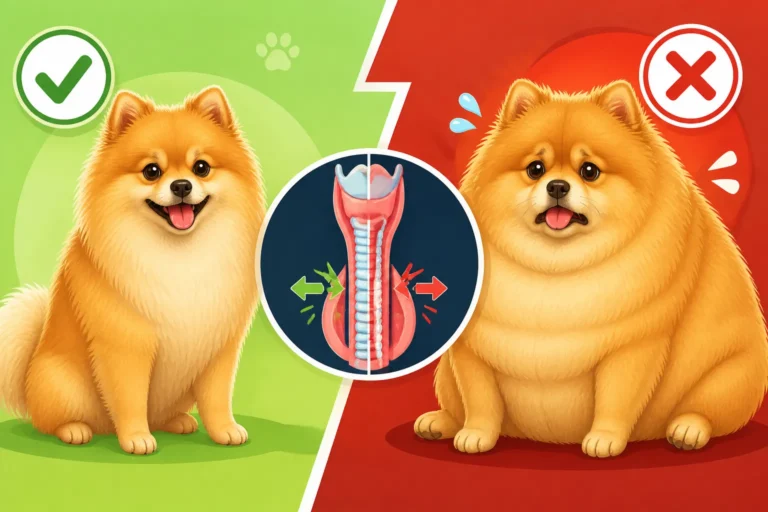
One of the most critical aspects of conservative management is weight control. Every extra ounce on a tiny Pomeranian body puts disproportionate stress on their delicate knee joints. Keeping your Pom lean and at a healthy weight can significantly reduce the frequency and severity of luxation episodes and slow the progression of arthritis. Talk to your vet about an ideal body condition score and how to adjust their diet to achieve it.
Controlled exercise is also vital. While activity is important for muscle strength, high-impact activities like jumping off furniture (which can also lead to other injuries like Slipping Kneecaps in a Five Pound Pomeranian) should be strictly limited. Instead, focus on low-impact activities like short, controlled walks on a leash. Consider using ramps or pet steps to help your Pomeranian access favorite spots like the sofa or bed, reducing the need for risky jumps. These simple tools, like the ones covered in Ramps and Steps Sized for a Pomeranian, can make a huge difference in protecting fragile joints.
Many veterinarians also recommend joint supplements containing ingredients like glucosamine, chondroitin, and MSM, often combined with omega-3 fatty acids. These can help support cartilage health, reduce inflammation, and improve joint lubrication. While they won't "cure" the mechanical issue of a slipping kneecap, they can certainly help manage the discomfort and slow down degenerative changes in the joint. Brands like Dasuquin, Cosequin, or even specific fish oil supplements are commonly suggested. It's always best to discuss which supplements are appropriate with your vet to ensure proper dosage and suitability for your specific dog, as explored in Whether Joint Support Helps a Pomeranian's Knees. Physical therapy, including gentle range-of-motion exercises and strengthening techniques, can also be incredibly beneficial, tailored by a professional to your dog's needs.
When Surgical Intervention Becomes Necessary
While conservative management works wonders for many, there are times when surgery becomes the most appropriate and effective solution for a Pomeranian with a luxating patella. The decision to pursue surgery is a significant one and is typically based on several factors: the severity of the luxation (Grades 2-4), the degree of pain or lameness your Pomeranian is experiencing, and how much the condition is impacting their quality of life. If your Pom is consistently limping, unable to put weight on the affected leg, or showing signs of chronic pain despite conservative efforts, surgery will likely be recommended.
The primary goal of surgery is to stabilize the kneecap, allowing it to remain within its trochlear groove, thereby eliminating the slipping and reducing the risk of developing painful arthritis. There are several surgical techniques, often used in combination. The most common procedures involve deepening the trochlear groove (sulcoplasty), realigning the patellar ligament (tibial crest transposition), and sometimes tightening the joint capsule on one side or releasing it on the other to balance the forces on the kneecap. A veterinary orthopedic specialist will assess your dog's unique anatomy and recommend the best approach.
The prospect of surgery can be daunting, not least due to the financial implications. The cost of knee surgery for a Pomeranian can range from a few thousand dollars per knee, and often, both knees are affected either simultaneously or sequentially. This is where pet insurance can be an absolute lifesaver. Companies like Healthy Paws offer comprehensive coverage that can help offset these significant veterinary expenses, making necessary treatments more accessible. It’s important to note that most insurance policies consider pre-existing conditions, so ideally, a policy like Healthy Paws would be in place before symptoms of patellar luxation become apparent. Recovery from surgery involves a dedicated period of rest and rehabilitation, which is meticulously detailed in resources such as Recovery After a Pomeranian's Knee Surgery, involving restricted activity, pain medication, and sometimes physical therapy. While it’s a commitment, successful surgery can dramatically improve your Pomeranian's comfort and long-term mobility.
Long-Term Outlook and Proactive Care for Pomeranian Knees
Living with a Pomeranian prone to knee issues requires ongoing vigilance and a proactive approach to their care. The journey doesn't end after diagnosis or even surgery; it's a lifelong commitment to ensuring their comfort and mobility.
The Importance of Regular Vet Check-ups
Just as we humans need regular check-ups, our Pomeranians, especially those with known orthopedic vulnerabilities, benefit immensely from consistent veterinary oversight. Regular examinations, at least once a year, and often more frequently for senior Poms or those with existing conditions, are paramount. These visits allow your veterinarian to monitor the stability of your Pomeranian's kneecaps, assess their gait, and detect any signs of progression in luxation or the onset of arthritis.
During these check-ups, your vet can feel for crepitus (a grinding sensation in the joint), evaluate muscle atrophy, and discuss any subtle changes you've observed in your dog's activity levels or comfort. They can also recommend adjustments to diet, exercise, or supplement regimens as your Pomeranian ages or as the condition evolves. Early detection of any worsening signs means quicker intervention, potentially preventing more severe pain or extensive damage. These regular health assessments also encompass other critical health aspects, such as the often-overlooked Dental Disease in a Mouth the Size of a Pomeranian's, which can indirectly impact overall inflammation in the body and thus joint health. Staying on top of routine care is an integral part of managing any chronic health condition in your beloved companion.
Lifestyle Adjustments for a Pomeranian Prone to Knee Issues
Beyond medical interventions, creating a supportive and safe home environment is crucial for a Pomeranian with patellar luxation. Proactive lifestyle adjustments can significantly reduce the strain on their knees and prevent future injuries.
Firstly, continue with the weight management strategies mentioned earlier. This remains a cornerstone of care throughout their lives. Even a slight increase in weight can exacerbate knee problems, so maintaining a lean physique is key. Secondly, continue to manage their environment to minimize risky movements. Keep those ramps or steps available for furniture access, and ensure floors aren't too slippery, which can cause them to splay out and strain their joints. Consider non-slip mats or rugs in high-traffic areas.
Thirdly, consistent, low-impact exercise should be maintained to keep muscles strong around the knee. Daily short walks are great, but avoid intense jumping, twisting, or long periods of running on uneven terrain. Soft, supportive bedding can also provide comfort, especially as they get older and may develop arthritis. Finally, keep a close eye on your Pomeranian's behavior. Are they hesitating before jumping? Are they licking at a particular leg? Any subtle change in their normal routine or demeanor could indicate increased discomfort. Don’t hesitate to reach out to your vet if you notice anything unusual. While pet insurance, like policies from Healthy Paws, is excellent for covering unexpected treatments or ongoing medication for conditions developed after enrollment, consistent diligent home care is your most powerful tool in managing a chronic issue like patellar luxation and ensuring your Pomeranian lives their happiest, most comfortable life.
Disclaimer
The information provided in this article is for general informational purposes only and is not a substitute for professional veterinary advice, diagnosis, or treatment. Always seek the advice of your veterinarian or other qualified animal health provider with any questions you may have regarding a medical condition.