Whether Weight Gain Worsens a Pomeranian’s Windpipe
It’s a heartbreaking sight for any Pomeranian owner: your tiny, fluffy companion struggles to catch their breath, a distinctive honking cough echoing through the house. You might worry about every sound they make, every moment of exertion. One of the quiet, often overlooked factors that can dramatically worsen these already distressing respiratory issues in Pomeranians is weight gain. It’s not just about aesthetics; a few extra pounds can place significant stress on your Pom's delicate windpipe, making a challenging condition even more severe. This guide will delve deep into how even a small amount of excess weight can jeopardize your Pomeranian's respiratory health and what you can do about it.
Understanding Tracheal Collapse in Pomeranians
Tracheal collapse is an incredibly common and concerning condition in small breeds, and Pomeranians are particularly predisposed. It's a progressive disease where the cartilage rings that normally hold the trachea (windpipe) open weaken and flatten, making it difficult for air to reach the lungs.
The Fragile Pomeranian Windpipe
Imagine trying to breathe through a straw that keeps getting squeezed shut. That's essentially what happens to a Pomeranian with a collapsing trachea. The C-shaped cartilage rings that should keep the windpipe rigid begin to lose their strength, and the airway narrows, especially during inhalation or when the dog is excited or pulling on a collar. Owners often recognize the classic "honking cough," which sounds like a goose honking, as the most prominent symptom. This cough can be intermittent at first, triggered by exercise, excitement, or drinking water, but it often progresses to become more frequent and severe. As the condition worsens, your Pom might show signs of respiratory distress, such as rapid breathing, panting, or even a bluish tint to their gums in severe cases, which is an emergency situation. The anxiety of watching your beloved pet struggle to breathe is a frustration every owner of a predisposed Pom understands all too well. It’s a constant tightrope walk, monitoring every activity and sound they make. For more insight into this worrying symptom, you might want to read about The Honking Cough of a Pomeranian's Collapsing Windpipe.
The condition typically begins in middle age, though some Pomeranians can show signs much younger, and it generally progresses over time. It's truly a silent threat that many small dog owners aren't fully prepared for until it manifests. The cartilage weakness is often genetic, but environmental and lifestyle factors, like exposure to smoke, allergens, and, yes, weight, can significantly influence its severity and progression. For many, understanding The Age a Pomeranian's Trachea Starts Collapsing can help with early detection and management.
How Weight Exacerbates the Condition
Even a tiny amount of excess weight on a small dog like a Pomeranian can have a disproportionately large impact on their breathing. Think about it: a Pomeranian often weighs between 3 and 7 pounds. An extra pound or two might seem negligible on a larger dog, but for a five-pound Pom, that's a 20-40% increase in body weight. This extra weight doesn't just sit there innocently; it actively works against their respiratory system.
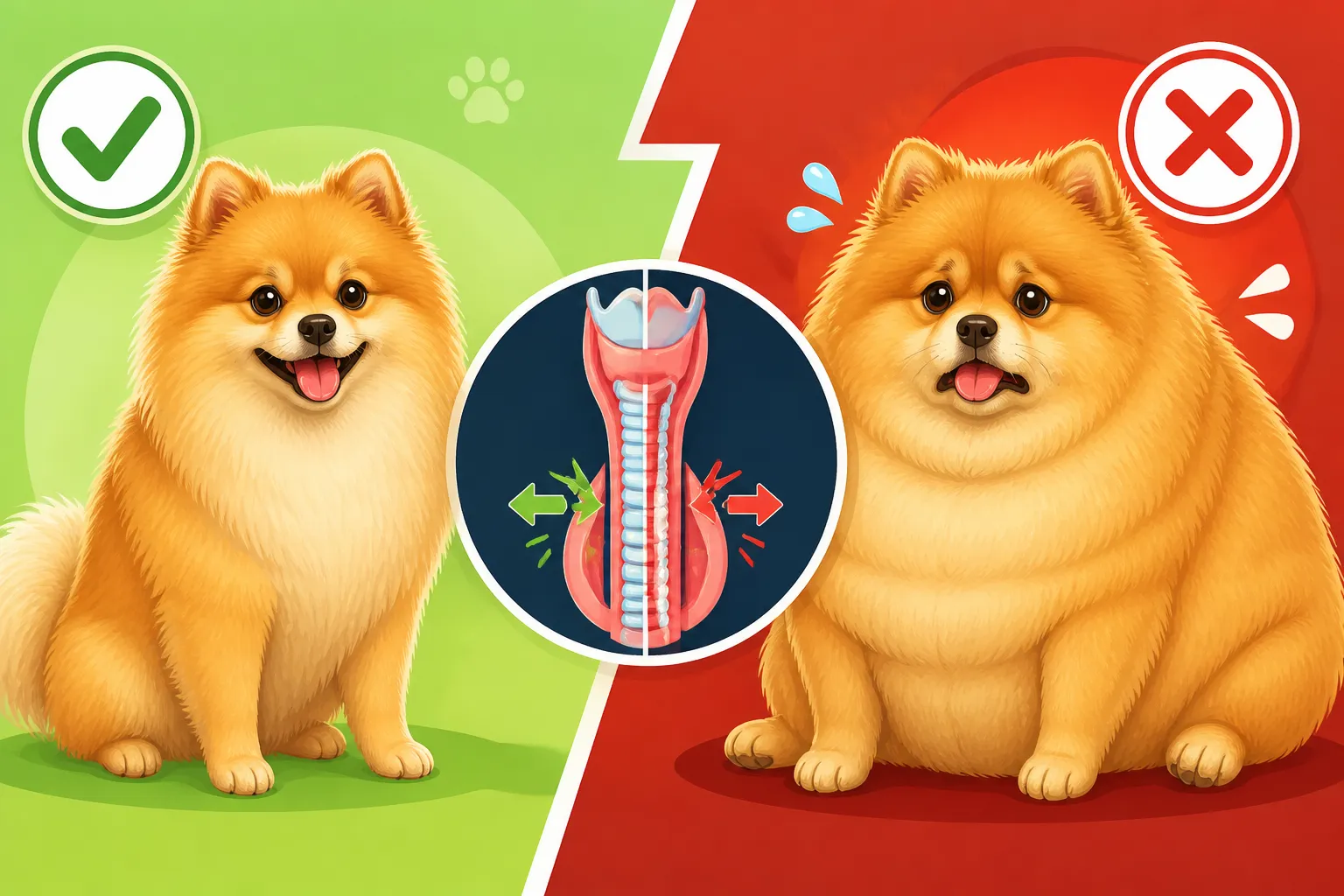
The most immediate effect is the increased pressure around the neck and chest. Adipose tissue, or fat, accumulates in these areas, physically constricting the already vulnerable trachea. This external pressure makes it even harder for the weakened cartilage rings to maintain an open airway, essentially pushing them further inward. Imagine wearing a tight scarf when you already have trouble breathing – that's the feeling your overweight Pom might experience. Furthermore, fat can accumulate within the chest cavity itself. This internal fat pushes against the lungs and diaphragm, restricting their ability to fully expand. This reduces lung capacity, meaning your Pomeranian has to work harder to get enough oxygen with each breath. This increased effort leads to more panting, more coughing, and a greater risk of triggering a collapse episode. It’s a cruel feedback loop where the body is already working overtime, and the extra weight just piles on more challenges.
Consider a hypothetical situation: you have a Pomeranian named Daisy, who has always been a little on the plump side, perhaps weighing six pounds when she should ideally be five. She has an occasional cough, but it's manageable. Then, during the winter months, with less outdoor activity and a few extra treats, Daisy gains another half-pound. Suddenly, her mild cough turns into frequent, severe honking spells, even at rest. She's less enthusiastic about walks and seems to tire quickly. That seemingly small half-pound, a mere eight ounces, has added critical pressure to her already compromised windpipe, pushing her respiratory system past its breaking point.
The Cycle of Weight Gain and Respiratory Distress
The relationship between weight gain and tracheal collapse isn't a one-way street; it's a detrimental cycle that can rapidly deteriorate a Pomeranian's health and quality of life.
Reduced Activity and Further Weight Gain
When a Pomeranian starts experiencing more severe symptoms of tracheal collapse due to weight or other factors, their natural response is to reduce activity. They instinctively know that running, jumping, or even prolonged walking triggers coughing fits and breathlessness. So, they become more sedentary. They might prefer to nap on the couch rather than chase a toy, or they'll lag behind on walks that used to be a breeze. While this might seem like a coping mechanism, it inadvertently fuels the problem. Less activity means fewer calories burned, which, if dietary intake isn't strictly controlled, inevitably leads to further weight gain. This creates a vicious cycle: breathing difficulties lead to less exercise, which leads to more weight, which in turn worsens the breathing difficulties.
This cycle can be incredibly frustrating for owners. You want your Pomeranian to be happy and active, but every attempt at play seems to result in a distressing coughing fit. It’s hard to motivate a dog to exercise when exercise causes them discomfort. Watching a once-lively Pom become increasingly sedentary can be emotionally draining, as you see their spirit diminish alongside their physical capabilities. It's a constant battle to encourage movement without causing distress, highlighting the importance of preventative weight management. Knowing [Whether a Pomeranian Can Walk Far With Tracheal Collapse] can help you plan appropriate exercise routines that won't exacerbate their condition.
Impact on Overall Health and Quality of Life
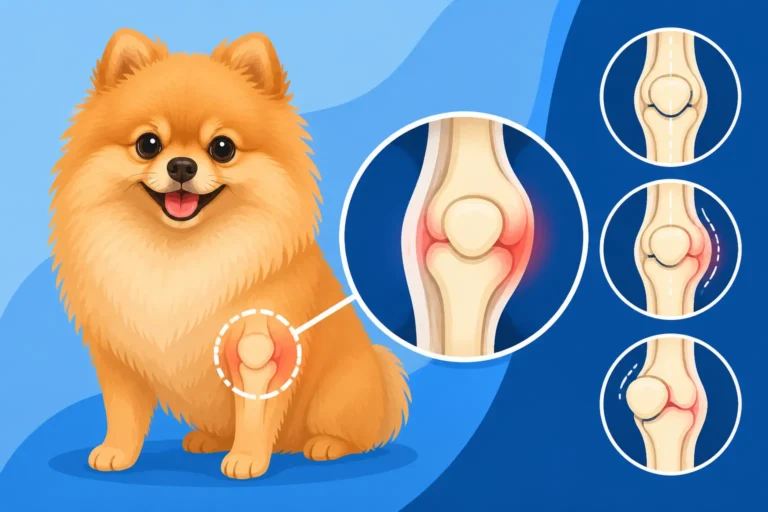
The negative consequences of weight gain extend far beyond just worsening tracheal collapse. Obesity in Pomeranians, as in any dog, significantly increases the risk of a host of other serious health issues, creating a cascade effect on their overall well-being. Overweight Poms are more prone to orthopedic problems, such as luxating patellas (slipping kneecaps), which are already a common concern in the breed. The extra stress on their tiny joints can accelerate the onset and severity of arthritis, causing pain and further limiting their mobility.
Beyond the musculoskeletal system, excess weight puts a tremendous strain on their cardiovascular system. Their little hearts have to work harder to pump blood through a larger body mass, increasing the risk of heart disease. Diabetes is another serious condition frequently linked to obesity, requiring complex and costly management. The cumulative effect of these interconnected health issues is a significant reduction in your Pomeranian's quality of life. They might be less playful, more lethargic, prone to pain, and generally uncomfortable. This impacts their ability to engage with their family, enjoy their favorite activities, and simply live a comfortable, happy life. When considering the comprehensive financial implications of owning a Pomeranian, understanding The Eighteen Thousand Dollar Lifetime of a Pomeranian helps you realize that preventing obesity is also a key factor in managing long-term vet bills. Even routine care can become more challenging; an overweight Pomeranian might be more difficult to position for grooming, making tasks like nail trims or even checking for skin issues more arduous. And let's not forget their dental health. While not directly linked to weight, it's another critical aspect of Pomeranian care that can be overlooked when other health crises dominate. Addressing Dental Disease in a Mouth the Size of a Pomeranian's becomes even more important for a dog whose overall health is already compromised by weight.
Managing Weight to Protect Your Pomeranian's Trachea
Taking control of your Pomeranian's weight is one of the most impactful things you can do to manage or prevent tracheal collapse. It requires a thoughtful, consistent approach, but the benefits for their health and happiness are immeasurable.
Diet Adjustments for a Healthy Weight
The cornerstone of weight management for your Pomeranian is diet. It's easy to overfeed a small dog, especially when they give you those adorable, pleading eyes. However, understanding How Little Food an Adult Pomeranian Needs is crucial. A typical adult Pomeranian weighing 4-7 pounds might only need 1/4 to 1/2 cup of high-quality small breed kibble per day, divided into two meals. This can vary based on their activity level, metabolism, and the specific food's caloric density, so always check the feeding guidelines on your dog food bag and consult your vet.
Measuring food precisely with a kitchen scale or a dedicated measuring cup is vital. Eyeballing it often leads to overfeeding. Be mindful of treats; those tiny biscuits can add up quickly for a small dog. Opt for low-calorie options like small pieces of plain cooked chicken, green beans, or carrots, given sparingly. Absolutely avoid feeding table scraps, which are often high in fat, sugar, and ingredients that can be harmful to dogs. Switching to a high-quality, protein-rich small breed formula can also help, as protein promotes satiety and muscle mass. Remember, Feeding a Dog That Weighs What a Pomeranian Weighs means being incredibly precise and disciplined. It's a small plate, so every calorie counts.
Safe Exercise Strategies
While Poms with tracheal collapse need careful exercise management, they still need to move to maintain muscle tone and burn calories. The key is safe exercise that doesn't trigger coughing fits or put undue stress on their windpipe. High-impact activities, intense running, or prolonged periods of excitement should generally be avoided. Instead, focus on short, frequent walks on a harness, not a collar. A harness distributes pressure across their chest and shoulders, completely bypassing the neck and trachea. This is non-negotiable for Poms with tracheal issues; a collar can compress the windpipe and trigger a collapse episode. You can learn more about finding the right gear by checking out Harnesses Fitted for a Pomeranian's Windpipe.
Indoor playtime can also be effective if managed well. Gentle games of fetch or hide-and-seek that don't involve frantic running or barking can provide mental stimulation and physical activity. Consider puzzle toys that encourage them to move and think without overexerting themselves. During warm weather, be extra cautious, as heat and humidity can make breathing even harder for Poms with tracheal collapse. Early morning or late evening walks are best. If your Pom starts coughing, panting excessively, or seems distressed, stop immediately and allow them to rest. Your vet can provide specific exercise recommendations tailored to your Pomeranian's individual condition and overall fitness level. As mentioned before, for dogs with compromised airways, understanding [Whether a Pomeranian Can Walk Far With Tracheal Collapse] is essential for their safety and comfort.
Regular Vet Check-ups and Monitoring
Consistent veterinary care is paramount for managing both weight and tracheal collapse in your Pomeranian. Regular check-ups allow your vet to monitor their weight, assess their overall body condition, and make necessary adjustments to their diet or exercise plan. During these visits, your vet can accurately weigh your Pom and discuss ideal weight targets. They can also perform physical examinations to listen to their lungs and heart, and evaluate the severity of their tracheal collapse.
If your Pomeranian is overweight, your vet can help you formulate a personalized weight loss plan, including specific dietary recommendations and safe exercise guidelines. They might suggest switching to a prescription weight-management diet or a specific caloric intake. Regular weigh-ins at home, perhaps once a month, can help you track progress between vet visits. Keeping a journal of their food intake and exercise can also be beneficial to share with your vet. Knowing you have reliable pet insurance, like a plan from Healthy Paws, can make it easier to pursue all recommended veterinary advice without financial stress, which is crucial for managing conditions like tracheal collapse. These plans can cover a significant portion of diagnostic tests, vet consultations, and even prescribed medications that might be necessary. Staying on top of The Checkup Schedule a Pomeranian Should Keep is more than just routine; it's proactive health management. Many owners find peace of mind with pet insurance providers such as Healthy Paws, which can help cover the costs of regular check-ups, diagnostic tests, and even prescribed medications for chronic conditions, including those related to the respiratory system.
Lifestyle Changes for Respiratory Support
Beyond direct weight management, several other lifestyle adjustments can significantly support your Pomeranian's respiratory health and reduce the strain on their windpipe.
Environmental Control
The air your Pomeranian breathes and the environment they live in play a huge role in managing tracheal collapse. Irritants in the air can trigger coughing fits and further inflame an already sensitive trachea. Therefore, eliminating airborne irritants is critical. This means no smoking around your Pomeranian – ever. Even residual smoke on clothes or furniture can be problematic. Avoid using harsh chemical cleaners, air fresheners, or strong perfumes in areas where your Pom spends time. If you use a fireplace or wood-burning stove, ensure proper ventilation to prevent smoke from irritating their airways.
Consider the humidity levels in your home. Extremely dry air can irritate the respiratory tract, potentially leading to more coughing. A humidifier in your Pom's main living area might help, especially during dry winter months. Conversely, very high humidity can sometimes make breathing more difficult for dogs with respiratory issues, so a dehumidifier might be appropriate in damp climates. Monitoring and adjusting the environment can make a tangible difference in your Pomeranian's comfort. Understanding Humidity and a Pomeranian's Breathing can help you create an optimal indoor climate. Furthermore, being vigilant about Whether Smoke Affects a Pomeranian's Trachea is paramount, as even secondhand smoke can cause significant damage to their tiny lungs and airways.
Stress Reduction
Pomeranians are known for their lively and sometimes excitable personalities. Unfortunately, excitement, stress, or even intense happiness can trigger a bout of tracheal collapse. When a dog gets overly excited, they tend to pant rapidly and often pull on their lead (if wearing a collar, which we've already established is a no-no), both of which can put extra pressure on the trachea and cause it to flatten. Creating a calm, predictable environment can help minimize these triggers.
Try to avoid situations that might overstimulate your Pom, such as overly boisterous play with other dogs, prolonged greetings with strangers, or chaotic household environments. If your Pom gets excited when the doorbell rings, teach them a calm "settle" command or redirect their attention with a treat or toy before they escalate. Consistent routines, a quiet space for rest, and plenty of positive reinforcement can help keep their stress levels down. Gentle massage or calming pheromone diffusers (like Adaptil) might also offer some benefit. Recognizing Whether Excitement Sets Off a Pomeranian's Cough is the first step in managing these reactive episodes.
Medical Management and Supplements
While weight management and environmental control are crucial, some Pomeranians with tracheal collapse will also benefit from medical intervention. Your veterinarian might prescribe medications to help manage symptoms. These can include cough suppressants to reduce the frequency and severity of coughing, bronchodilators to open up the airways, or anti-inflammatory drugs to reduce swelling in the trachea. In cases where infection is a contributing factor, antibiotics might be necessary. It’s important to administer all medications exactly as prescribed by your vet.
In addition to medication, your vet might discuss the role of certain supplements. Glucosamine and chondroitin, often used for joint support, are sometimes suggested for their potential anti-inflammatory properties, though their direct impact on tracheal cartilage is still being researched. Omega-3 fatty acids, known for their general anti-inflammatory benefits, might also be considered. Always discuss any supplements with your veterinarian before introducing them, as some can interact with medications or have adverse effects. For those moments when medication or specialized equipment is needed, a comprehensive pet insurance plan from Healthy Paws can be a real lifeline, covering a significant portion of treatment costs. This financial support allows owners to focus on their pet's health without the added burden of unexpected bills, ensuring continuity of care.
Comparing Healthy vs. Overweight Pomeranians with Tracheal Collapse
To really drive home the impact, let's look at a side-by-side comparison.
| Feature | Healthy Weight Pomeranian (Tracheal Collapse) | Overweight Pomeranian (Tracheal Collapse) |
|---|---|---|
| Respiratory Comfort | Manages better, fewer severe coughing fits, generally more comfortable breathing, especially at rest. | Frequent, intense coughing; labored breathing; often struggles even at rest; higher risk of respiratory distress episodes. |
| Activity Level | Can enjoy short, controlled walks and gentle indoor play. Better stamina for daily activities. | Highly sedentary, avoids activity due to discomfort; tires quickly; unable to participate in even moderate play. |
| Medication Efficacy | Medications (if prescribed) often work more effectively due to reduced physical strain on the trachea. | Medications may be less effective; higher doses or more frequent administration might be needed to achieve relief. |
| Overall Health Risks | Reduced risk of secondary issues like severe arthritis, heart strain, and diabetes. | Significantly increased risk of severe arthritis, heart disease, diabetes, and other obesity-related complications. |
| Quality of Life | Generally happier, more engaged, able to enjoy life with fewer physical limitations and less chronic discomfort. | Often appears lethargic, withdrawn, and uncomfortable; chronic pain and breathing difficulties severely limit enjoyment of life. |
| Anesthesia Risk | Lower risk during necessary procedures due to better cardiovascular and respiratory function. | Elevated risk during anesthesia due to compromised respiratory system and increased strain on the heart. |
| Owner Stress | Less daily anxiety about respiratory episodes; easier to manage and enjoy time with pet. | Constant worry about breathing, activity, and overall health; significant emotional burden from managing a struggling pet. |
Final Thoughts on Weight and Your Pomeranian's Windpipe
It's clear that weight gain isn't just an aesthetic concern for Pomeranians; it's a critical health factor that can severely worsen a collapsing windpipe and impact their overall well-being. The correlation between those extra pounds and the severity of respiratory distress is undeniable. As owners, we hold the power to make a significant difference in their lives by carefully managing their diet, ensuring safe exercise, and maintaining a proactive relationship with our veterinarians. By taking these steps, you're not just shedding pounds; you're adding years of more comfortable breathing and happier moments for your beloved Pomeranian. It's a commitment that pays dividends in their health, comfort, and the peace of mind it brings to you.
Disclaimer
The information provided in this article is for general informational purposes only and is not intended as a substitute for professional veterinary advice. Always consult with a qualified veterinarian for any health concerns or before making any decisions related to your pet's health and treatment.