Dental Disease in a Mouth the Size of a Pomeranian’s
One of the most heart-wrenching realities for Pomeranian owners is seeing their tiny companion struggle with painful dental disease. Despite their endearing fluff and spirited personalities, Poms are incredibly prone to oral health issues that can dramatically impact their quality of life. This guide will walk you through everything you need to know about keeping your Pomeranian's pearly whites healthy, from understanding their unique challenges to implementing effective daily care and navigating professional treatments.
The Unique Dental Challenges of a Pomeranian's Mouth
Pomeranians, with their delightful small stature, unfortunately come with a predisposed set of challenges when it comes to their oral health. It’s not just about tiny teeth; it's about the entire dental architecture packed into such a compact space. Many owners are genuinely shocked at how quickly dental issues can escalate, often feeling blindsided by a problem that seems to appear overnight.
Why Their Small Jaws Are a Problem
Imagine trying to fit a full set of adult human teeth into a jaw that's only a fraction of the size. That's essentially what happens with our beloved Pomeranians. Their mouths are simply too small for the number and size of teeth they possess. This anatomical reality leads to significant overcrowding, where teeth are often rotated, misaligned, or pushed too close together. This crowding creates tiny crevices and tight spaces that are incredibly difficult, if not impossible, to clean effectively, even with diligent brushing.
These crowded conditions become a breeding ground for bacteria. Food particles and plaque get trapped easily, and the natural self-cleaning action of chewing is hindered. Over time, this constant accumulation rapidly turns into hard calculus, pushing against the gums and kickstarting a vicious cycle of inflammation and infection. It's not a matter of if a Pomeranian will develop dental issues, but when and how severe, often beginning much earlier than with larger breeds.
This structural predisposition means that even a Pomeranian with seemingly good genetics and a healthy diet can develop significant dental problems. It's a battle against biology, and understanding this inherent vulnerability is the first step toward proactive care. You're not doing anything wrong; you're just dealing with the reality of owning a toy breed.
Retained Puppy Teeth and Their Consequences
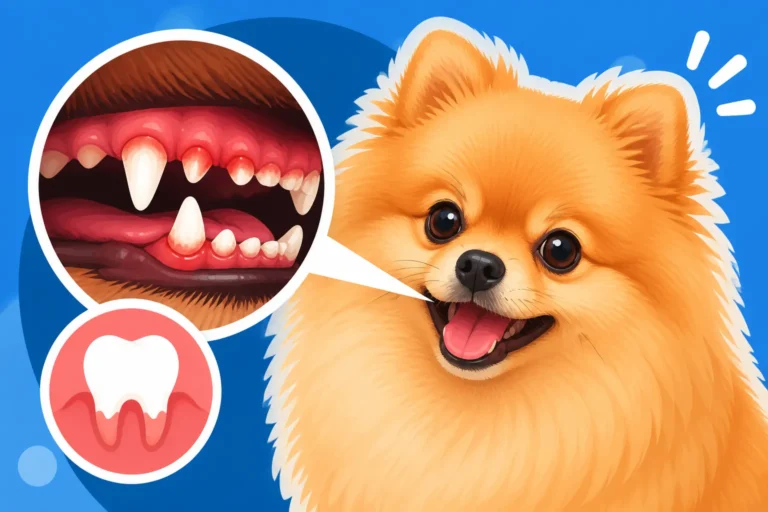
A common and often overlooked problem in Pomeranian puppies is the failure of their baby teeth, specifically the canine teeth, to fall out. Normally, as adult teeth erupt, they push out the deciduous (baby) teeth, which then loosen and fall away. However, in Poms, especially with their compact jaws, the adult teeth sometimes emerge next to the baby teeth instead of displacing them. This phenomenon is known as "retained deciduous teeth" or "retained puppy canines." It's incredibly common to encounter The Baby Canines a Pomeranian Fails to Lose in this breed.
When a Pomeranian retains its puppy teeth, it creates a serious problem: double sets of teeth occupying space meant for one. This exacerbates the overcrowding issue, making it even harder to keep the mouth clean. Food and plaque get trapped between the permanent and deciduous teeth, accelerating tartar buildup and gum inflammation. Furthermore, these retained teeth can cause abnormal bite alignment, leading to discomfort and even trauma to the gums or roof of the mouth. The presence of these extra teeth also increases the risk of gum disease starting at a very young age.
Veterinarians often recommend extracting retained puppy teeth during the spay or neuter procedure, typically around six months of age. Waiting longer can lead to irreversible damage to the permanent teeth and supporting structures. It’s a small procedure that can prevent a lifetime of dental pain and costly interventions down the road. Ignoring them is like leaving an open invitation for infection to take hold.
The Speed at Which Plaque and Tartar Build
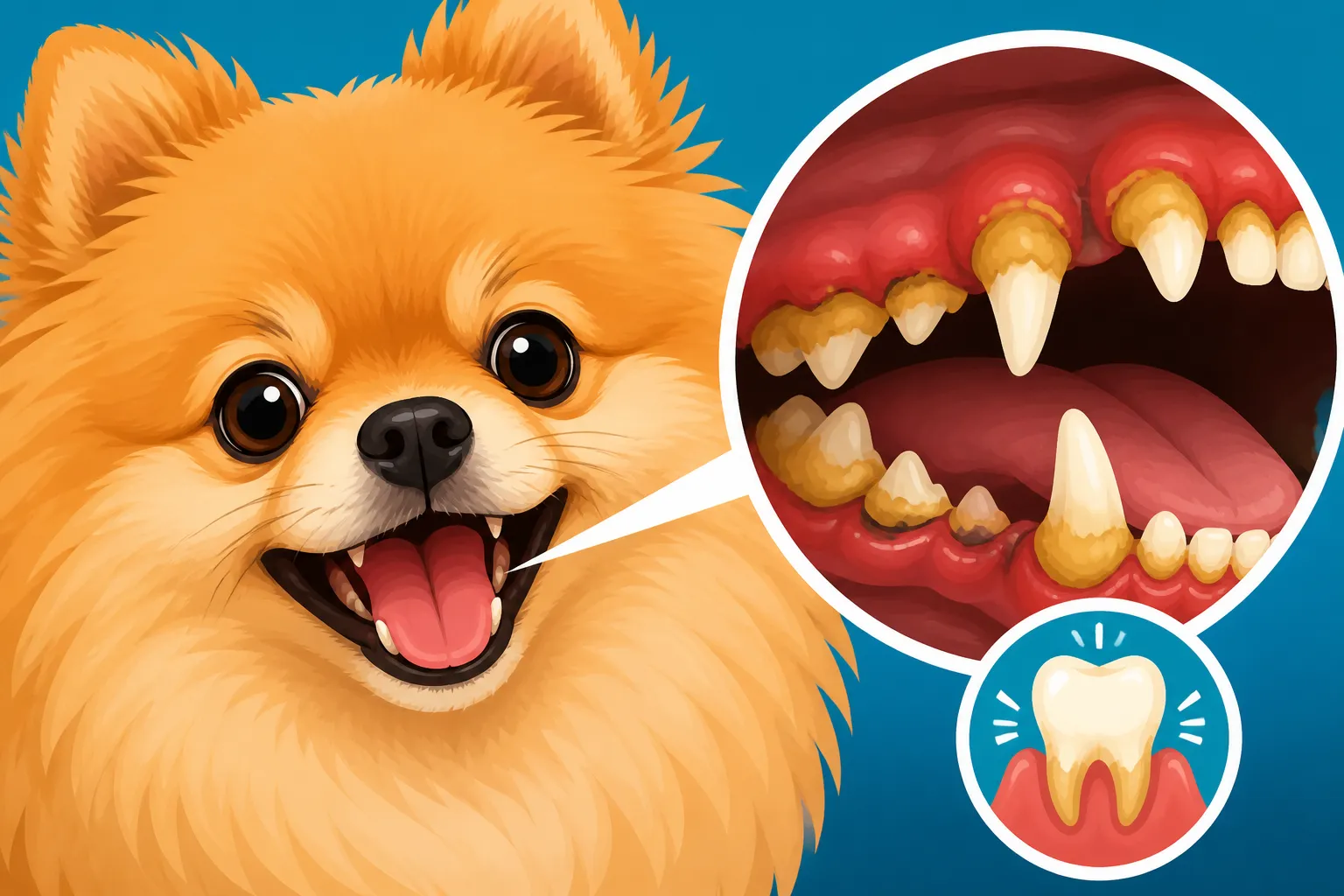
It's truly astonishing how quickly plaque and tartar can accumulate in a Pomeranian's mouth. What might seem like a bit of yellowing one week can rapidly progress to thick, hardened calculus the next. This rapid buildup is directly linked to the overcrowding issues we just discussed. The tight spaces create an ideal anaerobic environment for bacteria to thrive, forming plaque—a sticky film of bacteria, food particles, and saliva.
If this plaque isn't removed within 24-48 hours, it begins to mineralize, transforming into tartar (calculus). Once tartar forms, it's impossible to remove with a toothbrush at home; it requires professional scaling by a veterinarian. The rough surface of tartar provides even more surface area for plaque to adhere to, further accelerating the process. This creates a destructive feedback loop where more plaque leads to more tartar, which leads to more plaque, all while irritating the gums and pushing them away from the teeth.
For a Pomeranian, this rapid accumulation means that dental disease can progress from mild gingivitis to severe periodontitis in a surprisingly short amount of time. Owners who've had larger breeds might find this speed alarming, as it requires a much more diligent and consistent approach to oral hygiene. Understanding Why a Pomeranian's Teeth Crowd and Rot is key to realizing why the battle against tartar is a daily one.
Understanding the Stages of Pomeranian Dental Disease
Dental disease isn't just a cosmetic issue; it's a progressive, painful condition that can severely impact your Pomeranian's overall health and well-being. It begins subtly, often unnoticed, and gradually worsens, leading to significant discomfort and potential systemic health problems. Recognizing these stages and their symptoms is vital for timely intervention.
From Gingivitis to Periodontitis
The journey of dental disease in a Pomeranian typically starts with gingivitis, the inflammation of the gums. This is caused by the accumulation of plaque and tartar along the gumline. In the early stages, you might notice your Pom's gums are a bit red or swollen, perhaps bleeding slightly when they chew on a toy or you try to brush their teeth. At this point, gingivitis is usually reversible with professional cleaning and improved home care. The teeth themselves are still firmly rooted, and the underlying bone structure is intact.
However, if gingivitis is left untreated, it progresses to periodontitis. This is a much more serious condition where the inflammation spreads beyond the gums to affect the supporting structures of the teeth, including the bone and ligaments. Bacteria migrate into the pockets created between the receding gums and the tooth roots, leading to infection and destruction of the bone. This process is irreversible; once bone is lost, it cannot be regained. Periodontitis causes chronic pain, loose teeth, abscesses, and can lead to tooth loss. It's truly a silent suffering for many dogs. To delve deeper into this, you might find our guide on Gum Disease in a Pomeranian helpful.
The advanced stages of periodontitis are heartbreaking. Teeth become wobbly, pus may be present, and the Pomeranian experiences severe pain, making eating difficult. The constant bacterial load from the mouth can also enter the bloodstream, traveling to vital organs like the heart, kidneys, and liver, causing secondary infections and systemic health issues. This is why a simple "bad breath" can actually be a red flag for something much more serious brewing beneath the surface.
Recognizing the Early Warning Signs at Home
Catching dental disease early in your Pomeranian is crucial for better outcomes. However, dogs are masters at hiding pain, so you need to be observant. The most common early sign is often bad breath, known as halitosis. While no dog has "minty fresh" breath, a noticeably foul or putrid odor is a huge red flag that bacteria are flourishing in their mouth. Don't dismiss it as just "dog breath." It's your Pomeranian trying to tell you something is wrong.
Beyond bad breath, look for changes in their eating habits or demeanor. Are they suddenly shying away from hard kibble or favorite chew toys? Are they chewing on one side of their mouth, or dropping food more often? You might see them pawing at their face, rubbing their muzzle against furniture, or showing reluctance when you try to touch their mouth. Visually, inspect their gums for redness, swelling, or bleeding. Look for yellow or brown tartar buildup, especially on the back teeth and where the gums meet the teeth. Some Poms might develop discharge from their nose or eyes if an infection has spread, or show signs of facial swelling.
Remember, early signs are often subtle. Don't wait for your Pomeranian to stop eating completely, as that usually indicates severe pain and advanced disease. Regular, gentle examination of their mouth as part of a routine will help you spot these changes sooner rather than later. The more comfortable they are with you looking, the easier it will be to monitor their oral health and catch problems when they are still manageable.
How Dental Disease Affects Their Overall Health
Many owners view dental disease as a localized problem, confined to the mouth. However, for a tiny Pomeranian, oral infection is a systemic threat. The constant presence of bacteria and inflammation in the mouth creates an open pathway for pathogens to enter the bloodstream. Every time your Pom chews, the bacteria can be pushed into the tiny blood vessels in the gums, traveling throughout their body.
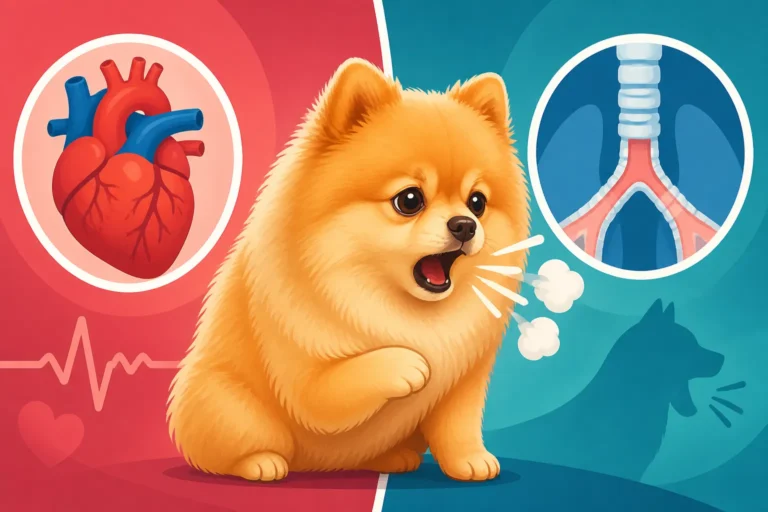
Once in the bloodstream, these bacteria can settle in vital organs, leading to serious secondary infections. The heart is particularly vulnerable, where bacteria can cause endocarditis, an inflammation of the heart lining or valves. Kidneys and liver can also be compromised, leading to chronic organ damage over time. This is a terrifying prospect, especially for such small dogs, as organ function is delicate. Chronic pain from dental disease also stresses their system, impacting their immune response and overall resilience.
Beyond internal organ damage, severe dental infections can lead to jaw bone loss, making the jaw fragile and prone to fractures, especially in a small breed like a Pomeranian. Abscesses can form under the eyes, potentially leading to eye complications or even fistulas (abnormal connections) that drain pus onto the face. The message is clear: maintaining good dental hygiene for your Pomeranian isn't just about fresh breath; it's a critical component of their overall health and longevity. Ignoring their dental health is akin to ignoring a chronic infection elsewhere in their body, with potentially devastating consequences.
Proactive Home Dental Care for Your Pomeranian
The cornerstone of preventing severe dental disease in your Pomeranian is consistent, effective home care. While professional cleanings are essential, what you do daily makes the biggest difference in slowing down plaque and tartar accumulation. It might seem daunting at first, but with patience and the right tools, you can establish a routine that keeps your Pom’s mouth as healthy as possible.
Establishing a Daily Brushing Routine
When it comes to home dental care, nothing beats daily toothbrushing. I know, I know, the thought of wrestling a tiny, fluffy bundle of energy to brush their teeth every single day can feel overwhelming. But just like with humans, mechanical removal of plaque is the most effective way to prevent its buildup. You’ll want to use a toothbrush specifically designed for small dogs, or even a finger brush, and a veterinary toothpaste. Never use human toothpaste, as it contains ingredients toxic to dogs.
Start slowly and make it a positive experience. Introduce the toothbrush and toothpaste gradually, letting your Pomeranian lick the paste off your finger first, then off the brush. Focus on the outer surfaces of the teeth, especially the upper canines and molars, as these tend to accumulate the most plaque. Keep sessions short and rewarding, always ending with praise or a small, healthy treat. Consistency is key; even a few minutes each day is more effective than an intense, infrequent scrubbing. Think of it like training: small steps build to big achievements. For more detailed steps, check out Whether a Pomeranian Needs Its Teeth Brushed Daily and Brushing a Pomeranian's Teeth Every Day.
The goal isn't perfection, especially in the beginning. It's about getting your Pomeranian comfortable with the process and removing as much plaque as possible. Aim for at least every other day, but daily is truly ideal for a breed so prone to dental issues. This routine will significantly reduce the frequency and severity of professional dental cleanings needed and can save your Pom from unnecessary pain and you from significant vet bills.
Dental Chews and Water Additives: Do They Really Help?
Beyond brushing, many products claim to boost your Pomeranian's dental health, such as dental chews, treats, and water additives. These can certainly play a supporting role, but it's important to understand their limitations and choose wisely. Not all dental products are created equal, and some offer little to no benefit. The key is to look for products that have been independently validated by organizations like the Veterinary Oral Health Council (VOHC). The VOHC seal indicates that a product meets a certain standard for reducing plaque and/or tartar.
VOHC-approved dental chews work by providing a mechanical scrubbing action as your dog chews, or by containing ingredients that help reduce bacteria or plaque. However, for a Pomeranian, it’s crucial to select chews that are appropriately sized and not too hard, as excessively hard chews can fracture their small teeth. Always supervise your Pom with chews to prevent choking. Water additives, on the other hand, typically contain ingredients that help break down plaque or kill bacteria in the water your dog drinks. While they won't remove existing tartar, they can help prevent new plaque from forming.
It's vital to remember that these supplementary products are just that – supplements. They should never replace daily brushing or regular professional veterinary care. Think of them as an extra layer of protection, not a magic bullet. They might slow down plaque accumulation, but they won't reverse existing dental disease or eliminate the need for professional cleanings. Use them judiciously and always prioritize manual brushing for the most impactful home care.
Regular At-Home Oral Inspections
Even with the best brushing routine, regular visual inspection of your Pomeranian’s mouth is invaluable. This isn't just about looking for obvious problems; it's about familiarity with what a healthy mouth looks like so you can spot subtle changes quickly. Make it part of your weekly grooming routine. Lift their lips gently, examine their gums for any redness, swelling, or bleeding, and check their teeth for any visible plaque or tartar buildup.
Pay close attention to the gum line, especially on the back teeth and the outside surfaces, as this is where problems often start. Look for any broken or discolored teeth, which could indicate trauma or internal damage. Also, keep an eye out for any unusual lumps, bumps, or sores on the gums, tongue, or inside the cheeks. Even a slight change in the color or texture of the gums can be an early indicator of an issue. If you notice persistent bad breath, a change in chewing habits, or any signs of pain, it's time for a vet visit.
These at-home inspections are not a substitute for professional veterinary examinations, but they empower you as an owner to be the first line of defense. You live with your Pomeranian every day and are uniquely positioned to detect early signs of trouble. The more comfortable your Pom is with you handling their mouth, the easier these inspections will be, and the less stressful any future veterinary oral exams might become. This proactive approach can make all the difference in catching dental disease before it becomes advanced and painful.
Professional Dental Care: When and Why it's Crucial
While home dental care is incredibly important, it cannot fully prevent dental disease in Pomeranians. Due to their genetic predisposition and crowded mouths, professional veterinary dental care is an unavoidable and essential part of their health regimen. It's an investment in their comfort and overall health that truly pays off in the long run.
The Importance of Annual Dental Cleanings Under Anesthesia
For most Pomeranians, annual professional dental cleanings under general anesthesia are not a luxury, but a necessity. Many owners express apprehension about anesthesia, especially for small dogs, and their concerns are absolutely valid. However, the risks of not performing a necessary dental cleaning often far outweigh the risks of a carefully managed anesthetic procedure. Ignoring severe dental disease means allowing your dog to live with chronic pain, inflammation, and the potential for systemic infections. This concern about anesthesia is so prevalent that we have an entire guide on Anesthesia Risk in a Four Pound Pomeranian.
During a professional cleaning, the veterinary team can thoroughly examine every tooth, probe for gum pockets, and take dental radiographs (X-rays) to assess the health of the tooth roots and jawbone beneath the gum line – something impossible to do on an awake dog. This comprehensive assessment allows them to identify hidden problems, such as root abscesses or bone loss, that aren't visible to the naked eye. Without anesthesia, scaling tartar below the gum line (where most periodontal disease occurs) is impossible, and it's also impossible to properly polish the teeth afterward, which is crucial to smooth out any microscopic scratches that would otherwise attract plaque.
A responsible veterinary clinic will take extensive precautions to minimize anesthetic risks, especially for a small breed like a Pomeranian. This usually includes pre-anesthetic bloodwork to check organ function, intravenous fluids to maintain blood pressure, careful monitoring of heart rate, breathing, and blood oxygen levels throughout the procedure, and a dedicated technician focused solely on anesthesia monitoring. Choosing a vet experienced with small breed dentals is key, as they understand the specific needs and vulnerabilities of tiny patients.
What Happens During a Professional Pomeranian Dental
When your Pomeranian undergoes a professional dental cleaning, it's a much more involved process than what you might imagine. After a thorough pre-anesthetic exam and bloodwork, and once safely under anesthesia, the real work begins. The first step is typically a full oral exam, including charting every tooth, noting any abnormalities like fractures, mobility, or discoloration. This is followed by full-mouth dental radiographs (X-rays), which are crucial because about two-thirds of the tooth structure is hidden beneath the gum line. These X-rays reveal problems like bone loss, root abscesses, un-erupted teeth, or fractured roots.
Next comes the scaling process. Specialized ultrasonic scalers are used to remove plaque and tartar from the crown of the tooth and, most importantly, below the gum line. Hand scalers are then used for fine tuning and to reach any difficult areas. Once all tartar is removed, the teeth are polished. This is a critical step, as polishing smooths the tooth surface, making it harder for plaque to adhere again quickly. The veterinary team will then perform a final oral rinse to flush away any debris and apply a fluoride treatment or sealant if indicated.
Throughout this entire process, your Pomeranian's vital signs are continuously monitored by a dedicated technician. Temperature, heart rate, respiration, blood pressure, and oxygen saturation are all carefully tracked to ensure their safety and comfort. If any teeth are found to be diseased beyond salvage during the exam or on X-rays, the discussion about Extractions in a Pomeranian's Small Jaw will likely occur. This comprehensive approach ensures that not only are the visible surfaces cleaned, but underlying painful issues are also identified and addressed, providing true relief and preventing future problems.
Addressing Extractions and Jaw Bone Loss
Sometimes, despite the best efforts in home and professional care, dental disease can progress to the point where extractions are necessary. This is especially true for Pomeranians, where overcrowded teeth and rapid tartar buildup can lead to severe periodontitis and significant bone loss around the tooth roots. While the idea of your tiny Pom losing teeth can be distressing, extracting severely diseased teeth is often the kindest and most effective way to eliminate pain and infection. A rotten tooth is a source of constant discomfort and a gateway for systemic illness.
When extractions are needed, the veterinary team takes great care to perform them as safely and painlessly as possible. This involves nerve blocks to numb the area, careful surgical techniques to preserve the surrounding bone, and sometimes even bone grafts or specialized sutures. Dental X-rays are crucial before, during, and after extractions to ensure all root fragments are removed and to assess the remaining bone structure. After an extraction, the gum is typically sutured closed to promote healing and protect the exposed bone.
In cases of advanced periodontal disease, the jawbone itself can become compromised and very fragile, a particular concern in small breeds. Significant bone loss can leave the jaw susceptible to pathological fractures, even from normal chewing. Post-extraction care includes pain medication, antibiotics, and a soft food diet for a period. While it might seem drastic, removing sources of chronic infection and pain improves your Pomeranian's quality of life dramatically. They adapt remarkably well to eating with fewer teeth, especially when they are no longer in agony. The focus is always on eliminating pain and preventing further disease progression.
Managing Advanced Dental Disease and Post-Procedure Care
When dental disease has progressed to an advanced stage in your Pomeranian, or if they've just undergone a significant dental procedure, specific management and care become paramount. This phase is all about alleviating pain, promoting healing, and adjusting their routine to support their recovery and long-term oral health.
Pain Management and Antibiotics for Compromised Gums
For Pomeranians suffering from advanced dental disease or recovering from extensive extractions, pain management is absolutely critical. Imagine living with a constant toothache; that's the reality for many dogs with severe periodontitis. Your veterinarian will prescribe appropriate pain medication, often a non-steroidal anti-inflammatory drug (NSAID) or another analgesic, to keep your Pom comfortable in the days and weeks following a procedure. It’s important to administer these medications exactly as directed, even if your dog seems to be feeling better, to ensure continuous pain relief and reduce inflammation.
In cases where significant infection is present, either before or after extractions, antibiotics will also be prescribed. These are crucial for clearing up bacterial infections that can spread from the mouth to other parts of the body. Again, always complete the full course of antibiotics, even if your Pomeranian's symptoms improve. Stopping early can lead to resistant bacteria and a resurgence of the infection. Sometimes, a long-acting injectable antibiotic may be used, which can be less stressful for both you and your Pom than daily pill administration.
Beyond medication, keeping the mouth clean at home is vital for healing. Your vet might recommend gentle rinsing with an antiseptic mouthwash specifically designed for dogs, or daily very gentle brushing around the healing areas with a soft finger brush, once they've had a few days to recover. This diligent post-operative care, combining medication with gentle hygiene, ensures that your Pomeranian recovers as quickly and comfortably as possible, eliminating the source of their chronic pain.
Nutritional Considerations for Pomeranians with Missing Teeth
After extractions, especially if multiple teeth are removed, you'll need to adjust your Pomeranian's diet. While dogs adapt remarkably well to eating with fewer teeth, providing appropriate nutrition is crucial. Initially, a soft food diet will be necessary to prevent irritation to the healing gums. This could mean feeding canned dog food, or softening their regular kibble with warm water or a low-sodium broth until it forms a gruel. This transition might be temporary, but some Poms, particularly if they’ve lost many molars, may thrive on a permanently softer diet.
Don't be surprised if your Pomeranian's appetite improves dramatically after painful teeth are removed. Dogs are often stoic, and chronic dental pain can subtly suppress their desire to eat. Once the pain is gone, they may rediscover the joy of mealtime. However, you'll still need to ensure they are getting all the necessary nutrients. If you're concerned about your Pom's intake or if they're particularly finicky, consult your vet or a veterinary nutritionist. They can help you formulate a balanced diet that meets their specific needs. You might be surprised at Whether a Pomeranian Can Eat With Missing Teeth and how well they adjust.
Remember to avoid hard treats, rawhides, or bones, which could damage healing gums or residual teeth. Stick to soft, easily digestible treats, especially during the recovery period. Even long-term, if your Pomeranian has lost several teeth, extremely hard chews might be off-limits to prevent further dental issues or even jaw fractures. The focus is on providing comfort and complete nutrition, ensuring their dietary needs are met without causing any further oral discomfort.
Long-Term Follow-Up and Prevention Strategies
Dental care for your Pomeranian is not a one-time event; it's a lifelong commitment. After a significant dental procedure, long-term follow-up is essential. This includes regular check-ups with your veterinarian to monitor the remaining teeth and gums, typically every six to twelve months, depending on the severity of their previous dental disease. These check-ups allow your vet to spot any new plaque accumulation or gum inflammation early, before it escalates into another major problem.
Continuing rigorous home care is also paramount. Daily brushing, using VOHC-approved dental products, and regular at-home oral inspections must remain a priority. Think of it as maintaining the investment you've made in their oral health. If your Pomeranian is particularly prone to rapid tartar buildup, your vet might recommend more frequent professional cleanings, perhaps every nine months instead of annually. This tailored approach is crucial for managing their individual needs.
Consider incorporating products like dental sealants or specialized toothpastes that help to deter plaque formation. Discuss these options with your vet to see if they're suitable for your Pom. Ultimately, the goal is to break the cycle of severe dental disease, pain, and extractions. By combining diligent home care with regular professional veterinary attention, you can help your Pomeranian live a happier, healthier, and pain-free life, free from the constant burden of dental discomfort.
The Financial Reality of Pomeranian Dental Health
Let's be realistic: excellent veterinary care, especially specialized procedures like dental work, comes with a cost. For Pomeranian owners, understanding and preparing for the financial aspect of dental health is crucial. These procedures are not cheap, and they are often recurring, making budgeting and financial planning an important part of responsible pet ownership.
Breaking Down the Costs of Dental Procedures
The cost of professional dental care for a Pomeranian can vary widely depending on several factors: your geographic location, the veterinary clinic's pricing, and, most significantly, the extent of the dental disease. A routine cleaning for a healthy mouth will be far less expensive than a procedure involving multiple extractions, bone grafting, or specialized imaging. Typically, a comprehensive dental cleaning under anesthesia for a Pomeranian will include a pre-anesthetic exam, bloodwork, intravenous fluids, anesthesia monitoring, ultrasonic scaling, polishing, and full-mouth dental X-rays. This alone can range from several hundred to over a thousand dollars.
If extractions are necessary, the cost will increase significantly. Each extraction adds to the bill, with complex surgical extractions (e.g., molars with multiple roots) costing more than simple ones. The need for advanced pain management, antibiotics, and special post-operative care further contributes to the overall expense. Some clinics may also charge for dental sealants or fluoride treatments as add-ons. It's not uncommon for a dental procedure with several extractions for a Pomeranian to run into the multi-thousand dollar range, particularly in urban areas or specialist clinics. We often hear stories about The Bill When a Pomeranian Loses Six Teeth, and it's always substantial.
It's absolutely essential to get a detailed estimate from your veterinarian before the procedure. They should provide a breakdown of anticipated costs, including potential charges for unforeseen extractions. While it's impossible to give an exact number before they've had a look under anesthesia, a good vet will give you a range and discuss different scenarios. Don't hesitate to ask questions and clarify anything you don't understand.
Pet Insurance and Dental Coverage
Given the potentially high costs of Pomeranian dental care, pet insurance can be a lifesaver. However, it's crucial to understand what pet insurance typically covers when it comes to dental health. Most standard accident and illness policies will cover dental procedures that are deemed medically necessary, such as professional cleanings to treat existing gum disease, extractions of diseased teeth, and treatments for oral injuries (like a fractured tooth). Many policies also require an annual professional cleaning to be eligible for future dental claims.
Where things get a bit tricky is with "preventative" dental care or pre-existing conditions. Routine cleanings for a healthy mouth might not be covered by all policies unless you have an added "wellness" package. More importantly, if your Pomeranian already has signs of dental disease (like tartar buildup or gingivitis) before you enroll in a policy, that condition will likely be considered pre-existing and therefore excluded from coverage. This is why it's so important to enroll in pet insurance when your Pomeranian is young and healthy, ideally before any dental issues begin. Providers like Healthy Paws often have strong reputations for covering unexpected illnesses and accidents, which can include the treatment of dental disease, but always read the fine print of any policy regarding dental specifics. For details on what might be covered, refer to What Insurance Pays Toward a Pomeranian Dental.
When researching pet insurance plans, specifically ask about their dental coverage:
- Does it cover routine cleanings?
- What percentage of dental procedures (cleanings, extractions) is covered?
- Is there a waiting period for dental benefits?
- What is considered a pre-existing condition for dental issues?
Comparing policies and choosing one that offers robust dental coverage can save you a significant amount of money over your Pomeranian's lifetime, providing peace of mind when those inevitable dental issues arise.
Budgeting for Lifetime Dental Needs
Understanding the potential costs of dental care is just the first step; the next is proactively budgeting for it. Since Pomeranians are so predisposed to dental disease, you should assume that your dog will need multiple professional cleanings and potentially extractions throughout their life. This isn't a one-and-done situation. Starting a "Pomeranian Dental Fund" when your puppy is young can be a smart financial strategy. Even setting aside $50-$100 a month can build up a substantial reserve for future dental bills.
Consider a multi-faceted approach to budgeting. Pet insurance, as discussed, is a great safety net for larger, unexpected dental issues. For routine cleanings, factor the average cost into your annual pet budget, much like you would for vaccinations or annual check-ups. Some veterinary clinics offer dental packages or payment plans, which can help spread out the cost. Additionally, maintaining diligent home care will reduce the frequency of professional cleanings or the severity of procedures, indirectly saving you money in the long run.
Don't let the potential cost deter you from seeking necessary care. The pain and suffering your Pomeranian endures from untreated dental disease is far greater than any financial burden. Being prepared means you can make decisions based on your Pomeranian's health needs, rather than being forced into difficult choices due to unexpected expenses. Plan for their dental health as seriously as you plan for their food, toys, and veterinary visits.
Debunking Common Myths About Pomeranian Dental Care
There's a lot of misinformation floating around about dog dental care, and these myths can be particularly damaging when it comes to a breed as vulnerable as the Pomeranian. Let's tackle some of the most common misconceptions that can inadvertently put your furry friend's oral health at risk.
"My Dog Eats Hard Kibble, So His Teeth Are Clean"
This is perhaps one of the most persistent and dangerous myths in pet ownership. Many owners believe that feeding dry kibble provides a "scrubbing action" that cleans their dog's teeth. While it's true that crunchy kibble is generally better than soft, wet food for dental health, it's a far cry from providing adequate cleaning, especially for a Pomeranian. Think of it this way: would you skip brushing your teeth because you ate a crunchy apple for dinner? Of course not!
The reality is that regular kibble breaks apart quickly when a dog chews it, offering minimal contact with the tooth surface and virtually no cleaning effect at the gum line, which is where periodontal disease truly starts. The unique overcrowding in a Pomeranian's mouth further exacerbates this; kibble simply can't reach those tight spaces where plaque and tartar build up rapidly. Even specialized "dental diets" designed with larger kibble that encourages more chewing only offer a modest reduction in plaque and tartar, and they still don't replace brushing.
Relying solely on kibble for dental health is a recipe for disaster in a Pomeranian. It creates a false sense of security, leading owners to neglect more effective home care practices like daily brushing and regular professional cleanings. While a good quality diet is essential for overall health, it should never be considered the primary defense against dental disease in your Pom.
"Anesthesia is Too Risky for a Small Dog"
The concern about anesthesia for small dogs is completely understandable. It's a worry shared by many loving Pomeranian owners, and it often leads to delaying or avoiding essential dental procedures. However, this is a myth that needs careful debunking, as the risks of untreated dental disease are often far greater than the risks of modern anesthesia, especially in a reputable veterinary clinic. The issue of Anesthesia Charges on a Five Pound Pomeranian is often tied to the perceived risks.
Veterinary medicine has made incredible advancements in anesthesia safety. For a small dog like a Pomeranian, a good veterinary practice will implement a strict protocol to minimize risks. This includes comprehensive pre-anesthetic bloodwork to assess organ function, careful selection of anesthetic agents tailored to your dog's size and health, and continuous monitoring throughout the procedure. Modern monitoring equipment tracks heart rate, respiration, blood pressure, oxygen saturation, and body temperature – essentially, everything a human gets monitored for. Intravenous fluids are almost always used to maintain hydration and blood pressure.
While no anesthetic procedure is entirely without risk, the statistics show that the incidence of serious complications in healthy pets is very low. The chronic pain, infection, and systemic health consequences (heart, kidney, liver disease) that stem from untreated, severe dental disease pose a much higher, long-term threat to your Pomeranian's life and quality of life. Discuss your concerns openly with your veterinarian; they should be able to explain their protocols and put your mind at ease. Avoiding necessary dental care due to outdated fears about anesthesia can lead to years of suffering for your beloved Pom.
"Older Pomeranians Don't Need Dentals"
This myth is particularly heartbreaking because it often condemns older Pomeranians to years of unnecessary pain. Some owners believe that once a dog reaches a certain age, they are "too old" for anesthesia or that dental problems are just a natural part of aging and should be left alone. This couldn't be further from the truth. In fact, older Pomeranians are often the ones who most desperately need dental care, as they have had more time for plaque and tartar to accumulate and for periodontal disease to progress.
Imagine living with a mouth full of rotting teeth and infected gums every single day – that's the reality for many senior dogs whose dental issues are ignored. While every anesthetic procedure carries some risk, age itself is not a disease. A thorough pre-anesthetic workup, including comprehensive blood tests and sometimes even chest X-rays or an ECG, can help assess an older Pomeranian's organ function and overall health. If their internal organs are stable, modern anesthetic protocols can be safely tailored for geriatric patients. Many older Poms experience a dramatic improvement in their quality of life, energy levels, and appetite after receiving much-needed dental treatment.
Delaying dental care for an older Pomeranian out of fear means allowing them to live in chronic pain and with a constant source of infection that can further compromise their health. Don't let their age be a barrier to providing them with comfort and a better quality of life. Your vet can help determine if your senior Pomeranian is a good candidate for a dental procedure, focusing on the benefits versus the carefully managed risks. They deserve to live their golden years free from dental agony.
Disclaimer
This article is intended for informational purposes only and is not a substitute for professional veterinary advice. Always consult with a qualified veterinarian regarding your Pomeranian's specific health concerns and before making any decisions about their care or treatment.