Extractions in a Pomeranian’s Small Jaw
It’s a heartbreaking reality for many Pomeranian parents: you start noticing a peculiar smell from their mouth, a reluctance to chew their favorite toy, or even blood on their dental chews. Due to their tiny mouths and crowded teeth, Pomeranians are incredibly prone to severe dental disease, often leading to the difficult but necessary decision of tooth extractions. This comprehensive guide will walk you through why this happens, what to expect from the procedure, and how to ensure your beloved Pom lives a comfortable life afterward.
The Unique Challenges of a Pomeranian's Small Mouth
Our little Poms might have big personalities, but their small physical stature brings with it some specific health challenges, particularly concerning their dental health. That adorable, fox-like muzzle might be perfect for kisses, but it’s a tight squeeze for a full set of teeth.
Why Pomeranian Teeth Crowd and Rot
Imagine trying to fit adult-sized furniture into a child's playhouse; that's essentially what's happening in a Pomeranian's mouth. These little dogs are bred to be small, but they retain the same number of teeth as their larger canine cousins. This means their teeth are often severely crowded and misaligned, creating a perfect storm for dental issues. When teeth are packed in so tightly, food particles and bacteria have endless nooks and crannies to hide in. Even with diligent brushing, it's incredibly difficult to reach every surface, leading to rapid plaque and tartar buildup. This hardened calculus then irritates the gums, causing inflammation, known as gingivitis, which is the first stage of periodontal disease. Without intervention, this progresses, eroding the bone and ligaments supporting the teeth, leading to infection and excruciating pain. It's a sad truth that by the age of three, many Pomeranians already show significant signs of Dental Disease in a Mouth the Size of a Pomeranian's. This crowding issue is a primary reason why vets often recommend frequent dental cleanings and, unfortunately, extractions.
The very structure of their jaw can also contribute. Pomeranians often have an underdeveloped jawbone relative to the size of their teeth, exacerbating the crowding. This genetic predisposition means that even with the best care, some Poms will simply face a losing battle against plaque and tartar. The constant pressure from misaligned teeth can also lead to abnormal wear, exposing sensitive areas and increasing the risk of infection. We often see teeth rubbing against each other or even against the gums, causing chronic irritation that only compounds the problem.
The Stubborn Baby Teeth That Refuse to Fall Out
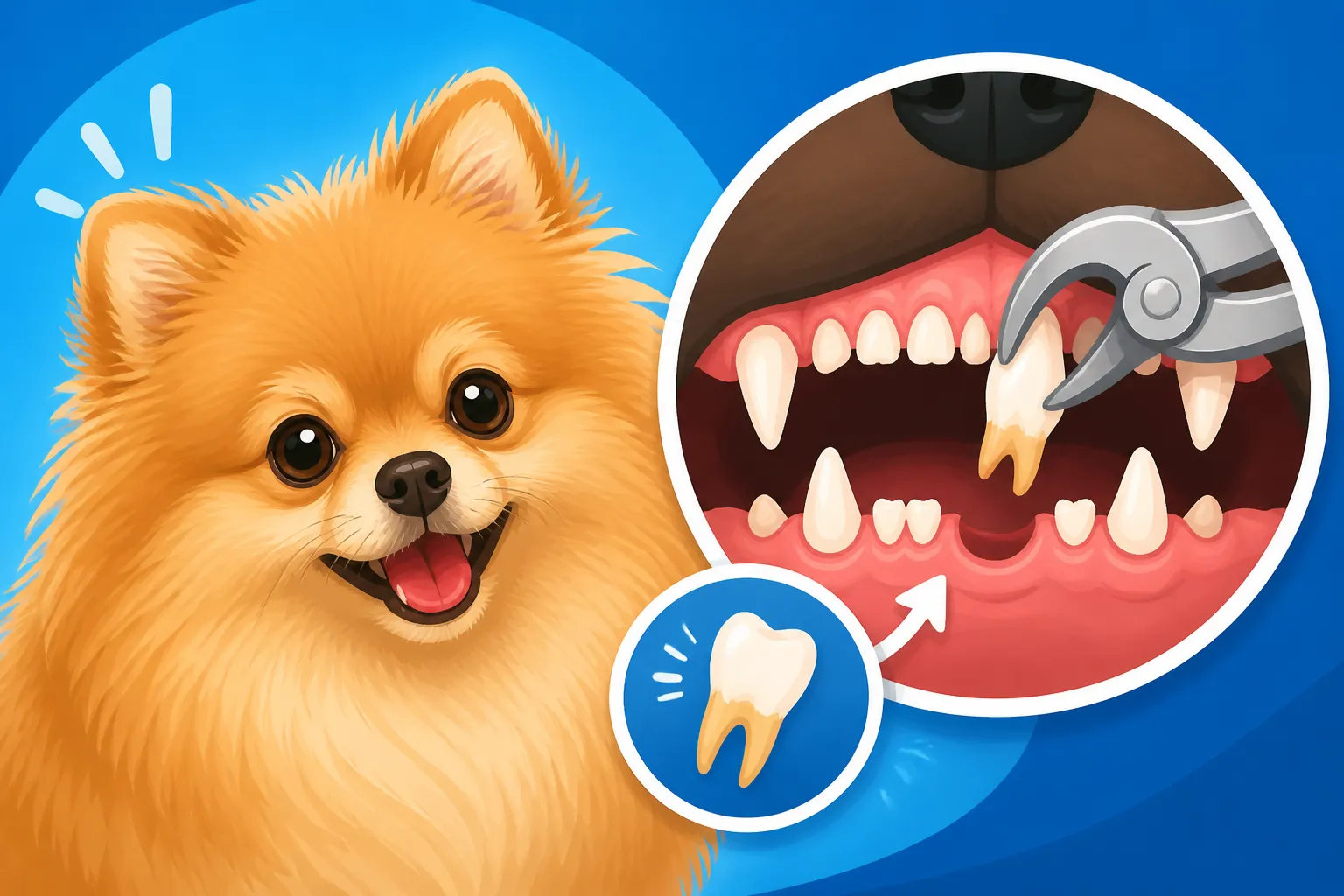
Another common dental headache for Pomeranian owners is retained deciduous teeth, more commonly known as stubborn baby teeth. In most dog breeds, as the adult teeth erupt, they push out the baby teeth. However, in smaller breeds like Pomeranians, this natural process often fails. You'll frequently see adult teeth emerging right next to the still-present baby teeth, creating a double row of tiny pearly whites. This phenomenon is a classic example of The Baby Canines a Pomeranian Fails to Lose.
These retained baby teeth are more than just a cosmetic issue. They further contribute to the overcrowding problem, making it even harder to clean between teeth. This trap for food and bacteria accelerates the development of plaque, tartar, and eventually periodontal disease. The presence of these extra teeth can also cause the adult teeth to erupt in abnormal positions, leading to malocclusion (improper bite). If not addressed, these issues can lead to pain, infection, and the premature loss of otherwise healthy adult teeth. Most veterinarians recommend extracting retained baby teeth when your Pomeranian puppy is spayed or neutered, or as soon as they are identified, to prevent these long-term problems. It's a proactive step that can save a lot of discomfort and expense down the line, ensuring that when your pup graduates past the "puppy uglies" their mouth is set up for success.
Recognizing When Extractions Might Be Necessary
It can be tough to tell if your little Pom is in pain, especially when they're so good at hiding it. They can't exactly point to a sore tooth and tell you about it! However, being observant and knowing what to look for can make all the difference in catching dental issues before they become severe.
Signs of Pain and Disease a Pomeranian Can't Hide
While Poms are masters of stoicism, there are usually subtle, and sometimes not-so-subtle, signs that they're experiencing oral pain or advanced dental disease. One of the most common indicators is a change in eating habits. You might notice your Pomeranian struggling to chew their kibble, dropping food, or showing a preference for softer foods they once ignored. Some might even avoid eating altogether, which is a significant red flag. Another tell-tale sign is bad breath – not just "dog breath," but a truly foul odor that can clear a room. This distinct smell is often a strong indicator of infection and inflammation within the mouth, a classic sign of What a Pomeranian's Breath Says About Its Gums.
Beyond eating, look for behavioral changes. A Pom in pain might become more withdrawn, less playful, or even irritable when touched around the face. You might observe pawing at their mouth, excessive drooling, or a reluctance to let you examine their teeth. Their gums might appear red, swollen, or even bleed when they chew or you try to brush. In advanced cases, you might even see loose teeth or visible abscesses on their gums or under their eyes. If you notice any of these signs, it's crucial to schedule a vet visit promptly, as these symptoms usually mean the disease has progressed significantly and extractions are very likely to be necessary. Early detection can prevent more widespread infection and bone loss, leading to a much better outcome for your furry friend.
The Progression of Periodontal Disease
Periodontal disease doesn't happen overnight; it's a gradual process that escalates if left untreated. It begins with the formation of plaque, a sticky film of bacteria that constantly forms on teeth. Within days, this plaque can harden into tartar (calculus), which cannot be removed by brushing alone. This rough surface then attracts even more plaque, creating a vicious cycle.
The progression is typically categorized into stages, which your veterinarian will assess during an oral examination:
| Stage | Description | Common Signs | Treatment Recommended |
|---|---|---|---|
| Stage 0 (Healthy) | Gums and teeth are perfectly healthy. | Clean teeth, pink gums, no odor. | Regular home brushing, routine check-ups. |
| Stage 1 (Gingivitis) | Gums are inflamed, but no bone loss. Reversible with treatment. | Red, swollen gums; mild bad breath. | Professional dental cleaning (scaling and polishing). |
| Stage 2 (Early Periodontitis) | Gums are more inflamed, and early bone loss (up to 25%) begins. | More noticeable bad breath, bleeding gums, plaque/tartar buildup. | Professional dental cleaning, possibly antibiotics. |
| Stage 3 (Moderate Periodontitis) | Significant inflammation and bone loss (25-50%). Pockets form around teeth. | Severe bad breath, recession of gums, wobbly teeth, pain. | Professional dental cleaning, deep scaling, potentially extractions. |
| Stage 4 (Advanced Periodontitis) | Severe bone loss (over 50%), significant tissue destruction, widespread infection. | Loose teeth, abscesses, severe pain, reluctance to eat. | Extensive extractions, advanced oral surgery. |
By Stage 3 and certainly Stage 4, extractions are often the most humane and effective course of action to alleviate pain and prevent the spread of infection. Many Pomeranians, unfortunately, present at Stage 3 or 4 because of the rapid progression of Why a Pomeranian's Teeth Crowd and Rot and their small jaw predispositions. Delaying treatment only allows the disease to worsen, leading to more discomfort for your Pom and more extensive (and expensive) procedures down the line. Regular veterinary check-ups are key to catching and addressing these issues early.
The Dental Procedure: What to Expect for Your Pomeranian
The thought of your tiny Pomeranian undergoing anesthesia and having teeth pulled can be incredibly daunting. It's completely normal to feel anxious! However, understanding the process step-by-step can help ease your worries and prepare you for what's ahead.
Pre-Anesthetic Protocols for Tiny Poms
Given their small size, Pomeranians do carry a slightly higher risk with anesthesia compared to larger breeds, making stringent pre-anesthetic protocols absolutely essential. This isn't just about safety; it's about minimizing risk and ensuring the smoothest possible procedure. Before any dental work, your vet will require a thorough physical examination, often including bloodwork. This pre-anesthetic bloodwork checks vital organ function, like the kidneys and liver, which are responsible for processing anesthetic drugs. It also assesses red and white blood cell counts, which can indicate infection or anemia, both of which could complicate anesthesia. Many owners worry about Anesthesia Risk in a Four Pound Pomeranian, and these comprehensive checks are precisely why modern veterinary medicine has made it much safer.
Your vet might also recommend additional diagnostics, such as an EKG to check heart function, especially if a heart murmur has ever been detected. Depending on your Pom's age and overall health, X-rays might be taken to check for underlying issues not visible on a surface exam. On the day of the procedure, your Pom will likely be fasted overnight to prevent aspiration if they were to vomit under anesthesia. Intravenous (IV) fluids are almost always administered before, during, and after the procedure. This helps maintain blood pressure, keeps them hydrated, and assists their body in flushing out the anesthetic drugs, making for a smoother recovery. Discuss all your concerns with your vet; a good clinic will walk you through every step and answer all your questions.
The Extraction Process Itself
Once under anesthesia, the real work begins. The first step in any comprehensive dental procedure is a full oral examination and dental X-rays. Unlike humans, dogs don't sit still for X-rays, so these are taken while they are safely sedated. These X-rays are absolutely critical because up to 60% of dental disease lies beneath the gum line, invisible to the naked eye. They help the vet assess the extent of bone loss, identify hidden abscesses, and determine which teeth need to be extracted. It’s impossible to do a truly thorough job without them, especially for Extractions in a Pomeranian's Small Jaw.
After the X-rays, the vet and veterinary technicians will perform a professional scaling and polishing, much like your own dental hygienist. Using specialized ultrasonic tools, they will remove plaque and tartar from above and below the gum line. Each tooth is then polished to create a smooth surface that is less prone to future plaque adherence. Only after this thorough cleaning can the vet accurately identify which teeth are too diseased to save and require extraction. The extractions themselves are performed with precision, often involving surgical techniques to minimize trauma to the jawbone. This might include creating a gum flap or sectioning multi-rooted teeth to remove them gently. Pain medication is administered before, during, and after the extractions to ensure your Pomeranian is as comfortable as possible. This meticulous approach is vital to prevent complications and promote faster healing.
Post-Operative Care and Recovery
Bringing your little Pom home after dental surgery, especially if they’ve had multiple extractions, requires some special attention. They’ll likely be a bit groggy from the anesthesia and might have some mild swelling around their mouth. Your vet will send you home with detailed instructions, which usually include a course of antibiotics and pain medication. It’s critical to administer these exactly as prescribed to prevent infection and keep your Pomeranian comfortable during their recovery. You might also receive specific dietary recommendations, such as feeding soft food for a week or two, to avoid irritating the extraction sites.
Creating a quiet, comfortable space for your Pom to rest is important. Keep an eye on the incision sites for any excessive bleeding, swelling, or discharge, though minor oozing is normal initially. Most Pomeranians recover remarkably well from extractions and are often much happier and more energetic once the source of their chronic pain is removed. Think about it, they've been living with a constant toothache! This is a great time to implement or re-commit to a daily home dental care routine, perhaps using a very soft toothbrush and pet-specific toothpaste on the remaining healthy teeth. Consider looking into resources like How Many Dentals a Pomeranian Needs in a Lifetime to understand ongoing care.
Life After Extractions: Eating, Comfort, and Prevention
The world certainly looks different when you're no longer in constant pain. Many Pomeranian owners report a dramatic improvement in their dog's quality of life after necessary tooth extractions. It's a testament to how much these little fighters can endure silently.
Adjusting to Eating with Fewer Teeth
One of the most common concerns pet parents have is whether their Pomeranian will still be able to eat properly after losing several teeth. The good news is, absolutely! Dogs don't chew food in the same way humans do. Their primary function for teeth is to grasp and tear, rather than grind. Many Poms who have lost numerous teeth, even most of them, adapt incredibly well to eating kibble, especially if it’s a smaller size. However, transitioning to soft or wet food, at least initially, is often recommended. If your Pomeranian typically eats dry kibble, you can soften it with warm water or low-sodium broth for a few weeks post-surgery. Many small dog food brands offer formulas specifically designed for tiny mouths, with smaller kibble pieces that are easier to manage, even for dogs with few teeth.
It might take a little patience and experimentation to find what works best for your individual Pom. Some will happily crunch away, even with only a few teeth, while others will prefer a softer diet for the rest of their lives. The key is to ensure they are getting adequate nutrition and not experiencing pain while eating. You might be surprised to find your Pomeranian has a renewed enthusiasm for mealtime once their painful teeth are gone. For more insights on this, you might find information on Whether a Pomeranian Can Eat With Missing Teeth helpful. Remember, a pain-free dog is a happy dog, and eating comfortably is a huge part of that.
Preventing Future Dental Issues
Just because some teeth have been extracted doesn't mean you can let your guard down on dental care. The remaining teeth are still susceptible to plaque and tartar buildup and periodontal disease. In fact, without the crowding of some previously removed teeth, it might even be easier to reach and clean the remaining ones effectively. The single most important thing you can do to prevent future dental problems is to establish a consistent, daily home dental care routine. This means brushing your Pomeranian's teeth every single day with a pet-specific toothbrush and enzymatic toothpaste. It can be a challenge with a wiggly Pom, but even a few minutes each day makes a huge difference.
Beyond brushing, dental chews and water additives can be beneficial, but always choose products specifically recommended by your veterinarian. Many dental chews are too hard for small dogs and can even cause fractures, especially if teeth are weakened by disease. Look for VOHC (Veterinary Oral Health Council) approved products, which have been proven effective. Regular veterinary check-ups, ideally twice a year, should include an oral examination. Your vet will advise you on the frequency of professional dental cleanings under anesthesia, which some Poms might still need annually or every other year, even after extractions. It’s an ongoing commitment, but one that will dramatically improve your Pomeranian's quality of life. Don't forget to keep up with Whether a Pomeranian Needs Its Teeth Brushed Daily.
When to Consider Dental Insurance
The cost of veterinary dental care, especially when extractions are involved, can be a significant financial burden for many pet parents. It’s an unfortunate reality that often leads people to delay necessary treatment. This is where pet insurance can truly be a lifesaver. While many standard pet insurance policies cover accidents and illnesses, the coverage for dental disease can vary widely. Some policies only cover extractions if they are due to an accident, like a broken tooth, but not if they are due to pre-existing periodontal disease.
However, some pet insurance providers, like Healthy Paws, offer comprehensive policies that include coverage for dental illnesses, including extractions, as long as the condition isn't pre-existing at the time you enroll. This means if you get a policy when your Pomeranian is young and healthy, future dental issues requiring extractions would likely be covered. It's crucial to read the fine print and understand what is and isn't covered before you commit. Inquire about annual limits, deductibles, and reimbursement percentages. While pet insurance can feel like an extra monthly expense, it provides immense peace of mind, knowing that you won't have to choose between your Pomeranian's health and your wallet when significant procedures like extractions become necessary. It's a proactive step in managing The Eighteen Thousand Dollar Lifetime of a Pomeranian.
Addressing Common Concerns and Myths About Extractions
It's natural to have a lot of questions and even some fear when faced with the prospect of dental extractions for your tiny companion. There's a lot of information floating around, and not all of it is accurate or helpful. Let's tackle a couple of the most prevalent concerns.
"My Pomeranian is too old for anesthesia!"
This is perhaps the most common and understandable fear expressed by owners of older Pomeranians. The idea of putting a senior dog under anesthesia can be terrifying, conjuring images of increased risks and slower recovery. While it's true that older dogs require a more cautious approach, age itself is generally not a disease. A Pomeranian's chronological age is less important than their physiological age and overall health status. In many cases, the risks associated with untreated dental disease—chronic pain, systemic infection spreading to vital organs like the heart and kidneys, and a constant inflammatory state—far outweigh the carefully managed risks of modern anesthesia. Many owners wonder Whether an Old Pomeranian Should Have a Dental.
Veterinary medicine has made incredible strides in anesthetic safety, particularly for senior and small-breed patients. Comprehensive pre-anesthetic bloodwork, as discussed earlier, is even more critical for older Poms to identify any underlying health issues. Advanced monitoring equipment tracks heart rate, blood pressure, oxygen saturation, and temperature throughout the procedure. Vets also use tailored anesthetic protocols, often employing lighter, reversible agents, and ensuring a warm, supportive recovery environment. For an older Pomeranian suffering from chronic dental pain, getting rid of that source of discomfort can significantly improve their quality of life, energy levels, and even extend their healthy years. It's a decision always made in consultation with your trusted veterinarian, weighing the benefits against the risks for your individual dog.
The Myth of "Painless" Home Extractions
Unfortunately, in some corners of the internet, you might stumble upon dangerous advice suggesting that you can perform "at-home" or "painless" extractions on your dog. This is an extremely harmful and frankly, cruel, misconception. Extracting a dog's tooth is a complex surgical procedure that requires proper training, sterile instruments, profound anesthesia, and often, surgical expertise to avoid damaging the jaw, surrounding teeth, or nerves. What might appear to be a loose tooth on the surface often has deep roots and significant bone involvement, especially in a small jaw like a Pomeranian's.
Attempting to pull a tooth at home, even if it seems very loose, will cause excruciating pain and trauma to your Pomeranian. It inevitably leads to infection, potentially broken jawbones, and fragments of tooth root left behind, which can cause ongoing pain and abscesses. Not to mention, the severe psychological trauma it would inflict on your beloved pet, potentially destroying their trust in you. There is absolutely no such thing as a safe, painless, or effective at-home dental extraction. If your Pomeranian is experiencing dental issues, always, always seek the advice and treatment of a licensed veterinarian. They are the only professionals qualified and equipped to perform such procedures humanely and safely. Your Pom deserves nothing less than professional, compassionate care for Gum Disease in a Pomeranian.
Disclaimer
The information provided in this guide is for general educational purposes only and should not be considered a substitute for professional veterinary advice. Always consult with a qualified veterinarian for any health concerns or before making any decisions about your Pomeranian's medical care.