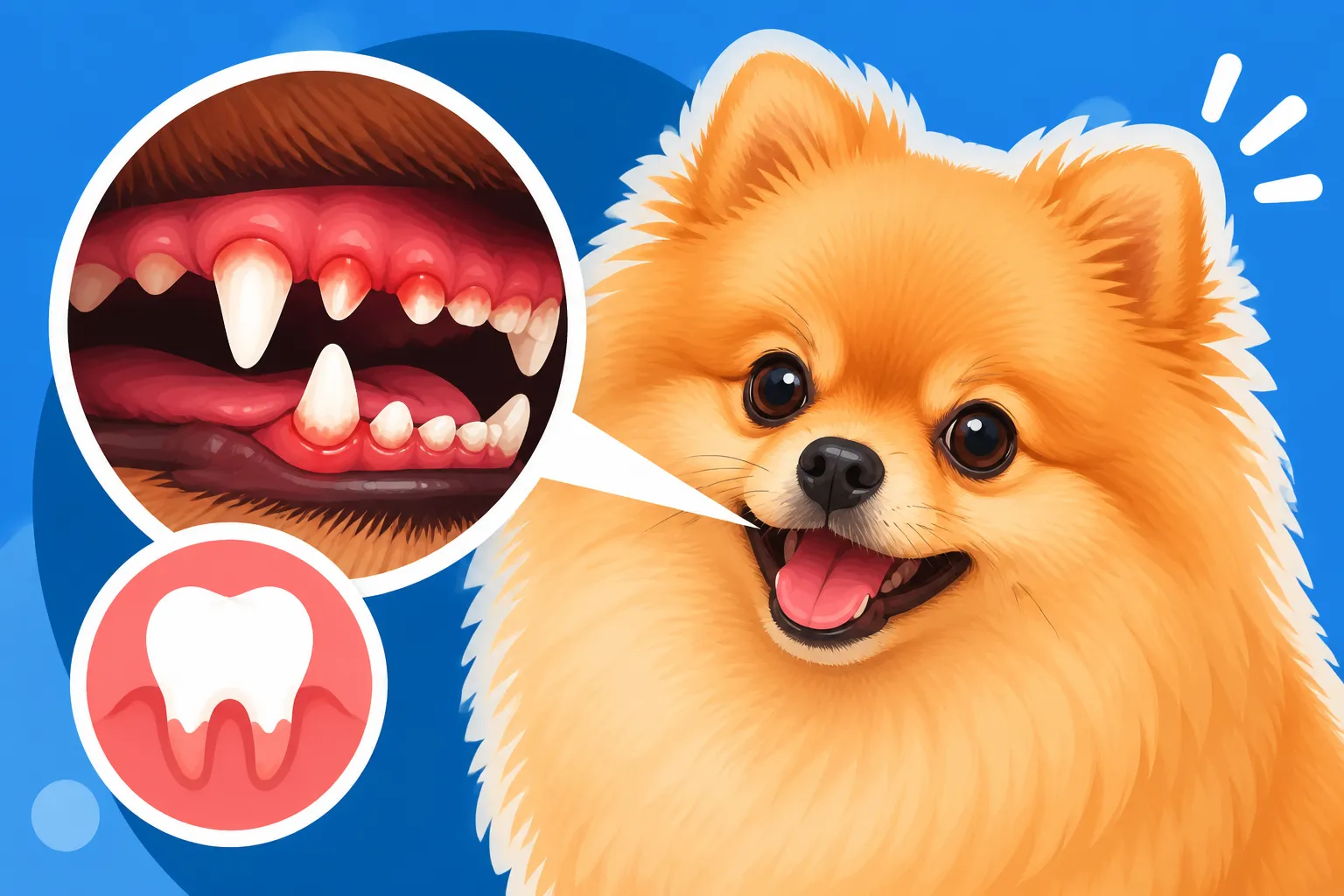
Gum Disease in a Pomeranian
It’s truly disheartening when you start to notice your sweet Pomeranian’s breath becoming a bit… pungent, or when you peek into their tiny mouth and see those once-healthy pink gums looking angry and inflamed. Gum disease, also known as periodontal disease, is a pervasive and often painful condition that sneaks up on so many of our beloved Poms. It’s not just about bad breath; it’s a serious health issue that can lead to significant discomfort and even impact their overall health. This comprehensive guide will walk you through everything you need to know about gum disease in Pomeranians, from understanding why they’re so susceptible to spotting the subtle signs and, most importantly, how to keep their precious smiles healthy for years to come.
Why Pomeranians Are So Prone to Gum Disease
It often feels unfair, doesn't it? Our small, adorable Pomeranians, with their fluffy coats and vibrant personalities, seem to draw the short straw when it comes to dental health. Unlike larger breeds with more spacious jaws, Pomeranians, like many toy breeds, are predisposed to gum disease due to a combination of their unique oral anatomy and genetics. It’s not a reflection of poor care; it’s simply a challenge inherent to the breed that we, as loving owners, need to proactively address.
The Crowded Confines of a Pomeranian's Mouth
Imagine trying to fit a full set of adult human teeth into a toddler's mouth. That's essentially what's happening inside your Pomeranian's jaw. Poms have relatively small mouths, but they still have 42 adult teeth – the same number as a much larger Labrador Retriever. This often leads to severe overcrowding, where teeth are jammed closely together, rotated, or even overlapping. When teeth are crowded, it creates a perfect storm for plaque and tartar accumulation. Food particles get trapped in those tight spaces, and it becomes incredibly difficult, if not impossible, for regular brushing or even dental chews to reach and clean these areas effectively. This constant accumulation of plaque quickly hardens into tartar, providing a rough surface for even more bacteria to latch onto, initiating the cycle of gum disease. It’s a frustration many owners share, knowing they’re doing their best, yet nature seems to be working against them. You might notice your Pomeranian's teeth crowd and rot faster than you'd expect because of this inherent structural issue.
Retained Baby Teeth and Genetic Predisposition
Another common issue that exacerbates dental problems in Pomeranians is the tendency for them to retain their deciduous, or "baby," teeth long after their adult teeth have erupted. Normally, as permanent teeth grow in, they push out the baby teeth, which then fall out. However, in Poms, these baby teeth often stubbornly remain, creating a double row of teeth. This double row further increases overcrowding, traps more food and bacteria, and accelerates the development of periodontal disease. It's a key reason why it's so important to monitor your Pomeranian's mouth during puppyhood and beyond. The veterinarian often has to intervene to ensure the baby canines a Pomeranian fails to lose are extracted to prevent future complications.
Beyond anatomy, genetics play a significant role. Some Pomeranian lines may simply be genetically predisposed to developing more severe gum disease or developing it at an earlier age. While responsible breeders strive to select for good dental health, the trait can still emerge. This means even with the best home care, some Poms might still require more frequent professional dental cleanings than others, and it’s nothing to feel guilty about. It’s simply part of their genetic makeup, underscoring the need for vigilant observation and proactive veterinary care throughout their lives. This genetic component is often why dental disease in a mouth the size of a Pomeranian's can seem an uphill battle.
Spotting the Silent Signs of Dental Trouble
One of the biggest frustrations with gum disease is that it's often a silent struggle for our Poms. They're incredibly stoic creatures, hardwired by instinct to hide pain, especially when it involves their mouth. In the wild, showing weakness or pain in their ability to eat could mean starvation. So, by the time you notice overt signs, the disease is often quite advanced. This is why being a vigilant observer is so crucial, knowing what subtle changes to look for that might indicate brewing trouble.
The Early Warning Signals
The first and most common sign of gum disease in a Pomeranian, which many owners unfortunately dismiss as "just dog breath," is persistent bad breath, also known as halitosis. It's truly not normal for a dog's breath to be offensive. A healthy dog's breath might not smell like roses, but it shouldn't knock you over. If your Pomeranian’s breath has gone from mildly "doggy" to genuinely foul, that's a huge red flag indicating bacterial overgrowth in their mouth. It’s a direct signal that you need to investigate further. This distinct odor is usually the earliest indicator of what a Pomeranian's breath says about its gums.
Beyond breath, take a closer look at their gums and teeth. Healthy gums should be a salmon pink color. If you notice any redness along the gum line, especially where the gums meet the teeth, or if they appear swollen and puffy, that’s gingivitis – the earliest, reversible stage of gum disease. As the disease progresses, you might start to see brownish-yellow tartar buildup on the teeth, particularly on the back molars and canines. This tartar is a hard, mineralized form of plaque that can't be brushed away at home. Small amounts of bleeding when you touch their gums or when they chew on a toy can also be an early indicator of inflammation. Don't wait for these symptoms to become severe; early intervention is key.
Advanced Symptoms and Behavioral Changes
As gum disease progresses beyond gingivitis to periodontitis, the signs become more apparent and concerning. Your Pomeranian might start exhibiting more noticeable discomfort. They might become hesitant to eat hard kibble or chew on their favorite toys, preferring softer foods. You might observe them chewing on one side of their mouth to avoid a painful area, or dropping food from their mouth while eating. Sometimes, they might even seem less enthusiastic about meal times altogether, which is a major red flag for a food-motivated breed like a Pomeranian.
Look for excessive drooling, sometimes with blood in the saliva. If the disease is severe, you might see pus around the gum line or even a draining tract on their face, just below an eye, indicating an abscessed tooth that has created a fistula. They might paw at their mouth or rub their face against furniture or your leg, trying to alleviate the pain. In very advanced cases, the bone supporting the teeth can be so severely eroded that teeth become loose or even fall out entirely. This can be incredibly painful and impact their ability to eat, play, and enjoy life. Remember, this isn't just cosmetic; this is a deeply uncomfortable and dangerous situation for your little companion.
Here’s a quick overview of what to look for:
| Symptom Category | Early Signs (Gingivitis) | Advanced Signs (Periodontitis) |
|---|---|---|
| Oral Appearance | Bad breath, red/swollen gums, slight tartar buildup, minor bleeding | Heavy tartar, receding gums, pus, loose/missing teeth, discolored teeth |
| Behavioral | Mild reluctance to chew hard items | Dropping food, chewing on one side, decreased appetite, pawing at mouth, rubbing face |
| Physical | Occasional bloody drool | Excessive drooling (possibly bloody), facial swelling, discharge below eye |
A Multi-Pronged Approach to Fighting Gum Disease
Tackling gum disease in a Pomeranian requires a dedicated, consistent effort, combining daily home care with regular professional veterinary attention. It’s an ongoing commitment, not a one-time fix, but the payoff of a happy, pain-free Pomeranian is immeasurable. Ignoring it will only lead to more serious and costly problems down the line. Many owners are surprised by how many dentals a Pomeranian needs in a lifetime, but proactive care can certainly reduce the frequency.
The Cornerstone: Daily Home Dental Care
There’s no getting around it: the single most effective way to prevent and manage gum disease at home is daily tooth brushing. Yes, daily! It sounds daunting, especially with a tiny, sometimes squirmy Pomeranian, but it’s truly critical. Just like with humans, plaque starts to accumulate within hours of eating. Brushing physically removes this plaque before it can harden into tartar. You’ll need a soft-bristled toothbrush designed for small dogs or even a finger brush, and canine-specific toothpaste (never use human toothpaste, as it contains ingredients toxic to dogs). Start slowly, making it a positive experience with lots of praise and treats. Focus on the outside surfaces of the teeth, especially the upper canines and molars, as these tend to accumulate the most plaque. It might feel like a battle at first, but consistency is key. We have a detailed guide on brushing a Pomeranian's teeth every day that can help you get started.
Beyond brushing, there are other supportive measures. Dental chews and treats can help scrape away some plaque, but they are not a substitute for brushing. Look for products that are veterinary dental health (VOHC) approved, meaning they’ve been scientifically proven to reduce plaque and/or tartar. Water additives can also offer a small benefit by helping to reduce bacteria in the mouth. However, it's important to remember these are adjuncts, not replacements, for the physical removal of plaque through brushing. The small size of your Pom's jaw means that chews sized for a Pomeranian's jaw are crucial to avoid choking hazards and ensure they can actually work effectively.
The Indispensable Role of Professional Veterinary Care
Even with the most diligent home care, professional dental cleanings under anesthesia are usually necessary for Pomeranians. This is where your veterinarian can thoroughly assess your dog’s entire mouth, scaling away tartar both above and below the gum line, and polishing the teeth to smooth out any microscopic etches where plaque can stick. Anesthesia is vital because it allows the vet to perform a comprehensive cleaning and examination without causing pain or stress to your Pom. It also allows for dental X-rays, which are absolutely crucial for detecting problems hidden below the gum line, such as bone loss, abscesses, or retained root fragments that are impossible to see during a conscious exam. Many owners worry about anesthesia risk in a four pound Pomeranian, but modern veterinary anesthesia protocols are very safe, especially with pre-anesthetic bloodwork to ensure your Pom is a good candidate.
During these professional cleanings, your vet can identify and address issues like retained baby teeth (which may require pulling a Pomeranian's retained canines), fractured teeth, or teeth that are so diseased they need to be extracted. While extractions might sound scary, removing a painful, infected tooth provides immense relief and prevents further spread of infection. After the procedure, your vet will provide instructions for post-dental care, which usually involves a period of soft food and pain medication. Having pet insurance, like a policy from Healthy Paws, can be a real lifesaver here, as dental cleanings and extractions can be costly, and proactive coverage helps ensure you can afford the best care for your furry friend. Many pet parents find it incredibly reassuring to know that if their Pomeranian needs extensive dental work, a good insurance plan can ease the financial burden.
The Long-Term Impact and What Comes Next
Understanding the gravity of gum disease is crucial for Pomeranian owners. It's not just a superficial problem; it has far-reaching consequences that can severely impact your dog's quality of life and even their overall health. Recognizing these potential complications can help motivate consistent preventive care.
Serious Health Complications Beyond the Mouth
When periodontal disease progresses, the chronic bacterial infection and inflammation in the mouth don't stay confined to the oral cavity. The bacteria can enter the bloodstream through the inflamed gum tissue and travel to other organs in the body. This can lead to serious secondary health issues, including heart disease (endocarditis), kidney disease, and liver problems. Imagine your Pom's little body constantly fighting off an infection stemming from their mouth – it puts immense strain on their internal organs. For instance, bacteria from severe dental disease can attach to the heart valves, leading to infections and inflammation that damage the heart over time.
Beyond systemic effects, severe gum disease can lead to localized problems like osteomyelitis (bone infection) in the jaw, pathological jaw fractures (especially in small breeds like Pomeranians where the jaw bone is already delicate), or oronasal fistulas – holes that form between the mouth and nasal cavity due to severe bone loss, leading to chronic sneezing and nasal discharge. The pain from advanced gum disease can also significantly diminish your Pomeranian’s desire to eat, potentially leading to weight loss and nutritional deficiencies, further compounding their health woes. This is why addressing gum disease in a Pomeranian isn't just about their teeth; it's about their entire well-being.
Ongoing Management and Prevention Strategies
Living with a Pomeranian means committing to lifelong dental care. After a professional cleaning, it’s critical to re-commit to daily home brushing to keep plaque at bay. Regular follow-up vet visits will also be necessary to monitor their oral health and schedule subsequent professional cleanings as needed. The frequency of these cleanings will depend on your individual Pomeranian’s genetics, diet, and how effective your home care routine is. Some Poms might need annual cleanings, while others might be able to stretch it to every two years with impeccable home care.
Consider incorporating a dental-specific diet, which features kibble designed to help clean teeth as your dog chews. These diets often have larger kibble size or a unique texture that encourages mechanical scrubbing. Remember, these are supplementary to brushing. For older Pomeranians, who may have already lost some teeth or have more fragile health, dental care becomes even more nuanced. You might wonder whether an old Pomeranian should have a dental, and the answer is often yes, but with careful pre-anesthetic screening and tailored protocols. Maintaining good oral hygiene helps them enjoy their golden years free from pain and reduces the risk of other age-related health issues exacerbated by infection. Investing in pet insurance early, especially from providers like Healthy Paws, can also help cover these routine or unexpected dental expenses throughout your Pomeranian’s life, making it easier to afford continuous, high-quality care. It's a proactive step that can save you a lot of worry and expense down the road, ensuring your Pom gets the care they need when they need it.
Disclaimer
This article is intended for informational purposes only and does not constitute medical advice. Always consult with a qualified veterinarian for any health concerns or before making any decisions about your Pomeranian's health and treatment plan.