Whether a Pomeranian’s Cough Is an Emergency
That distinctive little cough from your beloved Pomeranian can send a jolt of panic through any pet parent. One minute they're playing happily, the next you hear a strange sound and your mind immediately races to the worst-case scenario. It's truly unnerving, especially with a tiny breed like a Pom, to wonder if that cough is just a common quirk or if it means a frantic, late-night dash to the emergency vet. This guide is here to help you decipher your Pomeranian's cough, understand the various sounds they make, and most importantly, know when it’s time to seek urgent professional care.
Understanding the Common Pomeranian Cough
Pomeranians, with their small stature and sometimes delicate respiratory systems, are prone to a few specific types of coughs. It’s easy to get them mixed up, and the anxiety they cause is very real. Knowing the difference can save you a lot of worry – and potentially a lot of money on unnecessary emergency visits.
The Infamous "Reverse Sneeze"
Ah, the reverse sneeze. If you own a Pomeranian, you've almost certainly witnessed this dramatic event, and it can be genuinely terrifying the first few times. It sounds like your dog is suddenly struggling to breathe, gasping in air with a loud, snorting, honking sound. They might stand with their head extended, their sides heaving, and it looks absolutely awful. But here's the good news: while it's startling, a reverse sneeze is rarely an emergency.
What actually happens during a reverse sneeze, or paroxysmal respiration, is that your Pom is rapidly and forcefully inhaling air through their nose, rather than exhaling. This is usually triggered by an irritation in the soft palate or pharynx, perhaps from dust, pollen, excitement, or even drinking water too fast. Think of it like a human sneeze, but in reverse! Most episodes last only a few seconds to a minute or two, and then your dog goes right back to normal as if nothing happened. To help your Pomeranian through it, you can gently massage their throat or lightly cover their nostrils for a second to encourage them to swallow, which can help clear the irritation. Many owners find that a quiet, calm voice is often enough to help their little one relax. For a deeper dive into this phenomenon, check out our article on The Snorting Fit That Frightens Pomeranian Owners.
Kennel Cough Concerns
Another very common cause of coughing in dogs, including Pomeranians, is kennel cough. This is an infectious respiratory disease that spreads easily among dogs, much like a common cold spreads among people. If your Pomeranian has recently been boarded, gone to doggie daycare, visited a dog park, or had contact with many other dogs, kennel cough should definitely be on your radar.
The characteristic sound of kennel cough is a harsh, dry, hacking cough, often described as sounding like a goose honk (yes, another goose honk!). It can be persistent and may sometimes end with a retching sound, as if your dog is trying to clear something from their throat. Despite the alarming sound, kennel cough itself is often not a serious, life-threatening condition in otherwise healthy adult dogs. However, it can weaken your Pomeranian's respiratory system and, in some cases, lead to more severe secondary infections like pneumonia, especially in puppies, older dogs, or those with compromised immune systems. If your Pom develops a fever, becomes lethargic, loses their appetite, or the cough becomes productive (meaning they're coughing up phlegm), it’s definitely time for a vet visit. Your vet might prescribe cough suppressants or antibiotics if a bacterial infection is suspected. Vaccination against Bordetella (one of the main culprits of kennel cough) is highly recommended for Poms who are frequently exposed to other dogs. For more on distinguishing this common ailment, read about Telling a Pomeranian's Trachea From Kennel Cough.
When a Cough Points to a Tracheal Problem
When it comes to Pomeranians and coughing, one of the most talked-about and often worried-over conditions is tracheal collapse. This is a very real, very common issue for small breeds, and understanding it is key to managing your Pom's health.
The Characteristic Honking Cough of Tracheal Collapse
Tracheal collapse is exactly what it sounds like: the cartilage rings that make up your dog's windpipe (trachea) weaken and flatten, making it harder for air to pass through. This often leads to a distinct, dry, harsh cough that sounds remarkably like a "goose honk." It's not a reverse sneeze, which is typically shorter and more of an inhale; this is a cough, an expulsion of air, often brought on by excitement, exercise, drinking water, or even just pulling on a collar.
This condition is unfortunately prevalent in Pomeranians, and it can start manifesting at a relatively young age, though it often becomes more pronounced as they get older. While a mild, infrequent honk might not be an immediate emergency, it’s a sign that the trachea is compromised, and it needs to be managed to prevent worsening. Think of it this way: every time your Pom coughs due to collapse, it can put stress on those already weak rings. If you're hearing this sound regularly, it warrants a visit to your regular veterinarian for a diagnosis and management plan. You'll find more information and helpful insights into this specific issue in our detailed article, The Honking Cough of a Pomeranian's Collapsing Windpipe. The precise sound can be quite alarming, as detailed in The Sound a Pomeranian Makes When Its Trachea Collapses.
Identifying Severe Tracheal Distress
While a routine honking cough might not require an emergency room visit, there are definitely instances where tracheal collapse escalates into a genuine crisis. These situations require immediate veterinary intervention and cannot wait.
Emergency signs that your Pomeranian’s tracheal collapse is severe and needs urgent care include:
- Blue or purple gums and tongue (cyanosis): This indicates a severe lack of oxygen.
- Extreme difficulty breathing: Your Pom might be gasping, making loud wheezing sounds, or unable to catch their breath. Their chest and abdomen might be heaving excessively.
- Collapse or loss of consciousness: If your Pomeranian falls over, can't get up, or passes out, it's a critical emergency.
- Persistent, unrelenting coughing fits: If the coughing goes on for an extended period (more than a few minutes) and your Pom cannot calm down or catch their breath, it’s an emergency.
- Lethargy and weakness combined with severe coughing: If they seem exhausted and unwell in addition to struggling to breathe.
If you observe any of these symptoms, do not hesitate. Head to the nearest emergency veterinary clinic immediately. These situations are life-threatening, and quick action can make all the difference. To help prevent these severe episodes, always use a harness instead of a collar on your Pomeranian, as pressure on the trachea from a collar can trigger or worsen collapse. Our guide on Why a Collar Threatens a Pomeranian's Windpipe explains this in more detail. Management often involves more than just avoiding collars, with options like weight management, environmental control, and sometimes medication to keep your Pom comfortable and breathing easily, as discussed in Managing a Pomeranian's Windpipe Without Surgery.
Other Serious Causes of Pomeranian Coughing
While tracheal collapse and the reverse sneeze are often top of mind for Pomeranian owners, other serious conditions can also cause coughing. It's crucial not to self-diagnose and always consult a vet if you're unsure, especially if the cough is persistent or accompanied by other worrying symptoms.
Cardiac Cough in Older Pomeranians
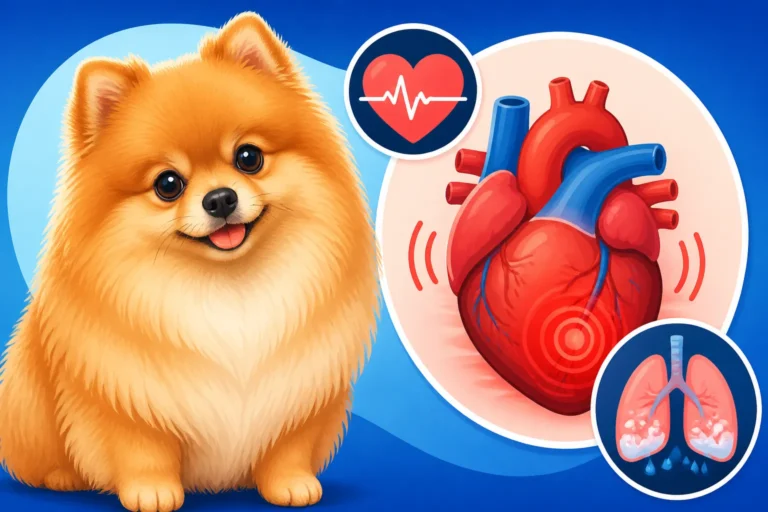
As our beloved Poms age, just like us, their hearts can start to experience wear and tear. Heart disease, particularly mitral valve disease (a leaking heart valve), is quite common in small breed dogs and can lead to a cough. When the heart isn't pumping efficiently, fluid can build up in the lungs (pulmonary edema), or an enlarged heart can press against the trachea or bronchi, causing irritation and a cough.
A cardiac cough is often described as a soft, wet cough, and it tends to be worse at night or when your Pomeranian is resting or lying down. You might also notice other symptoms like decreased stamina, reluctance to play, increased panting, or a distended belly. If your older Pomeranian develops a new cough, especially one that fits this description, it's imperative to have them checked by a veterinarian. They can perform diagnostic tests like X-rays, ultrasounds (echocardiograms), and blood work to determine if heart disease is the culprit. Early diagnosis and management can significantly improve your Pom's quality of life and potentially extend it. If you've been consistent with pet insurance, plans like those offered by Healthy Paws can be a tremendous help in covering the costs of these complex diagnostic tests and long-term medications that older Poms often need for cardiac conditions. Heart issues aren't just for older dogs either; some Pomeranian puppies can be born with congenital heart defects like a patent ductus arteriosus (PDA), which can also cause coughing. You can learn more about this in The Heart Defect Found in Pomeranian Puppies, and for issues specifically affecting older dogs, The Leaking Valve in an Older Pomeranian's Heart offers further insight.
Respiratory Infections Beyond Kennel Cough
While kennel cough is a common infectious cause of coughing, it's not the only respiratory infection your Pomeranian might encounter. Bacterial pneumonia, fungal infections, or even severe cases of canine influenza can also lead to a persistent, concerning cough. These conditions are typically more severe than a simple kennel cough and can rapidly worsen without appropriate treatment.
Symptoms of these more serious respiratory infections can include:
- Fever: Your Pom might feel warm to the touch, especially around their ears and belly.
- Lethargy: Significant decrease in energy and activity levels.
- Decreased appetite and weight loss: They might refuse food or eat very little.
- Productive cough: The cough might sound wet, and they could be expelling mucus or phlegm.
- Difficulty breathing: More labored breathing, wheezing, or shallow breaths.
- Nasal discharge: Runny nose that might be clear, cloudy, or discolored.
If your Pomeranian exhibits any combination of these symptoms, especially a persistent cough accompanied by fever or extreme lethargy, it’s a situation that requires prompt veterinary attention. These infections can quickly become life-threatening, and treatment often involves antibiotics, antifungals, or other supportive care, potentially including hospitalization. Recognizing the signs is critical. While tracheal collapse often appears around The Age a Pomeranian's Trachea Starts Collapsing, these infections can strike at any age.
Allergic Reactions and Irritants
Sometimes, a Pomeranian’s cough isn't due to a structural issue or an infection, but rather an environmental trigger. Just like humans, dogs can develop allergies, and respiratory irritation can manifest as a cough or sneeze. Common irritants include dust, pollen, certain cleaning products, air fresheners, perfumes, and especially cigarette or vape smoke.
If you notice your Pomeranian coughing predominantly in specific environments or after exposure to certain substances, it could be an allergic reaction or irritation. The cough might be dry and repetitive, often accompanied by sneezing or watery eyes. While usually not an emergency on its own, chronic irritation can lead to inflammation and make your Pom more susceptible to secondary infections. If you suspect an environmental irritant, try to identify and eliminate it from your home. Ensure good ventilation, use pet-safe cleaning products, and strictly avoid smoking indoors. If the cough persists despite removing potential triggers, or if your Pom shows signs of respiratory distress, a vet visit is warranted to rule out other causes and discuss allergy management. It's well-documented that Whether Smoke Affects a Pomeranian's Trachea is a serious concern, especially for breeds prone to respiratory issues.
Immediate Actions and When to Seek Emergency Care
When your Pomeranian starts coughing, it's natural to feel overwhelmed and unsure of what to do. Having a clear plan can help you react calmly and effectively.
First Steps at Home for a Coughing Pomeranian
The very first step when you hear your Pomeranian cough is to remain calm. Your anxiety can easily transfer to your dog, making them more stressed, which can actually worsen some coughs, especially those related to excitement or tracheal collapse.
- Observe Closely: Pay attention to the type of cough (dry, wet, honking, gagging), how frequently it occurs, and if it's accompanied by any other symptoms like sneezing, nasal discharge, lethargy, or changes in appetite. Note down when it started, what might have triggered it, and how long it lasts.
- Ensure Calm and Comfort: If it's a reverse sneeze, gently massage their throat or try to get them to swallow. Offer a small amount of water. If they seem generally uncomfortable, encourage them to rest in a quiet, low-stress area.
- Check Gum Color: Gently lift your Pom's lip and check their gums. They should be a healthy bubblegum pink. If they are pale, bluish, or purple, this is a sign of a serious oxygenation problem and requires immediate emergency care.
- Consider the Environment: Is there anything new in the air (cleaners, candles)? Have you recently opened windows during allergy season? Minimizing potential irritants can sometimes alleviate a mild cough.
For a non-emergency cough, like an occasional reverse sneeze or a mild, infrequent honk that doesn't seem to bother your Pom, monitoring at home for a day or two might be appropriate. However, if the cough is persistent, worsening, or if you simply feel uneasy, a call to your regular veterinarian is always the safest bet. They can advise you over the phone if an immediate visit is necessary. Sometimes, something as simple as a prescribed cough suppressant can make a world of difference for your Pom's comfort, as outlined in Cough Suppressants for a Pomeranian. Keep in mind that humidity can also play a role in breathing, so consider Whether a Pomeranian's Cough Worsens in Heat or very dry air.
When to Head Straight to the Emergency Vet
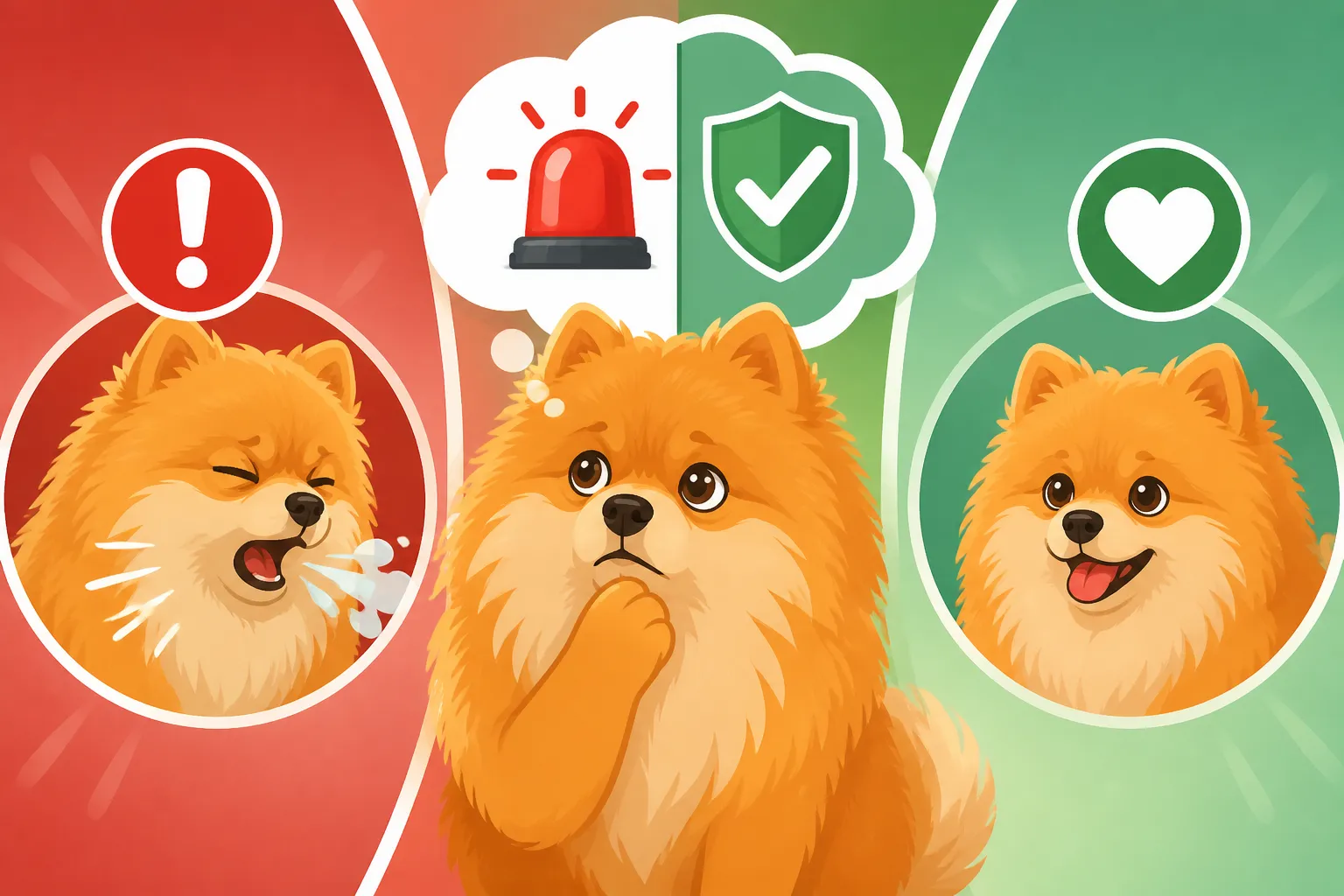
There are certain red flag symptoms that indicate your Pomeranian's cough is more than just a minor issue and has escalated into a medical emergency. In these situations, time is critical, and waiting can have severe consequences.
**Go to the emergency vet IMMEDIATELY if your Pomeranian: **
- Has blue or purple gums/tongue. This is the most urgent sign, indicating critical lack of oxygen.
- Is struggling severely to breathe. This might manifest as gasping, loud wheezing noises, open-mouthed breathing, or exaggerated chest and belly movements. They might also extend their neck and head forward to try and get more air.
- Collapses, passes out, or is unresponsive.
- Is having a prolonged, severe coughing fit that won't stop, and they cannot catch their breath or calm down.
- Is extremely lethargic, weak, and unable to move, especially if combined with breathing difficulties.
- Is visibly distressed, panicking, or seems disoriented.
Do not attempt to self-treat or wait for "normal" vet hours if you see any of these signs. Get your Pomeranian to an emergency animal hospital as quickly and safely as possible. Having a plan in place, knowing the location and phone number of the nearest 24/7 emergency vet clinic, can save precious minutes. Pet insurance can also be incredibly valuable in these unforeseen circumstances; a good policy, especially from providers like Healthy Paws, can help alleviate the financial stress of emergency diagnostics, treatments, and potential hospitalization, allowing you to focus on your Pom's recovery.
Here's a quick summary table to help you distinguish between different cough types and their urgency:
| Cough Type | Sound Description | Common Triggers / Associated Symptoms | Urgency | What to Do |
|---|---|---|---|---|
| Reverse Sneeze | Loud, snorting, gasping inhalations (honking) | Excitement, dust, rapid eating, irritation | Low (usually not an emergency) | Gently massage throat, calm your Pom, encourage swallowing. Observe for resolution. |
| Kennel Cough | Harsh, dry, hacking, goose-honk like (retching) | Exposure to other dogs, contagious | Low-Moderate (vet visit often needed) | Isolate from other dogs. Consult vet if persistent, severe, or accompanied by lethargy/fever. May require cough suppressants or antibiotics. |
| Tracheal Collapse | Dry, harsh, persistent goose-honk cough | Excitement, leash pulling, drinking, humidity | Moderate-High (can become emergency) | Consult vet for diagnosis/management (harness use, weight management, meds). Emergency if blue gums, severe breathing distress, collapse. |
| Cardiac Cough | Soft, wet, often worse at night/rest | Heart disease (common in older Poms) | High (requires vet diagnosis) | Consult vet immediately for diagnosis (X-rays, echo). Early treatment is key. |
| Serious Infection | Wet, productive, or persistent dry cough | Bacterial pneumonia, fungal infection, canine flu | High (requires vet diagnosis & treatment) | Consult vet immediately, especially if accompanied by fever, lethargy, decreased appetite, nasal discharge, or extreme difficulty breathing. |
| Allergic/Irritant | Dry, repetitive, sometimes with sneezing | Dust, smoke, pollen, chemicals | Low-Moderate | Identify and remove irritant. Consult vet if persistent or severe, to rule out other causes or manage allergies. |
Disclaimer
The information provided in this article is for general informational purposes only and is not a substitute for professional veterinary advice. Always seek the advice of your veterinarian or other qualified animal health provider with any questions you may have regarding a medical condition or treatment for your Pomeranian. Never disregard professional veterinary advice or delay in seeking it because of something you have read here.