The Sound a Pomeranian Makes When Its Trachea Collapses
That sudden, alarming sound coming from your tiny Pomeranian – a sharp, dry cough that often ends in a distinctive honk or even a gag – can be absolutely terrifying. It’s a sound that makes your heart pound because you know, instinctively, that something is wrong with their breathing. This guide is here to walk you through exactly what those sounds mean, why your Pom might be making them, and what steps you can take to understand and manage tracheal collapse.
Understanding the Pomeranian's Delicate Trachea
It’s easy to forget just how delicate our Pomeranians are, especially their tiny internal structures. Their size, while adorable, also predisposes them to certain health challenges, and one of the most common and distressing is tracheal collapse. This condition often starts subtly but can escalate into a serious concern for any Pom parent.
The Anatomy of a Tiny Windpipe
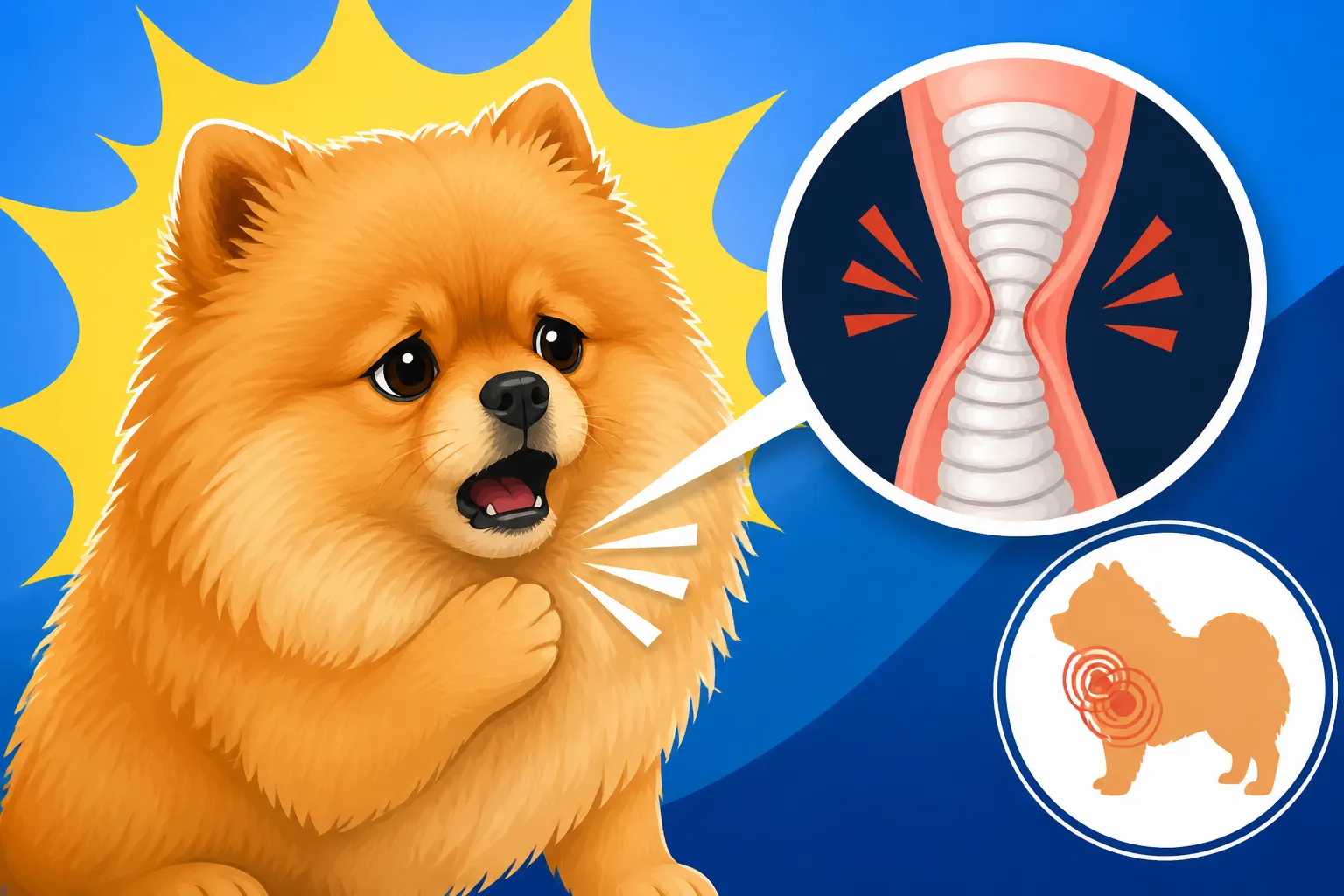
Imagine a vacuum cleaner hose, but instead of sturdy plastic, picture it made of delicate, C-shaped cartilage rings. That's essentially your Pomeranian's trachea, or windpipe. In a healthy dog, these rings are strong and rigid, keeping the airway open so air can flow freely to and from the lungs. They connect to each other with a dorsal membrane, creating a complete tube. However, in small breeds like Pomeranians, these cartilage rings can be inherently weaker or can degenerate over time, losing their stiffness.
When these rings soften or flatten, the trachea can narrow, especially during inhalation and exhalation. This narrowing creates resistance, making it harder for air to pass through. It's like trying to breathe through a pinched straw – you have to work much harder. The constant friction and pressure from breathing can further irritate the delicate lining of the airway, leading to inflammation and a vicious cycle of coughing and irritation. This anatomical predisposition is why conditions like The Honking Cough of a Pomeranian's Collapsing Windpipe are so common in our little fluffballs.
How Tracheal Collapse Develops in Poms
Tracheal collapse isn't usually something that happens overnight; it's a progressive condition that often develops gradually. While some Poms are born with weaker tracheal cartilage, for many, it becomes noticeable as they age, often around mid-life, though it can certainly appear earlier or later. The exact cause isn't fully understood, but genetics play a significant role. If a Pomeranian's parents or grandparents had collapsing trachea, there's a higher chance they will too.
Environmental factors and lifestyle choices also contribute. Chronic irritation from inhaled allergens or smoke, obesity, and even certain types of excitement can accelerate the degeneration of the tracheal rings. For instance, a Pomeranian who constantly pulls on their collar can put undue stress on their windpipe, gradually weakening it. It’s a disheartening reality that something as simple as excitement or a walk can trigger or worsen these symptoms.
The Distinctive Sounds of a Collapsing Trachea
When you hear your Pomeranian make a strange sound, your mind races. Is it a sneeze? Are they choking? With tracheal collapse, the sounds are often quite specific, once you learn to recognize them. These aren't just normal doggy noises; they are signals that their airway is in distress.
The Honking Cough: A Classic Sign
The most classic and tell-tale sound of a collapsing trachea is often described as a "goose honk" cough. It's a dry, harsh, loud cough that genuinely sounds like a goose honking. It's distinctively different from a wet, deep chest cough you might hear with pneumonia, or the softer, more muffled cough of a common cold. This honking sound occurs because the narrowed trachea vibrates as air tries to force its way through.
This cough isn't usually productive, meaning your Pom won't bring anything up. It's often triggered by excitement, exercise, drinking water, or even pulling on a leash. You might notice it most when they first wake up, after playing vigorously, or when they get incredibly excited to see you come home. It’s a sound that, once you’ve heard it, you’ll likely never forget, and it's a strong indicator that you should be seeking veterinary attention.
Wheezing, Gagging, and Respiratory Distress
Beyond the honking cough, a Pomeranian with tracheal collapse might exhibit other concerning respiratory sounds. You might hear wheezing, which is a high-pitched whistling sound, particularly during exhalation, as air struggles to escape through the narrowed passages. This indicates significant airflow obstruction and inflammation. Sometimes, the efforts to clear the airway can lead to gagging or retching, almost as if they are trying to vomit but nothing comes up. This happens because the forceful coughing spasms can irritate the throat and diaphragm.
In more severe cases, or during an acute episode, your Pomeranian might show signs of actual respiratory distress. This could manifest as rapid, shallow breathing, open-mouth breathing (which is unusual for a dog not actively panting from heat or exercise), blue-tinged gums or tongue (cyanosis), or even collapsing. These are emergency situations that require immediate veterinary intervention. Understanding Whether a Pomeranian's Cough Is an Emergency is crucial for their safety.
When the Cough Becomes Constant
While intermittent honking might be the first sign, a truly worrying development is when the cough becomes constant or nearly constant. This indicates that the tracheal collapse has progressed and your Pomeranian's airway is under chronic stress. A persistent cough can be debilitating, preventing them from resting comfortably, eating properly, or engaging in normal activities. It can also lead to secondary complications like chronic bronchitis or even heart strain from the constant effort to breathe.
If your Pom is coughing almost non-stop, it's a clear sign that their quality of life is severely impacted. At this point, even gentle movements or slight changes in temperature might trigger a coughing fit. It’s emotionally draining for you as an owner to watch them struggle like this, and it’s a strong signal that more aggressive medical management or even surgical options need to be discussed with your veterinarian. This persistent irritation can also lead to chronic inflammation in the airway, further exacerbating the problem.
Differentiating Tracheal Collapse from Other Respiratory Issues
It’s important not to jump to conclusions, even if the honking cough sounds exactly like what you’ve read about. Several other conditions can mimic the symptoms of tracheal collapse, and a proper diagnosis from your vet is essential to ensure your Pomeranian gets the correct treatment.
Kennel Cough vs. Tracheal Collapse
One of the most common conditions mistaken for tracheal collapse is kennel cough, also known as canine infectious tracheobronchitis. Kennel cough is a highly contagious respiratory infection, often caused by bacteria (like Bordetella bronchiseptica) or viruses. It presents with a harsh, dry, "honking" cough, very similar to that of a collapsing trachea. However, there are key differences.
Kennel cough often has an acute onset, meaning it appears relatively suddenly, especially after exposure to other dogs (like at a boarding facility, groomer, or dog park). Poms with kennel cough might also have sneezing, nasal discharge, and a mild fever. The cough is typically self-limiting, resolving within a few weeks with rest and sometimes medication. Tracheal collapse, on the other hand, is usually a chronic, progressive condition, not contagious, and tends to worsen over time without management. Your vet can perform tests to rule out infections, which is a vital step in determining Telling a Pomeranian's Trachea From Kennel Cough.
Heart Disease and Respiratory Sounds
It might seem counterintuitive, but heart conditions can also cause respiratory symptoms that resemble tracheal collapse. Congestive heart failure, particularly in older Pomeranians, can lead to fluid buildup in the lungs (pulmonary edema) or an enlarged heart pressing on the airways. This can result in a soft, wet cough, wheezing, shortness of breath, and reduced exercise tolerance. While different from the classic "goose honk," the general distress can be confusing.
Your veterinarian will often listen to your Pom's heart and lungs very carefully during an examination. If heart disease is suspected, they may recommend a chest X-ray to assess the size and shape of the heart and look for fluid in the lungs, or an echocardiogram to get a detailed view of heart function. Distinguishing between a cough caused by the heart and one caused by the trachea is paramount, as the treatments for each are vastly different. Some Pomeranian puppies can even have congenital heart defects like The Heart Murmur Heard on a Pomeranian Puppy, which could evolve into respiratory issues if left unaddressed.
Allergic Reactions and Asthmatic Episodes
Just like humans, Pomeranians can suffer from allergies and even asthmatic-like reactions that affect their breathing. Inhaled allergens like pollen, dust mites, or certain household chemicals can irritate the airways, leading to inflammation and bronchoconstriction (narrowing of the small airways in the lungs). This can cause coughing, wheezing, and labored breathing.
These episodes might be seasonal, related to specific exposures, or ongoing if the allergen is always present in their environment. Your vet might explore allergy testing or recommend a trial of antihistamines or corticosteroids to see if symptoms improve. While not as common as tracheal collapse, allergic airway disease can certainly cause similar distress, and ruling it out ensures your Pom receives the most targeted and effective care.
Factors That Worsen Tracheal Collapse Symptoms
While the underlying cause of tracheal collapse is often structural weakness, many external factors can significantly aggravate the condition, turning a mild cough into a serious respiratory crisis. Being aware of these triggers can help you manage your Pomeranian's comfort and health.
Excitement, Exercise, and Environmental Triggers
Imagine trying to breathe through a constricted tube while running a marathon – that's what intense excitement or vigorous exercise can feel like for a Pomeranian with a collapsing trachea. When Poms get overly excited, their breathing becomes rapid and shallow, putting immense pressure on their already compromised windpipe. The increased airflow speed and turbulence cause the weak tracheal rings to flatten even more, leading to intense coughing fits. This is why you might notice your Pom’s honking cough after a spirited play session, a frantic greeting at the door, or even during a car ride that makes them anxious. This is closely related to Whether Excitement Sets Off a Pomeranian's Cough.
Environmental factors also play a massive role. Exposure to cigarette smoke, fireplace smoke, strong perfumes, cleaning chemicals, or even very dusty environments can irritate the delicate lining of the trachea, triggering inflammation and coughing. Humidity can also be a factor; some Poms struggle more in dry air, while others find high humidity oppressive. Hot weather can also be extremely dangerous, as increased panting to cool down puts more strain on the airway. It's a cruel reality that even just being happy to see you can lead to a bout of coughing.
Weight Management and Its Impact
One of the most impactful, yet often overlooked, factors in managing tracheal collapse is your Pomeranian's weight. Obesity places additional pressure on the diaphragm, lungs, and surrounding tissues, making it harder for your Pom to breathe deeply and efficiently. This extra weight, even a pound or two on a small dog like a Pomeranian, means their respiratory system has to work harder to oxygenate their body, exacerbating the collapse of the trachea. The fat deposits around the neck and chest can also physically constrict the airway.
Helping an overweight Pomeranian reach a healthy weight can dramatically reduce the frequency and severity of coughing episodes. This isn't about starving them, but about a carefully managed diet and gentle, consistent exercise as tolerated. Your vet can help you determine an ideal weight and create a safe weight loss plan. It’s a commitment, but one that can significantly improve your Pom's quality of life and potentially extend it. For more insights on this, read about Whether Weight Gain Worsens a Pomeranian's Windpipe.
The Dangers of Collars and Harnesses
This might seem obvious, but it's a factor many new Pomeranian owners unfortunately learn the hard way: traditional neck collars are an absolute no-go for a Pom with a collapsing trachea, or even one suspected of having one. The pressure a collar exerts on the neck, especially if your Pom pulls, directly squeezes and damages the already weak tracheal rings. Even a quick tug can trigger a severe coughing fit or cause further damage over time.
Instead, a well-fitting harness that distributes pressure across their chest and shoulders, rather than their neck, is essential. Not all harnesses are created equal, so look for "no-pull" or "front-clip" harnesses, or those specifically designed for small breeds that avoid neck pressure. Brands like Puppia or Gooby offer good options for small dogs. Making this simple switch can prevent significant irritation and discomfort for your furry friend and is a critical step in protecting their fragile airway. Properly fitting a harness is important, as covered in Harnesses Fitted for a Pomeranian's Windpipe.
Immediate Steps to Take When Your Pom Struggles
Witnessing your Pomeranian in a coughing fit or struggling to breathe can be incredibly distressing. Knowing what to do in the moment can help ease their discomfort and potentially prevent a more severe crisis.
Calming Your Pomeranian During a Crisis
When your Pomeranian starts a severe coughing or gagging fit, the most important thing you can do is remain calm. Your anxiety can easily transfer to them, making their distress and breathing worse. Speak to them in a soothing, soft voice. Gently pick them up and hold them close, supporting their chest and keeping their head elevated slightly. Sometimes, gently stroking their throat can help to interrupt the spasm, but be very careful not to apply pressure.
Remove them from whatever excited them or the environmental trigger (like a noisy room or strong smell). Take them to a quiet, cool, and well-ventilated space. Offering a small amount of water from a shallow bowl can sometimes help moisten the throat and calm the cough, but ensure they drink slowly to avoid choking. The goal is to reduce their stress and allow their airway to relax as much as possible.
When to Seek Emergency Veterinary Care
While occasional honking coughs are often managed, certain signs warrant immediate emergency veterinary attention. If your Pomeranian's gums or tongue appear blue or purple (cyanotic), if they are struggling to inhale, gasping, collapsing, or if their coughing fit simply won't stop and they are clearly exhausted and unable to catch their breath, it’s an emergency. Don't wait. Time is critical when oxygen deprivation is involved.
Call your vet or the nearest emergency veterinary clinic on your way so they can be prepared for your arrival. These symptoms indicate a severe lack of oxygen and can quickly become life-threatening. Remember, even if they seem to recover slightly, a severe episode means their tracheal collapse is at a critical stage and needs urgent medical assessment. Having a plan, and knowing where your nearest emergency clinic is, is key. Pet insurance providers like Healthy Paws can be a lifesaver in these unexpected emergency situations, helping to cover the often significant costs of urgent care.
Supporting Your Pom's Breathing at Home
Once you’ve had a diagnosis and your vet has provided a treatment plan, there are several things you can do at home to support your Pomeranian’s breathing and minimize coughing episodes. First, ensure their environment is free from irritants like smoke, strong aerosols, and excessive dust. Investing in an air purifier can make a noticeable difference. During times of low humidity, a humidifier in their sleeping area might provide some relief.
Managing their weight, as discussed, is paramount. Strict adherence to diet and controlled exercise is vital. Consider elevating their food and water bowls to prevent neck strain while eating and drinking. Keep stress and excitement levels low, especially after meals. If your vet prescribes medications like cough suppressants or anti-inflammatories, administer them diligently. Always use a harness, never a collar, for walks. These consistent home care measures, combined with veterinary guidance, are crucial for a Pomeranian dealing with a collapsing trachea.
Long-Term Management and Prognosis
Living with a Pomeranian who has tracheal collapse requires ongoing commitment and a proactive approach. While there's no "cure" in many cases, effective management can significantly improve their quality of life and comfort.
Diagnostic Tools and Treatment Options
Diagnosing tracheal collapse usually involves a combination of your Pomeranian's clinical signs, a physical examination, and diagnostic imaging. Your vet will listen to their lungs and trachea, and may gently palpate their neck to elicit a cough. Chest X-rays are often the first step, as they can show narrowing of the trachea and rule out other conditions like heart enlargement. However, X-rays are static images and might not always capture the dynamic collapse.
For a definitive diagnosis and to grade the severity, a fluoroscopy (a moving X-ray) or endoscopy (inserting a tiny camera into the trachea) might be recommended. Once diagnosed, treatment options vary. Medical management often involves a combination of cough suppressants, bronchodilators to open airways, anti-inflammatory medications (like corticosteroids), and antibiotics if a secondary infection is present. In severe cases that don't respond to medical management, surgical intervention might be considered. This typically involves placing external tracheal rings or an internal stent to hold the airway open. While surgery can be highly effective, it also carries risks, especially for small dogs, so your vet will discuss whether Whether a Stent Fixes a Pomeranian's Windpipe is the right path for your specific Pom.
Lifestyle Adjustments for Tracheal Health
Beyond medical treatments, optimizing your Pomeranian's daily life is key to managing tracheal collapse. Consistency is your friend here. Establish a calm routine and try to minimize situations that cause extreme excitement or stress. This might mean greeting them quietly rather than with exuberance when you come home, or avoiding dog parks where play can get too rambunctious.
Dietary changes, as discussed, are often necessary. Switching to a high-quality, easily digestible food, and strictly portioning meals to maintain an ideal weight, is crucial. Small, frequent meals can also be easier to manage than one large meal that might cause discomfort. Consider providing a safe, comfortable sleeping environment where they can rest without interruption, perhaps with a dog bed that offers head support. Regular, short, gentle walks using a harness, rather than intense exercise, will help keep them active without overstressing their airway. Think about Whether a Pomeranian With Tracheal Collapse Can Walk Far before planning long outings.
The Role of Veterinary Specialists
For complex or severe cases of tracheal collapse, your primary veterinarian may recommend consulting with a veterinary specialist, such as a board-certified internal medicine specialist or a veterinary surgeon. These experts have advanced training and equipment to provide specialized diagnostics and treatments. For instance, a veterinary surgeon is the one who would perform a tracheal stent placement. An internal medicine specialist can offer a deeper understanding of the medical management, fine-tuning medication protocols, and exploring advanced diagnostics.
This collaborative approach ensures your Pomeranian benefits from the most current and effective strategies available. Don't hesitate to ask your regular vet for a referral if you feel your Pom's condition isn't improving or if you want to explore all possible avenues. While specialist care can be more expensive, resources like Healthy Paws can assist with the financial burden, allowing you to prioritize the best care for your beloved Pom.
| Symptom | Common Cause(s) | Key Characteristics | Management/Action |
|---|---|---|---|
| Honking Cough | Tracheal Collapse, Kennel Cough | Sounds like a goose honking; dry, harsh. Often triggered by excitement, exercise, drinking. | Use a harness, manage weight, avoid irritants. Vet diagnosis crucial to differentiate from kennel cough. |
| Wheezing | Tracheal Collapse, Asthma, Bronchitis | High-pitched whistling, especially during exhalation. Indicates narrowed airways. | Vet assessment to identify underlying cause. May require bronchodilators or anti-inflammatories. |
| Gagging/Retching | Tracheal Collapse (post-cough), Kennel Cough, Regurgitation, Vomiting | Forceful unproductive movements like trying to vomit; sometimes accompanies severe coughing. | Calm your Pom, observe if anything is produced. Consult vet if persistent or severe. |
| Rapid/Labored Breathing | Severe Tracheal Collapse, Heart Disease, Asthma, Allergic Reaction, Heatstroke | Fast, shallow breaths; open-mouth breathing (not panting). | Emergency! Seek immediate vet care. Keep calm, move to a cool, quiet place. |
| Blue Gums/Tongue | Severe Respiratory Distress, Lack of Oxygen | Mucous membranes (gums, tongue) appear bluish or purple. | Life-Threatening Emergency! Go to nearest emergency vet immediately. |
| Wet Cough | Heart Disease (fluid in lungs), Pneumonia, Bronchitis | Soft, deeper cough, often sounds like fluid is present. | Vet diagnosis with chest X-rays to assess heart and lung health. Medications for heart failure or infection. |
Disclaimer
The information provided in this article is for general educational purposes only and is not a substitute for professional veterinary advice. Always consult with a qualified veterinarian for any health concerns or before making any decisions related to your Pomeranian's health or treatment.