Eye Injuries in a Pomeranian From Rough Play
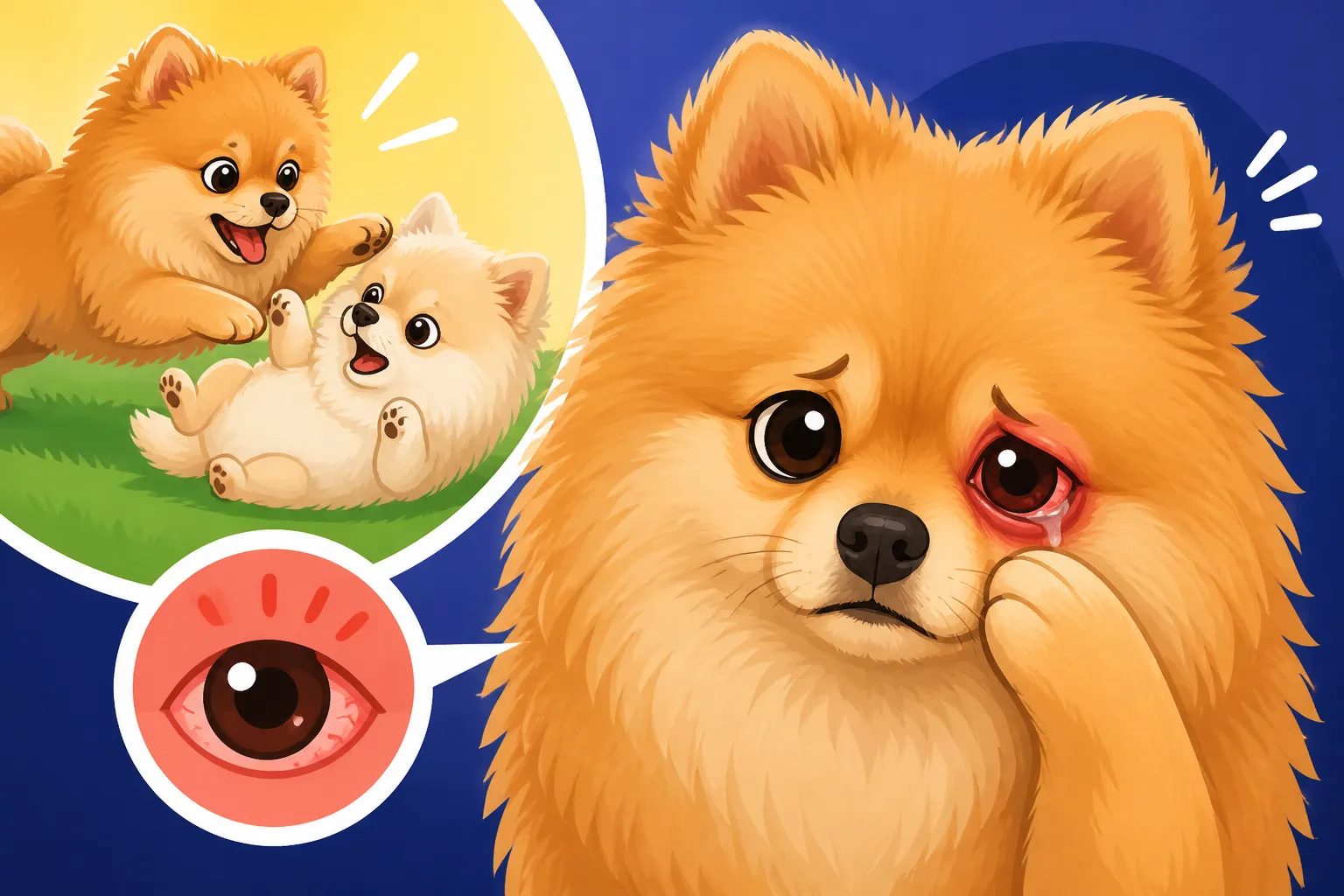
It’s a heart-stopping moment for any Pomeranian owner: you hear a yelp, or you notice your little fluffball suddenly rubbing at their face, and you realize something is wrong with their eye. Even the most innocent rough-and-tumble play can turn dangerous quickly for our pint-sized companions, leaving them with painful and potentially serious eye injuries. This guide will help you understand why your Pomeranian's eyes are so vulnerable, how to recognize common injuries, and what crucial steps you need to take to protect their precious sight.
Why a Pomeranian's Eyes Are Especially Vulnerable
Pomeranians, with their captivating, often prominent eyes, have a unique anatomical predisposition that unfortunately makes their eyes more susceptible to injury during playtime. It's not just about their small size; it's a combination of factors that put their ocular health at a higher risk compared to many other breeds. Understanding these aspects is the first step in being a vigilant and proactive owner.
Firstly, their eyes tend to be relatively large and often somewhat protuberant, meaning they don't sit as deeply or as protected within the eye socket as in some other breeds. Think of it like a car without a strong bumper – there’s less structural protection around the delicate organ. This can make them an easy target for accidental pokes or scrapes. A playful paw swipe from another dog, an errant toy, or even running too enthusiastically into furniture can have a more severe impact on a Pomeranian's exposed eye. Their adorable "teddy bear" or "fox" faces, while charming, often come with less bony orbital protection.
Secondly, Pomeranians are naturally low to the ground. This means their eyes are often at the perfect height to encounter hazards that might not bother a larger dog. Blades of grass, thorny bushes, uneven pavement, or even the tips of another dog's paws are all at eye level. Imagine walking through a field and having every little twig and leaf brush directly against your eyes – that’s essentially the world from a Pomeranian’s perspective. Their fearless and curious nature, which we all adore, can also lead them to investigate things a bit too closely, increasing the chance of direct contact with potential irritants or sharp objects. This low stature means that even household items like the corner of a coffee table or a child's toy left on the floor become potential hazards.
Common Types of Eye Injuries from Play
When you think of "rough play," you might imagine wrestling or chasing, but for a Pomeranian, even a seemingly gentle interaction can cause significant damage to their delicate eyes. The types of injuries range from superficial to deeply serious, and it’s important to know what you might be dealing with, even if you can’t see the exact cause.
Corneal abrasions are among the most common eye injuries. The cornea is the clear, protective outer layer of the eye, and it's surprisingly easy to scratch. A quick, accidental swipe from a playmate's paw, a sharp piece of a broken toy, a stray twig during outdoor romps, or even a piece of grit blown into the eye can cause a painful scratch. These abrasions, while sometimes looking minor on the surface, can quickly become infected if not treated promptly, leading to ulcers that can threaten vision or even require surgical intervention. It's a bit like getting a scratch on your own eye; it hurts far more than it looks, and you know immediately something is wrong.
Beyond surface scratches, foreign bodies embedded in the eye are another frequent issue. During energetic play, especially outdoors, grass seeds, dust, small pieces of debris, or even strands of another dog's fur can become lodged under the eyelid or directly on the eye surface. If not removed, these foreign bodies can continuously rub against the cornea, causing severe irritation, inflammation, and further damage. I’ve heard stories of tiny splinters from dog toys causing immense pain, or even a single eyelash from another dog leading to a corneal ulcer. It's a tricky situation because the object might be too small to see, yet the discomfort is immense.
More severe, and thankfully less common, are puncture wounds. These can happen if a sharp object, like a broken stick, a rogue claw from an excited playmate, or even a sharp edge of a chew toy, penetrates the eye globe. Puncture wounds are extremely serious and often lead to immediate vision impairment, bleeding within the eye, or even rupture of the eyeball. Blunt force trauma, though not a puncture, can also be devastating. This might occur if a Pomeranian runs into something hard, like the leg of a chair, or takes a direct hit from a larger dog's paw or head during boisterous play. Such impacts can lead to bruising, internal bleeding, lens dislocation, or even retinal detachment, all of which are medical emergencies. This is why environments like a Why a Dog Park Is Dangerous for a Pomeranian need careful consideration, as the risk of uncontrolled play with larger dogs is simply too high for these small, delicate breeds.
Recognizing the Signs of an Eye Injury
When it comes to eye injuries, time is often of the essence. Your Pomeranian can't tell you they're in pain, so it's up to you to be a keen observer. Any change in your dog's eye appearance or behavior related to their eyes warrants immediate attention. The sooner you recognize a problem, the better the chances for a full recovery and preserving their precious sight.
One of the most immediate and obvious signs is squinting or holding the eye shut. If your Pomeranian is suddenly reluctant to open an eye, or is squinting more than usual, it’s a strong indicator of pain or irritation. They might be trying to protect the injured eye from light or further irritation. Along with this, you might notice excessive tearing. While some tearing is normal, a sudden increase, especially from just one eye, can signal that something is wrong. This overflow of tears might be the eye's natural attempt to flush out an irritant or object.
Another significant red flag is pawing at the eye or rubbing their face against furniture or the floor. While this might seem like a natural response to an itch, persistent pawing can actually worsen an injury by introducing bacteria or further damaging the delicate tissues. You might also observe redness or inflammation in the white part of the eye (the sclera) or around the eyelids. The eye might look bloodshot, swollen, or simply more irritated than the other eye. This inflammation can sometimes make the eye appear smaller, as the lids might swell partially shut.
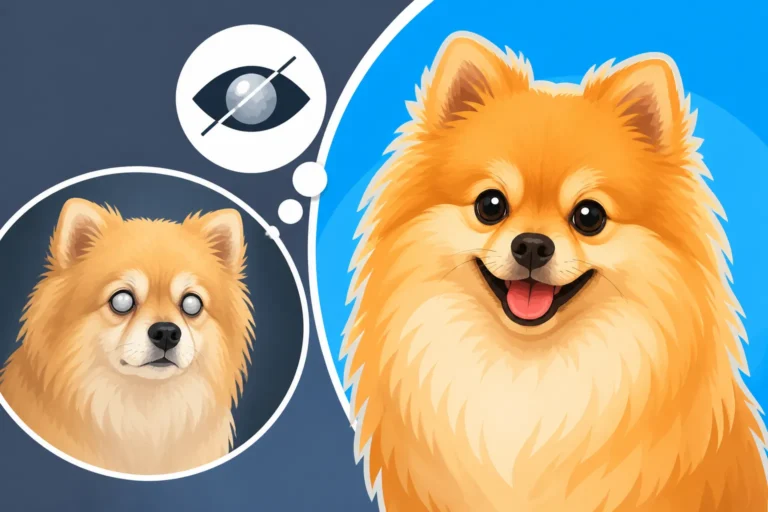
Changes in ocular discharge are also critical to note. While clear tearing is one thing, if you see thick, cloudy, yellow, or green discharge, it often indicates an infection has set in, which can happen very quickly after an abrasion. Similarly, a cloudy film or visible foreign object on the surface of the eye is an undeniable sign of injury. This cloudiness might be due to swelling of the cornea, or in more severe cases, it could indicate internal damage or an ulcer forming. If you can see something like a piece of grass or dirt stuck to the eye, it needs attention. Finally, an increased sensitivity to light (photophobia) can make your Pomeranian avoid bright areas, or they might blink excessively when exposed to light. Observing these signs, especially in combination, should prompt an immediate call to your veterinarian. Early intervention is key, as conditions like The Eye Problems a Pomeranian Carries can quickly escalate.
| Symptom | Possible Indication | Urgency Level |
|---|---|---|
| Squinting/Eye Held Shut | Pain, irritation, foreign body, abrasion, ulcer | Immediate |
| Excessive Tearing | Irritation, foreign body, abrasion, corneal scratch, allergic reaction | Immediate |
| Pawing/Rubbing Face | Discomfort, foreign body, itchiness, pain | Immediate |
| Redness/Inflammation | Infection, irritation, injury, allergy, conjunctivitis | Immediate |
| Abnormal Discharge | Infection (bacterial/viral), severe irritation, foreign body, allergy | Immediate |
| Cloudy Eye/Film | Corneal damage (abrasion, ulcer), glaucoma, internal injury | Emergency |
| Visible Foreign Body | Embedded object (grass seed, splinter), requiring removal | Emergency |
| Sensitivity to Light | Pain, inflammation, corneal damage, internal eye disease | Immediate |
Immediate Steps and Veterinary Care
Finding your beloved Pomeranian with an eye injury can be incredibly distressing, but knowing what to do – and what not to do – in those critical first moments can make a huge difference in their outcome. Your immediate goal is to prevent further damage and get professional help as quickly as possible.
First and foremost, do not attempt to treat the eye yourself with human eye drops, ointments, or by forcibly trying to remove an embedded object. Many human medications can be harmful to dogs, and any rough handling can turn a minor injury into a major one. Resist the urge to let your Pomeranian rub or paw at their eye, as this is a common way for them to exacerbate the problem. If you have an Elizabethan collar (e-collar or "cone of shame") readily available, put it on them immediately to prevent self-trauma. This is a crucial first aid step you can take.
If you can clearly see a very minor piece of dust or a single hair on the surface of the eye, and your Pomeranian is calm enough, you might try a very gentle flush with sterile saline solution (the kind used for contact lenses, not nasal saline). However, this should only be done if you are absolutely certain it's a superficial irritant and not a scratch, puncture, or deeply embedded object. When in doubt, don't touch it.
The most important step is to contact your veterinarian immediately. Eye injuries are almost always considered emergencies or urgent care situations. Describe what you're seeing and what happened, and they will advise you on the next steps, which will almost certainly involve bringing your Pomeranian in for an examination right away. Don't wait to see if it gets better; eye issues can deteriorate rapidly. Remember that their The Checkup Schedule a Pomeranian Should Keep is for routine care, but an eye injury demands an emergency visit.
Once at the vet, they will perform a thorough ophthalmic examination. This typically includes looking at the eye with an ophthalmoscope, checking pupil responses, and often applying a special fluorescein stain to the eye. This orange dye sticks to any areas where the corneal surface is damaged (like an abrasion or ulcer), making them glow bright green under a blue light. This allows your vet to accurately diagnose the extent of the damage. For foreign bodies, they might use specialized tools to carefully remove the object. If a deep puncture is suspected, or if the injury is severe, they might recommend further diagnostics like ultrasound of the eye, or even a referral to a veterinary ophthalmologist.
Treatment for eye injuries varies depending on the diagnosis. For corneal abrasions, the vet will likely prescribe topical antibiotic eye drops or ointment to prevent infection, and potentially pain medication. Some injuries might also require a re-epithelializing agent to help the cornea heal faster, or atropine drops to dilate the pupil and relieve spasm-induced pain. If the injury is more severe, such as a deep ulcer or a puncture wound, surgery may be necessary. This can involve anything from debridement (removing damaged tissue) to complex procedures to repair the eye globe. During any surgical procedure, especially for a delicate dog like a Pomeranian, your vet will discuss Whether a Pomeranian Needs Pre-Anesthetic Bloodwork to ensure they can safely undergo anesthesia, given that Anesthesia Risk in a Four Pound Pomeranian can be higher.
The financial aspect of emergency veterinary care for eye injuries can be daunting. Costs can quickly accumulate, especially if surgery or specialist consultation is needed. This is where investing in pet insurance, such as a policy from providers like Healthy Paws, can provide immense peace of mind. Many owners find that knowing they have coverage helps them make the best medical decisions for their pet without being solely driven by budget concerns. Policies from Healthy Paws often cover accidents and illnesses, which would include eye injuries sustained during play, helping to offset those unexpected bills that can be a significant burden. When considering The Eighteen Thousand Dollar Lifetime of a Pomeranian in expenses, robust pet insurance is a wise investment, and understanding What Pet Insurance Runs on a Pomeranian for your specific situation is key.
Preventing Eye Injuries During Play
While accidents can and do happen, there are many proactive steps you can take to minimize the risk of your Pomeranian sustaining an eye injury, especially during play. Prevention really is the best medicine when it comes to their delicate eyes.
Supervised Play is Paramount: Never leave your Pomeranian unsupervised during playtime, especially if they are playing with other dogs or children. Even gentle play can go awry in a split second. Keep an eye on how they are interacting, and intervene if play becomes too rough or boisterous. This includes understanding the risks of Introducing a Pomeranian to a Larger Dog, where a size mismatch significantly increases the chances of accidental injury. A larger dog's paw, nose, or tail can easily impact a Pomeranian's eye without any malicious intent.
Create a Safe Play Environment:
- Indoors: Keep floors clear of small, sharp objects. Ensure furniture corners are padded if your Pom is particularly prone to zooming around. Avoid toys with sharp edges or small pieces that can break off.
- Outdoors: Regularly check your yard for thorny bushes, sharp twigs, or uneven terrain where your Pomeranian might poke an eye. Keep grass trimmed short, especially if your Pom enjoys sniffing through it, as grass seeds are notorious for getting into eyes. When walking in unfamiliar areas or dog parks, be extra vigilant. Recall that for their safety, Why a Dog Park Is Dangerous for a Pomeranian is a serious consideration. The unpredictable nature of group play with unknown dogs can be a recipe for disaster for a small, fragile breed.
Manage Interactions with Other Dogs:
- Size Matters: Be cautious about allowing your Pomeranian to play with much larger dogs, even if both dogs are friendly. The size difference alone presents a high risk of accidental injury. A larger dog's casual head shake or paw movement could easily hit your Pom's eye.
- Temperament: Observe the play style of other dogs. Are they gentle and respectful, or are they overly boisterous and prone to swatting? Only allow your Pomeranian to interact with dogs whose play style is known to be safe.
- Protective Eyewear: While not always practical for everyday play, some owners of very active Poms, or those engaged in specific activities like hiking, opt for protective dog goggles (like Doggles) to shield their eyes from debris and potential impacts. This might sound extreme, but for a dog with recurrent issues or high-risk activities, it's a legitimate consideration.
Educate Family Members, Especially Children: If you have children in the home, it's vital that they understand how to interact gently and safely with your Pomeranian. Teach them to never grab at their face, poke their eyes, or engage in overly rough play that could lead to injury. Children need to be taught proper handling, as a Pomeranian in a House With Small Children faces unique challenges due to their fragility. This is particularly true for very young children who may not yet understand gentle touch. Reinforce that Poms are small and delicate, and their eyes are particularly vulnerable. Also, be mindful of general health issues. For example, some Poms, particularly those resulting from What Teacup Breeding Costs a Pomeranian, might be even more fragile overall, magnifying the need for careful handling and supervision.
Disclaimer
The information provided in this article is for general informational purposes only and is not intended as a substitute for professional veterinary advice, diagnosis, or treatment. Always seek the advice of your veterinarian or other qualified animal health provider with any questions you may have regarding a medical condition or treatment for your pet.