Why a Dog Park Is Dangerous for a Pomeranian
It's completely understandable to want your beloved Pomeranian to have a wonderful, enriching life filled with social interaction and boundless joy. We see images everywhere of dogs frolicking happily in wide-open spaces, and the idea of a dog park often springs to mind as the perfect solution. However, for those of us with tiny, fragile Poms, the reality of a dog park can be a terrifying and heartbreaking prospect. This guide aims to shed light on the very real dangers that dog parks pose to Pomeranians, helping you understand why these seemingly fun environments are often far too risky for our delicate companions, and what safer alternatives exist.
The Alarming Size Mismatch and the Risk of Injury
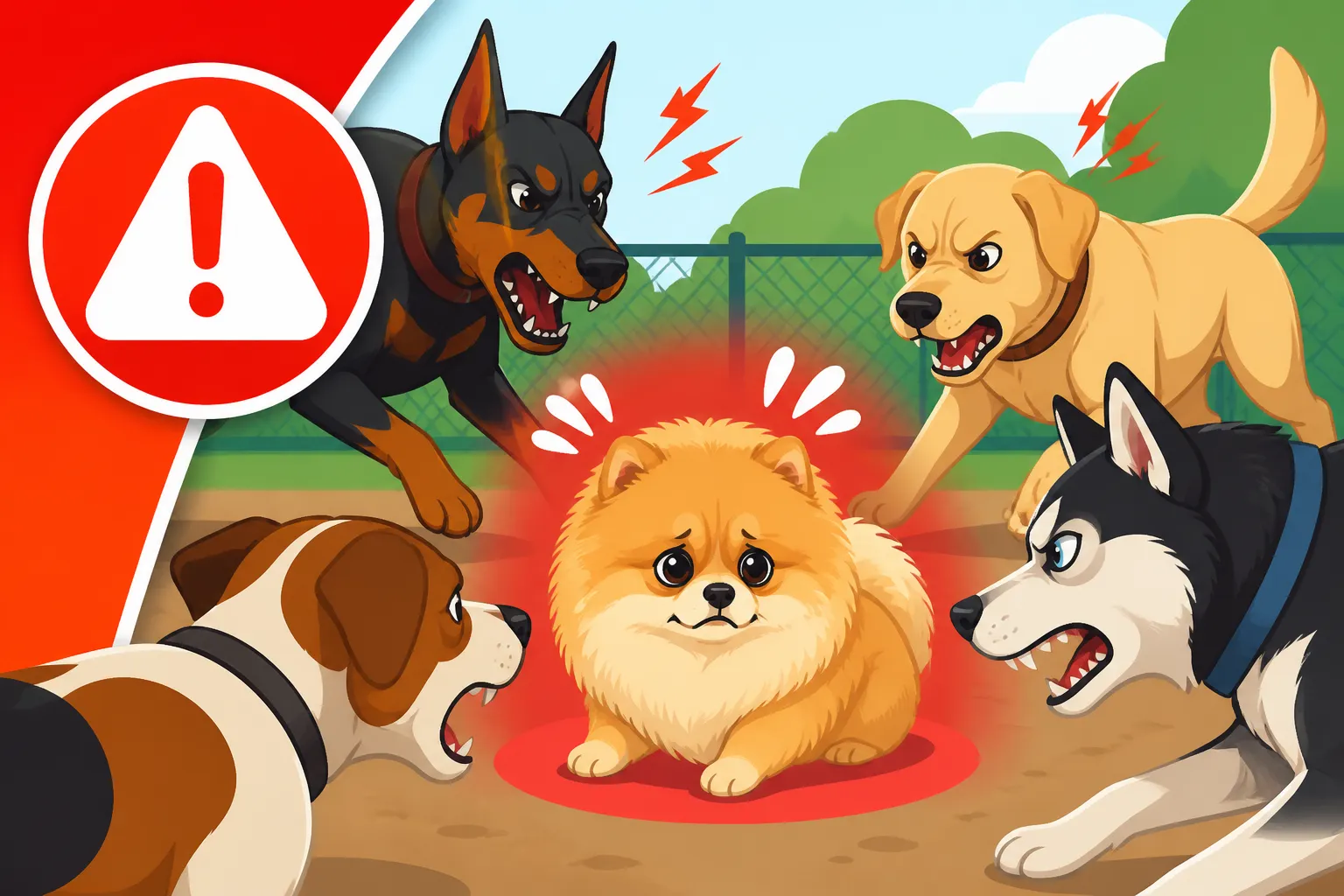
One of the most immediate and glaring dangers for a Pomeranian in a typical dog park is the sheer size disparity. Imagine a kindergarten child trying to navigate a playground teeming with enthusiastic professional football players. It’s not just a matter of differing play styles; it’s a fundamental difference in physical resilience and safety.
Accidental Trampling and Collisions
It's a horrifying thought, but accidental injury is a genuine concern. A large, boisterous Labrador or a playful Golden Retriever might weigh 60, 80, or even 100 pounds. When these dogs are running at full speed, chasing a ball, or engaging in rough-and-tumble play, their awareness of a tiny 5-pound Pomeranian can be fleeting or non-existent. A quick pivot, an excited jump, or a sudden change in direction can easily result in a Pom being knocked over, stepped on, or even trampled. These aren't malicious acts, but physics dictates that a small, delicate creature simply cannot withstand the impact of a much larger, heavier animal.
We've heard countless stories from owners whose small dogs ended up with broken bones, internal injuries, or concussions from these kinds of accidents. It’s not just about the pain in the moment; these injuries can lead to extensive veterinary bills and long-term health issues for your little one. Given that Pomeranians are already prone to issues like Slipping Kneecaps in a Five Pound Pomeranian and even delicate windpipes that can suffer from trauma, any impact can have severe consequences, sometimes leading to complex surgeries or ongoing medication.
Intentional Aggression from Larger Dogs
While many larger dogs are gentle giants, it's naive to assume all dogs at a public park are well-socialized or have appropriate temperaments. Dog parks are often unsupervised and lack screening processes, meaning you could encounter dogs with unknown histories, poor impulse control, or even latent aggression. A large dog, perhaps feeling threatened by a high-pitched bark or simply reacting poorly to a small dog's darting movements, might lash out. Even a "play bite" from a large breed can cause devastating damage to a tiny Pomeranian, whose bones are far more fragile than their larger counterparts.
Furthermore, some larger dogs have a strong prey drive that can be triggered by a small, fast-moving creature like a Pomeranian. While it’s hard for us to imagine our fluffy companions as "prey," their size and quick movements can sometimes illicit this instinct in less-trained or poorly socialized dogs. The consequences can be catastrophic, turning what should be a fun outing into a terrifying emergency that leaves you with immense guilt and a deeply traumatized, or worse, gravely injured pet.
Behavioral Clashes and Emotional Stress
Beyond physical dangers, dog parks present a significant risk to your Pomeranian's emotional well-being and can actually foster negative behaviors rather than positive socialization. The chaotic environment, coupled with mismatched play styles, can be incredibly overwhelming for a tiny dog.
Overwhelm and Fear Responses
Imagine being constantly surrounded by giants. That's often what a dog park feels like to a Pomeranian. The sheer volume of noise, the rapid movement, and the unpredictable interactions can be incredibly stressful for a small dog. Many Poms, when overwhelmed, will resort to defensive behaviors like excessive barking, nipping, or trying to hide. These reactions, while understandable, can then trigger negative responses from other dogs who might perceive them as challenging or irritating. This isn't true socialization; it's forced cohabitation in a high-stress environment.
A traumatizing experience at a dog park can have lasting effects, leading to generalized anxiety, fear of other dogs (even small ones), or even aggression born out of insecurity. Your goal is to build a confident, happy companion, not one constantly on edge. It's important to remember that true socialization is about positive, controlled interactions, not simply being exposed to many dogs at once, especially when those dogs vary wildly in size and temperament.
Resource Guarding and Bullying Dynamics
Dog parks are often ripe environments for resource guarding. Whether it's a favorite toy brought by another owner, a water bowl, or even just a favored spot in the shade, some dogs will defend these resources fiercely. A Pomeranian is simply no match for a larger, more dominant dog in such a confrontation. Our little Poms can easily become targets for bullying, being chased away from resources or simply intimidated by pushier dogs. This isn't healthy socialization; it teaches your Pom that other dogs are threats, that they must always be on guard, and that they cannot trust their environment.
We want our dogs to feel safe and secure, and a dog park often denies this basic need for Pomeranians. Observing these dynamics can be truly heartbreaking for an owner who just wants their dog to make friends. Instead, you might witness your dog being cornered, harassed, or constantly having to flee from larger playmates, eroding their confidence and making them wary of all future canine interactions. This kind of negative experience can even affect their interactions at home or when meeting new dogs on walks, leading to further behavioral challenges down the road.
Health Hazards and Disease Transmission
Beyond the physical and behavioral risks from other dogs, dog parks are also notorious breeding grounds for various health issues. The communal nature of these spaces, combined with varying levels of hygiene and vaccination status among visiting dogs, creates a perfect storm for disease transmission and injury.
Canine Cough, Parasites, and Other Illnesses
Dog parks are essentially shared public bathrooms for dogs, and unfortunately, many owners don't pick up after their pets diligently. This means exposure to parasites like giardia, coccidia, and various worms is incredibly high. Even more prevalent is the risk of airborne illnesses such as canine cough (kennel cough), canine influenza, and parvovirus, particularly if a dog is still a puppy and not fully vaccinated, or if an adult dog has a compromised immune system. These illnesses can be costly to treat, highly contagious, and debilitating, especially for a small breed like a Pomeranian. A severe case of canine cough can be particularly concerning for a Pomeranian, given their predisposition to conditions like The Honking Cough of a Pomeranian's Collapsing Windpipe, where respiratory distress can quickly escalate into a serious emergency.
Imagine bringing your perfectly healthy Pom home from the park, only to have them develop a nasty cough a few days later, requiring a vet visit, antibiotics, and isolating them from other animals. It's a common story. For a small Pomeranian, even a mild illness can take a greater toll on their tiny bodies, requiring more intensive care and a longer recovery period. Some conditions picked up at dog parks, like skin infections from contaminated surfaces, might also exacerbate existing sensitivities if your Pomeranian is Prone to Skin Allergies.
Paw Injuries and Exposure to Toxins
The ground in dog parks can be another source of trouble. Whether it's cracked asphalt, rough gravel, or simply unmaintained grass, sharp objects like broken glass, discarded trash, or even sharp stones can easily cause cuts, punctures, or abrasions to a Pomeranian's delicate paw pads. Unlike larger dogs with thicker pads, Poms are more susceptible to these kinds of injuries, which can be painful and prone to infection. Beyond physical objects, dog parks are sometimes treated with pesticides or herbicides, or owners might improperly dispose of things like cigarette butts or even human food that could be toxic to a small dog if ingested.
The small size of a Pomeranian means they are much closer to the ground, increasing their likelihood of sniffing, licking, or stepping on something dangerous. It's impossible to monitor every single square inch of a dog park for potential hazards. This constant vigilance detracts from any potential enjoyment for both you and your dog, as you're perpetually scanning for danger rather than relaxing into the experience. Consider the financial impact too; emergency vet visits for deep cuts or suspected poisoning can quickly add up, contributing to The Eighteen Thousand Dollar Lifetime of a Pomeranian.
Environmental Dangers and Poor Supervision
Many dog parks, despite good intentions, are simply not designed with the safety of tiny breeds like Pomeranians in mind. This, coupled with a general lack of consistent supervision, creates an environment where preventable accidents are common.
Inadequate Fencing and Escape Routes
Often, dog park fences are built to contain larger, more energetic dogs, but they might not be secure enough for a pint-sized escape artist like a Pomeranian. A determined or frightened Pom can squeeze through surprisingly small gaps, dig under fences, or even find weaknesses in gates. The thought of your tiny companion slipping out into a busy street or getting lost in an unfamiliar area is enough to make any owner anxious. Once outside the perceived safety of the park, a small dog faces dangers from traffic, other animals, or even unscrupulous individuals.
Moreover, if there are separate areas for small and large dogs, these are not always enforced, and sometimes the fencing between them isn't truly secure. We've seen situations where a large dog has managed to breach the small dog section, leading to panic and potential injury. Relying on "honor system" rules in a public space, especially when it concerns the safety of a vulnerable pet, is simply not a reliable strategy. For these reasons, many owners prefer to keep their Pomeranians in secure areas or use a reliable [Pomeranian Carrier] for transport to safer, controlled environments.
Lack of Responsible Owner Supervision
Perhaps one of the biggest dangers in any dog park is the unpredictable behavior of other dog owners. Many owners mean well but are distracted, unaware of dog body language, or simply not paying close enough attention to their own pet's interactions. We often see owners engrossed in their phones, chatting with friends, or simply letting their dogs run wild without intervention. This lack of active supervision means that aggressive encounters can escalate rapidly, injuries can go unnoticed, and potentially dangerous situations aren't defused before they become serious.
It’s an unspoken rule in dog parks that owners are responsible for their own dogs, but this rule is rarely enforced. When an accident happens, it can be incredibly difficult to get proper accountability or even veterinary contact information from a negligent owner. You are essentially trusting the unknown judgment and conscientiousness of dozens of strangers with your precious Pomeranian's safety. For this reason, many experienced Pomeranian owners opt out of dog parks entirely, choosing instead controlled environments where they can personally vouch for the temperament of other dogs and their owners.
| Risk Factor | Description | Impact on Pomeranian |
|---|---|---|
| Size Mismatch | Large dogs can accidentally or intentionally injure small Poms due to weight/strength differences. | Broken bones, internal injuries, concussions, severe trauma. |
| Behavioral Clashes | Overwhelming environment, bullying, resource guarding, leading to fear or defensive aggression. | Chronic anxiety, fear of other dogs, aggression born from insecurity. |
| Health Hazards | High exposure to parasites, viruses (kennel cough, parvo), and bacteria from shared spaces. | Costly vet bills, serious illness, longer recovery times, potential long-term health issues. |
| Environmental Dangers | Poorly maintained grounds, toxic substances, and inadequate fencing leading to injury or escape. | Paw cuts, chemical burns, ingestion of toxins, getting lost or hit by vehicles. |
| Poor Owner Supervision | Distracted or irresponsible owners failing to control their dogs or intervene in conflicts. | Escalation of conflicts, unnoticed injuries, difficulty getting accountability after incidents. |
Safer Alternatives for Pomeranian Socialization and Exercise
So, if dog parks are largely off-limits, what are the best ways to ensure your Pomeranian is well-socialized, happy, and gets the exercise they need? Thankfully, there are many fantastic and much safer options that cater specifically to the needs of small breeds.
Structured Playdates with Known, Vaccinated Dogs
Instead of the chaotic free-for-all of a dog park, arrange one-on-one or small group playdates with dogs you know personally. Choose dogs that are similar in size to your Pomeranian or larger dogs with proven gentle temperaments and whose vaccination records you can confirm. This allows for controlled interactions in a safe environment, like a securely fenced backyard, where you can closely supervise and intervene if necessary. It’s also crucial that all dogs involved are healthy and up-to-date on their vaccinations and parasite prevention.
This approach provides a much more positive and beneficial socialization experience for your Pom. They learn appropriate play cues from specific, trusted companions without the overwhelming stress of a crowded park. These interactions build genuine canine friendships and confidence, rather than fostering fear or defensiveness. You might even discover a regular playgroup of fellow small-dog owners, creating a wonderful community for both you and your furry friend.
Small Dog Only Play Groups or Daycares
Some communities offer dedicated "small dog only" playgroups, or certain dog daycares have separate, monitored areas specifically for tiny breeds. These can be excellent options, as they ensure your Pomeranian is only interacting with dogs of a similar size, significantly reducing the risk of accidental injury. The best daycares will also have trained staff who understand small dog behavior and can supervise interactions, stepping in before any issues arise. They will also typically require proof of vaccination, adding another layer of health protection.
Before enrolling your Pomeranian in such a group or daycare, make sure to visit the facility, observe the small dog area, and ask about their screening process for new dogs. Look for clean facilities, attentive staff, and a calm, positive atmosphere. A reputable facility will also likely have a clear policy on how they introduce new dogs and manage any conflicts. This provides a worry-free environment where your Pom can burn off energy and enjoy healthy social interaction. Whether a Pomeranian Is Safe at Daycare is a valid concern, so careful vetting is key.
Obedience Classes and Indoor Training
Obedience classes aren't just for training; they're also a fantastic way to socialize your Pomeranian in a highly controlled and positive setting. These classes typically group dogs by size or temperament, ensuring your Pom isn't overwhelmed. Under the guidance of a professional trainer, your Pomeranian will learn valuable commands and cues, building their confidence and strengthening your bond. The presence of other dogs in a structured learning environment teaches them to focus despite distractions and interact calmly. Brands like BAXTER & Bella offer excellent online puppy training programs that can also provide structured socialization advice and help you navigate early interactions with other dogs in a controlled manner, right from the comfort of your home.
Indoor training facilities also eliminate many of the environmental hazards of outdoor dog parks. Moreover, classes provide mental stimulation, which is just as important as physical exercise for an intelligent breed like the Pomeranian. It allows them to learn and engage their brains, preventing boredom and potential behavioral issues. After all, a well-trained and confident Pomeranian is a much happier Pomeranian! Consider enrolling your Pom in a class where you can work on skills like Building a Recall on a Pomeranian That Ignores You or simply How Long a Pomeranian Will Hold Focus in a group setting.
Secure Home and Yard Play
Sometimes, the best and safest place for your Pomeranian to run and play is right in your own securely fenced yard or inside your home. Engage your Pom in games of fetch with lightweight toys, hide-and-seek, or even setting up a small agility course. These activities provide excellent physical exercise and mental stimulation without any of the risks associated with public dog parks. You can also purchase a sturdy, portable playpen from retailers like Amazon to create a safe, contained play area both indoors and outdoors, especially for puppies or when you need a secure space.
Regular walks on a properly fitted harness (to protect their delicate windpipe, as discussed in Why a Collar Threatens a Pomeranian's Windpipe) are also crucial. Explore different neighborhoods, local parks (on-leash only), and even pet-friendly stores. These outings provide mental enrichment through new sights, sounds, and smells, offering plenty of "sniffaris" that are incredibly stimulating for dogs. These controlled adventures allow for gentle, observed interactions with people and other dogs from a safe distance, fostering positive associations without direct, uncontrolled contact. Remember, exercise and enrichment don't always have to involve a pack of other dogs; quality time with you is often what your Pomeranian cherishes most.
Disclaimer
This article is for general informational purposes only and does not constitute professional advice. Laws, prices and regulations vary by location and change over time. Consult a qualified professional for guidance on your specific situation.