Whether a Pomeranian Is Safe at Daycare
Leaving your precious Pomeranian at a dog daycare can fill any owner with a mix of hope and anxiety. You want your little fluffball to socialize and burn off energy, but the thought of their tiny size amidst a potentially boisterous crowd can be truly terrifying. This guide will help you navigate the world of doggy daycare, understanding the risks, knowing what to look for in a facility, and deciding if it’s truly the right fit for your delicate companion.
Understanding the Unique Vulnerabilities of Pomeranians in Daycare
Pomeranians, for all their spunky personalities, are small, delicate dogs. This isn't just a matter of appearance; their physical structure makes them inherently more vulnerable in environments with larger, heavier, or even overly enthusiastic dogs. It’s a reality that can make many Pom parents hesitant, and for good reason.
The Risks of Size Disparity and Accidental Injury
One of the most immediate concerns for any Pomeranian owner considering daycare is the sheer size difference between their dog and many other breeds. While most daycare facilities strive to create safe play environments, accidents can happen in a flash, even with the best intentions. A playful Labrador might accidentally step on a Pomeranian during a game of chase, or a happy-go-lucky Golden Retriever could bowl them over without malice. These aren't scenarios of aggression, but rather of physics – a small dog is simply no match for the weight and energy of a larger one.
Imagine your three-pound Pomeranian trying to navigate a room full of dogs ten or even twenty times its size. Even if every dog there is perfectly friendly, a sudden burst of energy, a change in direction, or a slip on the floor could lead to a serious injury. Their small bones are more susceptible to fractures, and soft tissue damage can occur from impacts that a larger dog would barely register. It's a constant, nagging worry that many of us face, knowing our tiny companions are so much more fragile. This is why many owners worry about A Five Pound Pomeranian Around Big Dogs.
Health Concerns Exacerbated by Stress or Rough Play
Beyond immediate physical trauma, Pomeranians have specific health predispositions that can be aggravated by a high-energy, potentially stressful daycare environment. One prominent concern is their delicate trachea. Many Pomeranians are prone to The Honking Cough of a Pomeranian's Collapsing Windpipe, and excessive barking, pulling on a collar (even if brief), or even just strenuous excitement can trigger or worsen this condition. A constant state of arousal or repeated excited vocalizations in a stimulating daycare setting could be detrimental to their respiratory health.
Another common issue is luxating patellas, or "slipping kneecaps." Slipping Kneecaps in a Five Pound Pomeranian can be a lifelong concern for Poms. Jumping off furniture, sudden twists, or unexpected impacts during play could cause the patella to slip, leading to pain and lameness. While exercise is good, uncontrolled or rough play could exacerbate an existing condition or even bring one on in a predisposed dog. It's a lot to consider when you want them to have fun, but not at the expense of their long-term health.
Evaluating Daycare Environments: What to Look For (and Avoid) for a Pomeranian
Given these vulnerabilities, choosing a daycare for your Pomeranian isn't a decision to take lightly. You need to become a detective, scrutinizing every aspect of the facility and asking probing questions. Don't feel shy about being thorough; you're entrusting them with your precious family member.
Dedicated Small Dog Play Areas and Strict Supervision
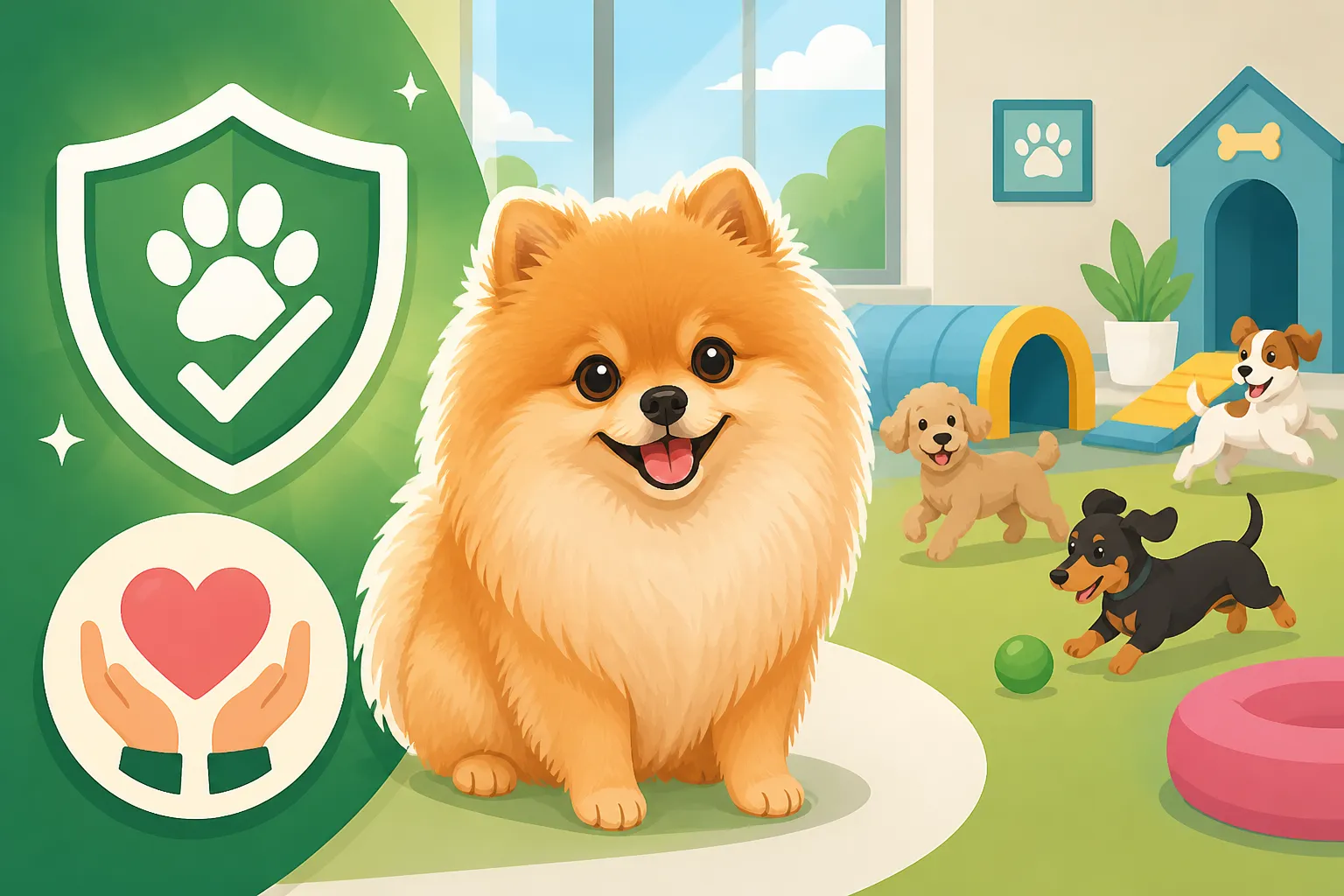
The absolute non-negotiable for a Pomeranian is a daycare that offers strictly separate play areas for small dogs. This isn't just about a corner roped off, but a truly isolated space where tiny breeds like Poms can play without any risk of interaction, accidental or otherwise, with larger dogs. This separation should apply to outdoor spaces as well. Look for facilities that clearly delineate weight or size classes, and inquire about how they enforce these divisions.
Beyond physical separation, the level of supervision is paramount. There should be a high staff-to-dog ratio, especially in the small dog play areas. Staff members should be actively engaged, not just observing from a distance. They should understand small dog body language, know how to intervene gently, and be trained in emergency protocols specific to tiny breeds, such as recognizing signs of hypoglycemia or respiratory distress. Ask about their training, their experience with toy breeds, and their philosophy on intervening in play. Whether a Pomeranian Needs a Small Dog Only Daycare is a question every owner should be asking.
| Feature | Ideal for Pomeranians | Red Flags |
|---|---|---|
| Play Area Separation | Dedicated, physically separated small dog areas | Large and small dogs sharing the same space, or only a flimsy barrier |
| Staff Supervision | High staff-to-dog ratio, active engagement, toy breed experience | Staff distracted, low ratio, inexperienced with small dogs |
| Flooring | Non-slip, soft surfaces (mats, rubber) | Hard concrete or slippery tile |
| Emergency Preparedness | On-site first aid, vet partnership, clear communication | Vague answers, no clear plan for emergencies |
| Play Style Monitoring | Gentle play encouraged, breaks for rest, minimal roughhousing | Free-for-all play, no intervention in boisterous activity |
| Environment Stimuli | Calm zones, quiet areas available | Constant high noise levels, no escape from stimulation |
Health and Safety Protocols: Emergency Plans and Sanitation
A reputable daycare will have robust health and safety protocols in place. For your Pomeranian, this means more than just a clean facility. Ask about their emergency plan: What happens if a dog gets injured? Do they have a designated emergency veterinary clinic? How quickly do they contact owners? Do they have staff certified in pet first aid and CPR? This is where having pet insurance, like a plan from Healthy Paws, can provide immense peace of mind, knowing that if the worst happens, you're financially prepared for potential veterinary bills.
Sanitation is also crucial to prevent the spread of illness. Inquire about their cleaning schedule, the products they use, and how often they disinfect play areas and equipment. Daycares can be hotbeds for kennel cough and other communicable diseases. While no place is entirely germ-free, a diligent cleaning regimen can significantly reduce risks. Also, ask about their vaccination requirements for all dogs attending. A responsible daycare will insist on up-to-date vaccinations for every single dog that walks through their doors, including kennel cough.
Preparing Your Pomeranian for Daycare (and Yourself!)
Even if you find a daycare that meets all your safety criteria, not every Pomeranian is suited for the group play environment. Their individual temperament and your preparation play a huge role in their success and safety.
Temperament Assessment and Gradual Introduction
Before even considering a full day, most good daycares will require a temperament assessment for your Pomeranian. This isn't just a formality; it's a critical step. During this assessment, staff will observe how your Pom interacts with other dogs, handles new environments, and responds to handler cues. Be honest about your dog's personality. Is your Pomeranian naturally social and confident with other dogs, especially smaller ones? Or are they more reserved, prone to anxiety, or even a bit snappy when overwhelmed?
For a tiny breed like a Pomeranian, a gradual introduction is often key. A few hours at first, building up to a full day, can help them acclimate without being overwhelmed. Pay close attention to your dog's behavior after their daycare visits. Are they happy and tired, or are they withdrawn, overly stressed, or showing signs of discomfort? Some Poms thrive on the social interaction, while others find the constant stimulation too much. Whether a Pomeranian Copes With a Long Work Day depends not just on being alone, but on how they spend their hours if not at home.
Packing Smart and Managing Expectations
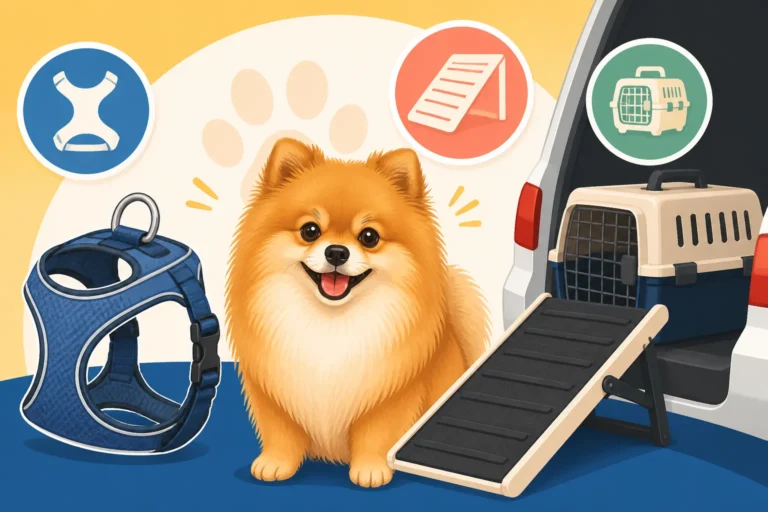
If your Pomeranian passes their assessment and you've chosen a stellar facility, you'll still need to prepare for their visits. Make sure your Pomeranian is wearing a well-fitting, comfortable harness (never a neck collar, especially with their delicate tracheas!) and has updated ID tags. If they require any specific medications or have dietary needs, communicate these clearly and provide exact instructions. Some daycares even have webcam access, which can offer immense peace of mind, allowing you to peek in on your little one throughout the day.
Consider packing a small, familiar item like a blanket or a favorite non-choking toy, especially if your Pom is prone to Signs a Pomeranian Has Separation Anxiety. If your Pomeranian has specific dietary needs, like those catered to by services such as Ollie, you might need to provide their exact meal portions, pre-portioned, to ensure consistency. Also, manage your own expectations. Daycare is a stimulating environment, and your Pomeranian might come home exhausted, sometimes even a little grumpy, from all the excitement. It’s a lot for a small dog, and a good post-daycare routine of quiet time and cuddles is essential.
Alternatives to Traditional Daycare for Your Pomeranian
If, after careful consideration, traditional group daycare doesn't feel right for your Pomeranian – or if your Pom simply isn't a good fit – there are plenty of wonderful alternatives that can provide the care, exercise, and companionship they need without the associated risks.
In-Home Pet Sitters and Dog Walkers
For many Pomeranian owners, an in-home pet sitter or a dedicated dog walker is a far more suitable option. A pet sitter comes to your home, offering one-on-one attention in a familiar, comfortable environment. This minimizes stress, maintains your dog's routine, and completely eliminates the risks associated with group play and larger dogs. They can provide walks, playtime, feeding, and even administer medications if needed. Finding a Sitter for a Pomeranian who is experienced with small, delicate breeds is key.
Similarly, a professional dog walker can break up a long day, providing a much-needed potty break and some outdoor exercise. For Pomeranians, who don't require extensive physical exertion, even a short, brisk walk can be enough to satisfy their exercise needs and provide mental stimulation through sniffing new scents. Many walkers specialize in small breeds or offer solo walks, ensuring your Pom gets undivided attention and isn't exposed to unwanted interactions with unknown dogs. You can find reputable sitters and walkers through local referrals, pet sitting agencies, or online platforms.
Solo Walks and Controlled Playdates
Sometimes, the best solution is a simpler one. If your work schedule allows for flexibility, or if you have a trusted friend or family member nearby, arranging for solo walks or controlled playdates can be ideal. A consistent solo walk with a trusted person, perhaps with a soft, protective harness like those available through retailers such as Chewy, can provide all the exercise and mental enrichment your Pomeranian needs without the unpredictable nature of a group setting.
If socialization is a primary goal, carefully curated playdates with known, calm, small dogs can be much safer. This allows you to control the environment, the play intensity, and the duration of interaction. You know the other dog's temperament, health status, and play style, dramatically reducing the risks compared to an unknown group. It's about quality over quantity when it comes to a Pomeranian's social life. You might also consider whether a second, equally small and calm dog, could provide the companionship your Pomeranian craves at home. Whether Two Pomeranians Are Twice the Work is a valid consideration.
Ultimately, whether a Pomeranian is safe at daycare depends on a multitude of factors, from the specific facility's practices to your dog's individual personality. By understanding the unique risks and seeking out the safest, most appropriate care, you can ensure your beloved little Pom gets the exercise, stimulation, and companionship they need, all while staying happy and healthy.
Disclaimer
This article is for general informational purposes only and does not constitute professional advice. Laws, prices and regulations vary by location and change over time. Consult a qualified professional for guidance on your specific situation.