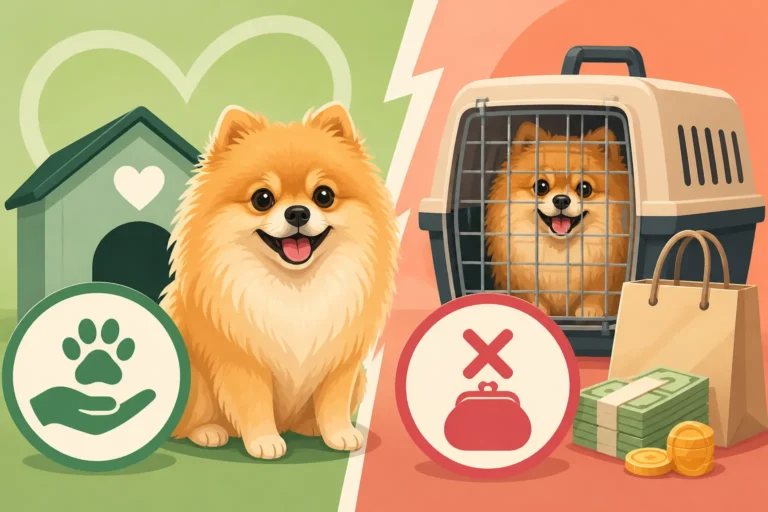
Finding a Sitter for a Pomeranian
Leaving your beloved Pomeranian, that fluffy, pint-sized bundle of joy, can feel like an impossible task. Their small stature and distinct personalities mean finding the right caretaker isn't just about convenience; it's about genuine peace of mind, knowing they'll be safe, loved, and properly cared for while you're away. Whether it's for a weekend getaway, a work trip, or an extended vacation, the thought of entrusting your delicate companion to someone else can bring a lot of anxiety. This comprehensive guide will walk you through everything you need to consider, from understanding your Pom's unique needs to vetting potential sitters and preparing your home for their arrival, ensuring a smooth and stress-free experience for both you and your precious furry family member.
Understanding the Unique Needs of a Pomeranian for Sitting
Pomeranians, while robust in personality, are not just any dog. They are a toy breed with specific physical and emotional needs that set them apart from larger, more resilient dogs. Recognizing these unique traits is the first step in finding a sitter who truly understands and respects the intricacies of caring for a Pom. It's not enough for someone to "like dogs"; they need to understand small dogs, and particularly a Pomeranian.
The Delicate Nature of a Small Breed
A Pomeranian's small size, typically between three and seven pounds, means they are physically more delicate than most other breeds. This isn't just about being cute; it means they are susceptible to injuries that a larger dog might easily shrug off. A fall from a sofa, an accidental step, or even rough play with a bigger dog can lead to serious consequences like fractures or internal injuries. You might already use Ramps for a Pomeranian That Jumps Off the Sofa at home, and a sitter would need to be equally vigilant about preventing such accidents.
Beyond their physical fragility, Pomeranians often come with specific health predispositions that a sitter must be aware of. Conditions like Slipping Kneecaps in a Five Pound Pomeranian or The Honking Cough of a Pomeranian's Collapsing Windpipe are common and require careful handling. A sitter needs to be educated on the signs of distress for these conditions and know how to respond appropriately, which includes gentle handling and avoiding neck leads in favor of a harness to protect their delicate trachea.
Furthermore, some Poms, especially puppies or very tiny adults, can be prone to Blood Sugar Crashes in a Pomeranian Puppy. This is a serious concern, and a sitter needs to know the warning signs – lethargy, disorientation, or even seizures – and exactly how to administer emergency glucose, like corn syrup on the gums, if needed. This level of attentiveness goes far beyond typical pet care and speaks to the specialized knowledge required for a Pomeranian.
Temperament and Behavioral Considerations
Pomeranians might be small, but they have big personalities! They are often intelligent, feisty, and fiercely loyal, but these traits can also manifest as stubbornness, excessive barking, or even territorial behavior if not managed correctly. A sitter should understand that a Pom isn't just a lap decoration; they are active, thinking dogs that require engagement and firm, consistent boundaries.
Pomeranians are known for their alert barking. It's not uncommon for a Pom to become The Doorbell and the Pomeranian Response for everything from the mail carrier to a leaf blowing past the window. A sitter needs to be prepared for this vocal nature and ideally, have strategies to manage it without resorting to harsh corrections that could frighten your dog. They should understand that ignoring the behavior or redirecting it might be more effective than scolding, which can just make a Pom bark more.
Additionally, many Pomeranians form strong bonds with their owners and can be prone to Signs a Pomeranian Has Separation Anxiety. While a sitter's presence can alleviate some of this, they should still be prepared for potential whining, pacing, or even destructive behaviors if your Pom gets overly stressed. The ideal sitter understands the importance of maintaining your Pom's routine, providing comfort, and engaging them in familiar activities to minimize anxiety, rather than just leaving them alone for The Hours a Pomeranian Tolerates an Empty House.
Types of Pomeranian Sitting Options
When it comes to finding care for your Pomeranian, you've got a few main paths to consider, each with its own set of advantages and disadvantages. What works best for one Pom might not be ideal for another, so it’s all about matching the care environment to your dog's specific needs and personality, and your own comfort level.
In-Home Pet Sitters
For many Pomeranian owners, an in-home pet sitter is the gold standard. This option means your Pom gets to stay in their familiar environment, surrounded by their own smells, toys, and routine. This continuity can significantly reduce stress and anxiety, especially for sensitive or older Poms. The sitter comes to your home, often staying overnight or visiting multiple times a day, to provide personalized care. This is a huge benefit for dogs with specific feeding schedules, medication needs, or those who simply thrive on stability.
An in-home sitter can also handle other small tasks, like watering plants or collecting mail, which is a nice bonus for you. More importantly, they provide one-on-one attention, which a Pomeranian often craves. They can ensure your Pom sticks to The Routine a Pomeranian Needs Every Day, from meal times to potty breaks to cuddle sessions. This personalized care minimizes exposure to other animals and potential illnesses, which is a big plus for a small dog with a potentially fragile immune system.
When looking for an in-home sitter, consider using reputable platforms that screen caregivers or asking for referrals from your vet or trusted friends. Always conduct an in-person interview, check references, and ask for proof of insurance and bonding. A good professional sitter will also have a backup plan in case they become ill or have an emergency, ensuring your Pom's care is uninterrupted. Make sure they are comfortable with your Pom's grooming needs, like a quick brush-out to prevent mats in The Double Coat That Makes a Pomeranian and Why It Stays On.
Boarding Facilities
Boarding kennels or dog hotels are another option, ranging from basic runs to luxurious "doggie resorts." While some Poms might adapt well, this can be a higher-stress environment for a small breed. The change of scenery, unfamiliar smells, and constant presence of other dogs (especially larger ones) can be overwhelming. It's crucial to thoroughly vet any boarding facility and consider whether your particular Pomeranian will thrive in a group setting, particularly if they are prone to being nervous around strangers or other dogs.
If you consider boarding, look for facilities that have separate, secure areas specifically for small dogs. This helps prevent accidental injuries that can occur when A Five Pound Pomeranian Around Big Dogs. Ask about their staff-to-dog ratio, exercise routines, and what happens during downtime. Do they offer individual play sessions? Do they have cameras so you can check in? You'll also want to inquire about their cleaning protocols and vaccination requirements to minimize the risk of illnesses like kennel cough.
A trial run, even for just a few hours, can be incredibly beneficial. This allows your Pomeranian to experience the environment while you're still nearby, giving you an idea of how they'll cope. It also gives the facility staff a chance to assess your Pom's personality and suitability for their program. Remember, facilities can vary wildly, so choose one that explicitly caters to the needs of tiny breeds, where the staff understands that a small dog isn't just a mini version of a big one.
Friends, Family, and Neighbors
Entrusting your Pomeranian to a trusted friend, family member, or neighbor can feel like the most natural and cost-effective option. These are people who already know and love your Pom, and your dog likely feels comfortable with them. This familiarity can be a huge comfort, reducing separation anxiety and ensuring a loving environment. They might even be willing to come to your home, providing that valuable in-home care without the professional fee.
However, even with the best intentions, it's important to be realistic about this option. While they may love your Pom, do they fully understand the specific needs we've discussed, like delicate handling, potential health issues, or managing behavioral quirks like incessant barking? They might not be prepared for the vigilance required to ensure a Pomeranian's safety from falls or encounters with larger animals. What might seem like a simple favor can quickly become overwhelming if they aren't fully equipped or educated.
To make this option work, treat it as seriously as hiring a professional. Provide detailed written instructions covering feeding, medication, emergency contacts (including your vet and your pet insurance provider, like Healthy Paws), and behavioral notes. Offer to pay them or provide a thoughtful gift as a thank you. Ensure they have a strong understanding of what to do in an emergency and are genuinely comfortable with the responsibility. Never assume they know everything just because they know your dog.
Key Questions to Ask Potential Pomeranian Sitters
Choosing the right sitter for your Pomeranian isn't a decision to be taken lightly. It requires asking pointed questions and thoroughly vetting anyone you consider. You’re not just looking for someone to fill a bowl; you’re looking for a temporary guardian for a member of your family.
Experience and Qualifications
One of the first things you need to ascertain is a sitter's experience, particularly with toy breeds like Pomeranians. Don't be afraid to dig deep. Ask them: "Have you cared for Pomeranians before, or other small, delicate breeds?" Someone who has primarily cared for Labradors might not instinctively understand the nuances of a Pom's care. Ask them to describe a typical day when they’re caring for a small dog. Their answers will reveal their depth of understanding.
Beyond general experience, inquire about any specific training or certifications they might hold. Are they certified in pet first aid and CPR? Do they know how to administer medication, especially if your Pom is on a specific regimen or needs things like eye drops for The Eye Problems a Pomeranian Carries? A sitter with professional training shows a commitment to providing high-quality care and the ability to handle unexpected situations calmly and effectively. They should be able to tell you how they'd recognize Recognizing a Hypoglycemic Pomeranian or know how to handle Anesthesia Risk in a Four Pound Pomeranian if a vet visit became necessary.
Finally, always ask for references – and follow up on them! Speak to other clients who have used their services, especially those with small dogs. Ask about their reliability, communication, and how they handled any unexpected situations. A professional sitter should have no problem providing multiple contacts, and a truly dedicated one will be eager for you to verify their excellent track record.
Understanding Pomeranian Specific Needs
A great sitter won't just tolerate your Pomeranian's quirks; they'll understand and embrace them. Your questions should gauge their knowledge of Pomeranian-specific behaviors and health concerns. For example, ask, "How do you handle a dog that barks a lot?" This will tell you if they have constructive strategies or if they'll simply get frustrated by Why a Pomeranian Barks at Everything That Moves. Discuss how they plan to manage walks, given your Pom's delicate windpipe, and confirm they use a harness instead of a collar for walks, and understand Why a Collar Threatens a Pomeranian's Windpipe.
You also need to discuss diet and feeding routines. Pomeranians are small and often have specific dietary needs, sometimes requiring specialized kibble or even fresh food plans. If your Pom eats a particular diet, perhaps from a brand like Ollie, confirm the sitter understands the preparation and storage. Ask about their approach to monitoring food intake and ensuring your Pom eats enough without overfeeding, remembering How Little Food an Adult Pomeranian Needs.
Discuss emergency protocols in detail. What is their plan if your Pomeranian becomes sick or injured? Do they have their own emergency vet, or will they take your Pom to yours? What is their policy on contacting you and seeking veterinary care? Make sure they are aware of any existing health conditions your Pom has, even if they seem minor, and have access to all necessary medical records and contact information for your regular veterinarian.
Logistics and Communication
Practical logistics are just as important as experience and knowledge. Clarify their availability and booking process. What are their rates, and what exactly do they include? Are there extra charges for administering medication, multiple visits, or specific tasks? Discuss cancellation policies and any contingencies they have in place if your travel plans change. Open and honest communication about finances upfront prevents misunderstandings later.
Beyond booking, establish clear expectations for communication while you're away. How often will they provide updates? Will they send text messages, photos, or videos? Knowing you'll receive regular updates can significantly ease your mind. A professional sitter will be proactive in communicating, letting you know how your Pom is doing without you having to constantly reach out.
Lastly, discuss access to your home. Will they need a key, a garage code, or are you providing a lockbox? Ensure you feel secure with their access method and that you trust them implicitly with your home's security. It's a good idea to have a trial visit or two before your actual trip, even if it’s just for an hour or two, to let your Pom get acquainted with the sitter and for the sitter to get familiar with your home and routine. You might consider placing an order through Chewy to have extra food or supplies delivered during their stay, ensuring they have everything they need.
Preparing Your Pomeranian and Home for a Sitter
Once you've chosen your Pomeranian's sitter, the next crucial step is thorough preparation. This isn't just about handing over a key; it's about setting both your Pom and your sitter up for success, ensuring a smooth transition and a stress-free experience for everyone involved.
Creating a Detailed Care Guide
A well-organized, comprehensive care guide is your sitter's bible while you're away. Don't assume anything is obvious; write down every detail, no matter how small it seems. Start with a clear schedule: feeding times, amounts, specific brands (like their usual kibble or an Ollie meal), and any treats allowed. Include potty break schedules and your preferred method (outdoor walks, pee pads). Note any medications, including dosage, frequency, and method of administration. If your Pom needs Daily Tooth Care in a Pomeranian's Crowded Mouth, include those instructions too.
Beyond the basics, delve into your Pomeranian's personality and quirks. Does your Pom have a favorite toy, a comfort blanket, or a special sleeping spot? Are they shy around strangers or overly excited by certain sounds? Mention their vocal habits, explaining Whether a Pomeranian Barks When Left Alone or at the sight of squirrels. Provide information on their exercise needs, including how long they can walk and any specific routes or areas to avoid. This guide should also clearly outline the protocol for The Routine a Pomeranian Needs Every Day, ensuring consistency.
Finally, ensure your care guide includes all emergency contact information: your cell number, your travel itinerary, your trusted emergency contact, your veterinarian's office number, and the address and phone number of the nearest 24-hour emergency vet clinic. If you have pet insurance, like Healthy Paws, include your policy number and how to contact them. Leave a signed letter authorizing veterinary care in your absence, which can expedite treatment if an emergency arises.
Home Preparation and Safety Checks
Before your sitter arrives, make sure your home is safe and welcoming for both your Pom and their temporary caregiver. Do a thorough dog-proofing check, especially from a Pomeranian's eye level. Remove any small objects that could be choked on, secure cabinets with cleaning supplies, and ensure toxic plants are out of reach. Remember, Poms can be curious little explorers, and their small size allows them into tight spaces.
Show your sitter where all necessary supplies are kept: food, treats, leashes (especially their recommended harness for Walking a Pomeranian on a Fragile Windpipe), brushes, potty pads, and cleaning supplies for accidents. If your Pom uses a crate or a specific pen, ensure it's easily accessible and set up correctly. Clear any clutter that might pose a tripping hazard or hide tempting chewable items.
Finally, ensure your sitter knows how to operate any essential household systems, like the thermostat, security alarm, or special lighting. Provide clear instructions on how to lock and unlock doors and windows securely. It’s always a good idea to leave a list of local emergency numbers beyond just the vet – fire department, police non-emergency, and a trusted neighbor's number – just in case something unforeseen happens.
Disclaimer
This article is for general informational purposes only and does not constitute professional advice. Laws, prices and regulations vary by location and change over time. Consult a qualified professional for guidance on your specific situation.