Daily Tooth Care in a Pomeranian’s Crowded Mouth
It's a frustrating truth for many Pomeranian parents: you adore their fluffy faces, their playful antics, and then they yawn, and a not-so-pleasant aroma wafts your way. You peer into that tiny mouth, and it can feel like a labyrinth of crowded teeth, often already sporting a yellowish-brown coating, even in young dogs. This isn't just about bad breath; it's a genuine health crisis waiting to happen. This guide will walk you through everything you need to know about daily dental care for your Pomeranian, from understanding their unique challenges to implementing effective routines that can save them from pain and costly procedures down the line.
Understanding Your Pomeranian's Unique Dental Challenges
Let's be honest, those adorable, petite mouths that make your Pomeranian so charming are also a significant source of dental woes. It's not just bad luck; it's a matter of anatomy and breed predisposition that sets Poms up for dental issues from a very young age. Understanding these underlying factors is the first step in truly protecting your beloved companion.
The Anatomy of a Tiny Mouth
Imagine trying to fit a full set of human teeth into the mouth of a toddler – that's essentially what's happening in your Pomeranian's small jaw. Poms, like many toy breeds, have jaws that are significantly scaled down, but their teeth themselves haven't shrunk proportionally. This means there's simply not enough space. Their teeth often sit very close together, or even overlap, creating tight crevices and little nooks and crannies where food particles, bacteria, and plaque can easily accumulate. These crowded conditions are a perfect breeding ground for dental disease because they're incredibly difficult to clean, both naturally by chewing and manually by brushing. It's like trying to sweep a cluttered room; you just can't get to all the hidden spots.
Compounding this issue is the fact that many small breeds, including Pomeranians, can have slightly misaligned bites due to their compact skull structure. While not always severe enough to require orthodontic intervention, even minor misalignments can further increase tooth crowding and create abnormal wear patterns. This anatomical reality means that even with the best intentions, your Pom is starting at a disadvantage when it comes to maintaining pristine oral health. It’s why what might be a minor concern in a larger breed becomes an accelerated problem in a tiny Pom.
Why Dental Disease Hits Poms Hard and Early
Because of that inherent crowding, Pomeranians are extremely prone to rapid plaque and tartar buildup, leading to gum disease – or periodontal disease – at an alarmingly young age. We're not talking about senior dogs here; it's not uncommon to see significant dental issues in Poms as young as two or three years old. Plaque is that sticky film of bacteria and food particles that forms constantly on teeth. Within a mere 24-48 hours, if not removed, plaque hardens into tartar, a calcified, rough deposit that cannot be brushed away. Once tartar forms, it acts like a magnet for more plaque, creating a vicious cycle.
This tartar then starts to irritate the gum line, leading to gingivitis – inflamed, red, and often bleeding gums. This is the first stage of periodontal disease, and it's reversible with professional cleaning. However, if left untreated, the inflammation progresses, spreading beneath the gum line. This causes the gums to pull away from the teeth, creating pockets where more bacteria thrive. Eventually, the bone supporting the teeth starts to erode. Once bone loss begins, the damage is irreversible. Teeth can become loose, painful, and eventually fall out or require extraction. The speed at which this process occurs in Pomeranians is often astounding, catching many owners off guard.
The Silent Suffering: Recognizing Early Warning Signs
One of the most heartbreaking aspects of dental disease in dogs is how stoic they can be. They can live with significant pain and discomfort without showing obvious signs until the condition is quite advanced. As a loving Pomeranian owner, it's crucial to be vigilant and know what subtle cues to look for, rather than waiting for dramatic symptoms. The most obvious, yet often normalized, sign is bad breath, or halitosis. Many owners shrug it off, thinking it's just "dog breath," but it's actually a strong indicator of bacterial overgrowth in the mouth. If your Pom's breath could knock a buzzard off a outhouse, it's time to investigate.
Beyond the smell, pay close attention to changes in eating habits. Is your Pom suddenly reluctant to chew on their favorite dental treat? Are they dropping kibble or chewing only on one side of their mouth? Perhaps they seem less enthusiastic about mealtime or take longer to eat. You might also notice pawing at their face, rubbing their muzzle on furniture, or excessive drooling. Sometimes, a change in disposition, like becoming more irritable or withdrawn, can also be a subtle sign of chronic pain. Regular, gentle checks of their mouth – even just lifting their lips to look at the gums and teeth – can reveal redness, swelling, or visible tartar accumulation. Don't wait until they stop eating entirely or have a swollen face; by then, the problem is severe and potentially much more difficult to treat.
Building a Solid Daily Brushing Routine
When it comes to fighting dental disease in your Pomeranian, nothing beats daily toothbrushing. I know, I know, it sounds like a chore, and maybe a little silly, but it truly is the gold standard for removing plaque before it hardens into tartar. The key is to make it a positive experience for both of you, integrating it seamlessly into your daily life.
Starting Early: Puppyhood is Key
Just like with house training or learning their name, the earlier you introduce toothbrushing to your Pomeranian puppy, the easier it will be to establish as a lifelong habit. Don't wait until they're older and already have ingrained habits (or worse, dental issues). Start with positive association. Begin by simply letting your puppy lick some dog-specific enzymatic toothpaste off your finger. Seriously, just a tiny bit. The taste is often appealing, and it helps them associate the toothpaste with a positive experience. Then, gradually introduce touching their muzzle and lifting their lips for a few seconds. Follow this immediately with praise and a high-value treat.
Once they're comfortable with that, introduce a finger brush. Gently rub it over their gums and one or two teeth for just a few seconds. The goal isn't a deep clean initially, but rather desensitization. Keep the sessions super short – literally 10-15 seconds – and always end on a good note with lots of praise and rewards. Consistency is more important than duration or intensity in the beginning. Over days and weeks, you can slowly increase the time and the number of teeth you manage to brush. This gentle, incremental approach helps prevent them from becoming fearful or resistant, making future brushing sessions much less of a struggle. Remember, you're building a foundation, not performing a dental surgery.
Choosing the Right Tools: Tiny Brushes for Tiny Teeth
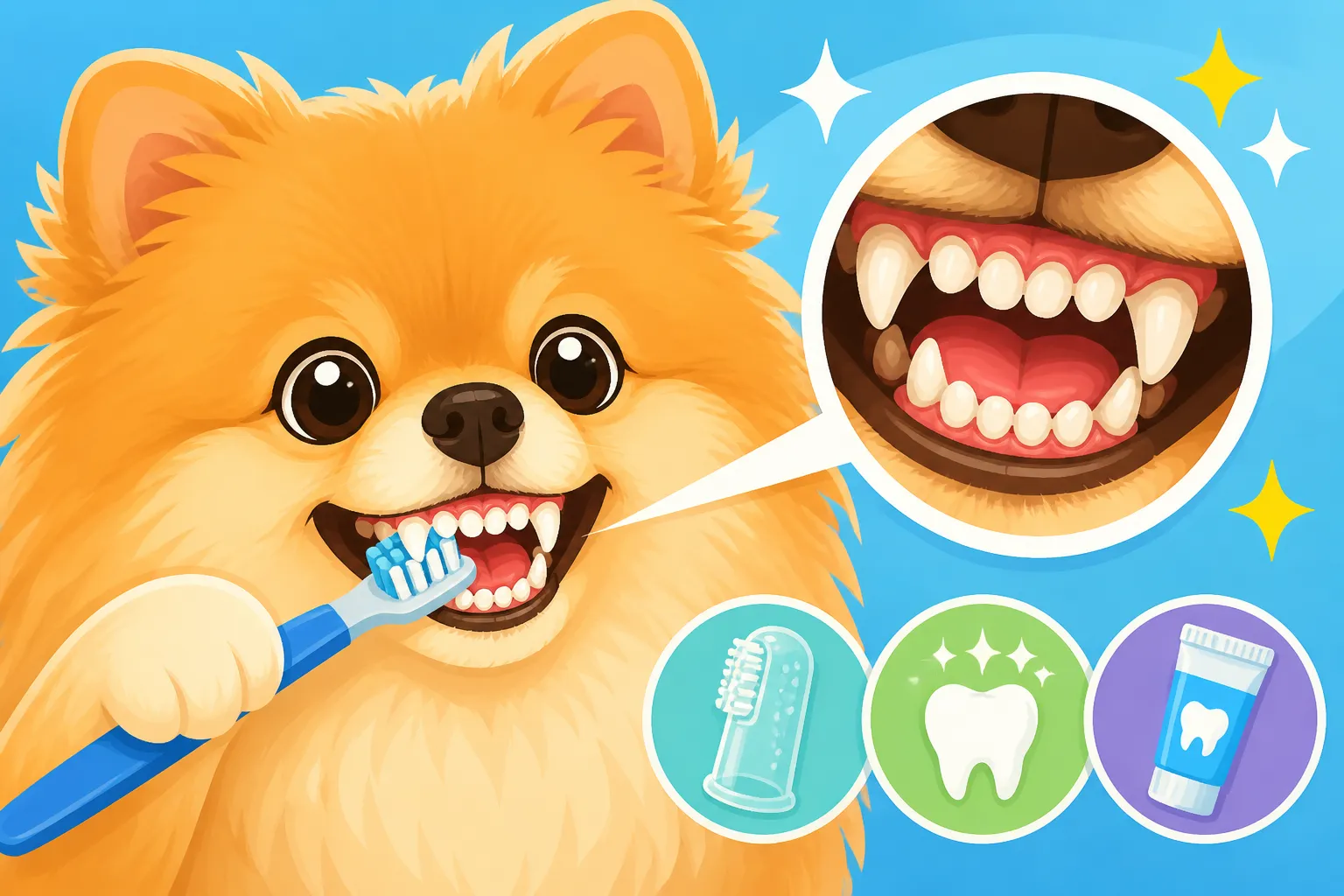
One of the biggest hurdles many owners face is finding the right tools for such a small mouth. A standard dog toothbrush is simply too large and unwieldy for a Pomeranian. You'll want to look for brushes specifically designed for toy breeds, or even human baby toothbrushes, which often have smaller heads and softer bristles. Finger brushes are an excellent starting point, especially for puppies or dogs new to brushing, as they allow you to feel your way around their mouth more easily and provide a gentle introduction to the sensation. Many owners find a double-headed toothbrush, with bristles angled to clean both sides of the tooth at once, to be very efficient once their Pom is accustomed to brushing.
Equally important is the toothpaste. Never use human toothpaste on your dog. Human toothpaste contains fluoride and other ingredients that are toxic if swallowed, and dogs don't spit! Always opt for a veterinary-approved enzymatic toothpaste. These toothpastes are formulated to be safe for ingestion and often come in flavors appealing to dogs, like poultry or beef. The enzymatic action helps break down plaque even with minimal brushing, providing an extra layer of protection. You can find a wide variety of these specialized brushes and enzymatic toothpastes at pet supply stores like Chewy or on online retailers like Amazon, making it easy to experiment and find what works best for your Pomeranian.
Step-by-Step Brushing: Making it a Positive Experience
Okay, you've got your tiny brush and your tasty enzymatic toothpaste. Now, let's get down to business. Find a quiet time when both you and your Pomeranian are relaxed. I like to sit on the floor with my Pom on my lap, facing away from me, which makes it easier to access their mouth without feeling confrontational. Start by lifting their lip gently to expose the outer surfaces of their teeth. Focus primarily on the outer surfaces, especially the canine teeth and the large molars in the back, as these tend to accumulate the most plaque.
Hold the brush at a 45-degree angle to the gum line, and use small, circular motions, just like you would brush your own teeth. Don't scrub vigorously; gentle, consistent pressure is all that's needed. Aim for about 30 seconds per side, working your way around the mouth. If your Pom is resistant to having the inside surfaces brushed, don't fret too much. Most of the plaque and tartar buildup occurs on the outside surfaces, facing the cheek. Always follow up with a cheerful "Good dog!" and a small, highly coveted treat or favorite toy immediately after the session. Remember, patience is key. If your Pomeranian is particularly squirmy, break the brushing into even shorter segments, perhaps just doing one side of the mouth at a time, twice a day, until they become more comfortable. The goal is positive association, not perfection.
Beyond the Brush: Other Daily Dental Care Strategies
While brushing is the gold standard, we know life happens. Maybe your Pom absolutely refuses to cooperate, or perhaps you're just looking for complementary ways to boost their oral hygiene. Thankfully, there are several other effective strategies you can incorporate into your daily routine to support your Pomeranian's dental health. These aren't replacements for brushing or professional cleanings, but they can definitely help slow down plaque and tartar accumulation.
Dental Chews and Toys: More Than Just Playthings
Dental chews and toys can be a fantastic addition to your Pomeranian's oral hygiene regimen, but it's crucial to choose the right ones. The best dental chews are those specifically formulated to reduce plaque and tartar, often featuring unique shapes, textures, or active ingredients that scrape the tooth surface or release plaque-fighting enzymes. Look for products that have been veterinary approved or carry the Veterinary Oral Health Council (VOHC) seal, which indicates they meet standards for plaque or tartar reduction. Brands like Greenies or dental-specific rawhide chews, when given appropriately, can be very beneficial.
However, there are some important considerations for Pomeranians. Their tiny jaws and delicate teeth mean you need to select chews that are sized appropriately and aren't too hard. Anything rock-hard, like real bones or antlers, can easily fracture a small Pom's tooth, leading to agonizing pain and expensive dental surgery. Always supervise your Pom with any chew to ensure they're chewing safely and not attempting to swallow large pieces. Dental toys, like those with nubs or ridges, can also offer some mechanical cleaning action through play, but they are generally less effective than dedicated dental chews. The key is finding something engaging that your Pom will actually chew on, providing that beneficial abrasive action against their teeth.
Water Additives and Oral Rinses: A Supporting Role
Water additives and oral rinses can serve as helpful supplementary tools in your Pomeranian's dental care, especially if brushing is a struggle, but it's important to understand their limitations. These products typically contain ingredients that help reduce bacteria in the mouth, neutralize bad breath, or even slow down plaque formation. Water additives are probably the easiest to use: you simply add a specified amount to your Pom's drinking water each day. The idea is that with every sip, they're getting a dose of active ingredients that work to improve their oral environment. They're usually flavorless and odorless, so most Poms won't even notice them.
Oral rinses, on the other hand, are applied directly to the gums or teeth, often with a gauze pad or a squirt bottle. These can provide a more concentrated dose of antiseptic or plaque-fighting agents. While both can contribute to fresher breath and a healthier mouth, they are not a substitute for mechanical cleaning (like brushing) or professional dental scaling. They work by tackling bacteria in the saliva and on the surface, but they don't have the physical action to dislodge existing plaque or remove tartar. Think of them as an extra line of defense, a helpful addition, but not the primary weapon in the fight against serious dental disease. Always choose veterinary-specific products and follow the instructions carefully.
Diet's Role: Kibble, Fresh Food, and Oral Health
The role of diet in Pomeranian dental health is often debated, and it's certainly more nuanced than simply "hard kibble cleans teeth." While certain kibbles are specifically designed as "dental diets" – often larger, uniquely shaped, and with a fibrous texture to encourage scrubbing action – not all hard kibble offers significant dental benefits. In fact, many standard kibbles shatter easily and leave starchy residues that can contribute to plaque. Truly effective dental kibbles usually carry a VOHC seal, indicating they've been proven to reduce plaque or tartar. These are often prescription diets and should be discussed with your veterinarian.
For those considering fresh food options, like those offered by companies like Ollie, the impact on dental health can be different. Fresh food often has a softer texture, which won't provide the mechanical abrasion that some dental kibbles do. However, a high-quality, balanced fresh food diet can support overall health, including gum health, by providing optimal nutrition. The key with any diet, whether kibble or fresh, is to prevent food particles from lingering on teeth. Regular brushing becomes even more paramount with softer foods to ensure daily removal of debris. Ultimately, no diet completely replaces the need for active dental care, but choosing a high-quality food and understanding its specific dental implications is an important part of a holistic approach to your Pom's well-being. Feeding a Dog That Weighs What a Pomeranian Weighs is a great resource if you're exploring food options.
The Vicious Cycle of Retained Puppy Teeth
For Pomeranian owners, the issue of retained puppy teeth isn't just a curious anomaly; it's a very common and serious dental problem that can kickstart a lifetime of oral health challenges. These tiny little teeth, which should naturally fall out to make way for the adult set, often stubbornly cling on, creating a problematic situation in your Pom's already crowded mouth.
When Baby Teeth Don't Budge: A Common Pomeranian Problem
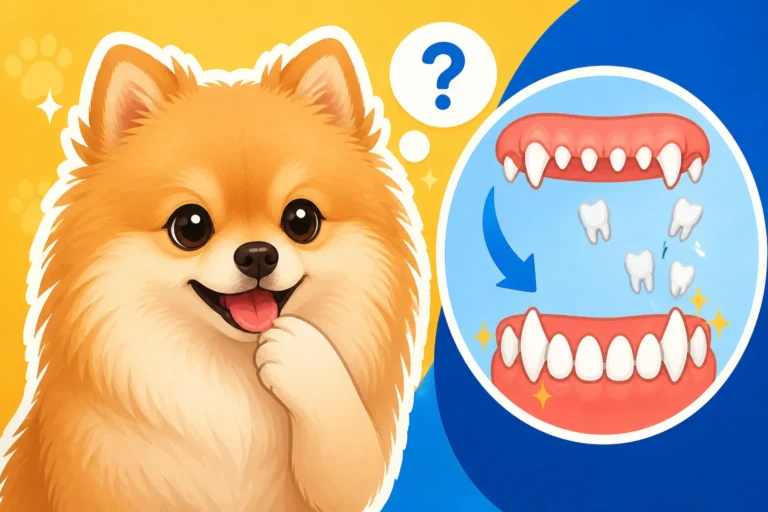
Normally, around 4-6 months of age, a puppy's baby (deciduous) teeth should start to loosen and fall out as the permanent adult teeth erupt beneath them, pushing them out. In Pomeranians, however, this natural process often goes awry. It's incredibly common for their baby canines, incisors, and sometimes even pre-molars to remain firmly in place even after the adult teeth have started to emerge. This happens because the root of the baby tooth fails to resorb (dissolve) as it should, meaning the adult tooth can't properly push it out. Instead, the adult tooth simply erupts alongside the retained baby tooth, creating a very cramped and abnormal dental landscape.
This issue is particularly prevalent in toy breeds due to their genetic predisposition and compact jaw structure. Breeders and veterinarians will often refer to it as "retained deciduous teeth," and if you're observing an adult canine tooth appearing next to a still-present baby canine in your young Pomeranian, don't ignore it. It’s not a harmless quirk; it’s a setup for future problems. Many owners might not even notice it, or they might think the tiny extra teeth are normal, but a quick look can usually reveal this double row of teeth. This is a primary reason why a thorough veterinary check-up for puppies at around six months, or when their adult teeth are expected to be in, is so critical for Pomeranians.
The Double Set of Trouble: Crowding and Accelerated Decay
The presence of retained puppy teeth alongside their permanent counterparts creates what veterinarians call a "double row" of teeth. This isn't just an aesthetic issue; it has severe functional and health consequences for your Pomeranian. Firstly, it dramatically worsens the already crowded conditions in their small mouth. Imagine cramming two cars into a single parking space – things are going to get tight and probably damaged. These extra teeth mean there's virtually no space between teeth for air to circulate or for saliva to naturally clean. Food particles and bacteria become trapped in these tight gaps, often wedged between the baby and adult tooth.
This severe crowding and trapping of debris leads to an accelerated rate of plaque and tartar buildup. The areas between the double teeth become hotbeds for bacterial growth, rapidly progressing to gingivitis and then to full-blown periodontal disease. Not only does it make effective home brushing nearly impossible, but it also means the adult tooth is constantly being irritated and bathed in bacteria, leading to premature decay and potential damage to the enamel and roots of the permanent teeth. Without intervention, these areas quickly become infected, leading to pain, gum recession, and early tooth loss for the adult teeth. It's a foundational issue that sets the stage for a lifetime of dental struggles.
When to Intervene: Consulting Your Vet About Extractions
Given the significant risks posed by retained puppy teeth, veterinary intervention is almost always necessary. These stubborn teeth will not simply fall out on their own once the adult tooth has erupted; if they haven't come out by the time the permanent tooth is in place, they need to be professionally extracted. The ideal time for these extractions is often when your Pomeranian is under anesthesia for their spay or neuter procedure, typically around 6-9 months of age. This allows the vet to address two procedures at once, minimizing the number of times your young Pom needs to go under anesthesia. Pulling a Pomeranian's Retained Canines can give you more information on this specific procedure.
During the extraction, the veterinarian will carefully remove the retained deciduous teeth, ensuring the entire root is extracted to prevent complications. This opens up the necessary space in the jaw, allowing the adult teeth to hopefully shift into a more natural position and creating a healthier oral environment that is much easier to clean. While it might seem daunting to have teeth extracted from a young puppy, the long-term benefits of preventing severe, early-onset periodontal disease far outweigh the risks. Regular dental check-ups, especially during puppyhood, are crucial for identifying and addressing retained teeth promptly, setting your Pomeranian up for the best possible dental health.
The Unavoidable Reality: Professional Dental Cleanings
Even with diligent daily brushing and the best at-home care, most Pomeranians will eventually require professional dental cleanings. It's not a sign of failure on your part; it's a testament to their breed's predisposition to dental issues and the fact that tartar, once formed, simply cannot be brushed away. These cleanings are a cornerstone of preventing serious, painful, and often systemic health problems.
Why Anesthesia Is Necessary (and Not as Scary as It Sounds)
This is often the biggest hurdle for Pomeranian owners: the thought of their tiny, beloved companion going under general anesthesia. It’s natural to feel worried; there are always risks associated with anesthesia, especially for small dogs. However, it's a critical component of a thorough dental cleaning, and there's a reason why veterinarians insist on it. Imagine trying to get your Pom to lie perfectly still, mouth open, while someone scrapes tartar from every tooth, probes beneath the gumline, and potentially takes X-rays. It's impossible. Anesthesia ensures your Pom is comfortable, pain-free, and immobile, allowing the veterinary team to perform a comprehensive and safe procedure.
Modern veterinary anesthesia protocols are incredibly advanced and significantly safer than they once were. Your vet will conduct a thorough pre-anesthetic workup, including blood tests to evaluate organ function and ensure your Pom is healthy enough for the procedure. They'll also perform a physical exam and may recommend an ECG or other diagnostics, especially for older or predisposed Pomeranians. During the procedure, your Pom will be closely monitored by trained staff, with specialized equipment tracking heart rate, blood pressure, oxygen levels, and temperature. While no procedure is 100% risk-free, the risks of untreated dental disease—which can lead to systemic infections affecting the heart, kidneys, and liver—often far outweigh the carefully managed risks of anesthesia. Anesthesia Risk in a Four Pound Pomeranian offers more insights into this concern.
What Happens During a Professional Dental
A professional dental cleaning for your Pomeranian is a much more involved procedure than a simple "scrape and polish" you might imagine. It's essentially a comprehensive oral health assessment and treatment. Once your Pom is safely under anesthesia, the veterinary team will begin. First, they'll perform a thorough oral exam, charting any missing teeth, fractured teeth, gum recession, or other abnormalities. Dental X-rays are a crucial part of this process; they allow the vet to see below the gumline, revealing hidden problems like bone loss, abscesses, or retained root fragments that aren't visible to the naked eye. This is particularly important for Poms, given their propensity for hidden issues.
Next, a special ultrasonic scaler is used to meticulously remove plaque and tartar from every tooth surface, both above and below the gumline. This is followed by hand scaling to ensure all deposits are removed from hard-to-reach areas. The teeth are then polished with a special paste to smooth the enamel, which helps deter future plaque accumulation. Finally, a fluoride treatment may be applied to strengthen the enamel. If any teeth are found to be diseased, fractured, or compromised (which is often the case in Poms with advanced dental disease), extractions will be performed. Post-operative pain management and antibiotics, if necessary, will be administered to ensure your Pom's comfort during recovery. It's a thorough procedure designed to restore and maintain optimal oral health.
Frequency and Timing: How Often Does Your Pom Need a Dental?
The ideal frequency for professional dental cleanings can vary significantly from one Pomeranian to another, depending on a variety of factors. Generally, many Poms benefit from a professional cleaning every one to three years. However, some individuals with severe crowding, a genetic predisposition to rapid tartar buildup, or those who are less tolerant of home brushing, might need them annually or even more frequently. Dogs that have already experienced significant periodontal disease, especially if teeth were extracted, may also require more frequent follow-ups to keep their mouths healthy.
Your veterinarian is the best person to advise on the optimal schedule for your specific Pom. During annual check-ups, they will assess your dog's oral health, noting the amount of plaque and tartar, the condition of the gums, and any signs of developing disease. They'll take into account your at-home care routine, your Pom's age, and their overall health. Consistency is key here; waiting too long between cleanings allows tartar to build up unchecked, accelerating the progression of periodontal disease and often leading to more extensive and costly procedures when a cleaning is finally done. Think of it as preventative maintenance that, while an investment, can save your beloved Pomeranian from pain and you from much larger veterinary bills down the road. How Many Dentals a Pomeranian Needs in a Lifetime explores this topic further.
Preventing and Managing Periodontal Disease
Periodontal disease is a silent, progressive condition that can wreak havoc on your Pomeranian's health. It starts subtly, but if left unchecked, it can lead to severe pain, tooth loss, and even impact their overall systemic health. Understanding its progression and committing to long-term management are crucial for any Pomeranian owner.
Plaque to Periodontitis: The Progression of Gum Disease
It all begins innocently enough with plaque, that sticky film of bacteria that forms on the teeth. If this plaque isn't removed daily through brushing or other mechanical means, it quickly calcifies into tartar. This tartar, with its rough surface, then provides a perfect anchor for even more bacteria and plaque to adhere. The constant presence of bacteria and their toxins at the gum line triggers inflammation, known as gingivitis. At this stage, you might notice red, swollen gums that bleed easily when touched. The good news is that gingivitis is reversible with professional cleaning and improved home care.
However, if gingivitis is ignored, the inflammation progresses. The bacteria begin to burrow beneath the gum line, where they are protected from brushing and oxygen. These anaerobic bacteria release toxins that destroy the soft tissues and bone supporting the teeth. The gums pull away from the tooth, forming "pockets" that become deeper and more infected. This is the irreversible stage of periodontal disease. As bone is lost, teeth become loose, painful, and may eventually fall out. Abscesses, or pus-filled infections, can form around the roots, and in severe cases, the jawbone itself can become so weakened that it fractures. The speed and severity of this progression are notoriously fast in small breeds like Pomeranians, making early intervention paramount.
The Systemic Impact: When Oral Health Affects Overall Health
It's a common misconception that dental disease is confined solely to the mouth. Unfortunately, the chronic bacterial infection and inflammation associated with periodontal disease can have far-reaching implications for your Pomeranian's entire body. Every time your Pom swallows, or even when bacteria are present in their mouth, those bacteria can enter the bloodstream. Once in the bloodstream, they can travel to vital organs, including the heart, kidneys, and liver, and establish secondary infections or exacerbate existing conditions. This connection is why veterinarians emphasize the importance of oral health for overall well-being.
For example, studies have shown a link between severe periodontal disease and an increased risk of heart valve infections or worsening pre-existing heart conditions. The kidneys and liver, which are responsible for filtering toxins from the blood, can also be placed under increased strain or become damaged by persistent bacterial exposure. Poms are already susceptible to certain heart issues like The Leaking Valve in an Older Pomeranian's Heart, so maintaining impeccable oral hygiene becomes even more critical. Chronic inflammation anywhere in the body also places a general strain on the immune system. So, while you might initially worry about the cost or inconvenience of dental care, understand that you're not just preventing bad breath; you're safeguarding your Pomeranian's heart, kidneys, and overall longevity.
Long-Term Management: A Lifelong Commitment
Managing your Pomeranian's dental health isn't a one-time fix; it's a continuous, lifelong commitment. Think of it like your own dental hygiene: you don't just brush once and expect pristine teeth forever. For Poms, this means a multi-faceted approach that combines diligent home care with regular professional veterinary oversight. After a professional dental cleaning, your job isn't done – it's just getting started. This is the prime opportunity to maintain that clean slate with daily brushing. If brushing is a challenge, explore other VOHC-approved products like dental chews or water additives, but understand their limitations.
Regular veterinary check-ups are non-negotiable. Your vet can monitor the condition of your Pom's teeth and gums, catch any problems early, and recommend when another professional cleaning is needed. This proactive approach helps to interrupt the cycle of plaque and tartar buildup before it escalates into severe periodontal disease. It also allows your vet to address any other health issues that might impact oral health or make anesthesia more complex. By integrating home care, preventative products, and routine professional attention, you're not just reacting to problems; you're actively creating a healthier, happier, and longer life for your beloved Pomeranian, minimizing pain and maximizing their quality of life.
Common Dental Myths and Misconceptions
When it comes to dental care for our furry friends, there's a lot of well-meaning but often inaccurate information floating around. These myths can lead well-intentioned Pomeranian owners down the wrong path, inadvertently neglecting their dog's oral health. Let's bust some of these common misconceptions, particularly as they apply to our small, sensitive Poms.
"Hard Kibble Cleans Teeth": Fact or Fiction?
This is perhaps one of the most persistent myths in the pet world, and it's particularly misleading for Pomeranian owners. The idea is that the crunching action of hard kibble somehow scrapes plaque off the teeth, acting like a toothbrush. While it's true that some specially formulated "dental diets" with larger, uniquely shaped, and fibrous kibble can provide a mild abrasive action, most standard kibbles offer minimal to no dental benefit. In fact, many standard kibbles are relatively small and brittle; your Pomeranian swallows them with just a few quick crunches, hardly enough to make contact with the entire tooth surface, let alone scrub off sticky plaque.
Furthermore, many kibbles are high in carbohydrates, which can leave starchy residues on the teeth that actually contribute to plaque formation, rather than preventing it. It's similar to eating a cracker for your own dental health – not very effective, right? So, while a good quality kibble provides essential nutrition, relying on it alone for dental hygiene is a dangerous gamble, especially for a breed as predisposed to dental disease as the Pomeranian. Always look for the VOHC seal if you're considering a kibble for its dental benefits, but never assume that simply feeding dry food is equivalent to brushing.
"Pomeranians Just Have Bad Teeth": Shifting Responsibility
Another common phrase you might hear, or even say yourself, is "Pomeranians just have bad teeth." While it's undeniably true that Pomeranians are genetically predisposed to dental issues due to their crowded mouths and small jaws, this statement often becomes an excuse to resign oneself to inevitable dental problems. It can lead owners to believe that there's nothing they can do, or that any efforts are futile, ultimately delaying critical care. This couldn't be further from the truth. While the genetic component is real, it doesn't mean you should simply throw in the towel and let nature take its course.
Think of it this way: some people are genetically predisposed to cavities, but that doesn't mean they stop brushing their teeth. Similarly, while a Pomeranian might require more diligent and proactive dental care than a larger breed, it doesn't mean their teeth are doomed. It means we, as their caregivers, have a greater responsibility to implement consistent home care and regular professional cleanings. By adopting this proactive mindset, you can significantly slow the progression of dental disease, minimize pain, and extend the healthy lifespan of your Pom's teeth. It's about acknowledging the challenge, not surrendering to it.
"Anesthesia is Too Risky": Weighing the Pros and Cons
The fear of anesthesia is a very real and understandable concern for many Pomeranian owners, often leading them to delay or refuse necessary professional dental cleanings. They worry about the risks, especially for a small dog, and they might have heard anecdotal stories that amplify these fears. While it's true that any anesthetic procedure carries some risk, modern veterinary medicine has made it incredibly safe, particularly when administered by experienced professionals following strict protocols. The notion that "anesthesia is too risky" for a routine dental often becomes a reason to avoid a procedure that, in the long run, is far riskier to delay.
The real question to ask is: what are the risks of not having the dental? Untreated periodontal disease is not just about bad breath; it's a chronic bacterial infection that causes immense pain, destroys jaw bone, and can lead to severe systemic issues impacting the heart, kidneys, and liver. The cumulative effects of this chronic infection and pain can significantly shorten your Pomeranian's lifespan and diminish their quality of life. When weighing the pros and cons, most veterinarians will agree that the carefully managed and relatively low risks of modern anesthesia for a dental cleaning are far outweighed by the very real and severe risks of allowing periodontal disease to progress unchecked. Always have an open and honest conversation with your veterinarian about your concerns, their safety protocols, and the pre-anesthetic testing they recommend for your specific Pom.
Daily, Weekly, and Yearly Dental Care Checklist
Here’s a handy checklist to help you stay on track with your Pomeranian’s dental care. Remember, consistency is key!
| Frequency | Task | Details | Products Needed | Notes for Pomeranians |
|---|---|---|---|---|
| Daily | Brush Teeth | Aim for at least once a day, focusing on outer surfaces. | Small dog toothbrush, enzymatic dog toothpaste | Start in puppyhood, keep sessions short and positive. |
| Dental Chews | Give one VOHC-approved dental chew. | VOHC-approved dental chews (e.g., Greenies) | Choose appropriate size/hardness for small jaws. Supervise. | |
| Water Additive | Add to drinking water as per instructions. | Veterinary oral health water additive | Easy for reluctant Poms; doesn't replace brushing. | |
| Weekly | Oral Inspection | Lift lips to check for redness, swelling, or new tartar. | None (maybe a flashlight) | Get familiar with what a healthy mouth looks like. |
| Dental Rinse | Apply an oral rinse if recommended by vet. | Dog-specific oral rinse | Good for targeting specific problem areas or as a supplement. | |
| Yearly | Vet Check-up | Comprehensive physical exam, including oral health assessment. | None | Crucial for early detection of issues. Discuss home care. |
| Professional Dental Cleaning | Under anesthesia: scaling, polishing, probing, X-rays, extractions if needed. | Vet's office | Frequency determined by vet based on individual need. |
Disclaimer
This article is for general informational purposes only and does not constitute professional advice. Laws, prices and regulations vary by location and change over time. Consult a qualified professional for guidance on your specific situation.