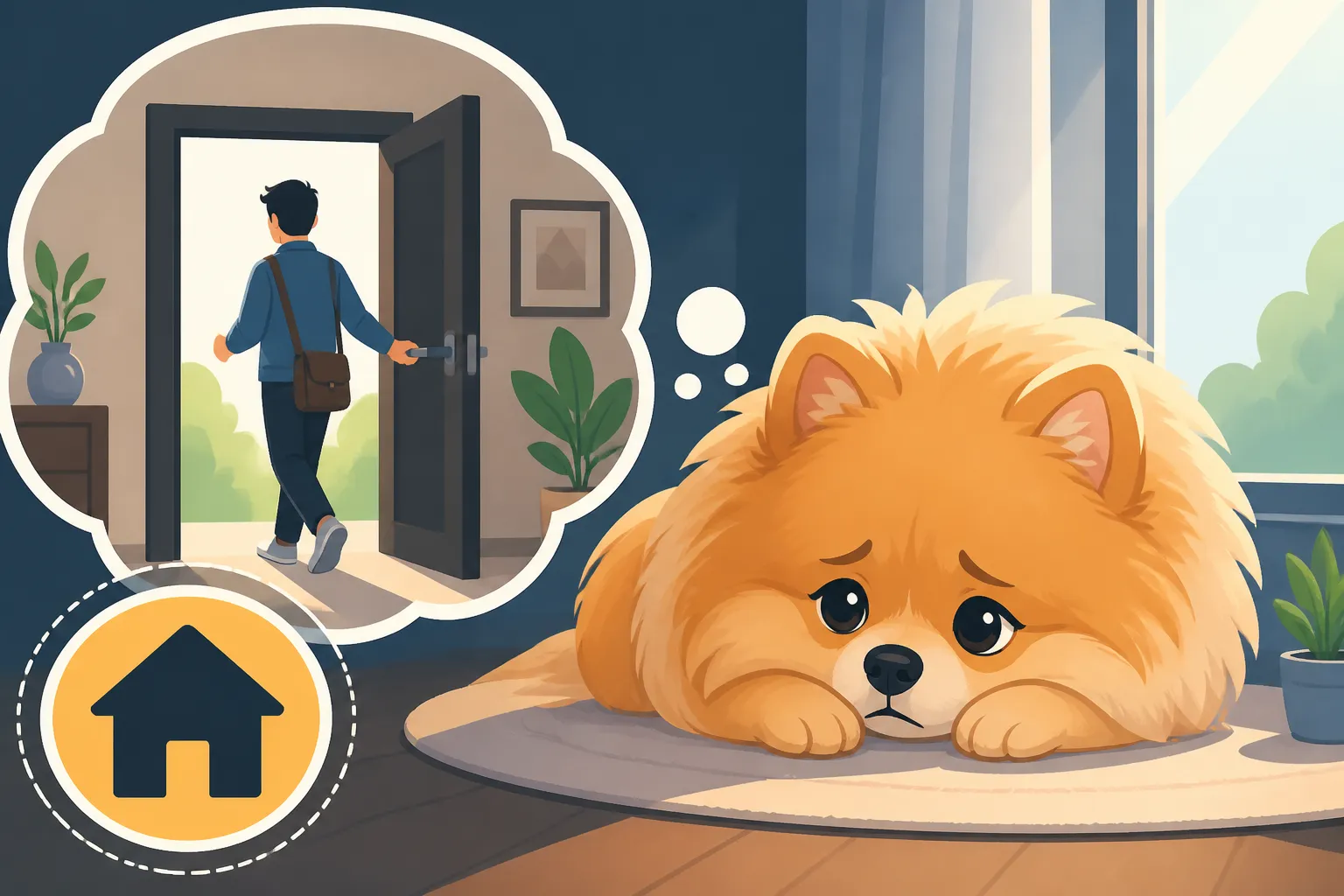
The Hours a Pomeranian Tolerates an Empty House
One of the most heart-wrenching concerns for any Pomeranian parent is leaving their beloved furball home alone. We know those tiny, fluffy faces can pull at our heartstrings, and the guilt of stepping out the door, even for a short errand, can be immense. It's not just about their small size; it's about their big personalities and even bigger capacity for attachment. This guide aims to tackle that often-stressful question: how many hours can a Pomeranian realistically tolerate being left in an empty house, and what can we do to make those times easier for them (and us!)?
Understanding Your Pomeranian's Need for Companionship
Pomeranians, with their spirited charm and intelligent eyes, are fundamentally companion animals. They thrive on interaction and often form incredibly strong bonds with their human families. This deep connection, while wonderfully rewarding, can also make alone time a significant challenge for many Poms.
The Pomeranian's Social Nature
Think about the history of the Pomeranian. They descended from larger Spitz-type dogs, but their role evolved over centuries to become cherished lapdogs and confidantes. Queen Victoria herself was a huge fan, and her influence helped cement their status as beloved companions. This isn't a breed engineered for solitary farm work or long hours patrolling a fence line; they were bred to be with their people. Because of this, many Pomeranians genuinely struggle with solitude. They aren't aloof or independent in the way some other breeds might be; they crave attention, mental stimulation, and physical presence. When that presence is removed, it can trigger feelings ranging from mild boredom to profound anxiety. It's not a flaw in their character; it's simply who they are, a reflection of their genetic blueprint and thousands of years of human companionship.
Recognizing Signs of Distress When Left Alone
It's crucial to understand that a Pomeranian expressing distress isn't being "naughty" or "stubborn." They are communicating their emotional state, and those signals can vary. Sometimes, it's very obvious, and other times, it's more subtle.
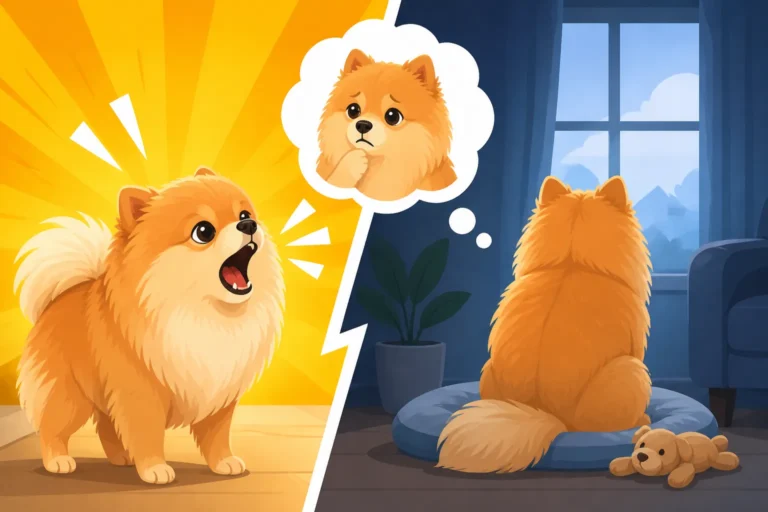
The most common and often loudest sign is, of course, barking. If you've ever had a neighbor complain or come home to a hoarse pup, you know what I mean. A Pomeranian can bark at everything from a leaf blowing past the window to the sound of your car pulling away, or simply out of sheer loneliness. This isn't just a "small dog, big bark" stereotype; it's often a genuine plea for attention or a manifestation of fear. Some Poms might engage in destructive behaviors: chewing on furniture, shoes, or even doorframes. This isn't malicious; it's often an outlet for anxiety or pent-up energy. Others might have accidents indoors, even if they are perfectly house-trained when you are present. This isn't defiance, but often a stress response, or in older dogs, a genuine inability to hold it due to anxiety.
More subtle signs might include pacing, excessive licking of paws or objects, loss of appetite while you're gone, or becoming overly excited and clingy when you finally return. If you're concerned about your Pom's behavior when you're away, a pet camera can be an invaluable tool. There are many affordable options available on sites like Amazon that allow you to check in on your pup, record their behavior, and sometimes even talk to them remotely. Observing these behaviors can help you identify if your Pomeranian is struggling with being left alone. For a deeper dive, check out A Pomeranian That Screams the Moment You Leave.
Realistic Timeframes for Leaving a Pomeranian Alone
Setting a realistic expectation for how long your Pomeranian can be left alone is not a one-size-fits-all answer. It depends heavily on their age, training, personality, and overall health.
Puppy Considerations Under 6 Months
Pomeranian puppies are like tiny, furry sponges, soaking up the world and desperately needing consistent care and reassurance. Leaving a young puppy alone for extended periods is not only impractical but can also be detrimental to their development and house training.
Firstly, their bladders are tiny! A good rule of thumb is that a puppy can hold its bladder for approximately one hour per month of age. So, a three-month-old puppy can realistically only last about three hours. Pushing this limit inevitably leads to accidents, which frustrates both the owner and the pup and can derail house-training progress. You might find yourself asking How Often a Pomeranian Puppy Needs to Eat as well, which impacts their need for breaks.
Beyond bathroom breaks, young puppies need constant supervision and socialization. They are learning about the world, and being left alone for too long can lead to loneliness, fear, and even contribute to separation anxiety later on. Their formative months are critical for building confidence. While short, positive periods of alone time (like 15-30 minutes in a secure playpen with a puzzle toy) are beneficial for Building a Pomeranian's Independence, anything more than 2-3 hours for a puppy under six months is generally not recommended. If you work outside the home, consider dog walkers, pet sitters, or even bringing your puppy to work if feasible.
Adult Pomeranians 6 Months to 8 Years
An adult Pomeranian, generally speaking, has better bladder control and a more established routine. Many adult Poms can comfortably be left alone for 4-6 hours. Some exceptionally independent or well-adjusted individuals might stretch to 7-8 hours on rare occasions, but this should not be a daily expectation.
It's important to differentiate between "can tolerate" and "thrives on." While an adult Pom might be able to hold their bladder for 8 hours, it's not ideal for their physical comfort or mental well-being. Imagine holding your own bladder for that long! Beyond the physical need, mental stimulation and social interaction are still paramount for an adult Pomeranian. If they are left alone for very long stretches daily, boredom, anxiety, and behavioral issues can still arise. Consider their daily schedule: when do they get their walks? When do they play? Are they getting enough mental exercise? If your Pom is routinely left for 8+ hours, even if they seem to "cope," it's worth re-evaluating their routine to ensure they're truly happy and stimulated. For insights on prolonged absences, refer to Whether a Pomeranian Copes With a Long Work Day.
Senior Pomeranians Over 8 Years
Our precious senior Pomeranians often have different needs than their younger counterparts. As Poms age, just like humans, their bodies and minds change. Bladder control can weaken, leading to more frequent urges to "go." A senior Pom might only be able to comfortably hold it for 2-4 hours, even if they were able to go much longer in their prime. They may also develop underlying health conditions that necessitate more frequent potty breaks.
Beyond physical changes, senior Pomeranians can sometimes experience cognitive decline, leading to increased anxiety or confusion when left alone. Their routine becomes even more important for their sense of security. They might not be as active, but they still crave companionship and comfort. Leaving an older Pom for prolonged periods can exacerbate anxiety, lead to accidents, and generally diminish their quality of life. If you have a senior Pom, consider increasing their potty breaks, providing extra comfy bedding in a safe space, and perhaps hiring a midday dog walker more consistently. Their golden years should be as comfortable and stress-free as possible.
| Age Category | Typical Bladder Capacity (Approx.) | Recommended Max Alone Time | Key Considerations |
|---|---|---|---|
| Puppy (Under 6 Months) | 1 hour per month of age | 2-3 hours max | House training, socialization, high energy needs |
| Adult (6 Months – 8 Years) | 6-8 hours | 4-6 hours (daily) | Individual temperament, exercise, mental stimulation |
| Senior (Over 8 Years) | 2-4 hours | 2-4 hours max | Bladder control, cognitive changes, comfort |
Note: These are general guidelines. Every Pomeranian is an individual, and their specific needs may vary.
Strategies for Extending Alone Time Safely and Happily
While Poms are undeniably people-oriented, it's not always possible to be with them 24/7. The good news is there are many strategies we can employ to help them cope better with alone time and even thrive when you're not around.
Building Independence Gradually
You wouldn't expect a child to go from constant companionship to being left alone for eight hours overnight, and the same applies to your Pomeranian. Building tolerance for alone time is a gradual process that requires patience and consistency.
Start with very short periods. Have your Pomeranian settle in a safe, designated space (like a crate or a puppy-proofed room) with a high-value chew or puzzle toy. Then, simply step out of sight for a minute or two. Don't make a big fuss when you leave or return. The goal is to make your departure and return as mundane as possible, devoid of emotional drama. Gradually increase the duration you're out of sight, then out of the room, then out of the house. Over weeks, you can slowly extend this time. If your Pom shows signs of stress, you've gone too far, too fast – dial it back and try again with shorter intervals.
Another crucial aspect is making sure your Pomeranian isn't always physically touching you when you're home. Encourage them to settle in their own bed, away from your lap, for periods throughout the day. This teaches them that "alone, but still in the house" is a perfectly normal and safe state. The Pomeranian That Cannot Be Left Alone explores this topic further, giving more context on how to gently encourage self-sufficiency. For structured guidance, online puppy training programs, like those offered by BAXTER & Bella, often have modules dedicated to building a puppy's confidence and managing alone time, which can be invaluable for owners looking for step-by-step instructions.
Enrichment and Comfort When You're Away
A bored Pomeranian is often a destructive or anxious Pomeranian. Providing appropriate enrichment can turn dreaded alone time into an enjoyable, stimulating experience.
Puzzle toys are your best friend here. Fill Kongs with peanut butter (xylitol-free!), plain yogurt, or wet food and freeze them. Lick mats are another great option. These items keep your Pom mentally engaged and physically occupied for significant periods. You can find a vast array of Puzzle Toys Small Enough for a Pomeranian on Amazon, perfect for their tiny mouths and intelligent minds. Rotate these toys so they don't get bored of the same thing every day.
Comfort items can also make a huge difference. A soft, comfortable bed in a quiet corner, an item of your clothing with your scent on it, or a white noise machine can provide a sense of security. Some owners find that leaving the radio or TV on low volume can help mask outside noises and provide a sense of company. Ensure the environment is safe – no choking hazards, no access to electrical cords, and secure from escape. A pen or crate can be useful here, but it must be introduced positively, not as a punishment. For advice on positive crate experiences, refer to Crate Work With a Pomeranian Puppy That Cries.
Considering Professional Help or Support
If, despite your best efforts, your Pomeranian continues to struggle with being alone, it's okay to seek professional help. Sometimes, what looks like simple separation anxiety can be more complex and might benefit from the guidance of a certified professional.
A certified professional dog trainer or veterinary behaviorist can assess your Pomeranian's specific issues and develop a tailored plan. They can help you implement desensitization and counter-conditioning protocols more effectively. In some cases, especially with severe separation anxiety, a vet might recommend medication to help manage the anxiety while behavioral modification is underway. This isn't a quick fix, but it can provide a crucial window for the training to take hold.
Beyond professional trainers, consider practical support for daily absences. A trusted dog walker can come by midday to give your Pom a potty break, some playtime, and much-needed human interaction. Doggy daycare can be a fantastic option for social Poms, providing structured playtime and supervision, though it's important to find a facility that properly supervises small dogs and ensures their safety around larger breeds. Before committing to a full daycare schedule, ensure your Pomeranian is comfortable in group settings; not all Poms thrive in busy environments. This kind of external support can significantly reduce the pressure on you and improve your Pomeranian's well-being.
The Impact of Lifestyle on Your Pomeranian's Alone Time
Our daily lives directly influence our Pomeranian's ability to cope with solitude. Understanding how different lifestyles interact with their needs can help us make more informed decisions and create a harmonious home.
The Work-From-Home Dynamic
The rise of remote work has been a double-edged sword for many dog owners, especially those with Poms. On one hand, it's wonderful to have your fluffy companion by your side all day, offering comfort and companionship. On the other hand, it can inadvertently create or worsen separation anxiety. When your Pomeranian is used to having you present all the time, even just in the next room, any departure can feel like a much bigger deal.
If you work from home, it's crucial to intentionally teach your Pomeranian how to be alone, even when you're physically present. This means building periods of separation into your day. Close the office door while you work, or have your Pom spend time in their crate or a separate room while you go about your tasks. Don't let them follow you everywhere. Practice "mock departures" where you grab your keys, put on your shoes, and even step outside for a minute, then return as if nothing happened. This helps normalize your absence and presence, preventing them from developing an over-reliance on your constant availability. Building a Pomeranian's Independence offers more structured ways to integrate these practices into your daily life, making sure your Pom isn't caught off guard when you eventually need to leave for real.
Planning for Errands and Social Outings
Life happens, and we all have errands to run, appointments to keep, and social lives to maintain. The key to successfully managing these absences with a Pomeranian is planning and preparation.
For short errands (1-2 hours), ensure your Pom has had a recent potty break, access to water, and perhaps a small, safe chew toy. Don't make a big deal out of leaving or returning. If you're going to be gone for a longer period, say 3-5 hours, consider scheduling your departure after a good walk and playtime, so they are tired and more likely to nap. A stuffed Kong or a treat-dispensing puzzle can keep them occupied for the first portion of your absence. If you know you'll be gone for longer, like a full workday or an evening out, that's when you absolutely need to engage external support. A dog walker who comes midday, a trusted friend or family member who can check in, or even a few hours at a reputable doggy daycare can make a world of difference.
It's about being proactive rather than reactive. Don't wait until you have to be gone for 8 hours to figure out how your Pomeranian will cope. Start establishing a routine and using support systems before the need becomes urgent. This thoughtfulness ensures your little companion remains happy, secure, and well-adjusted, even when they're holding down the fort all by themselves.
Disclaimer
This article is for general informational purposes only and does not constitute professional advice. Laws, prices and regulations vary by location and change over time. Consult a qualified professional for guidance on your specific situation.