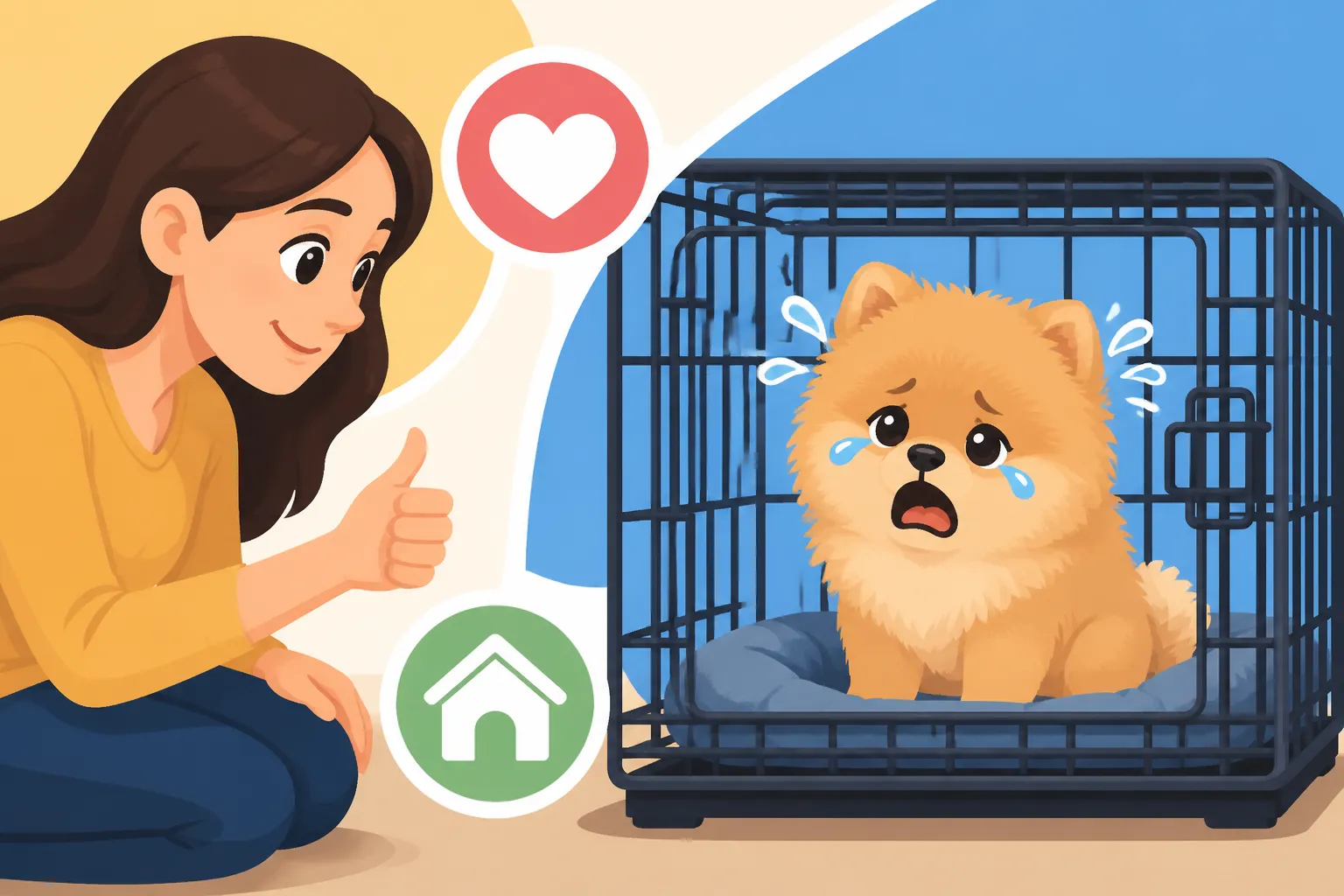
Crate Work With a Pomeranian Puppy That Cries
Oh, the sound of a little Pomeranian puppy crying in their crate can be absolutely heartbreaking, can't it? It’s enough to make you second-guess every decision you’ve made, wondering if you're doing something wrong or if your tiny fluffball will ever settle down. This guide is going to walk you through why your precious Pom pup might be crying in their crate and, more importantly, give you practical, empathetic strategies to help them feel safe, secure, and happy in their den.
Understanding Why Your Pomeranian Puppy Cries in the Crate
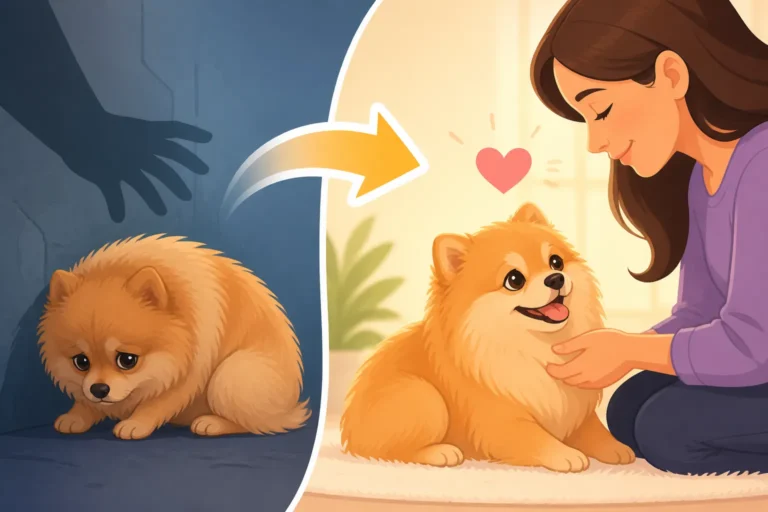
When you first bring home a tiny Pomeranian puppy, they're stepping into a whole new world, away from their littermates and their mom. It’s a huge adjustment, and their cries aren’t usually meant to be manipulative; they’re often a genuine expression of fear, loneliness, or discomfort. Understanding the root cause of their distress is the first step toward helping them.
The Natural Instinct to Seek Comfort and Security
Imagine being a tiny, defenseless creature suddenly alone. For a puppy, especially a small breed like a Pomeranian, their survival instinct tells them to stay close to their pack. When they find themselves in a crate, even a cozy one, their primal brain might perceive it as being isolated, vulnerable, and separated from their family—which is now you. This isn't about being "naughty"; it's a deep-seated need for companionship and protection. Their whining or barking is often their way of calling out for that comfort, hoping you'll come and reassure them. It's tough to hear, but it's a perfectly normal reaction for a little one trying to navigate a big, new world.
Separation Anxiety vs. Simple Discomfort
It's crucial to differentiate between true separation anxiety and simple protest crying or discomfort. Real separation anxiety usually involves more intense symptoms: destructive chewing, excessive drooling, frantic attempts to escape, and sometimes even self-harm, which often happens when you're completely out of sight, not just when they're in the crate. With a young puppy, it's far more likely to be protest crying. They might simply be uncomfortable, need to potty, or just don't want to be left alone.
For instance, a puppy who whines for a few minutes and then settles might just be expressing their displeasure at being confined, but they don't have a deep-seated panic. On the other hand, if your Pomeranian is barking hysterically, shaking, panting, and trying to dig their way out of the crate for extended periods, even after all needs like potty and hunger are met, it might warrant a deeper look into Signs a Pomeranian Has Separation Anxiety. This distinction helps you respond appropriately – comforting a puppy who's genuinely scared versus waiting out a puppy who's just voicing a mild complaint.
The Fear of the Unknown and a New Environment
Everything is new for a young Pomeranian puppy. New smells, new sounds, new routines, and suddenly, this metal or plastic box is part of it all. They haven't had the chance to form a positive association with the crate yet. It's not the warm, familiar pile of siblings they're used to. This "unknown" can be genuinely frightening for them. Think about it from their perspective: one day, they're snuggled with their mom and littermates, and the next, they're in a strange house, potentially in a strange box.
This fear can be exacerbated if the breeder didn't introduce crate training early or if the puppy had a negative experience. Perhaps they were left alone for too long, or perhaps the crate felt too isolating. Our job is to transform that fear into comfort, showing them that the crate is a safe, predictable, and even desirable place to be, not a scary unknown.
Setting Up the Perfect Crate Environment for Your Pomeranian
The crate shouldn't feel like a jail cell; it should be a safe haven, a den where your Pomeranian puppy can retreat and feel secure. The way you set it up makes a huge difference in how quickly your little one accepts it.
Choosing the Right Crate Size and Type
For a Pomeranian, size absolutely matters. You don't want a crate that's too large, because that can defeat the purpose of house training. If there's too much space, your puppy might use one end as a bathroom and sleep in the other, which is exactly what we're trying to avoid. The crate should be just big enough for them to stand up, turn around, and lie down comfortably. Many crates come with dividers, which are fantastic because they allow you to adjust the size as your puppy grows, saving you from buying multiple crates.
When it comes to type, you generally have a few options: wire, plastic (airline-style), or soft-sided fabric crates. Wire crates offer good ventilation and visibility, but some puppies might feel less secure due to the open nature. Plastic crates provide more of a den-like feel, which many dogs prefer. Soft-sided crates are great for travel, but usually not recommended for initial training, as a determined puppy can easily chew through them. For a Pomeranian, a wire crate with a divider or a plastic crate often works best. You can always cover a wire crate with a blanket to provide that den-like solitude.
Making the Crate a Cozy, Safe Den
Once you have the right size, it's time to make it inviting. This isn't just a box; it's going to be your puppy's bedroom, their retreat, their safe space. Start with comfortable bedding. A soft, washable mat or a small, plush bed that fits snugly inside is perfect. Make sure it's not so plush that they can easily destroy it and ingest stuffing. Some puppies do well with a t-shirt or blanket that smells like you, as your scent can be very comforting.
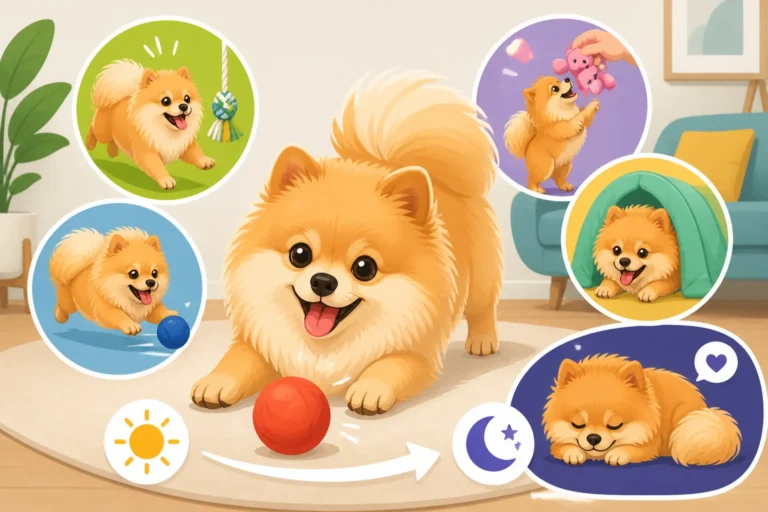
Next, add a few safe, appropriate toys. A durable chew toy, like a Kong filled with a tiny bit of peanut butter or cream cheese (check for xylitol first, please!), can be a lifesaver. These keep them occupied and associate the crate with positive experiences. You can also include a soft toy that smells like their littermates, if you were lucky enough to get one from the breeder, as this familiar scent can bring immense comfort. Think of it as creating a little bedroom, complete with everything they need to feel safe and happy.
Location, Location, Location: Where to Put the Crate
The placement of the crate is often overlooked but can be critical. Initially, especially during those first few nights, your Pomeranian puppy will feel most secure if their crate is near you. This often means in your bedroom, right next to your bed. They can hear you breathing, smell your scent, and know they're not truly alone. This proximity provides immense comfort and helps them transition from sleeping with their littermates. As they get older and more confident, you can gradually move the crate to a more permanent location, perhaps in a quiet corner of the living room or kitchen.
However, during the initial house training phase, having the crate close by also means you can hear them if they wake up needing to go potty. Remember, a tiny Pomeranian puppy has a very small bladder! How Long a Pomeranian Puppy's Bladder Is can give you an idea of just how often you'll be making those late-night trips outside. Having the crate easily accessible to you for these necessary potty breaks can prevent accidents and reinforce good habits. This also avoids the problem of a puppy crying purely because they need to relieve themselves, which is a different cry than one of loneliness.
Introducing Your Pomeranian Puppy to the Crate Positively
The key to successful crate training is to make it a positive, rewarding experience. You want your Pomeranian to love their crate, not just tolerate it. This means no force, no punishment, and lots of encouragement.
The "Happy Place" Association with Treats and Toys
Your crate needs to be a place where good things happen. Start by simply leaving the crate door open and placing high-value treats and favorite toys inside. Let your puppy explore it on their own terms. Don't push them in or close the door yet. Whenever they voluntarily go near or into the crate, praise them lavishly and give them a tiny, delicious treat. The goal is to build a mental link: "Crate equals Yummy Treats and Fun Toys!"
For example, I've seen great success with using something like a puzzle toy from Amazon, filled with a bit of softened kibble or a lick mat, and placing it just inside the crate. This encourages them to enter to get the reward. Over time, move the reward further back into the crate. Never use food or toys they don't absolutely adore for this stage; you want to make it irresistible. The Reward a Pomeranian Actually Cares About is usually something small, soft, and high value!
Gradual Acclimation: Short Periods and Open Doors
Patience is a virtue, especially with a tiny Pomeranian. Start with very short periods of time. Once your puppy is happily going into the crate for treats, try closing the door for just a few seconds while they're still distracted with their treat or toy. Then immediately open it and praise them, letting them come out if they wish. Gradually increase the duration, but stay in the room. You might close the door for 30 seconds, then a minute, then two minutes.
The crucial part here is to open the door before they start crying. If they cry, wait for a brief pause in the crying (even just a second) before you open the door. This teaches them that crying doesn't get them out, but quiet waiting does. It’s a delicate balance, and it takes time. Think of it as a series of small, successful steps rather than one giant leap. The BAXTER & Bella online puppy school program often emphasizes this kind of slow, positive introduction, which is fantastic for sensitive breeds like Pomeranians.
Feeding Meals Inside the Crate
One of the easiest and most effective ways to build a positive association with the crate is to feed your Pomeranian puppy their meals inside it. Start by placing their food bowl just inside the door. As they become more comfortable, move the bowl further back. Eventually, you can close the door while they eat.
Once they've finished their meal, open the door and let them out immediately. This makes the crate synonymous with something wonderful: food! It also ensures they spend a predictable, positive amount of time in the crate every day. Since Pomeranian puppies need to eat quite frequently to avoid blood sugar crashes, this can give you several positive crate experiences throughout the day. For more on their feeding schedule, check out Feeding a Pomeranian Puppy Often Enough to Stay Safe. This method really reinforces that the crate is a good place, where they get delicious meals in peace.
Strategies for Handling Crying During Crate Time
Despite your best efforts, your Pomeranian puppy will likely still cry in the crate at some point. How you respond to these cries is crucial for shaping their future behavior.
Distinguishing Potty Cries from Protest Cries
This is perhaps the most challenging part for new puppy parents. Is your little Pom crying because they genuinely need to go outside, or are they just protesting being left alone? A potty cry is often more urgent, insistent, and might have a different tone – perhaps a sharp, distinct yelp compared to a more mournful whine. If your puppy has been in the crate for a while (especially overnight, when Whether a Pomeranian Can Hold It Overnight is a real concern) or just woke up, assume it's a potty cry. Take them out immediately, don't fuss, take them straight to their designated potty spot, praise them when they go, and then bring them straight back inside and put them back in the crate. If they settle after the potty break, you know it was a legitimate need.
A protest cry, on the other hand, might be more drawn out, whiny, and could intensify if you approach the crate without letting them out. If you've just taken them out, they've eaten, played, and had a chance to relieve themselves, then chances are it's a protest. This is where the tough love comes in.
The Importance of Ignoring Attention-Seeking Whines
This is where many owners falter, and it's completely understandable – who can resist a tiny, crying Pom? But if you respond to every whine by letting them out or giving them attention, you're inadvertently teaching them that crying is an effective way to get what they want. They learn, "If I cry, mom or dad comes!" This creates a cycle that's very hard to break.
The general rule is: if you are certain all their needs (potty, hunger, thirst, comfort) have been met and they are safe, then ignore the attention-seeking cries. This means not going to the crate, not talking to them, and not even making eye contact. It will be hard, and they might cry louder for a bit (an "extinction burst"), but if you are consistent, they will learn that crying doesn't work. The moment they quiet down, even for a few seconds, that's when you can reward them with praise or let them out if it's time. This teaches them that silence, not noise, gets your attention. Remember to keep Training Session Length for a Pomeranian appropriate for their age, so they aren't left for impossibly long periods.
Using White Noise and Calming Aids
Sometimes, a little extra help can go a long way. The silence of a new home can be unsettling for a puppy used to the constant hustle and bustle of a litter. Introducing a white noise machine or even a quiet fan can help drown out household noises that might startle your puppy and make them feel less alone. Some owners use a radio tuned to a talk show, as the sound of human voices can be comforting.
There are also various calming aids available. Some pet stores offer pheromone diffusers or sprays designed to mimic the calming pheromones a mother dog emits. A warm water bottle (wrapped in a towel for safety) placed in the crate can mimic the warmth of littermates, and a ticking clock can sometimes simulate a mother's heartbeat. Always introduce these gently and observe your puppy's reaction. What works for one might not work for another, but these simple additions can sometimes make all the difference in helping your little one settle.
Building Tolerance and Extending Crate Duration
Once your Pomeranian puppy is comfortable with short, quiet sessions in the crate, you can start gradually increasing the duration. This requires consistency and a steady approach to prevent setbacks.
Practicing Short Absences and Returns
The next step is to teach your puppy that being alone in the crate is okay, and that you will come back. Start by putting them in the crate with a high-value chew toy or a stuffed Kong. While they are happily occupied, quietly leave the room for a minute or two. Don't make a big deal of leaving or returning. When you come back, if they are quiet, calmly open the crate door and let them out. Avoid overly enthusiastic greetings right away, as this can inadvertently reward frantic behavior. The goal is to make your departure and return a non-event.
Slowly increase the time you are out of sight. Go to another room, run a quick errand to the mailbox, or step outside for a few minutes. Always ensure they've had a potty break and some exercise before these sessions. This builds their confidence and teaches them that being in the crate, even when you're not there, is safe and temporary. This is a crucial step in Building a Pomeranian's Independence.
Overnight Crate Training: When and How
Overnight crate training is often the most important, and sometimes the most challenging, aspect. When your Pomeranian puppy is very young, they simply cannot hold their bladder all night. You will need to take them out for potty breaks. For more insights on this, you can look at Whether a Pomeranian Puppy Should Sleep Alone.
To set yourself up for success:
- Last Potty Break: Take your puppy out right before bedtime for a final potty break.
- Crate Placement: As mentioned, keep the crate in your bedroom for the first few weeks so they feel close to you and you can hear them.
- No Food/Water Before Bed: Limit food and water a few hours before bedtime to reduce the need for midnight potty breaks.
- Respond to Potty Cries: If they cry in the middle of the night, assume it's for potty. Take them out immediately, don't play or talk much, let them do their business, then bring them straight back to the crate.
- Ignore Protest Cries: If you know they just went potty, or it’s not time for a potty break, try to ignore whining. This is tough, but consistency is key.
- Morning Routine: The moment you wake up, take them directly outside for a potty break.
As they get older, their bladder control will improve, and they'll be able to sleep through the night without needing to go out. The Age a Pomeranian Puppy Becomes Reliable Indoors can vary, but usually, by 4-6 months, they can hold it for longer stretches.
Consistency and Patience as Your Best Tools
Seriously, these are your superpowers when it comes to crate training. Every family member needs to be on the same page and follow the same rules. Inconsistency will only confuse your little Pomeranian and prolong the process. If one person lets them out when they cry, and another ignores them, the puppy won't understand what's expected.
Patience is equally vital. There will be nights of interrupted sleep and moments of frustration. It might feel like it's taking forever. But remember, your Pomeranian puppy is learning a brand new skill in a brand new home. Celebrate small victories – a quiet minute here, a longer stretch of sleep there. Stay positive, be consistent, and your little Pom will eventually come to view their crate as a safe, comforting space. This also contributes positively to overall How Many Weeks House Training a Pomeranian Takes.
Common Mistakes and How to Avoid Them
Even with the best intentions, it's easy to make missteps in crate training. Being aware of these common pitfalls can help you navigate the process more smoothly.
Using the Crate for Punishment
This is a cardinal rule of crate training: never use the crate as a form of punishment. If your Pomeranian does something wrong, putting them in the crate sends the message that the crate is a bad place, a place where they go when they're in trouble. This immediately undoes all the positive association work you've been doing. The crate should always be seen as a safe, positive retreat, never a penalty box.
If your puppy needs a "time-out" for unruly behavior, choose a different method. For example, you might simply remove yourself from the room for a minute, or calmly redirect their behavior. The crate should always remain their happy, secure den. If they associate it with punishment, they will resist going in, and the crying will intensify due to fear and anxiety rather than simple protest.
Rushing the Process or Giving In Too Soon
We all want quick results, but rushing crate training can actually backfire. If you try to leave your Pomeranian in the crate for too long before they're ready, or if you immediately give in to their cries, you're setting yourself up for failure. A common mistake is thinking, "Oh, they went in for a few minutes, now they can stay for hours!" This is a recipe for a stressed, crying puppy.
Each step in the process (short periods with the door closed, short absences, longer durations) needs to be mastered before moving on. And as heartbreaking as it is, giving in to persistent protest cries teaches your puppy that if they just cry long enough, they'll get what they want. It can feel cruel to let them cry, but it’s a short-term discomfort for long-term benefit – a dog who feels secure and calm in their own space. It builds their resilience.
Not Providing Enough Exercise Before Crating
A tired puppy is a good puppy, especially when it comes to crate time. If your Pomeranian is full of pent-up energy, they're much more likely to whine, bark, and try to escape the crate. They need an outlet for that energy before being confined. Before any extended crate session, whether it's for a few hours during the day or overnight, make sure your puppy has had a good play session, a walk (if age-appropriate and fully vaccinated), and a potty break.
For a little Pomeranian, even 15-20 minutes of engaging playtime—fetch with a soft toy, a gentle tug-of-war, or some puzzle games—can make a huge difference. Engage their mind with Puzzle Toys Small Enough for a Pomeranian to further tire them out mentally. A mentally and physically tired puppy will be much more inclined to settle down, relax, and even nap happily in their crate, making the entire process smoother for both of you.
| Crate Training Success | Do This | Avoid This |
|---|---|---|
| Crate Environment | Provide soft bedding, favorite toys, your scent. | Use a crate that's too large or too bare. |
| Introduction | Lure with high-value treats, make it a positive place. | Force puppy inside, close door abruptly. |
| Handling Crying | Distinguish potty vs. protest, ignore protest cries. | Rush to comfort every cry, reinforce whining. |
| Duration | Gradually increase time, start with short absences. | Leave for too long too soon, inconsistent schedule. |
| General Use | Crate is a safe den, a place for rest. | Use crate for punishment or "time-outs." |
| Preparation | Exercise and potty break before crating. | Put a high-energy, full-bladder puppy in the crate. |
Disclaimer
This article is for general informational purposes only and does not constitute professional advice. Laws, prices and regulations vary by location and change over time. Consult a qualified professional for guidance on your specific situation.