A Pomeranian That Will Not Get Its Coat Wet
It’s a common frustration for Pomeranian parents: you want to keep your fluffy companion clean, but the mere sight of a bathtub or a sudden rain shower sends them into a frantic panic. Many Poms absolutely despise getting their beautiful coats wet, leading to wrestling matches, frantic attempts to escape, and sometimes, real anxiety. This comprehensive guide will delve into the reasons behind this water aversion and provide actionable strategies to help your Pomeranian become more comfortable with baths, rain, and all things damp, turning stressful experiences into calm, even enjoyable ones.
Why Pomeranians Often Resist Getting Wet
There's more to a Pomeranian's dislike of water than just being "fussy." Their unique physiology, past experiences, and sensitive nature can all contribute to a strong aversion to getting their coat wet. Understanding these underlying reasons is the first step toward helping them overcome their fears.
Fear of the Unknown and Unpredictable Sensations
Imagine a world where sudden changes in temperature, slippery surfaces, and the overwhelming sound of running water are completely new and perhaps even frightening. For a Pomeranian, especially one not properly introduced to these elements as a puppy, bath time or a sudden downpour can be a cascade of unpleasant sensations. The feeling of water soaking through their dense double coat can be heavy and disorienting, unlike anything they experience in their daily lives.
Many Poms are naturally cautious creatures. They thrive on routine and predictability. When thrown into a situation like a bath, where the ground feels unstable, the water is a strange temperature, and they can't easily escape, it triggers their natural flight instinct. They don't understand that you're trying to help them; they only perceive it as a threat to their comfort and safety. The noise of a running faucet or showerhead, amplified by their keen hearing, can be startling and overwhelming. It's not just the wetness, but the entire sensory experience that can be incredibly off-putting, leading to frantic struggles and yelps that break your heart.
Negative Past Experiences and Trauma
Unfortunately, some Pomeranians may have had genuinely negative experiences with water, which can deeply ingrain their aversion. Perhaps their first bath was rushed, used too-cold or too-hot water, or involved rough handling. A single bad experience can create a lasting fear, making every subsequent encounter with water a battle. This is particularly true for rescue Pomeranians whose past might be unknown. They may have been bathed incorrectly, left in a kennel during heavy rain, or even experienced accidental submersions that left them terrified.
These past traumas manifest as a deep-seated distrust. They might start shaking at the sight of a towel, run and hide when they hear the bathroom door open, or become aggressive if cornered near a water source. It's crucial not to dismiss these reactions as mere stubbornness. For these Poms, it's a genuine fear response, and they need immense patience, understanding, and a very slow, gentle approach to rebuild positive associations. Even something as simple as a harsh voice during a bath when they were young can create a lasting negative impression. If your Pomeranian starts screaming during brushing, it could also be linked to past negative grooming experiences, including bath time.
Sensitivity to Temperature and Sensory Input
Pomeranians, with their small size and dense coats, can be quite sensitive to temperature fluctuations. Water that feels perfectly fine to us might be too cold or too warm for their delicate skin. Their double coat, while providing excellent insulation, can also become incredibly heavy when saturated, pulling on their skin and making them feel weighed down and vulnerable. This can trigger a feeling of being trapped or unable to move freely, intensifying their panic.
Beyond temperature, the tactile sensations play a huge role. The feeling of water running over their body, particularly on sensitive areas like their face and ears, can be highly irritating. Some Poms might dislike the slickness of a wet tub or the feeling of wet fur clinging to their skin. Furthermore, their powerful sense of smell can pick up on strong shampoo scents, which might be unpleasant. Every tiny detail, from the pressure of the water stream to the unfamiliar texture of a damp towel, contributes to their overall perception of the experience. We often underestimate how overwhelming these sensory inputs can be for a dog with such heightened senses.
Understanding the Pomeranian Coat's Unique Properties
The Pomeranian's magnificent double coat is a defining feature of the breed, but it's also a major factor in why they resist getting wet. Understanding its structure and how it reacts to water is vital for successful grooming and desensitization.
The Dense Double Coat and Water Absorption
The Pomeranian's coat consists of two distinct layers: a soft, fluffy undercoat that provides insulation, and a longer, coarser guard coat that protects against the elements. This combination is designed to keep them warm and relatively dry in harsh northern climates, but it also makes them incredibly efficient at absorbing and holding onto water. When their coat gets wet, particularly the undercoat, it acts like a sponge, soaking up a surprising amount of liquid.
This heavy saturation can be uncomfortable and startling for a small dog. The weight of the wet coat can feel cumbersome, restricting their movement and making them feel vulnerable. For a tiny five-pound Pomeranian, the added weight of a fully soaked coat can feel like carrying a lead blanket. This sensation alone can be enough to make them dread any encounter with water. It's also why air-drying isn't typically recommended for Poms, as it takes an incredibly long time for that dense undercoat to dry completely, leading to potential skin issues if moisture is trapped. The Double Coat That Makes a Pomeranian and Why It Stays On discusses this further.
Matting Concerns and Skin Irritation
A wet Pomeranian coat, if not properly and thoroughly dried, is a breeding ground for mats. The fine undercoat, when wet, easily clumps together, and if allowed to dry in that state, forms tight, painful mats that pull on the skin. These mats can be incredibly difficult and painful to remove, often requiring professional help or even shaving. The fear of matting can contribute to a Pomeranian's aversion, especially if they've previously experienced discomfort from tangled fur.
Beyond matting, a damp coat that doesn't dry completely can lead to skin irritation, hot spots, or fungal infections, especially in warm, humid weather. The trapped moisture creates an ideal environment for bacteria and yeast to thrive. Owners, aware of these risks, might inadvertently convey their own anxiety during bath time, further exacerbating the dog's reluctance. This is why brushing a Pomeranian's coat thoroughly before and during drying is paramount to prevent these painful tangles.
Drying Challenges and Discomfort
The sheer difficulty and time involved in drying a Pomeranian's double coat thoroughly is a significant hurdle. Towel drying alone is rarely sufficient, as the undercoat retains a lot of moisture. Many Poms are also wary of the loud noise and sensation of a blow dryer, which can be another source of anxiety. If the drying process is long, tedious, and uncomfortable, it reinforces the negative association with getting wet.
Furthermore, if a Pomeranian's coat isn't dried properly, especially in the cooler months, they can become chilled, leading to further discomfort and a strong desire to avoid future baths. The goal is always to make the drying process as quick and comfortable as possible, but this can be a tall order for a reluctant Pom. Drying a Pomeranian Without Damaging the Coat explores techniques for making this process smoother and less stressful for both you and your little fluffball.
Overcoming Water Aversion: Practical Strategies
Turning a water-hating Pomeranian into one that tolerates, or even enjoys, getting wet requires patience, consistency, and a positive reinforcement approach. It’s a marathon, not a sprint.
Desensitization and Counter-Conditioning
The cornerstone of overcoming fear is desensitization and counter-conditioning. This means slowly exposing your Pomeranian to water-related stimuli while simultaneously creating positive associations. Start small. Don't even bring them near the tub yet. Begin by simply having the bathroom door open while you're in there, talking calmly. Gradually introduce the sound of running water from a faucet, perhaps in the kitchen sink, while offering high-value treats or engaging in a favorite game.
The key is to keep these exposures short, positive, and entirely voluntary. Never force your Pom into a situation where they're visibly distressed. If they show signs of stress (lip licking, yawning, tail tucked, trying to escape), you've gone too far too fast. Retreat to a level where they are comfortable and try again later. For instance, put a dry bath mat in the tub, let them sniff it, and drop treats on it. Then, perhaps, put a very shallow layer of lukewarm water in the tub, just enough to cover their paws, and let them investigate on their own terms, rewarding curiosity with treats and praise. Repeat this for days or weeks, gradually increasing the water level or the duration. Online training resources, like those offered by BAXTER & Bella, can provide structured programs for desensitization that walk you through these steps systematically.
Positive Reinforcement and High-Value Rewards
Positive reinforcement is your most powerful tool. Every tiny step your Pomeranian takes toward tolerating water should be met with enthusiastic praise, petting, and their absolute favorite high-value treats. These aren't just any treats; think boiled chicken, tiny bits of cheese, or specialized training treats they rarely get. The goal is for them to associate water with fantastic things happening.
During these training sessions, keep your own demeanor calm and cheerful. Your energy will rub off on them. If you're stressed, they'll pick up on it. Use a calm, reassuring voice, even if they're still nervous. Remember that consistency is key. Even if a session lasts only a minute or two, if it's positive, you're making progress. Over time, the positive associations will begin to outweigh the negative ones. This approach is fundamental in Getting a Pomeranian Used to Water and truly makes all the difference.
Gradual Introduction to Water
Once your Pom is comfortable with the idea of water and the bath area, you can start the physical introduction, always keeping it gradual.
- Warmth and Comfort: Ensure the water temperature is perfectly lukewarm, not too hot, not too cold. Place a non-slip mat in the tub or sink to prevent slipping, which can be terrifying for a small dog.
- Paw Dips: Start by just getting their paws wet. Use a small cup to gently pour water over one paw, then immediately reward. Repeat with all paws over several sessions.
- Belly and Legs: Once paws are accepted, move to their belly and legs. Still using a cup, slowly wet small sections, praising and rewarding generously.
- Sponge or Wet Cloth: For their body, start with a thoroughly wrung-out sponge or wet cloth. Gently wipe down small areas of their coat, letting them get used to the damp sensation. Again, keep it light, brief, and reward-heavy.
- Gentle Stream: If using a handheld shower sprayer, keep the water pressure very low, almost a trickle. Start from their back, avoiding their face and ears initially. Work your way down slowly.
- Face Care: For their face, use a damp washcloth, not a direct stream of water. Gently wipe their face, especially around their eyes and mouth, keeping shampoo out of these sensitive areas.
- Short and Sweet: Keep the entire bath process, from start to finish, as short as possible initially. The quicker you can get them clean and dry, the better. Over time, as their comfort grows, you can gradually extend the duration. Remember, the focus is on building tolerance, not achieving a perfectly spotless coat in one go.
Making Bath Time (and Rain) a More Positive Experience
Beyond the initial desensitization, there are several things you can do to make regular encounters with water less daunting for your Pomeranian.
Creating a Safe and Relaxing Bathing Environment
The environment where you bathe your Pomeranian can significantly impact their experience. A calm, quiet space is paramount. Choose a time when your home is peaceful and you're not rushed. Gather all your supplies beforehand so you don't have to leave your Pom unattended, even for a second. This includes shampoo, conditioner, towels, a non-slip mat, and those all-important high-value treats.
Consider bathing in a utility sink or a large basin rather than a full-sized tub, as it can feel less overwhelming for a small dog. Ensure the water temperature is just right and the water flow is gentle. Speak in soft, reassuring tones. You might even play calming music or have a diffuser with pet-safe essential oils (like lavender, diluted and away from direct contact) in the room to create a serene atmosphere. Having an assistant to help hold your Pom and dispense treats can also be incredibly beneficial, especially in the beginning. The less chaotic the experience, the better. Washing a Pomeranian in a Kitchen Sink provides some good tips for using smaller spaces.
Making Rain Walks Manageable
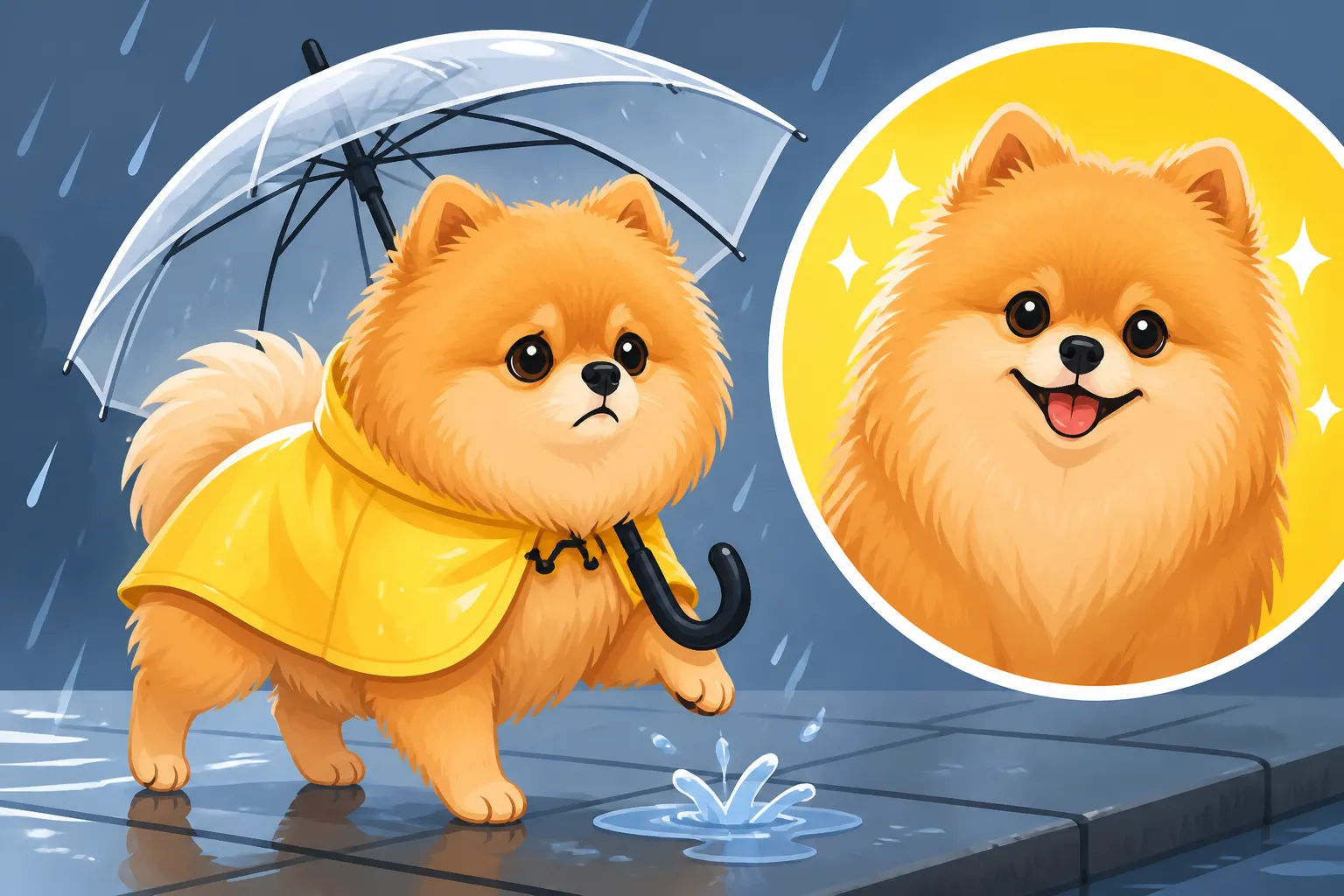
Rainy weather can be a real problem for Poms who hate getting wet. Many will simply refuse to go outside for potty breaks, leading to accidents indoors. To combat this, introduce rain gear as part of your desensitization process, before it actually rains.
Start by letting your Pomeranian sniff a waterproof jacket or raincoat. Reward them for calm interactions. Then, briefly put the jacket on them indoors, praising and treating heavily. Gradually increase the duration they wear it inside. Once they're comfortable, try short walks outside on dry days with the rain gear on. When it does rain, keep walks short and purposeful, just long enough for them to do their business. Choose routes with some overhead cover if possible, like under awnings or trees. Immediately upon returning indoors, towel them off gently and thoroughly, and reward them for coming in from the rain. Avoid scolding them for reluctance; instead, celebrate any small compliance. Even Whether a Pomeranian Needs Clothing at All can be a valid concern for owners in different climates, but for rain aversion, a coat can be very helpful.
Dealing with Puddles and Wet Ground
Puddles and wet grass can be particularly unsettling for Poms. Their little paws get cold and wet quickly, and it can feel strange and unpleasant. If your Pomeranian avoids puddles, don't force them through. Instead, try to guide them around. If avoidance isn't possible, use waterproof paw protectors or dog boots. Just like raincoats, these need to be introduced gradually and positively indoors first.
You can also try making the wet ground less intimidating. For example, if they refuse to step on wet grass for potty, you might try a designated potty patch with artificial turf that drains quickly. For general walks, choose paved areas over muddy ones after a rainstorm. Always have a towel ready at the door for a quick wipe-down of their paws and belly, turning it into a routine that ends with a treat. This consistent positive reinforcement, even for something as simple as allowing you to wipe their paws, can go a long way in changing their perception of wetness.
Tools and Products to Help
Having the right tools can make a significant difference in managing a Pomeranian who dislikes water. From bathing essentials to drying aids, strategic choices can reduce stress for everyone involved.
Appropriate Shampoos, Conditioners, and Sprayers
Choosing the right shampoo and conditioner is crucial. Opt for gentle, tearless formulas specifically designed for dogs, ideally with a mild, pleasant scent (or no scent at all, if your Pom is sensitive). You'll want a shampoo that rinses easily to minimize the time spent with water. Brands like Earthbath or TropiClean offer widely available gentle options on platforms like Amazon. Always dilute shampoo before applying it to the coat; this makes it easier to distribute and rinse out, cutting down on bathing time.
A handheld sprayer with adjustable pressure can be a game-changer. It allows for more precise control over the water stream, ensuring you can keep it gentle and avoid spraying directly into your Pom's face or ears. Many sprayers attach directly to your faucet, making bathing in a sink much easier. Investing in a good quality conditioner is also important, as it helps to detangle the coat and make it more manageable for drying, preventing those dreaded mats.
Effective Drying Aids and Techniques
Thorough drying is essential for a Pomeranian's health and comfort, especially after a bath. Start with highly absorbent microfiber towels. Gently squeeze excess water from the coat rather than rubbing vigorously, which can create tangles.
For the actual drying, a pet-specific force dryer is often recommended. These dryers are designed to push water out of the coat without using heat, which can damage their skin and coat. However, their noise can be intimidating. Start introducing the dryer from a distance, rewarding your Pom for calm behavior, gradually moving closer over many sessions. A quieter, variable-speed dryer, like those found on Amazon, can be a worthwhile investment. Always use the lowest setting and cool air initially. Work through the coat in sections with a slicker brush, ensuring the undercoat is completely dry. Dryers and Brushes for Grooming a Pomeranian at Home goes into more detail about these tools. Remember, Whether a Pomeranian Can Air Dry is almost never a good idea due to their dense undercoat.
| Drying Method | Pros | Cons | Best Use |
|---|---|---|---|
| Microfiber Towels | Highly absorbent, quiet, gentle | Requires significant effort, not fully effective | Initial water removal, quick paw wipes, rain |
| Pet Force Dryer | Most efficient, thorough drying, prevents mats | Can be noisy, may intimidate some dogs, initial cost | Full bath drying for dense double coats |
| Human Hair Dryer | Readily available | Can overheat, too high heat damages coat/skin, noisy | Avoid for Pomeranians due to heat risk |
| Air Drying | No equipment needed, silent | Very slow, leads to matting, skin issues, chilling | Never for full drying of a Pomeranian's coat |
Protective Gear for Rainy Days
For those reluctant rain-walkers, protective gear can be a lifesaver. A well-fitting waterproof raincoat or jacket can keep their body relatively dry during potty breaks. Look for lightweight options that don't restrict movement and are easy to put on and take off.
Waterproof dog boots or paw protectors are also excellent for keeping their paws dry and warm, especially in cold, wet conditions. Again, ensure they fit properly – not too tight, not too loose – to prevent discomfort or tripping. Introduce them slowly indoors first, rewarding your Pom for wearing them. While some Poms may look adorable in outfits, the primary goal here is function and comfort, making their necessary outdoor excursions less miserable.
When to Seek Professional Help
Sometimes, despite your best efforts, a Pomeranian's water aversion is too severe to manage alone. Knowing when to call in the professionals can save you and your Pom a lot of stress.
Persistent Anxiety and Fear-Based Aggression
If your Pomeranian's fear of water is so intense that it causes extreme anxiety (shaking, excessive panting, hiding, vocalizing uncontrollably) or even fear-based aggression (growling, snapping, biting attempts) during any water-related scenario, it's time to seek professional help. This level of fear suggests a deep-seated issue that often requires the expertise of a certified professional dog trainer or a veterinary behaviorist.
These specialists can assess the root cause of the behavior, rule out any underlying medical conditions, and develop a tailored desensitization and counter-conditioning plan. They can also teach you advanced handling techniques and provide guidance on environmental management to reduce triggers. Attempting to force a highly anxious or aggressive dog into a situation they fear can worsen the problem and damage your bond, so professional intervention is crucial in these cases. If your Pomeranian is prone to Anesthesia Risk in a Four Pound Pomeranian, a vet behaviorist might also be able to discuss calming medications that could help reduce anxiety during necessary bathing or grooming.
Professional Grooming Advice and Services
A professional groomer who specializes in small or fearful dogs can be an invaluable resource. They have experience with a wide range of temperaments and can often bathe and dry a difficult Pomeranian with less stress than an owner might. They use specialized equipment, like quiet force dryers and anti-slip mats, and have techniques for calming anxious dogs. Many groomers offer "bath-only" services or "desensitization appointments" where they work with your Pom for short periods, focusing on positive experiences with water and grooming tools.
They can also give you personalized advice on products, brushing techniques, and how to maintain your Pomeranian's coat between professional grooms. If your Pom's coat becomes matted due to infrequent bathing, a professional groomer can safely and painlessly address this issue, which might require a gentle shave-down in severe cases. Don't be afraid to explain your Pom's aversion when booking; a good groomer will appreciate the heads-up and adapt their approach. The 60 to 90 Dollar Pomeranian Grooming Appointment often includes more than just the bath, but specialized services for fearful dogs might be structured differently.
Consulting Your Veterinarian for Underlying Issues
In some rare instances, a dog's extreme aversion to water or grooming might be linked to an underlying medical condition. Pain from arthritis, hip dysplasia, or even skin conditions could make being handled, stood in a tub, or having water run over them painful. Ear infections can make water near the ears excruciating. A collapsing windpipe The Honking Cough of a Pomeranian's Collapsing Windpipe might make the act of bathing, with its increased humidity and stress, genuinely difficult for them to breathe.
If your Pomeranian's water aversion developed suddenly, or if it's accompanied by other unusual symptoms (lameness, lethargy, loss of appetite), a visit to your veterinarian is warranted. They can perform a thorough physical examination, rule out any health problems, and address any pain or discomfort that might be contributing to the behavior. Your vet can also discuss mild anti-anxiety medications that could be used situationally to help your Pom cope with necessary grooming procedures, making the experience safer and less traumatic for them.
Disclaimer
This article is for general informational purposes only and does not constitute professional advice. Laws, prices and regulations vary by location and change over time. Consult a qualified professional for guidance on your specific situation.