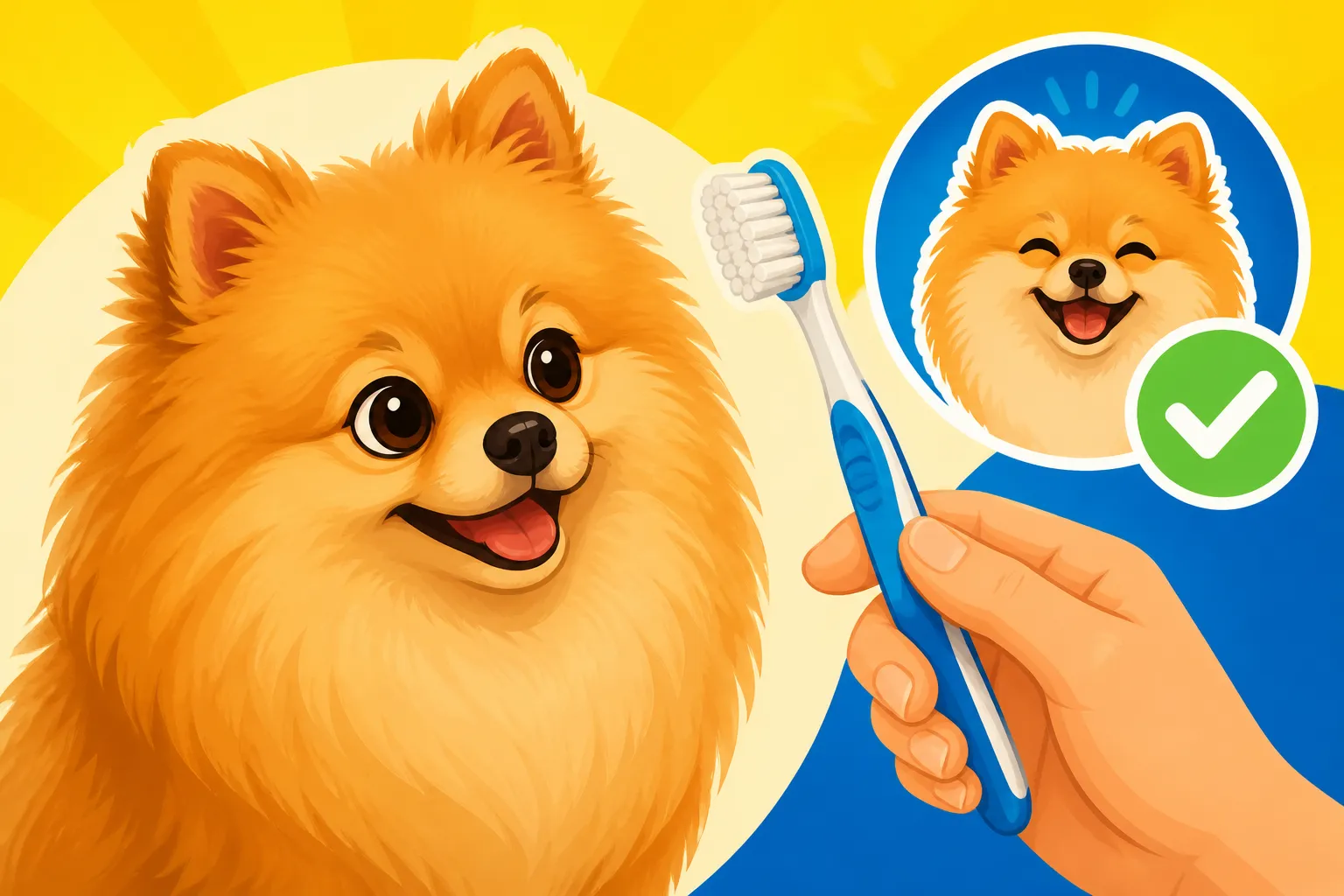
Teaching a Pomeranian to Accept a Toothbrush
One of the most common struggles Pomeranian owners face is the daunting task of brushing their tiny dog's teeth. That small, adorable mouth can be surprisingly resistant, and many pups turn their heads, nip, or simply refuse to cooperate, leaving you worried about their dental health. This comprehensive guide is here to unravel those frustrations, offering a patient, realistic, and step-by-step approach to help your Pomeranian learn to accept, and perhaps even look forward to, their daily toothbrushing routine.
Why Brushing a Pomeranian's Teeth Feels Like an Uphill Battle
Let's be honest, it feels like fighting a tiny, fluffy tornado sometimes, doesn't it? Many Pomeranian owners share the same struggles when it comes to dental care, and it's not just because Poms are sometimes perceived as stubborn. There are very real, anatomical, and behavioral reasons why this task can be so challenging for our little companions. Understanding these root causes is the first step toward finding effective solutions.
Firstly, a Pomeranian's mouth is incredibly small. While that's part of their charm, it also means their teeth are often crowded, and getting a brush in there can feel like navigating a tiny maze with a giant tool. The molars at the back are particularly tricky to reach, and it’s these areas that often accumulate the most plaque and tartar. This crowding also makes them highly prone to dental disease, so the need for diligent cleaning is paramount, even if the logistics are difficult. It's a cruel irony that the very dogs most susceptible to dental issues are also the hardest to provide preventative care for.
Secondly, many Pomeranians, like other toy breeds, are incredibly sensitive. They might be sensitive to strange textures, to having their personal space invaded, or to the sensation of a brush against their gums. They're often accustomed to being cuddled and adored, not having an object poked into their mouth. This isn't naughtiness; it's often a genuine discomfort or fear response to an unfamiliar and invasive procedure. Historically, dental care for small breeds wasn't emphasized as much as it should have been, leading to generations of Poms who weren't socialized to accept this crucial part of their care. This means you might be starting from scratch, even with an adult dog.
Finally, let's not forget that Poms are intelligent little dogs with strong personalities. If an experience is unpleasant, they'll remember it, and they'll try to avoid it. If early attempts at brushing were forceful or uncomfortable, you've already built up a negative association. The key is to break that cycle and rebuild trust, making the process as positive and rewarding as possible. This breed thrives on routine and positive reinforcement, so if you can turn brushing into a positive daily ritual, you’ll be much more successful.
Starting Early and Making it Positive
The golden rule for teaching any behavior to your Pomeranian, especially one as potentially invasive as toothbrushing, is to start early and keep it overwhelmingly positive. Puppyhood is truly the ideal time, as their minds are sponges, and they're more open to new experiences. However, even if you have an adult Pom who’s never seen a toothbrush, these principles still apply – it just might take a little more patience and consistency.
When we talk about starting early, we mean getting your Pomeranian puppy used to having their mouth and face handled from the moment they arrive home. Gently touch their muzzle, lift their lips, and briefly touch their gums with your finger. Do this multiple times a day, for very short periods, always followed by praise and a tiny, delicious treat. The goal is to build a positive association: "When my human touches my face, good things happen!" This desensitization process is critical. If your Pomeranian is already comfortable with you manipulating their mouth, introducing a toothbrush becomes a much smaller leap. You'll find this approach also helps with other grooming tasks, like Teaching a Pomeranian to Accept a Toothbrush.
The "making it positive" part is non-negotiable. Forget punishment, scolding, or force; these tactics will only make your Pomeranian hate the toothbrush even more and erode the trust you've built. Every interaction with the toothbrush should be linked to something wonderful. Think high-value treats (tiny bits of cooked chicken, cheese, or their absolute favorite soft treats), enthusiastic praise, and perhaps even a favorite toy for a quick play session afterward. Keep the sessions incredibly short initially – literally a few seconds – and gradually extend them as your Pom’s comfort grows. Remember, the goal isn't just a clean mouth, but a happy, cooperative Pomeranian.
Many owners find that incorporating a training program, like those offered by BAXTER & Bella, can be immensely helpful for foundational obedience and desensitization. While not specific to dental care, their positive reinforcement methods translate well into making grooming a less stressful experience. Building a solid relationship based on trust and positive communication is the bedrock for successful dental training.
The Step-by-Step Process for Toothbrush Acceptance
Teaching a Pomeranian to accept a toothbrush is a gradual process, not a one-and-done event. It requires patience, consistency, and a deep understanding of positive reinforcement. Rushing any step will likely set you back further, so take your time and celebrate every small victory.
Getting Your Pomeranian Used to Touch
Before you even think about a toothbrush, your Pomeranian needs to be completely comfortable with you handling their mouth. Start by gently stroking their muzzle. While doing this, talk to them in a soft, encouraging voice and offer praise. After a few seconds, stop and give them a tiny, high-value treat. Repeat this several times a day for a few days. Once they're relaxed with muzzle touching, gradually progress to lifting their lip for a second or two, just long enough to see their teeth. Again, praise and treat immediately. The next step is to gently rub your finger over their gums and teeth. Use a circular motion, mimicking how a brush would move. Continue with the praise and treats. You want them to associate this sensation with positive outcomes. If at any point your Pom shows signs of stress (pulling away, growling, excessive lip licking), go back a step and try again later, or shorten the duration. This foundational work can take days or even weeks, but it’s crucial for long-term success.
Introducing the Toothpaste and Brush
Once your Pomeranian is happy with your finger in their mouth, it's time to introduce the specialized pet toothpaste. Never use human toothpaste, as it contains ingredients toxic to dogs. Pet toothpastes come in appealing flavors like poultry or peanut butter, which can be a huge motivator. Let your Pom lick a small dab of toothpaste off your finger first. The goal here is just to get them excited about the taste. Once they like the toothpaste, introduce the toothbrush itself. Many Pomeranian owners find finger brushes (small silicone brushes that fit over your finger) or tiny, soft-bristled toothbrushes designed for cats or small puppies work best for their small mouths. You can find excellent options on Amazon. Let your Pomeranian sniff the brush, then put a tiny bit of toothpaste on it and let them lick it off. Don't try to brush yet. Just let them get familiar with the brush as a positive, tasty object. The Toothpaste to Use on a Pomeranian is usually enzymatic and flavored, making it much more appealing.
The Gentle Brushing Technique
Now for the main event! With your Pom comfortable with mouth handling, toothpaste, and the brush, you can begin very short brushing sessions. Start with just a few teeth, focusing on the outside surfaces where plaque tends to accumulate fastest. Gently lift their lip and use a soft, circular motion. Aim for the gumline, where the tooth meets the gum, as this is where plaque forms. Keep the session to just 10-15 seconds at first, concentrating on the easiest teeth. Follow immediately with effusive praise and their favorite treat. If your Pomeranian is particularly resistant to brushing the back molars, focus on the front teeth first, as any brushing is better than none. You can gradually work your way to the harder-to-reach areas over time. Consistency is key here; even a quick brush every day is far more effective than an infrequent, lengthy battle.
Maintaining the Routine
The goal is to make toothbrushing a non-negotiable part of your Pomeranian's daily routine, just like going for a walk or having dinner. Choose a consistent time each day – perhaps after their last meal or right before bed. This predictability helps your Pom know what to expect. Gradually increase the duration of brushing until you can spend about 30 seconds to a minute on each side of their mouth. Focus on brushing gently at a 45-degree angle towards the gum line. Even if you miss a day, don't get discouraged; just pick up where you left off. Remember that daily brushing is the gold standard for preventing dental disease, which can lead to serious health issues down the line. Consistent Daily Tooth Care in a Pomeranian's Crowded Mouth is the best defense against periodontal disease.
Here's a quick comparison of common dental tools:
| Tool Category | Best For | Pros | Cons |
|---|---|---|---|
| Finger Brush | Beginners, sensitive Poms, direct control | Gentle, easy to feel where you're brushing, inexpensive | Limited reach for back teeth, some Poms dislike fingers in mouth |
| Small Pet Toothbrush | More advanced brushing, reaching back teeth | Effective cleaning, specialized bristles for pets | Can feel bulky in a tiny Pom's mouth, requires more training to accept |
| Enzymatic Toothpaste | All Poms (must be used with brushing) | Helps break down plaque, appealing flavors | Must be pet-safe, not effective alone without mechanical action |
| Dental Wipes | Quick clean-ups, maintenance between brushes | Easy to use on front teeth, portable | Less effective for thorough cleaning, doesn't reach all surfaces |
| Dental Chews/Treats | Supplemental care, enjoyable for Poms | Poms love them, some have dental benefits | Not a substitute for brushing, can be high calorie, choose size carefully |
Troubleshooting Common Issues and Alternatives
Even with the best intentions and a gentle approach, some Pomeranians might still put up a fight. It's important to understand that every dog is an individual, and what works for one might not work for another. Don't despair if you hit a roadblock; there are always alternatives and professional help available.
One common issue is continued resistance. If your Pom still clamps their mouth shut or pulls away vigorously, it might mean you're rushing the process. Go back to basics: more positive associations with touch, shorter sessions, and even higher-value treats. Sometimes, simply changing the flavor of the toothpaste or trying a different type of brush can make a difference. For example, some Poms prefer the very soft bristles of a baby toothbrush over a finger brush, or vice-versa. You might also find that holding them in a specific, comforting way (like cradled in your lap) helps them feel more secure. If your Pomeranian has a history of trauma or is particularly fearful, a professional positive reinforcement trainer or veterinary behaviorist might offer tailored strategies.
Another challenge can be their unique anatomy. Their small jaws and crowded teeth mean that even with a tiny brush, reaching all surfaces can be difficult. This is where a multi-pronged approach to dental hygiene becomes crucial. While daily brushing is the gold standard, it might need to be supplemented. Veterinary dental chews can offer some mechanical abrasion to help reduce plaque, but ensure they are appropriately sized for a Pomeranian and don't pose a choking hazard. Look for products approved by veterinary dental health organizations. Dental water additives or oral rinses can also help reduce bacteria in the mouth, though they are never a substitute for brushing. Whether a Water Additive Helps a Pomeranian's Teeth is a common question, and while they can be beneficial, they're typically best used in conjunction with other methods.
Ultimately, if home brushing proves too difficult or if your Pomeranian already has significant plaque and tartar buildup, it's vital to consult your veterinarian. They can assess your dog's dental health and recommend a professional dental cleaning under anesthesia. While the thought of anesthesia can be worrying, especially for a small dog, Anesthesia Risk in a Four Pound Pomeranian can be managed by pre-anesthetic bloodwork and careful monitoring. Regular professional cleanings are often necessary even with diligent home care, especially for a breed so prone to dental disease. Early intervention can prevent serious issues like painful infections, tooth loss, and even systemic health problems. Remember, your vet is your best partner in keeping your Pomeranian's mouth healthy, and sometimes, a fresh start after a professional cleaning makes home maintenance much easier. Don't let dental problems linger, as they can significantly impact your Pom's quality of life and potentially shorten their The Twelve to Sixteen Years a Pomeranian Lives.
Disclaimer
This article is for general informational purposes only and does not constitute professional advice. Laws, prices and regulations vary by location and change over time. Consult a qualified professional for guidance on your specific situation.