Whether Spitz Independence Makes a Pomeranian Difficult
Many new Pomeranian owners find themselves a little surprised, if not outright frustrated, by their seemingly stubborn, strong-willed little fluff balls. You might have envisioned a cuddly lapdog, easily trained and eager to please, only to discover a dog with very definite opinions and a mind of their own. It’s a common experience, and it often comes down to understanding the deep-seated Spitz heritage that truly defines the Pomeranian temperament, making them unique and sometimes, yes, a bit challenging to work with if you're not prepared for it. This guide will delve into what Spitz independence truly means for your Pomeranian and offer actionable strategies to navigate their spirited nature.
The Enduring Spitz Spirit in a Pint-Sized Package
It’s easy to look at a tiny Pomeranian, all fluff and sparkling eyes, and forget their ancestry. These aren't your typical soft-mouthed retrievers or endlessly eager-to-please herding breeds. Pomeranians descend directly from large, robust Arctic Spitz dogs, working breeds like the Keeshond, Norwegian Elkhound, and Samoyed. These were dogs bred for specific tasks in harsh environments: guarding homesteads, pulling sleds, and herding reindeer. Their survival depended on their intelligence, resilience, and an ability to make decisions independently, often far from human guidance.
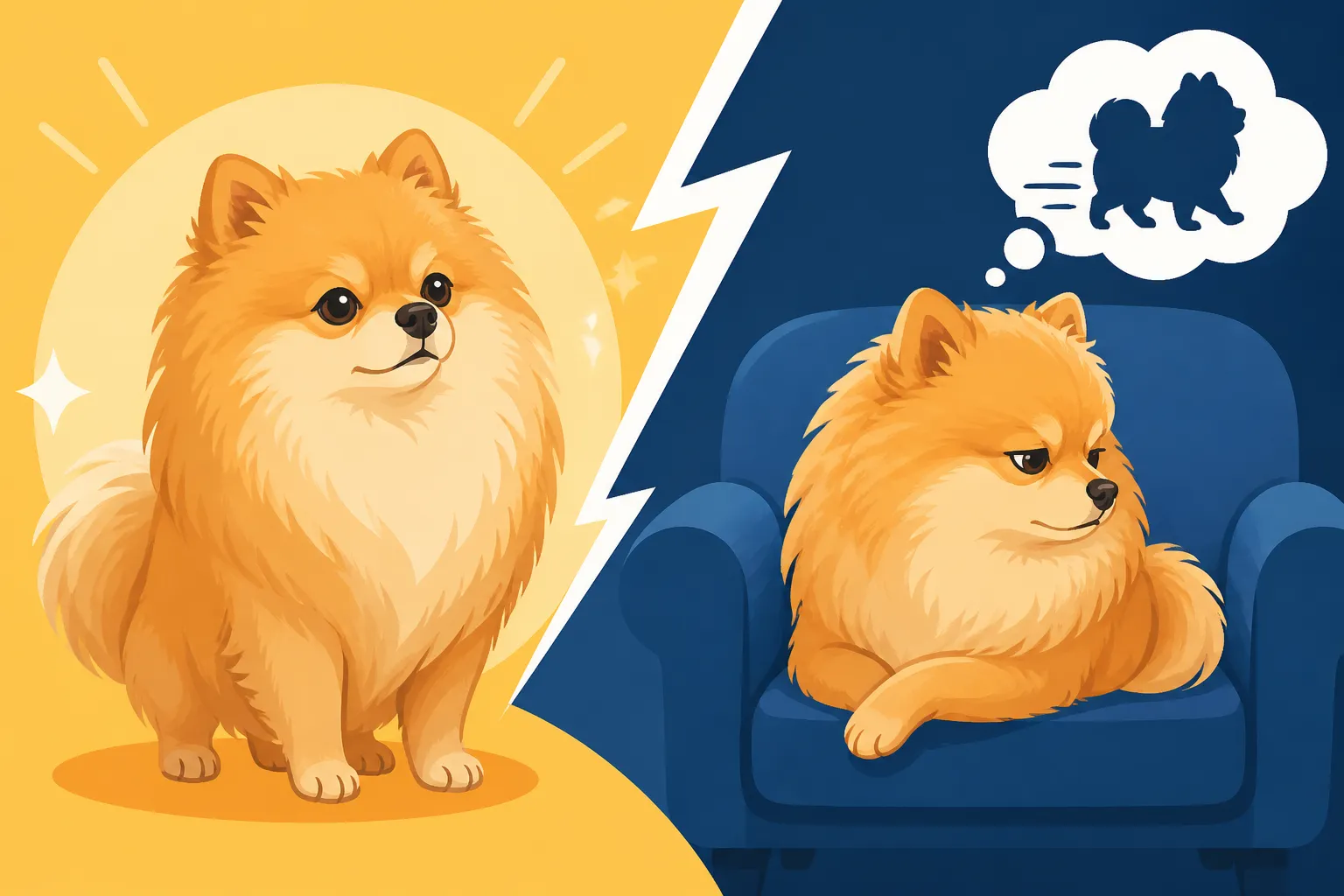
While centuries of selective breeding have dramatically reduced their size, the core psychological traits of their Spitz ancestors remain remarkably intact. Your Pomeranian still carries that genetic blueprint for independent thought, keen observation, and a certain degree of self-sufficiency. They are observant of their surroundings, quick to alert, and often possess a strong sense of self-preservation that might make them seem fearless, even when they’re tiny. This isn't naughtiness; it's instinct. They're not just cute; they're smart, resourceful, and capable of figuring things out on their own – which can be both a blessing and a "difficulty" depending on your perspective and training approach. Understanding this foundation is key to unlocking a more harmonious relationship with your furry companion.
When Independence Presents as "Difficulty" in Training and Daily Life
The independent nature of a Spitz breed like the Pomeranian often translates into behaviors that new owners perceive as "difficult" or "stubborn." They aren't trying to be defiant; they're simply operating from a different framework than, say, a Golden Retriever, who lives to please their person. For a Pomeranian, pleasing themselves often comes first, and if your request aligns with their self-interest, great! If not, you might find yourself negotiating with a very fluffy, very articulate little dog.
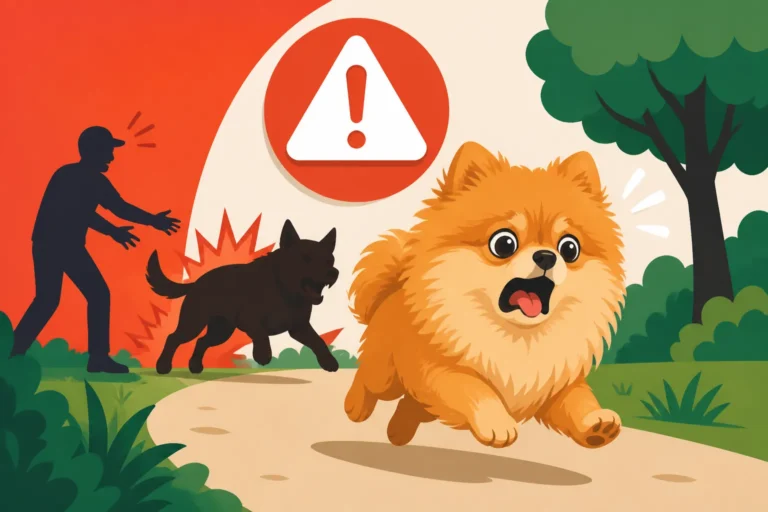
One of the most common manifestations of this independence is their vocal nature. Pomeranians are excellent alarm systems. Their ancestors needed to alert to intruders, predators, or changes in the environment, and your Pomeranian continues this tradition with gusto. The doorbell, a leaf blowing past the window, a squirrel darting across the yard – all these can trigger a cascade of barks. This isn't just noise; it’s their job, as they see it. Managing this means understanding that they're communicating, not just being annoying. Why a Pomeranian Barks at Everything That Moves dives deeper into this.
Another area where Spitz independence shines (or complicates things) is house training. While intelligent, Pomeranians can be notoriously slow to grasp the concept of designated potty areas. This isn't a lack of smarts; it's often a combination of factors, including their small bladder size and their inherent belief that if they can find a spot that smells right indoors, why go outside in the cold or wet? Many owners find that Why House Training a Pomeranian Drags On for longer than expected. They might also be less inclined to "hold it" just because you want them to, prioritizing their own comfort.
Furthermore, grooming can become a battleground. Their glorious double coat requires consistent care, but the independent Pomeranian may decide that standing still for brushing or nail trims is not on their agenda. This isn't just resistance; it's a small dog asserting control over their personal space. Getting a Pomeranian used to regular handling from a young age is crucial, turning it into a positive experience rather than a coercive one. Even simple commands might require more repetition and motivation than you’d expect from a dog so clever. They'll learn, but they'll often weigh the benefit to themselves before complying.
Strategies for Working With Your Pomeranian's Inner Wolf
Navigating the independent spirit of a Pomeranian requires a shift in perspective. Instead of trying to dominate or force them into compliance, think about collaborating with them. They respect fairness, consistency, and a clear understanding of what’s in it for them. You are their benevolent leader, not their dictator.
Positive Reinforcement is Your Best Friend
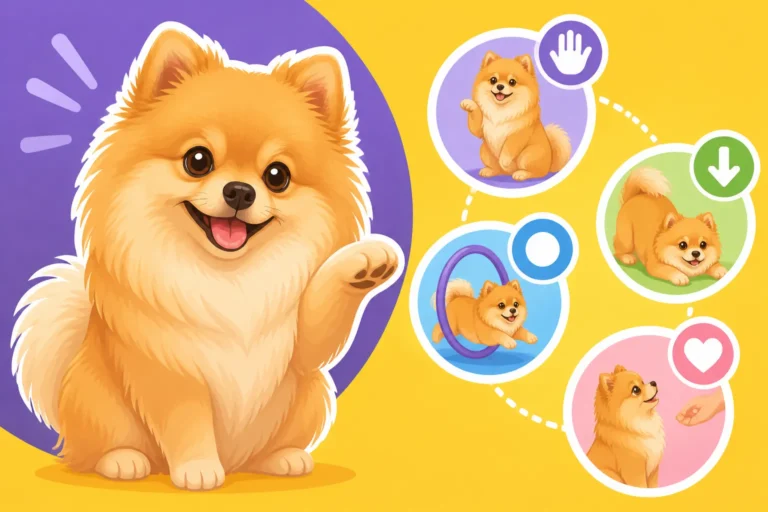
Forget harsh corrections or punishment; these approaches will only make an independent Pomeranian shut down, become fearful, or dig their heels in even deeper. Positive reinforcement, however, speaks their language. Find what truly motivates your Pomeranian. For some, it’s high-value treats (think tiny bits of cooked chicken or cheese). For others, it’s a favorite toy or a quick game of chase. The Reward a Pomeranian Actually Cares About explores this in detail. Once you know their currency, use it to reward desired behaviors immediately and consistently. This teaches them that your requests lead to their rewards, making compliance a desirable choice. This is also where you can look into resources like BAXTER & Bella, which offers online training programs that are fantastic for teaching positive reinforcement techniques and building a strong bond with your dog from the comfort of your home. They often have modules specifically addressing common "difficult" behaviors.
Consistency and Predictability Build Trust
Pomeranians thrive on routine and clear boundaries. If one day "sit" means a treat, and the next day it's ignored, your independent Pom will quickly learn that rules are flexible. Establish a consistent schedule for feeding, potty breaks, walks, and training sessions. Make sure every family member is on the same page with commands and expectations. When they know what to expect, they are less likely to test boundaries. This predictability builds trust, which is paramount for a dog that values its own decision-making.
Make Training a Game, Not a Chore
Because of their intelligence and independent nature, Pomeranians can get bored easily with repetitive, drill-like training. Keep training sessions short, fun, and engaging. Think of it less as "training" and more as "problem-solving together." Incorporate puzzle toys, hide-and-seek games with treats, or teach fun tricks that challenge their minds. Training Session Length for a Pomeranian suggests keeping sessions brief to maintain their focus. Using marker training, like a clicker, can also be incredibly effective for these smart little dogs, as it gives them very clear and immediate feedback. Whether Marker Training Holds a Pomeranian's Attention is a great resource to learn more about this.
Early Socialization and Exposure
An independent dog needs to be confident and well-adjusted in various environments. Early and positive socialization is critical for a Pomeranian puppy. Expose them to different sights, sounds, people, and other calm, vaccinated dogs from a young age. This helps them learn that the world isn’t a constant threat they need to bark at or be wary of. A well-socialized Pomeranian is often a much more adaptable and less "difficult" companion. Remember, The Weeks a Pomeranian Puppy Can Start Learning are incredibly formative for their future behavior.
Tailoring Your Approach: Tools and Resources for the Independent Pom
Dealing with a Pomeranian's Spitz independence often means having the right tools and knowing where to find help. It’s not about shortcuts, but about smart strategies that leverage their natural inclinations rather than fighting against them.
Essential Gear for the Independent Thinker
- Proper Harness: Due to their delicate windpipes, a well-fitting harness is absolutely essential, especially for walks. A harness that clips in the front can also help deter pulling, which an independent Pom might try if they’re determined to lead the way. Check out options on Amazon that are specifically designed for small breeds and prioritize neck safety. Harnesses Fitted for a Pomeranian's Windpipe provides excellent guidance on selection.
- Interactive Toys and Puzzle Feeders: These are a godsend for keeping an intelligent Pomeranian mentally stimulated. They appeal to their natural problem-solving abilities and can prevent boredom-related "difficult" behaviors like excessive barking or destructive chewing. Think snuffle mats, treat-dispensing balls, or toys that require them to figure out how to get a reward. Amazon has a vast selection of these types of toys suitable for small breeds.
- Crate or Playpen: For house training or safe confinement, a small, comfortable crate or a secure playpen is invaluable. This provides them with their own den, appealing to their ancestral need for a secure space, and aids in establishing routines for potty breaks. Teaching a Pomeranian to Settle in a Pen can help you introduce this positively.
Seeking Guidance and Education
Even the most experienced dog owners can benefit from external resources when tackling specific behavioral challenges posed by an independent breed.
| Approach | Description | Benefits for Independent Pomeranians |
|---|---|---|
| Positive Reinforcement Training Classes | Group classes or private sessions focusing on reward-based methods. Teaches basic commands, good manners, and addresses common issues like leash manners, recall, and barking. | Builds communication, makes learning fun, helps channel their intelligence, and often improves their desire to cooperate. |
| Online Training Programs | Self-paced courses or live virtual sessions, often with video tutorials and personalized feedback. BAXTER & Bella offers comprehensive online puppy and dog training programs that can be accessed anytime, anywhere. | Convenience, flexibility, tailored advice for unique challenges, often focuses on positive, relationship-building techniques crucial for Poms. |
| Behavioral Consultations | One-on-one sessions with a certified professional dog trainer or veterinary behaviorist for more complex issues like severe separation anxiety, aggression, or chronic barking that isn't responding to general training. | Provides expert analysis and customized behavior modification plans for deep-rooted problems related to their independent and sometimes anxious nature. |
| Breed-Specific Forums/Groups | Online communities or local clubs dedicated to Pomeranians. Owners share experiences, tips, and insights specific to the breed's unique traits and challenges. | Peer support, practical advice from those who "get" it, shared understanding of Spitz traits and how they affect behavior. |
Remember, the goal isn’t to break your Pomeranian’s independent spirit but to guide it. A Pomeranian that is understood and respected for their Spitz heritage, rather than constantly fought against, will be a much happier, better-adjusted, and ultimately, less "difficult" companion. When you learn to work with their innate intelligence and self-reliance, you'll discover a loyal, fascinating, and incredibly clever friend.
Disclaimer
This article is for general informational purposes only and does not constitute professional advice. Laws, prices and regulations vary by location and change over time. Consult a qualified professional for guidance on your specific situation.