Getting a Pomeranian Through an Exam Calmly
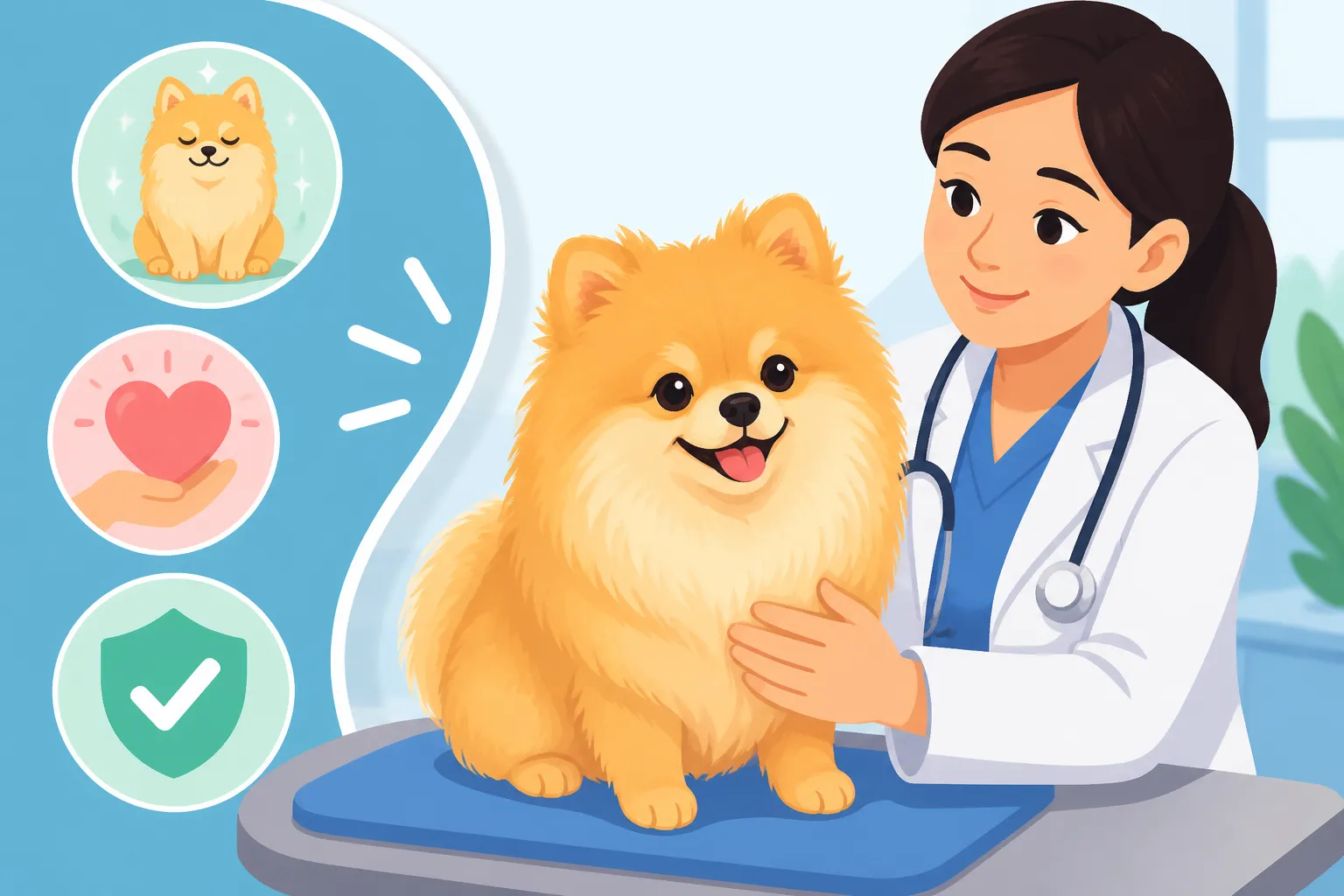
It’s a scenario so many of us Pomeranian parents have faced: trying to get our tiny, often anxious, fluffballs through a vet exam without a complete meltdown. The unfamiliar smells, the strange hands, the cold examination table – it’s all incredibly overwhelming for a little dog who often feels vulnerable. This guide will walk you through practical steps and long-term strategies to help your beloved Pom not just tolerate, but actually cope calmly, with their veterinary visits.
Understanding Why Vet Visits Are Stressful for Pomeranians
Before we can help our Poms, we need to genuinely understand their perspective. It’s not just about them being "difficult"; there are very real, often instinctual, reasons why the vet clinic can feel like a terrifying place for them.
The Small Size Factor
Imagine being scooped up by a giant, placed on a high, cold surface, and then poked and prodded. For a Pomeranian, who might weigh as little as three or four pounds, the world is already a giant place. Vets and vet techs, no matter how gentle, can seem enormous and intimidating. This feeling of being small and vulnerable is magnified in a clinical setting where they can’t easily escape or hide. Their natural defense mechanism is often to bark, shake, or even snap – not out of malice, but pure fear. It's an instinctual reaction to a perceived threat that they are powerless to control. They feel completely out of their element, and their tiny bodies don't offer much in the way of natural protection, making them keenly aware of potential danger.
Sensory Overload
The vet clinic isn’t just about the physical examination; it’s a full-on assault on a Pomeranian’s highly sensitive senses. Their noses, which are far more powerful than ours, pick up a myriad of alarming scents: disinfectant, other anxious animals, and even the pheromones released by fearful dogs. The sounds – barking from larger dogs, the whir of equipment, people talking – can be incredibly jarring to their acute hearing. Visually, they’re seeing strange faces, unfamiliar tools, and maybe even other animals that look menacing. All of these inputs combine to create a deeply unsettling environment. It's a cacophony of worry for them, and it’s no wonder they become overwhelmed. Just think about how you might feel in a noisy, crowded place when you're already stressed; now amplify that for a creature with heightened senses. Whether a Pomeranian Copes With Constant Noise can give you more insight into how sensitive their hearing truly is.
Previous Negative Experiences
Just like humans, dogs remember things. If your Pomeranian has had a particularly painful shot, an uncomfortable rectal temperature check, or a scary procedure during a previous visit, they will associate the vet clinic with those negative feelings. Even if a subsequent visit is just for a wellness check, their brain has already flagged the location as a place of potential discomfort or fear. This learned aversion can be incredibly strong and difficult to undo. It’s why starting positive associations early is so crucial, but also why extra patience and care are needed if you have a rescue or an older Pom with a history of bad experiences. Every unpleasant touch or loud noise can reinforce their belief that the vet is a place to be feared, making future visits even more challenging.
Early Socialization and Positive Associations
The foundation for calm vet visits is laid long before your Pomeranian actually needs a complex exam. Early, positive experiences are key, especially for puppies, but these techniques can also be adapted for adult dogs.
Puppy Visits for Fun
One of the best things you can do for a Pomeranian puppy is to make the vet's office a place of positive reinforcement, not just procedures. Before their first actual appointment, or between essential vaccine visits, take your puppy to the clinic just to say hello. Call ahead and ask if you can bring your puppy in for a "happy visit." The goal is simply to let them walk around the waiting room, receive some treats from the receptionist, maybe meet a friendly vet tech for a quick, gentle pet, and then leave. No pokes, no prods, just good vibes. This helps them associate the smells, sounds, and people of the clinic with pleasant experiences. You want them to think, "Oh, this place means treats and nice pats!" rather than "This place means pain!" These short, positive exposures are invaluable. During these early stages, remember that Vaccine Timing for a Very Small Pomeranian Puppy is critical, but so is building these positive associations around those necessary visits.
Handling and Body Conditioning at Home
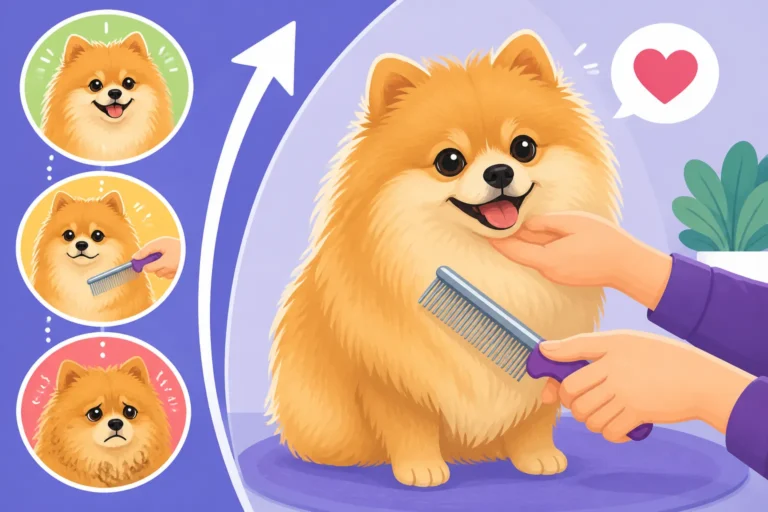
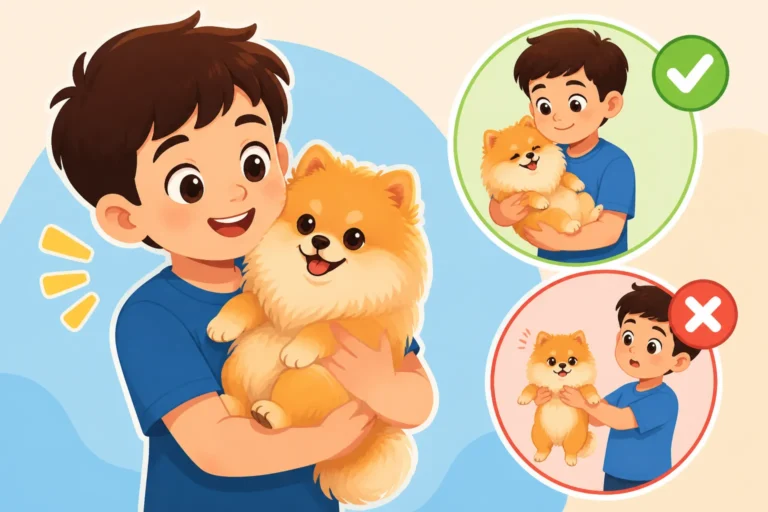
A huge part of a vet exam involves being touched in sensitive areas – ears, paws, mouth, tail, and abdomen. You can condition your Pomeranian to accept these touches calmly by practicing at home. Start early and make it a game. Gently touch their ears, look inside their mouth, lift their paws, and run your hands over their belly. Do this daily, for very short periods, always followed by lavish praise and high-value treats. The key is to make it a predictable, pleasant routine. If they flinch or pull away, stop immediately, give them a moment, and then try again more gently. Never force it. This teaches them that being handled is safe and even rewarding. It helps them build trust in you and prepares them for the inevitable handling by a vet. For more tips on this, read Teaching a Pomeranian to Be Picked Up Properly.
The Power of High-Value Treats
When it comes to training a Pomeranian, treats are your best friend, especially high-value ones. These aren’t just any treats; these are the absolute favorite, irresistible morsels that your Pom would do anything for. Think tiny pieces of cooked chicken, cheese, or specialized training treats that they rarely get otherwise. During your at-home handling sessions, and especially during vet visits, these treats become a powerful tool. Offer them continuously during any potentially uncomfortable part of the exam. If the vet is checking their teeth, pop a treat in their mouth. If they’re getting a shot, offer treats before, during, and after. The goal is to create such a strong positive association with the treats that it outweighs any negative feelings about the procedure. Many great training treats can be found on Amazon, making it easy to stock up on a variety of options to keep your Pom motivated. Understanding The Reward a Pomeranian Actually Cares About is crucial here; it’s not always the same for every dog!
Practical Tips for a Calm Vet Exam
Even with the best preparation, the actual vet exam can be a challenging moment. But there are specific things you can do before and during the appointment to make it as smooth as possible.
Choosing the Right Vet and Clinic Environment
Not all vet clinics are created equal, especially for small breeds like Pomeranians. When choosing a vet, look for a practice that is "fear-free" certified or at least highly attuned to minimizing stress for their patients. This often means separate waiting areas for cats and dogs, softer lighting, calming music, and staff trained in gentle handling techniques. Ask about their approach to anxious patients. Do they use pheromone diffusers? Are they willing to do exams on the floor if your Pom is more comfortable there, rather than a high table? A good vet will understand the unique needs of a tiny dog and be patient. Don't be afraid to interview clinics or observe their waiting room to see if it feels like a good fit for your sensitive companion. A small, quiet practice might be far better than a bustling, high-volume clinic.
Pre-Appointment Prep
The calmness starts at home. Try to make the car ride as stress-free as possible. Use a secure, comfortable carrier that your Pomeranian associates with positive experiences (perhaps they get treats in it at home). You can spray calming pheromones in the carrier about 15-20 minutes before leaving. Give your Pom a good, but not exhausting, potty break before you go, so they aren't fidgeting uncomfortably during the wait. If your Pom is prone to car sickness or extreme anxiety in the car, talk to your vet about anti-anxiety medication or motion sickness medication that can be given an hour or two before the appointment. Sometimes, a short walk or some indoor playtime can help burn off nervous energy before you head out. Whether a Pomeranian Gets Enough Exercise Indoors can guide you on appropriate activity levels.
During the Exam
Once you're at the clinic, try to maintain a calm demeanor yourself. Your Pomeranian picks up on your emotions, so if you're stressed, they will be too. Keep your voice low and reassuring. When it's time for the exam, don't just hand your Pom over; be an active participant in keeping them comfortable.
- Be the Handler: Offer to hold your Pomeranian yourself during parts of the exam, if the vet is comfortable with it. Your familiar touch can be incredibly reassuring.
- Treat Shower: Have those high-value treats ready! Continuously feed them during any potentially unpleasant procedure. If the vet is examining their ears, offer a treat. Getting a shot? Treat.
- Distraction: Gently talk to your Pom, offering praise and soft murmurs. A favorite small toy might also provide a distraction, though usually food is more effective.
- Breaks: Don't be afraid to ask for a short break if your Pom is becoming too stressed. A quick moment to settle or a chance to re-engage with treats can make a big difference.
- Muzzle Training: While it might seem scary, positive muzzle training can be incredibly beneficial for a dog who might snap when overwhelmed. A basket muzzle allows them to breathe, pant, and take treats, making it a safe option for vet visits if aggression is a concern. Train this at home with treats long before you need it. Online courses, like those from BAXTER & Bella, often have modules on conditioning for handling and vet visits.
- Body Language: Pay close attention to your Pomeranian’s body language. Are they lip-licking, yawning excessively, turning their head away, or stiffening? These are all signs of stress. Acknowledging these signs allows you to intervene, offer more comfort, or ask the vet for a pause. Recognizing a Hypoglycemic Pomeranian also covers stress responses, as stress can sometimes lead to blood sugar issues in vulnerable Poms.
Here’s a quick reference for common vet procedures and ways to help:
| Procedure | Pomeranian Reaction | Calming Strategy |
|---|---|---|
| Oral Exam | May resist opening mouth, head turns | Smear peanut butter/treat paste on the table, use small, high-value treats. |
| Ear Check | Head shakes, tries to pull away | Offer treats continuously; gently rub their chest while vet checks. |
| Injections/Vaccines | Jumps, yelps, tries to bite | Distract with a treat waterfall; hold securely but gently, praise throughout. |
| Nail Trims | Fear of clippers, pulls paw back | Practice at home with positive reinforcement; continuous treats. |
| Temperature Check | Dislikes tail lifted, sensitive | Offer a spoonful of wet food or favorite treat for licking distraction. |
| Abdominal Palpation | Tenses, moves away | Use a soft mat; gentle pats and treats while vet examines. |
Long-Term Strategies for Ongoing Calmness
Helping your Pomeranian tolerate vet visits isn't a one-and-done deal. It requires ongoing effort and consistency to maintain a positive outlook on handling and examinations throughout their lives.
Regular Gentle Handling
The practices you started in puppyhood should continue for your Pomeranian's entire life. Daily, short sessions of gentle handling – touching paws, looking in ears, feeling their belly – keep them accustomed to these sensations. It reinforces that these touches are not scary or painful when they come from you. Make it a bonding experience, not a chore. If you only handle them extensively when something is wrong, they’ll learn to dread it. Keep it fun, keep it light, and always use praise and a tiny treat. Consistency is the magic word here. Even a few minutes a day can make a world of difference in their overall comfort with being touched.
Practice "Vet Games" at Home
You can turn vet procedures into fun games at home. Pretend to check their ears, then give a treat. Gently touch their gums, then a treat. Lift their tail quickly, then a treat. You can even buy a toy stethoscope from Amazon or a pet store and let them sniff it, associating it with treats. This desensitization process helps them generalize positive feelings towards these actions, regardless of who is performing them. This isn't about fooling them, but rather about building resilience and a positive emotional response to similar actions. The BAXTER & Bella online training program for puppies often includes specific exercises for desensitizing dogs to handling, which can be immensely helpful for this purpose. Remember, Training Session Length for a Pomeranian should be short and sweet to keep their attention and motivation high.
Recognizing and Addressing Anxiety Signals
Learning your Pomeranian's specific anxiety signals is crucial. Some Poms might shake, others might yawn repeatedly, lick their lips, turn their head away, or even freeze. Some might try to hide behind your legs or climb onto your shoulder. Pay attention to these subtle cues. If you see them, it’s a sign that your Pom is starting to feel overwhelmed and needs intervention. This could mean stepping back, offering more treats, asking for a break, or simply changing the environment slightly. Early recognition allows you to de-escalate the situation before it becomes a full-blown panic attack or leads to defensive snapping. Knowing your dog inside and out is the best tool you have for helping them navigate stressful situations, whether it's at the vet or just meeting new people. Staying proactive about their comfort will make all the difference in building trust and promoting a calmer, happier Pomeranian. The Checkup Schedule a Pomeranian Should Keep will ensure you have regular opportunities to practice these skills with your vet.
Disclaimer
This article is for general informational purposes only and does not constitute professional advice. Laws, prices and regulations vary by location and change over time. Consult a qualified professional for guidance on your specific situation.