Whether Neutering Quiets a Pomeranian
Many Pomeranian owners find themselves wondering if their beloved, yet sometimes very vocal, companion might settle down a bit after being neutered. It's a common hope, especially when you're dealing with persistent barking or boundless energy. While neutering can absolutely bring about some positive changes in a male dog's behavior, hoping it will completely transform a naturally chatty Pomeranian into a silent shadow is usually a wish that doesn't quite come true. This guide will explore what behavioral changes you can realistically expect after neutering and offer strategies to manage vocalization, regardless of hormone levels.
Does Neutering Actually Quiet a Pomeranian? Dispelling the Myth
Let's cut right to the chase: neutering a male Pomeranian is unlikely to be a magic "off" switch for barking or a dramatic dampener on their overall energy. Pomeranians are, by their very nature, a vocal breed. They were historically bred as companion dogs and watchdogs, and their alert barking is an inherent part of their charm – or sometimes, their challenge!
When we talk about "quieting" a Pomeranian through neutering, we're often confusing behaviors that are hormone-driven with those that are instinctual, learned, or personality-based. While hormones certainly influence a dog's behavior, they don't dictate every action. A Pomeranian's tendency to alert bark at the mail carrier, the rustle of leaves outside, or even their own reflection is typically more tied to their Spitz heritage and keen senses than it is to the presence of testosterone. Expecting a fundamental change in their vocal nature post-surgery can lead to disappointment, so it's important to have realistic expectations from the outset.
The Limited Impact on Core Vocal Behaviors
For many male dogs, neutering primarily affects behaviors directly linked to sex hormones. This can include a reduction in roaming instinct if a female in heat is detected nearby, a decrease in certain types of aggression (especially male-on-male aggression), and a lessening of marking behavior. However, barking for attention, alarm barking, or even demand barking are generally not primarily driven by these hormones.
Think of it this way: a Pomeranian's barks are often their way of communicating. They might be saying, "Someone's at the door!" or "I'm bored!" or "Play with me!" or even "I heard something you didn't!" These messages stem from their instinct to guard their territory, their need for mental and physical stimulation, or simply their personality. Removing testosterone might subtly shift their internal motivation for some things, but it won't erase their fundamental communication style. If your Pomeranian barks because they are left alone too long, for example, then neutering won't change The Hours a Pomeranian Tolerates an Empty House and this behavior will likely continue.
Energy Levels and Playfulness Post-Surgery
Another common question is whether neutering will significantly reduce a Pomeranian's energy levels. Again, the answer is usually "not dramatically." While some owners report a slight mellowing effect, especially in very high-strung individuals, it's generally not a profound change. Pomeranians are energetic little dogs, full of life and zest, and this inherent playfulness and bounce are part of their breed characteristics.
Any perceived decrease in energy is often more related to the dog maturing, establishing a consistent routine, or even just the immediate recovery period after surgery. A puppy's boundless energy naturally wanes a bit as they move into adulthood, regardless of their neuter status. Maintaining a good exercise routine and providing plenty of mental stimulation will always be key to managing a Pomeranian's energy, whether they are intact or neutered.
Expected Behavioral Shifts Post-Neutering
While neutering might not make your Pomeranian quiet, it can certainly influence other aspects of their behavior in beneficial ways. These changes are typically more pronounced in behaviors directly related to hormones.
Reduction in Hormone-Driven Marking and Roaming
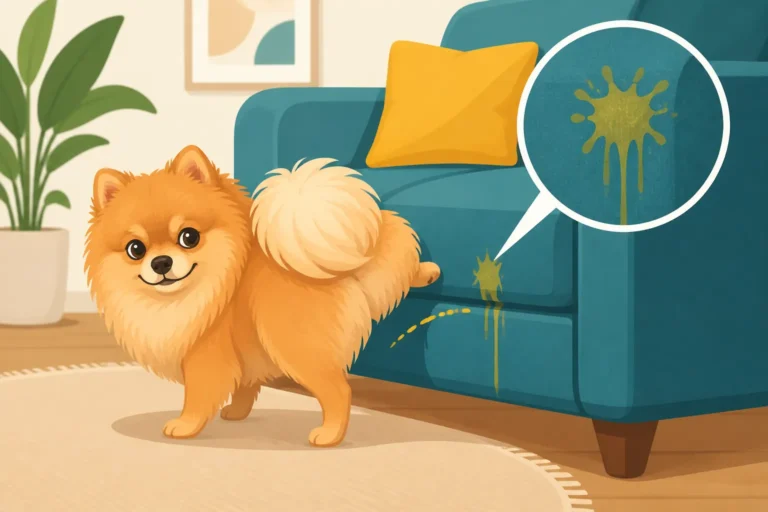
One of the most widely recognized benefits of neutering is the potential reduction or elimination of male marking behavior. Intact males are biologically driven to mark their territory with urine, which can be a significant house-training challenge, particularly for a small dog like a Pomeranian who can mark discreetly indoors. While some neutered males might still mark out of habit or anxiety, the strong hormonal urge often diminishes significantly. You might want to read more about Whether Neutering Ends a Pomeranian's Marking.
Similarly, the urge to roam in search of a mate is drastically reduced after neutering. An intact male Pomeranian might become incredibly determined to escape the yard if he senses a female in heat nearby, leading to dangerous situations. Neutering helps to alleviate this powerful instinct, making your dog generally more content to stay home.
Potential Impact on Certain Types of Aggression
Neutering can also have a positive effect on certain types of aggression, particularly those linked to male-on-male competition for mates or dominance displays. If your Pomeranian exhibits aggression towards other male dogs, neutering might help to lessen the intensity or frequency of these encounters. However, it's crucial to understand that aggression can stem from many sources – fear, territoriality, poor socialization, or pain – and not all forms of aggression are curable by neutering alone.
For example, a Pomeranian who is fearful of strangers and growls when approached might not change much after neutering, as that's a fear-based response, not a hormonal one. If your Pomeranian is prone to picking fights, especially with larger dogs despite their small size, exploring Why a Pomeranian Picks Fights It Cannot Win is important, and neutering can be one component of a broader behavior modification plan, but rarely a standalone solution. Always consult with your veterinarian and a professional dog trainer if you're dealing with aggression, as it requires a multi-faceted approach.
Other Subtle Behavioral Changes
Beyond marking, roaming, and some aggression, other more subtle shifts might be observed. Some owners report that their neutered males seem slightly more focused on their human companions, less distracted by environmental stimuli related to mating. This isn't a universal experience, and again, it's often hard to separate from the natural maturation process.
It's important to remember that every dog is an individual. While these are common trends, your Pomeranian might react differently. Genetic predispositions, early life experiences, socialization, and ongoing training all play massive roles in shaping a dog's personality and behavior, often far more than their hormonal status alone.
Here’s a quick overview of common male dog behaviors and the typical influence of neutering:
| Behavior | Primarily Hormone-Driven? | Typical Impact of Neutering |
|---|---|---|
| Excessive Barking | No | Minimal to none |
| Roaming/Escaping | Yes | Significant reduction |
| Urine Marking | Yes | Significant reduction |
| Male-on-male Aggression | Partially | Potential reduction |
| Humping/Mounting | Partially | Potential reduction |
| General Energy Levels | No | Minimal to none |
| Attention-Seeking | No | Minimal to none |
| Fear-based Aggression | No | Minimal to none |
Understanding the Roots of Pomeranian Vocalization
Since neutering isn't the primary answer to a vocal Pomeranian, it's helpful to understand why Pomeranians tend to be so talkative in the first place. Their vocal nature is a defining characteristic, and recognizing its roots is the first step toward effective management.
Breed Predisposition and Watchdog Instincts
Pomeranians descend from larger Spitz-type dogs that were often used as watchdogs and companions. That alert, watchful nature is deeply embedded in their DNA. They are quick to notice changes in their environment – a squirrel on the fence, a leaf blowing by, or someone approaching the door – and they feel it's their job to tell you about it. This isn't necessarily a bad thing; it's what makes them such effective little guardians!
However, this strong instinct means they can be prone to excessive barking if not managed. They have big personalities in tiny bodies, and they aren't shy about making their presence known. For insights into when this vocal behavior often starts, you might find The Age a Pomeranian Starts Alert Barking helpful. It's a natural part of their development, not a defect.
Environmental Triggers and Learned Behaviors
Beyond instinct, many Pomeranian barking habits are learned or triggered by their environment. If barking successfully gets them attention, food, or playtime, they will continue to do it. This is where we, as owners, inadvertently reinforce the behavior. A common scenario: your Pomeranian barks for your attention, you respond (even if it's to scold them), and they learn that barking works.
Environmental triggers are also huge. The doorbell, people walking past the window, sounds from the hallway if you live in an apartment – these are all potential barking cues. Your Pomeranian isn't trying to annoy you; they're reacting to stimuli and communicating what they perceive. Understanding these triggers is vital for implementing training strategies. Sometimes, the barking stems from a deeper place, such as anxiety or fear. For more on distinguishing between habits and underlying issues, consider reading Whether a Pomeranian Barks From Fear or Habit.
Boredom, Anxiety, and Lack of Stimulation
A bored Pomeranian is often a noisy Pomeranian. These intelligent and active little dogs need mental and physical stimulation to thrive. If they're left alone for long periods without adequate exercise, interactive toys, or enrichment, they can develop destructive habits, including excessive barking. Barking can be a way for them to express frustration, release pent-up energy, or simply seek attention because they have nothing else to do.
Separation anxiety is another significant cause of vocalization. A Pomeranian deeply bonded with its owner might panic when left alone, manifesting as incessant barking, howling, and even destructive behavior. In these cases, barking is a symptom of distress, not just a casual habit. Addressing the underlying anxiety is critical, and professional guidance is often necessary. Regular, structured playtime and mental challenges, using items found on platforms like Amazon, can help alleviate boredom.
Proactive Strategies for Managing a Vocal Pomeranian
Since neutering isn't the silver bullet for quieting your Pomeranian, focusing on consistent training, environmental management, and meeting their needs is paramount. These strategies work for any Pomeranian, regardless of their neuter status.
Consistent Training and Desensitization
The most effective way to manage a vocal Pomeranian is through consistent training. This involves teaching them when it's appropriate to bark (e.g., a few alert barks when someone comes to the door) and, more importantly, when to stop. A "quiet" command is invaluable. You can teach this by rewarding silence immediately after a bark, or by allowing a few barks at a trigger, then redirecting their attention and rewarding them for stopping. For a deep dive into this, check out Getting a Barking Pomeranian to Stop on Command.
Desensitization and counter-conditioning are also powerful tools, especially for trigger-based barking (like at the doorbell or people outside). This involves gradually exposing your Pomeranian to the trigger at a low intensity while simultaneously creating a positive association (e.g., treats, praise). For instance, play doorbell sounds at a very low volume and reward calm behavior. Slowly increase the volume over days or weeks. Companies like BAXTER & Bella offer excellent online training courses that can guide you through these techniques step-by-step, even for specific challenges like excessive barking.
Environmental Management and Enrichment
Managing your Pomeranian's environment can significantly reduce opportunities for unnecessary barking.
- Window access: If your Pomeranian barks at everything outside the window, consider using frosted film, curtains, or strategically placed furniture to block their view during certain times of the day.
- Sound management: A white noise machine or soft music can help muffle outside sounds that trigger barking.
- Safe spaces: Ensure your Pomeranian has a comfortable, quiet den or crate where they can retreat and feel secure, away from constant stimuli.
- Appropriate Harness: For a small dog prone to getting over-excited and pulling when vocalizing, a harness that doesn't put pressure on their delicate windpipe is crucial. A well-fitted, Y-front harness is often recommended over a collar, especially when you consider Why a Collar Threatens a Pomeranian's Windpipe. You can find many options on Amazon.
Enrichment is just as important. Provide plenty of mental and physical exercise daily. Daily walks, even short ones, are essential. Engage them with puzzle toys, interactive games, and short training sessions throughout the day. Pomeranians are smart and enjoy learning The Trick Titles a Pomeranian Picks Up Easily. A tired Pomeranian, both mentally and physically, is a much quieter Pomeranian. Rotating toys and introducing new challenges can keep them engaged and prevent boredom-induced barking.
Addressing Underlying Issues and Professional Help
If your Pomeranian's barking is severe, constant, or accompanied by other concerning behaviors (like destructive chewing, house soiling, or panic when left alone), it's crucial to rule out underlying medical or behavioral issues. A vet visit is always the first step to ensure there's no pain or illness contributing to the vocalization.
If medical causes are ruled out, consider consulting with a certified professional dog trainer or a veterinary behaviorist. They can help diagnose issues like separation anxiety, fear aggression, or resource guarding, and develop a tailored behavior modification plan. Sometimes, medication might be used in conjunction with behavior therapy for severe anxiety. Remember, consistent routine and a stable environment, as highlighted in The Routine a Pomeranian Needs Every Day, are foundational to addressing any behavioral challenge. Investing in professional guidance can make a world of difference for both you and your Pomeranian.
Disclaimer
This article is for general informational purposes only and does not constitute professional advice. Laws, prices and regulations vary by location and change over time. Consult a qualified professional for guidance on your specific situation.