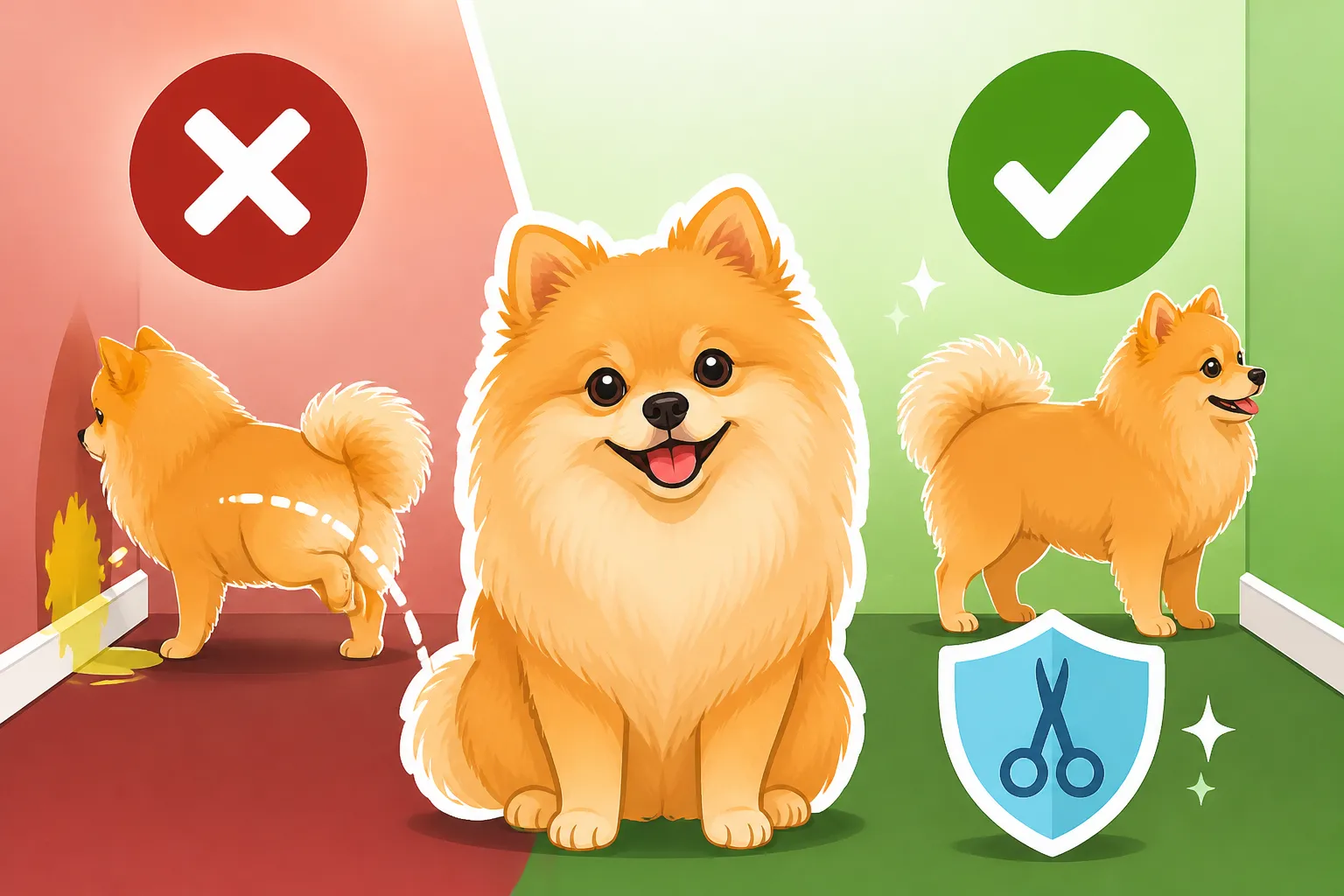
Whether Neutering Ends a Pomeranian’s Marking
One of the most frustrating and frankly, messy, challenges for many Pomeranian owners is dealing with urine marking inside the home. It’s disheartening to find your little puffball has lifted a leg on your furniture, a new rug, or even a guest’s coat, especially when you thought they were perfectly house-trained. For male Poms, in particular, the question often arises: will neutering finally put an end to this persistent marking behavior? It's a complex issue with no single, guaranteed answer, and this guide will dive deep into why Pomeranians mark, how neutering fits into the picture, and what else you can do to manage this common habit.
Understanding Why Pomeranians Mark in the First Place
Before we even talk about neutering, it's crucial to understand the "why" behind your Pomeranian's marking. It's not usually out of spite or a lack of understanding of house rules, but rather a deeply ingrained instinct. For these small but mighty dogs, their world is all about communication, and urine is a powerful tool in that regard.
The Instinctual Drive Behind Marking
Pomeranians, like all dogs, communicate a lot through scent. Urine marking is essentially a dog's way of leaving a message for other dogs – and sometimes, even for you. Think of it as their social media post or a classified ad saying, "I was here! This is my spot! I'm a boy Pom!" This behavior is deeply rooted in their ancestral instincts as territorial animals. They are declaring their presence and laying claim to their space, whether that's the living room couch or the favorite bush in the yard. The scent tells other dogs about their sex, reproductive status, and even their current emotional state. It's a complex chemical language that we humans often find inconvenient.
This instinctual drive is especially pronounced in intact (unneutered) male Pomeranians due to the influence of hormones like testosterone. They feel a stronger compulsion to advertise their presence to potential mates and to assert their territory against rivals, real or perceived. This means that new smells, like a visitor's shoes, a new piece of furniture, or even another pet's scent carried in from outdoors, can act as powerful triggers. When they lift a leg, they're typically depositing a small amount of urine, often high up on a vertical surface, to ensure the scent is at nose level for the next canine passerby.
Differentiating Marking from Other Accidents
It's really important to distinguish between genuine marking and a house-training accident caused by a full bladder or another underlying issue. A house-training accident usually involves a larger volume of urine, often released on a horizontal surface, because the dog simply couldn't hold it anymore. This might happen if they haven't been let out in a long time, if they're still a puppy learning the ropes, or if they have a medical condition causing incontinence. You might notice a large puddle on the floor or a damp spot on a carpet.
Marking, on the other hand, is generally characterized by smaller, strategic deposits. Your Pomeranian might sniff around intensely, then lift a leg – even just a tiny bit – and release a small stream of urine onto a vertical surface. This could be the leg of a chair, a wall, the base of a lamp, or even a stack of mail. The intent isn't to empty the bladder but to leave a scent message. If you notice these small, intentional sprays, particularly on new or interesting objects, it's very likely marking behavior. Sometimes, anxiety or stress can also lead to inappropriate urination that looks like marking but is more related to emotional distress than territorial claims. It’s crucial to observe the context and quantity to properly identify the behavior.
The Role of Hormones in Marking Behavior
When we talk about male Pomeranians and marking, it’s impossible to ignore the huge influence of hormones, particularly testosterone. These tiny dogs pack a powerful hormonal punch that drives many of their instinctual behaviors.
How Testosterone Influences Marking
Testosterone is the primary male sex hormone, and it's produced mainly in the testicles. In intact male dogs, this hormone plays a significant role in their desire to mark territory, especially once they reach sexual maturity. Think of it like a biological siren call that tells them to broadcast their presence. The higher the testosterone levels, generally the stronger the urge to mark. This hormone amplifies the dog's perception of their environment as something to be claimed and communicated about. It’s what drives them to assert themselves, whether that’s through barking, resource guarding, or, you guessed it, marking.
An intact male Pomeranian, even a tiny one, feels the pull to compete with other males and attract females. Marking is a key part of this ancient script. They’re not just peeing; they’re announcing their availability and dominance. This means that a walk around the block can become a reconnaissance mission where every lamppost, tree, and patch of grass is a potential canvas for their personal scent signature. Indoors, their home becomes their territory, and any new object or scent that enters it can be seen as an intrusion requiring a counter-message. This hormonal drive is often why house-training intact males can feel like an uphill battle, even if they understand the concept of going outside.
Why Neutering Can Help Reduce Marking
Neutering involves the surgical removal of a male dog's testicles, which are the primary source of testosterone. By eliminating this source, the hormone levels in the dog's body drop significantly. This reduction in testosterone can, and often does, lead to a decrease in the hormonal drive behind marking behavior. When that strong biological imperative to mark territory and advertise isn't constantly present, many male Pomeranians show a noticeable reduction in their inclination to lift a leg indoors or excessively outdoors.
For some Poms, neutering can be a real game-changer. Owners report that their once prolific marker stops almost entirely after the procedure. This is particularly true if the dog is neutered at a younger age, before marking behaviors become deeply entrenched habits. When the hormonal urge is removed early, the dog doesn't have as much time to "practice" the behavior and build a strong association with marking. However, it's really important to set realistic expectations. While neutering removes the hormonal trigger, it doesn't instantly erase learned behaviors or address anxiety-related marking. It’s a powerful step, but often just one part of the solution. If a Pomeranian has been marking for years, the behavior might have become a habit that requires more than just a surgical fix.
What to Expect After Neutering: Realistic Outcomes
When you decide to neuter your Pomeranian, it’s natural to hope for a clear outcome, especially concerning marking. But the truth is, the results can vary quite a bit from one dog to another.
The Likelihood of Marking Reduction
Many owners report a significant reduction in marking behavior after their male Pomeranian is neutered. Studies and anecdotal evidence suggest that around 50-60% of male dogs show a decrease in marking, with some sources even claiming higher percentages. The key factor here often seems to be the age at which the dog is neutered. Dogs neutered before they reach full sexual maturity or before marking becomes a long-standing habit tend to have a much higher success rate in stopping or significantly reducing the behavior. If your Pom is still quite young when you decide to neuter him, you stand a better chance of nipping the problem in the bud.
However, it's not a guaranteed fix for everyone. For some Pomeranians, even with the hormonal influence gone, the behavior might persist. This can be incredibly frustrating when you’ve invested in the procedure with the hope of a cleaner home. It's vital to understand that while hormones initiate and fuel marking, the behavior can quickly become a learned response or a habit that's hard to break, especially if it’s been going on for a while. Imagine trying to quit a habit you've had for years; it takes more than just removing the initial trigger. Each Pomeranian is an individual, and their unique temperament, past experiences, and environment all play a role in how they respond to neutering.
When Marking Continues Post-Neutering
It can be incredibly disheartening when you’ve neutered your Pomeranian, and the marking continues. If your Pom is still lifting his leg indoors after the surgery, it usually points to a few possibilities that have little to do with hormones anymore. The most common reason is that the marking has become a deeply ingrained habit. Your dog has been practicing this behavior, perhaps for months or years, and it's now a part of his routine when he encounters certain triggers. He's developed muscle memory and a behavioral pattern that doesn't just disappear overnight, even without the hormonal push.
Another significant factor can be anxiety or stress. A Pomeranian who marks due to feeling insecure, overwhelmed by new people or objects, or anxious about being left alone might continue to do so. The act of marking, for these dogs, isn't just about territory; it's a coping mechanism. Signs a Pomeranian Has Separation Anxiety can often manifest as inappropriate urination, including marking. If your Pom is rehomed, for example, the stress of a new environment can trigger marking, regardless of neuter status. Settling a Rehomed Adult Pomeranian might involve addressing this specific issue.
Environmental triggers also remain powerful. If your Pomeranian smells another dog's urine (perhaps from a visiting pet or even carried in on your shoes), he might still feel compelled to "over-mark" that spot. Cleanliness is paramount here. Any residual scent can invite further marking. This is why thorough cleaning of any accident spots, both before and after neutering, is absolutely critical to break the cycle.
Strategies to Manage Marking, Even After Neutering
So, your Pomeranian is neutered, but the marking persists. Don't despair! While neutering addresses the hormonal component, managing marking often requires a multi-pronged approach that tackles the behavioral and environmental aspects head-on.
Reinforcing House Training Basics
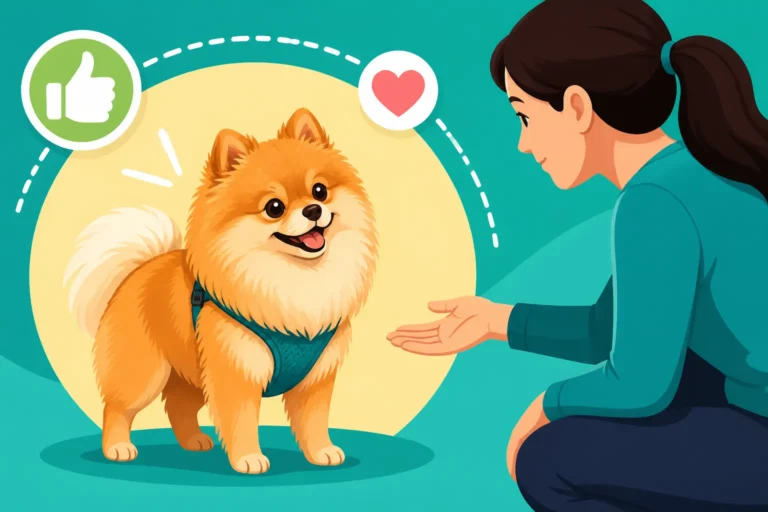
Even if your Pomeranian was once perfectly house-trained, if marking has become an issue, it’s time to go back to basics. Treat him like a brand-new puppy learning to potty outside. This means frequent, scheduled potty breaks, especially after waking up, eating, and playing. Take him to the exact spot you want him to use, and when he goes, lavish him with praise and high-value treats. Be consistent, and don't give him opportunities to mark inside. If you see him sniffing suspiciously or posturing, immediately interrupt him with a cheerful clap or vocalization and whisk him outside.
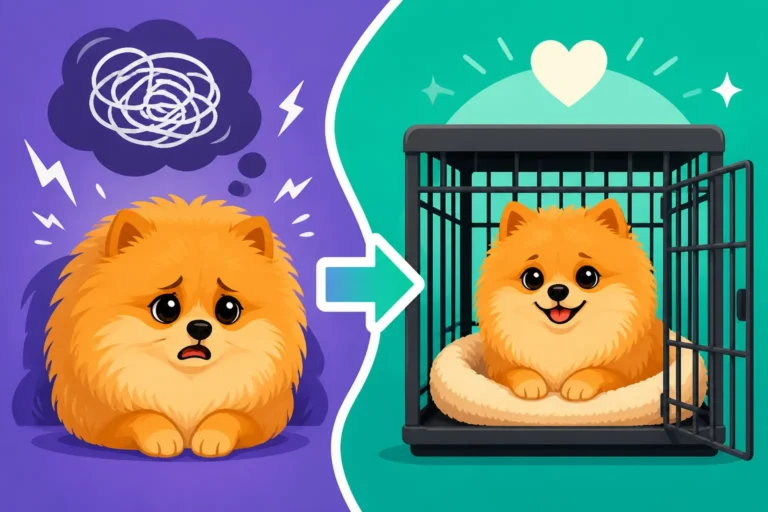
Supervision is key during this phase. If you can’t actively watch your Pom, consider crating him or confining him to a small, pet-proof area where he’s less likely to mark. A dog is less likely to soil his own sleeping space. For a deep dive into establishing a solid routine, you might find guidance in How Many Weeks House Training a Pomeranian Takes.
Perhaps the most crucial aspect of managing existing marking is thorough cleaning. Dogs are drawn back to areas where they can smell previous urine. Standard household cleaners might remove the visual stain, but they often leave behind the enzymatic scent that only a dog can detect. You need an enzymatic cleaner specifically designed to break down urine odors. Follow the product instructions carefully, allowing it to soak and air dry to completely neutralize the scent. Without this step, you're essentially leaving a "mark here" sign for your Pom.
Addressing Behavioral and Environmental Triggers
If your Pomeranian continues to mark after neutering, it's very likely that underlying behavioral or environmental factors are at play. Often, anxiety or stress is a big culprit. A nervous Pomeranian might mark to relieve stress or to create a "comfort zone" of his own scent. Things like changes in routine, new furniture, house guests, or even loud noises can trigger this. For a Pom that struggles with being alone, he could be exhibiting marking as part of his distress. Establishing a predictable routine, providing a safe den (like a crate), and offering calming chews or supplements can sometimes help.
Managing exposure to other dogs' scents is also crucial. If you walk your Pomeranian and he sniffs a spot where another dog has marked, he's likely to feel compelled to over-mark it. Indoors, if you have other pets or frequently have visitors with pets, those scents can be powerful triggers. Clean anything a visiting pet has touched. For Pomeranians who mark out of habit or territoriality, consider using a belly band indoors. These are wraps that go around your male dog's waist, covering his genitals, and typically have an absorbent pad inside. They don't stop the urge to mark, but they catch the urine, preventing damage to your home and breaking the cycle of scent reinforcement. You can find various options on platforms like Amazon. While they're not a training solution, they can be a lifesaver for protecting your home while you work on the underlying behavior. If your once-reliable Pom is suddenly having accidents, reading A House Trained Pomeranian That Starts Having Accidents might offer additional insights into identifying the root cause.
Training and Professional Guidance
Consistent, positive reinforcement training is essential. You want to make going potty outside the most rewarding activity ever. When your Pomeranian eliminates appropriately, make it a party! High-value treats, enthusiastic praise, and maybe even a quick game of fetch can reinforce the desired behavior. Never punish your dog for marking; this can actually increase anxiety and make the problem worse. They don't understand why they're being punished, only that you are unpredictable.
If you’re struggling to make progress on your own, don’t hesitate to seek professional help. A certified professional dog trainer or a veterinary behaviorist can help you identify the specific triggers for your Pomeranian's marking and develop a tailored behavior modification plan. They can provide strategies for managing anxiety, improving communication, and reinforcing appropriate toileting. Online resources, such as those offered by BAXTER & Bella, can also provide structured guidance and support for training challenges, often with virtual consultations or courses that might be helpful. Sometimes, a fresh pair of eyes and expert knowledge can make all the difference. For more intensive or complex cases, Whether a Pomeranian Needs a Private Trainer discusses the benefits of one-on-one help. Remember, while neutering can significantly reduce the urge to mark, it’s often a combination of surgery, diligent house-training reinforcement, environmental management, and behavioral intervention that truly resolves the issue of marking in Pomeranians. It's about helping your little guy understand the rules of your house, not just the rules of the dog world.
| Factor | Intact Male Pomeranian | Neutered Male Pomeranian (Post-Surgery) |
|---|---|---|
| Primary Marking Drive | Strong, hormonally driven | Significantly reduced or absent |
| Territorial Urges | High, strong need to claim space | Lower, less intense need to assert |
| Scent Communication | Actively seeking to leave messages | Less driven to communicate via urine |
| Response to Other Dog Scents | Very high compulsion to over-mark | Lower compulsion, but still possible habit |
| Likelihood of Indoor Marking | High, especially with new triggers | Reduced, but can persist if habitual/anxious |
| Impact of Early Neutering | N/A | Generally leads to better outcomes |
| Behavioral Habits | Can become ingrained over time | May persist as a learned habit |
| Anxiety-Related Marking | Possible | Still possible, unrelated to hormones |
Disclaimer
This article is for general informational purposes only and does not constitute professional advice. Laws, prices and regulations vary by location and change over time. Consult a qualified professional for guidance on your specific situation.