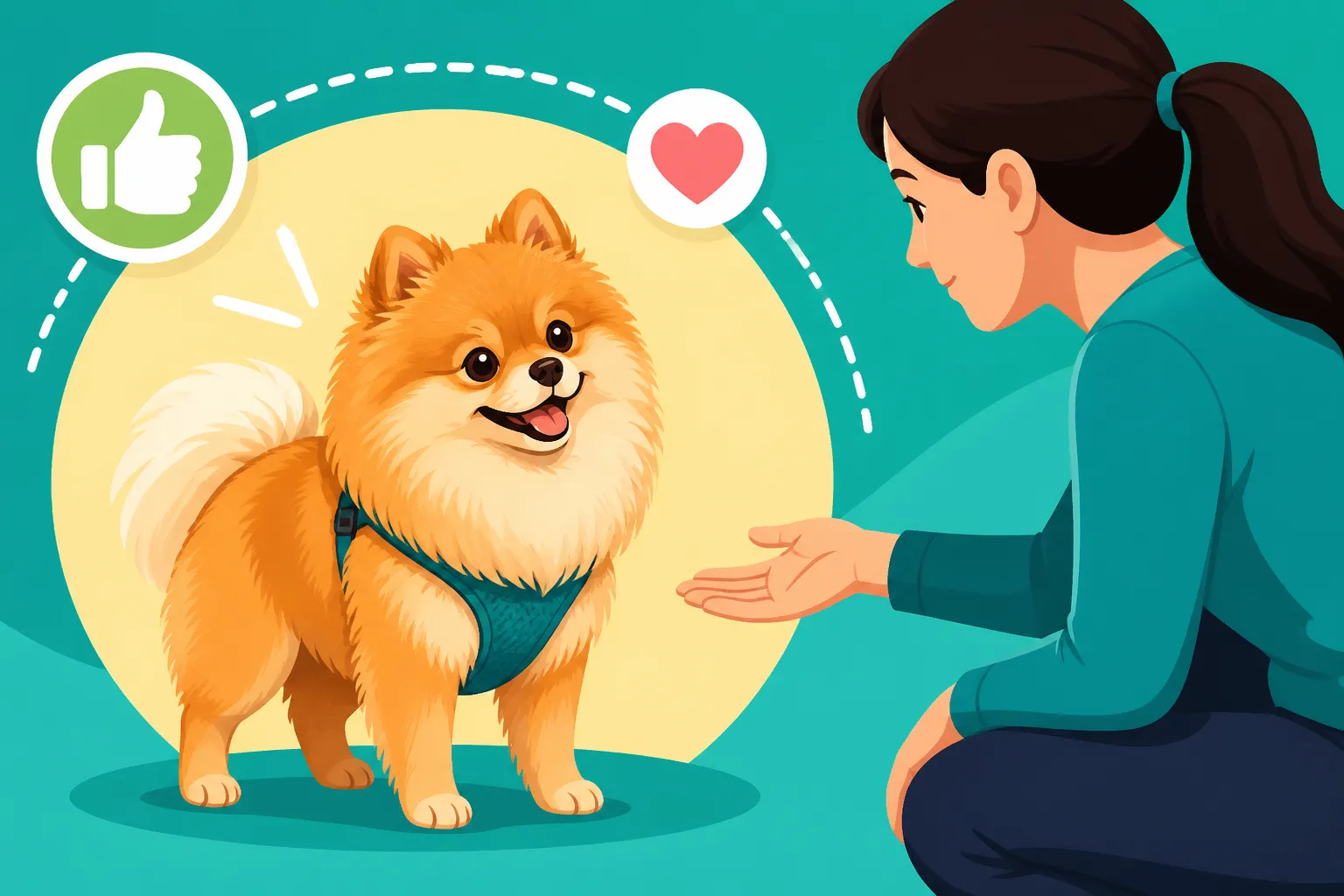
Teaching a Pomeranian to Be Approached
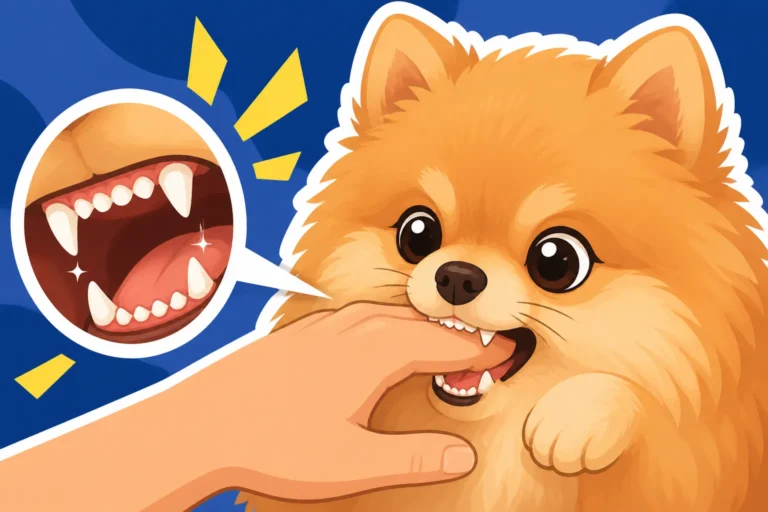
It’s incredibly disheartening when your sweet little Pomeranian, the fluffy companion you adore, suddenly becomes a tiny ball of nerves or even a snappy terror when someone new tries to approach. You just want your Pom to be friendly and comfortable, not to cower or bark aggressively every time a guest extends a hand or a child gets too close. This guide is dedicated to helping you teach your Pomeranian to accept approaches gracefully, building their confidence and ensuring everyone can enjoy their charming presence safely.
Understanding Why Pomeranians Can Be Wary of Approaches
Before we can even begin to teach our Poms to be more accepting, we need to truly understand why they might be hesitant or defensive in the first place. It's not usually out of malice; it's almost always rooted in fear, insecurity, or a lack of understanding about human behavior.
The Small Dog Syndrome Misconception
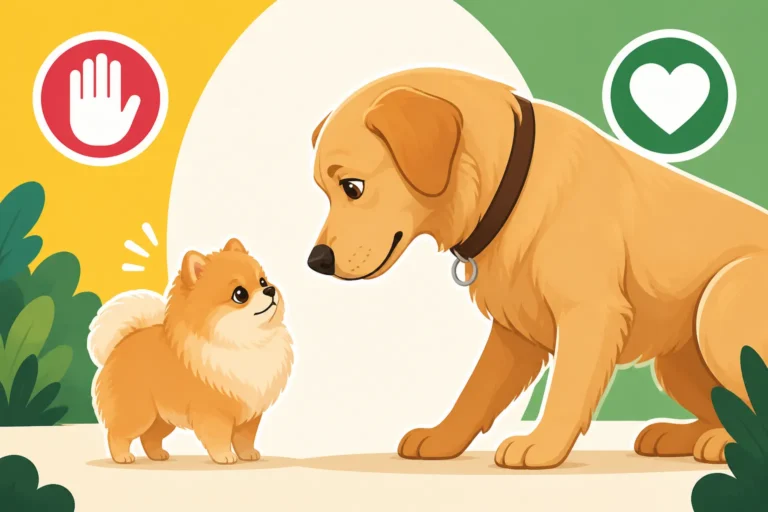
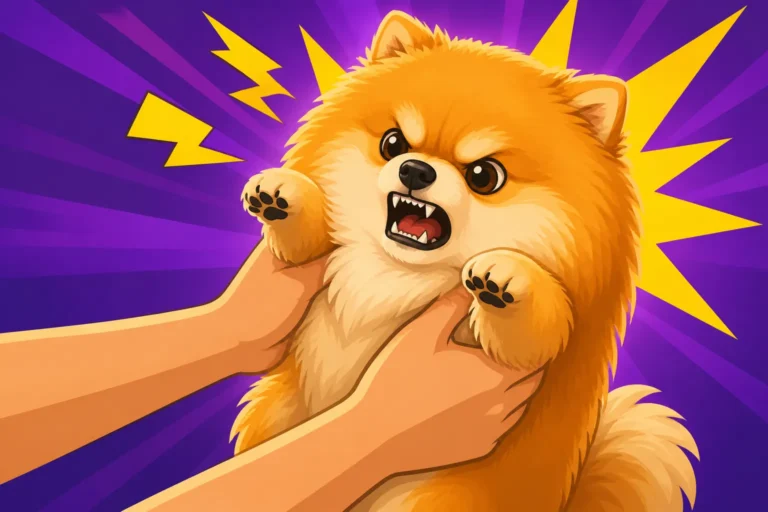
Many people casually dismiss a small dog's nipping or barking as "small dog syndrome," almost as if it's an inherent flaw. However, this isn't a medical condition or an unavoidable personality trait; it's often a learned behavior or a reaction born from a dog's real perception of threat. Imagine being only a few pounds, looking up at a giant human hand coming towards you. What might feel like a gentle pet to us could easily feel like an impending pounce or a grasping threat to a tiny Pomeranian. Their small stature, while endearing, can make the world a very intimidating place, leading to a natural inclination to defend themselves or create distance.
It's also crucial to consider how we, as owners, might inadvertently contribute to this. If we frequently scoop our Pomeranian up whenever a stranger approaches, we're essentially teaching them that strangers are something to be feared and that we will protect them from this perceived danger. While well-intentioned, this reinforces their anxiety rather than helping them build confidence. It creates a cycle where the dog never learns to cope independently because they rely on us to remove them from uncomfortable situations. Over time, this can even lead to resource guarding of their owner, where they snap at anyone who dares to come between them and their perceived protector.
The Impact of Early Socialization (Or Lack Thereof)
The early weeks and months of a Pomeranian's life are absolutely critical for their development, particularly when it comes to socialization. This isn't just about meeting other dogs; it’s about positive exposure to a wide variety of sights, sounds, smells, people, and experiences. A puppy who was raised in an isolated environment, perhaps in a backyard breeder's setup or a quiet home without many visitors, might grow into an adult who views anything new as alarming. They haven't had the opportunity to learn that different people come in all shapes and sizes, wear various hats, carry bags, or move in unexpected ways, and that most of these variations are completely benign.
If a Pomeranian puppy wasn't gently introduced to different people – men with beards, women with loud laughs, children, people wearing hats or sunglasses – during their prime socialization window (roughly 3 to 16 weeks), they might develop a fear response later in life. This fear can manifest as barking, growling, lunging, or even attempts to bite when approached. It's not that they're "mean"; it's that they literally haven't learned how to process these novel stimuli as non-threatening. This lack of early exposure sets them up for a lifetime of anxiety around new people, making the simple act of a guest coming over a source of immense stress for both the dog and the owner. The Week a Pomeranian Puppy Can Start Learning is a valuable resource for understanding this crucial period.
Foundation Training: Building Trust and Positive Associations
The cornerstone of teaching your Pomeranian to be approached calmly is building a strong foundation of trust and associating human interaction with positive outcomes. This means making sure they feel safe and secure, and that they understand that good things happen when people are near.
Creating a Safe Space and Predictable Routine
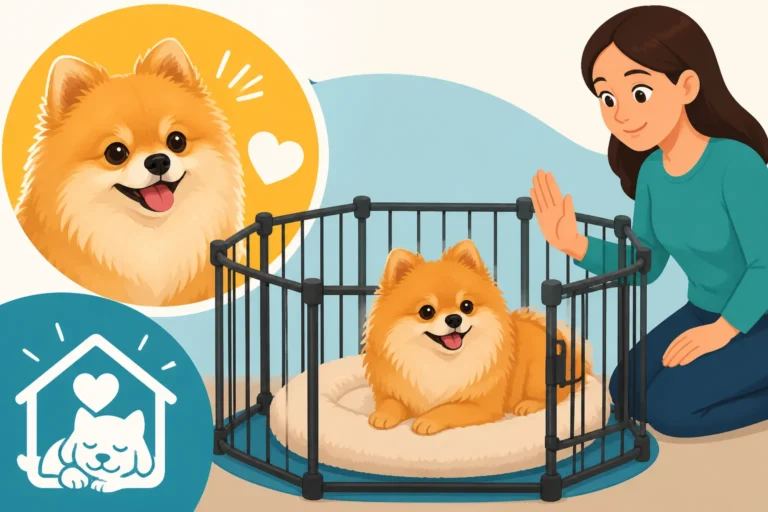
Just like people, Pomeranians thrive on routine and predictability. A secure, comfortable den area – whether it's a crate, a designated bed, or a cozy corner in a quiet room – gives your Pom a retreat when they feel overwhelmed. This is their safe haven, a place where they know they won't be bothered and where they can decompress. Teaching them to "go to their place" on command can be incredibly useful when guests arrive, allowing them to observe from a distance until they feel more confident.
Beyond a physical safe space, a predictable daily routine contributes significantly to a Pomeranian's sense of security. Knowing when they'll eat, go for walks, and have playtime reduces anxiety. When a dog feels generally calm and secure in their environment, they're much more receptive to learning and less likely to react negatively to new stimuli. It's about minimizing overall stress so they have the emotional bandwidth to handle novel situations, like someone new approaching them. This routine provides a mental framework that tells them, "The world is an orderly place, and you are safe."
Positive Reinforcement and Desensitization Techniques
Positive reinforcement is your best friend when addressing approach-related anxiety. Every time your Pomeranian calmly tolerates someone nearby or takes a treat from a new person, that's a win! You want to associate approaches with super high-value rewards – think tiny pieces of cooked chicken, cheese, or their absolute favorite soft treats. The key is to make these treats only available during these training scenarios. This creates a powerful connection: person approaches = amazing food appears. The Reward a Pomeranian Actually Cares About can help you identify their absolute favorites.
Desensitization means gradually exposing your Pomeranian to approaches, starting at a distance where they are still comfortable and slowly decreasing that distance over time.
Here’s a practical approach:
- Start far away: Have a friend or family member stand across the room, far enough away that your Pomeranian notices them but doesn't react with fear or aggression.
- Observe and reward: As long as your Pom remains calm, offer them a steady stream of high-value treats. The person doesn't approach further at this point. They are just a distant, treat-bringing presence.
- Gradual decrease in distance: Over multiple sessions, slowly have the person take a step or two closer. If your Pom shows any signs of stress (tail tucked, ears back, stiff body, growling), the person is too close, and you need to increase the distance again. This is about tiny, imperceptible steps.
- Practice stillness: Once the person can be a few feet away without your Pom reacting, have them just stand still and speak calmly, tossing treats to your Pom. They aren't reaching out yet.
- Small movements: Then, they can try a small, slow movement, like slowly lowering their hand to their side, still tossing treats. The goal is to keep your Pomeranian below their "threshold" of fear.
This process takes patience, but it's incredibly effective because it systematically rewires your Pomeranian's emotional response from fear to anticipation of good things.
Gradual Exposure: Controlled Encounters
Once your Pomeranian understands the basics of positive reinforcement and can tolerate people at a distance, it's time to engineer controlled encounters that build their confidence in a structured way. This isn't about throwing them into the deep end; it’s about carefully managing every step of the interaction.
The "Look and Treat" Game
The "Look and Treat" game is a fantastic way to change your Pomeranian's emotional response to people. The goal is to teach your Pom that seeing a person (especially a new person) is a cue for something wonderful to happen.
Here's how to play:
- Spot the person: As soon as your Pomeranian notices a person (even if they're still far away), mark the moment with a verbal cue like "Yes!" or a clicker, then immediately give them a high-value treat. Do this before they have a chance to react negatively (bark, cower, etc.).
- Repeat: Keep repeating this. Person appears, "Yes!", treat. Person appears, "Yes!", treat. Your Pomeranian will quickly start looking at you for a treat as soon as they see a person, rather than focusing on the person with anxiety.
- Increase proximity: Gradually, have the "approacher" get a little closer, always ensuring your Pom is still looking to you for the reward and not showing signs of stress. This technique helps your Pom develop a positive conditioned emotional response. It redirects their attention and shifts their internal state from "danger!" to "treat time!"
You can find clickers and treat pouches on Amazon to make this process smoother and more consistent. Consistency is key, and this game can be played anywhere you encounter people, from walks in the park to friends visiting your home.
Approaching Safely: Best Practices for Humans
It's not just about what your Pomeranian does; it's also about teaching humans how to approach them respectfully. Often, people approach small dogs in ways that are intimidating: leaning over them, making direct eye contact, or reaching out quickly. These are all perceived as threatening gestures by many dogs, especially those who are already a bit wary.
Here are the best practices for anyone approaching your Pomeranian:
- Avoid direct eye contact: Staring can be seen as a challenge.
- Approach from the side, not head-on: A direct approach can feel confrontational.
- Kneel or squat down: This reduces your perceived size and makes you less intimidating. Do not loom over them.
- Offer a closed fist, palm down, for sniffing: This is less threatening than an open hand, and allows the dog to initiate contact.
- Let the dog come to them: Never force an interaction. If the Pom doesn't approach, that's okay. Respect their space.
- Speak softly and calmly: Avoid loud voices or sudden movements.
- Use treats: If you're working on desensitization, have the person gently toss a treat near the Pomeranian, rather than directly offering it from their hand at first.
By teaching people these polite ways to interact, you're setting your Pomeranian up for success and minimizing potential triggers. It's about advocating for your dog and creating a positive, safe experience for everyone involved.
Handling Approaches from Strangers and Children
The real test often comes with unpredictable approaches from strangers or the enthusiastic, sometimes clumsy, movements of children. These situations require careful management and ongoing training.
Managing Greetings with New People
When it comes to new people, the goal is always to control the environment as much as possible, especially in the early stages of training.
Here's a strategy:
- Prep your visitor: Before a new person enters your home, briefly explain your Pomeranian's sensitivity. Ask them to ignore your dog initially, to avoid eye contact, and to not try to pet them. Have some high-value treats ready.
- Controlled entry: When the visitor arrives, keep your Pomeranian on a leash or behind a baby gate in their safe space. Allow them to observe the new person from a distance while you calmly chat with your guest.
- "Magnet Hand" exercise: Once your Pom seems settled, have your guest sit down. Give them a few high-value treats to hold in a closed fist at their side. Ask them to completely ignore your dog. Let your Pom approach the "magnet hand" if they choose, sniffing and taking treats when offered. The hand should only open if the dog is sniffing it calmly. The human should still not initiate petting.
- Gradual petting: Only after several successful, calm interactions where your Pom willingly takes treats and seems relaxed, can the guest try a gentle, slow pet under the chin or on the chest (areas less vulnerable than the top of the head). If your Pom shows any discomfort, stop immediately.
Remember, every step is about choice and positive association for your Pomeranian. If they feel pressured, they will retreat or react. Consistency in this method will slowly build their confidence that new people are a source of good things, not threats.
Introducing Your Pomeranian to Children
Children, with their boundless energy and unpredictable movements, can be particularly challenging for small, wary dogs. It's crucial to prioritize safety for both the child and the Pomeranian. A Pomeranian in a House With Small Children delves deeper into general integration.
Here’s how to manage interactions:
- Supervision is paramount: Never, ever leave a Pomeranian unsupervised with a child, even for a second. Accidents can happen quickly.
- Teach the child: Before any interaction, teach the child how to approach a dog politely: no running, no screaming, no sudden movements, no grabbing, no hugging. Show them how to offer a gentle, open hand (palm down) for sniffing, and how to pet softly on the back (if the dog is receptive) rather than the head or face. Explain that the dog needs space.
- Controlled environment: Keep your Pomeranian on a leash or in a playpen during initial introductions. Let them observe the child from a distance, rewarding calm behavior.
- Treat tossing game: Have the child gently toss treats away from themselves towards the Pomeranian. This allows the Pom to associate the child with positive things without direct, potentially overwhelming, contact. It also teaches the child gentle interaction and keeps hands safe.
- Respect boundaries: Teach children to recognize when a dog wants to be left alone (turning away, yawning, licking lips, growling). If your Pomeranian retreats to their safe space, that's their signal, and it must be respected. This is also where a program like BAXTER & Bella can be incredibly helpful, as they often have specific modules on child-dog interactions, guiding you through the necessary steps to ensure safety and comfort for both parties. Why a Toddler Can Injure a Pomeranian by Accident offers more vital information.
It’s a slow process, but it’s about creating positive, managed experiences that build trust over time, ensuring your Pomeranian learns to view children as gentle treat-givers rather than scary, unpredictable beings.
| Interaction Type | Recommended Human Approach | Pomeranian Behavior Goal | Key Tool/Strategy |
|---|---|---|---|
| Distant Observation | Ignore dog, speak calmly, minimal movement | Calm observation, no reaction | High-value treats, safe space |
| Slight Proximity | Sit/squat, side-on, no eye contact, closed fist | Calm curiosity, voluntary sniffing | "Look and Treat" game, leash/gate |
| Gentle Interaction | Offer treats gently, slow petting (chin/chest) | Relaxed acceptance, seeking contact | "Magnet Hand," supervised petting |
| Child Interaction | Supervised, slow movements, treat tossing | Tolerant, calm engagement | Teach child polite interaction |
Addressing Specific Challenges and Setbacks
Even with the best intentions and consistent training, you might hit some bumps in the road. It's important to recognize common challenges and have strategies to address them without losing momentum or patience.
Dealing with Growling or Snapping
If your Pomeranian growls or snaps when approached, it’s not aggression for aggression’s sake; it’s a desperate attempt to communicate fear or discomfort. Punishing a growl or snap is counterproductive and dangerous. A growl is a warning. If you punish the warning, your dog might learn to skip the warning and go straight to biting.
Instead, when a growl or snap occurs:
- Immediate distance: The moment your Pomeranian growls or snaps, the person should immediately and calmly move away. This teaches your Pom that their communication worked – they got what they wanted (space) without escalation.
- Evaluate the trigger: What specifically caused the reaction? Was it direct eye contact, a quick movement, someone reaching over their head, or an unknown object? Identify the trigger so you can avoid it in future sessions and re-evaluate your distance and pacing.
- Go back a step: Return to a level of proximity or interaction where your Pom was comfortable. You moved too fast. The goal is to always stay below their threshold. This means more desensitization, more "Look and Treat" at a greater distance.
- Consult a professional: If growling or snapping is persistent or severe, especially if it happens without clear warning, it's crucial to consult a certified professional dog trainer or veterinary behaviorist. They can assess the situation more deeply and provide tailored guidance. A Pomeranian That Growls at Visiting Kids might offer more context.
Never view a growl as a personal affront. It’s valuable information about your dog’s emotional state. Respect it, and adjust your training approach accordingly. Whether Corrections Backfire on a Pomeranian explains why punishment is detrimental.
When Your Pomeranian is Overwhelmed
Pomeranians, being small and sensitive, can easily become overwhelmed by too much stimulation – a busy environment, too many people, or prolonged interaction. Recognizing the signs of an overwhelmed Pom is crucial to preventing meltdowns or negative associations.
Signs of an overwhelmed Pomeranian include:
- Yawning repeatedly (when not tired)
- Licking lips frequently
- Turning head away or avoiding eye contact
- "Whale eye" (showing the whites of their eyes)
- Excessive panting (when not hot or exercised)
- Suddenly sniffing the ground intently
- Pacing or trying to hide
- Tucked tail or flattened ears
If you see these signs, it's time to intervene:
- Remove from situation: Immediately and calmly take your Pomeranian to their safe space or a quieter area.
- Allow decompression: Give them time to relax and decompress. Don't force further interaction.
- Re-evaluate: For future sessions, reduce the intensity, duration, or proximity of the interaction. Maybe only one person approaches at a time, or the session is much shorter. It's better to have several short, positive experiences than one long, overwhelming one.
- Build independence: Encourage activities that build confidence without constant human interaction, such as puzzle toys or supervised exploration in a secure yard. This helps them learn to cope with their environment more independently. Building a Pomeranian's Independence is a good resource here.
Remember, patience is a virtue in training. Pushing a dog past their comfort zone too quickly will only create setbacks and potentially deepen their fear.
Maintaining Progress and Reinforcing Good Behavior
Training is never a "one and done" deal. For your Pomeranian to truly thrive and remain comfortable with approaches, ongoing maintenance and consistent reinforcement are essential.
Continued Socialization in Varied Environments
Even after your Pomeranian has made significant progress, it's important to continue positive, controlled socialization experiences. This doesn't mean daily trips to a crowded dog park (which can be overwhelming for many small breeds like Poms anyway!), but rather thoughtful exposure to different people and places.
Consider:
- Different types of people: Continue introducing them to people of different ages, genders, appearances (hats, glasses, loud voices), and with different gaits.
- Varied settings: Practice in different environments – a quiet park, a friend's home, a pet-friendly store during off-peak hours. Each new setting presents new sights, sounds, and smells, which helps generalize their learning.
- Short, positive encounters: Keep interactions brief and always end on a positive note, before your Pom gets tired or overwhelmed. Always have those high-value treats on hand to reward calm behavior.
The more positive experiences your Pomeranian has with a variety of people in various situations, the more resilient and confident they will become. This continuous exposure prevents regression and reinforces their understanding that most approaches are benign and can even lead to good things. Think of it like a muscle – if you don't use it, you lose it.
Advocating for Your Pomeranian
As their guardian, you are your Pomeranian's strongest advocate. This means setting boundaries with others and ensuring your dog's comfort and safety always come first.
- Politely decline: It's okay to say "no" if someone asks to pet your Pomeranian and you know your dog isn't comfortable, or if you're in a training session. A simple, "He's in training, please give him space," or "She's not keen on strangers right now, but thank you," is perfectly acceptable.
- Wear a "Do Not Pet" vest (if needed): For particularly anxious Pomeranians, a vest that says "In Training" or "Do Not Pet" can be a helpful visual cue for strangers, reducing unwanted approaches and the need for you to constantly intervene verbally. These are easily found online, including on Amazon.
- Educate friends and family: Remind your close circle about the best ways to approach your Pom, especially if you've been working on specific triggers. Consistency from everyone makes a huge difference.
Your role as an advocate is to protect your Pomeranian from uncomfortable or frightening interactions, which in turn reinforces their trust in you and helps them feel more secure in the world. This firm, yet gentle, boundary-setting can make all the difference in your Pom's journey to accepting approaches with grace and confidence. Ultimately, you're teaching them that they can rely on you to manage interactions and keep them safe, fostering a deeper bond and greater peace of mind for everyone.
Disclaimer
This article is for general informational purposes only and does not constitute professional advice. Laws, prices and regulations vary by location and change over time. Consult a qualified professional for guidance on your specific situation.