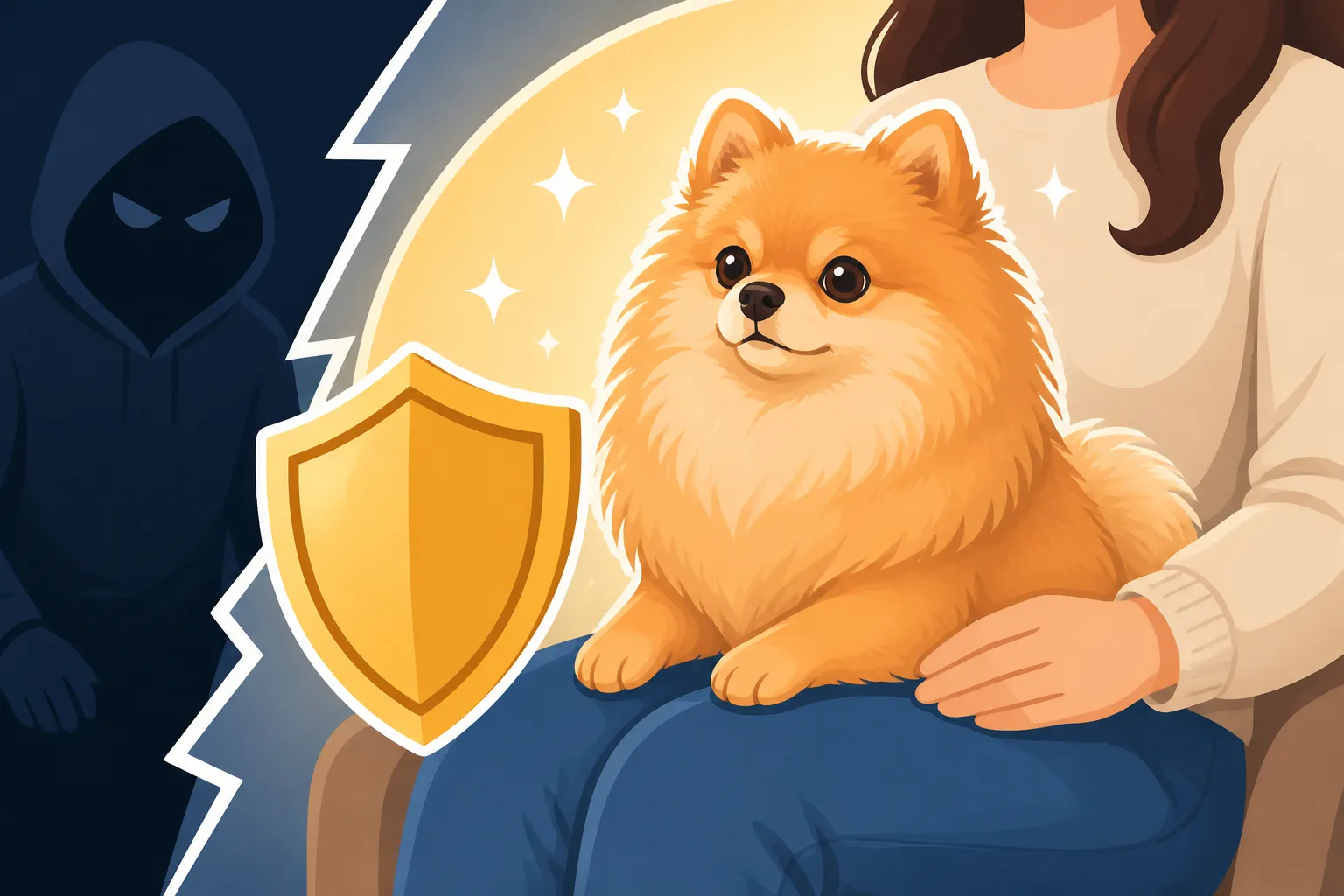
Whether a Pomeranian Guards Its Owner’s Lap
It can be quite bewildering and honestly, a little frustrating, when your adorable, fluffy Pomeranian decides your lap is its personal fortress, growling and snapping at anyone who dares approach. Many Pomeranian owners find themselves navigating this tricky behavior, wondering if it's just a "Pom thing" or something they can actually address. This guide is here to shed light on why your tiny companion might be guarding your lap, how to recognize the subtle (and not-so-subtle) signs, and most importantly, how to gently and effectively manage this protective instinct so everyone in your home can feel comfortable and safe.
Understanding the Roots of Lap Guarding in Pomeranians
Lap guarding, a form of resource guarding, is a common behavioral issue in many dog breeds, and our small but mighty Pomeranians are certainly not exempt. While it might seem like a sudden, aggressive outburst, it's often rooted in a mix of instinct, early experiences, and sometimes, unintentional reinforcement. Understanding these underlying factors is the first step toward compassionately addressing the behavior. It's not about your Pom being "naughty," but about a deep-seated feeling they're trying to communicate.
Instinctual Drives and Learned Behaviors
At its core, resource guarding is a natural canine behavior. In the wild, animals protect valuable resources—food, mates, territory—to survive. For a domesticated dog, especially one as cherished as a Pomeranian, your lap can become one of the most valuable resources of all. It's a warm, safe, high-value spot that provides comfort, attention, and security. When your Pom perceives a threat to this resource, even if it's just your partner reaching for the remote or a child wanting a hug, their instinct kicks in to protect it.
Beyond instinct, learned behaviors play a huge role. If your Pomeranian has, in the past, successfully "warned off" someone with a growl or a snap and gained more space or retained their prized spot on your lap, they've learned that this behavior "works." They've been inadvertently taught that aggression is an effective communication tool for getting what they want. This can escalate over time if not addressed, becoming a more entrenched habit.
The Role of Personality and Early Experiences
Pomeranians, with their bold, confident, and sometimes feisty personalities, can be particularly prone to developing guarding behaviors. They often have a "big dog in a small body" mentality, not hesitating to stand their ground. While this assertiveness is part of their charm, it can also manifest as guarding if not channeled appropriately. A Pom who feels insecure, perhaps due to a lack of early socialization or previous negative experiences, might cling even more tightly to their perceived "safe space" on your lap.
Early experiences, or the lack thereof, can significantly contribute to these issues. A puppy not exposed to a variety of people, sounds, and situations might grow up feeling anxious or overly protective. Similarly, if a puppy was constantly picked up and passed around without choice, or felt their space invaded, they might develop an aversion to hands reaching for them, leading to guarding as a defensive mechanism. This is why proper socialization, even for a tiny Pom, is absolutely crucial.
Decoding Your Pomeranian's Lap Guarding Signals
It's easy to focus on the big, dramatic behaviors like a snarl or a bite, but Pomeranians, like all dogs, give off a host of subtle signals long before they escalate to aggression. Learning to read these early warning signs is vital. It allows you to intervene before the situation becomes tense or dangerous, and it helps you understand what your furry friend is trying to tell you.
Subtle Cues and Body Language
Before your Pomeranian growls, snaps, or bites, they'll often display a range of more subtle body language cues. These can be incredibly easy to miss if you're not paying close attention, especially with a dog as fluffy as a Pom. Look for signs like a stiffening body, a hard stare, or a slight shift in their weight as if bracing themselves. Their ears might flatten slightly back, or their mouth might close tightly, perhaps even showing a very slight wrinkle at the top of their muzzle. Sometimes, they'll give a low, rumbling growl that's barely audible.
Another common subtle cue is a "whale eye" – when your Pomeranian turns its head away, but its eyes are still fixed on the perceived threat, showing the whites of their eyes. This indicates extreme discomfort and a feeling of being trapped or threatened. They might also quickly lick their lips, yawn when not tired, or turn their head away from someone approaching. These are all signs your Pomeranian is feeling anxious and wants more space, long before any overt aggression. Understanding these signs can help you prevent the situation from escalating.
Escalation and Overt Displays
If the subtle warnings are ignored or not understood, your Pomeranian will likely escalate their communication. This is when the behaviors become more obvious and concerning. You might see a more pronounced growl, baring of teeth, a quick snap into the air (a "air snap"), or even a lunge. These are clear, undeniable statements that your Pomeranian feels highly threatened and is willing to defend its spot.
The escalation isn't always linear. Sometimes, a very anxious or fearful Pomeranian might skip some of the subtle cues and go straight to a more overt display if they feel cornered or have learned that only extreme measures get results. It's crucial to remember that a dog resorting to a bite is usually a last resort, indicating they felt all other attempts to communicate their discomfort failed. This is why addressing the issue early, when only subtle cues are present, is always the safest and most effective approach for everyone involved. Recognizing a Hypoglycemic Pomeranian might also involve changes in behavior, but guarding is distinct from a medical emergency.
Behavioral Cues Table
| Cue Type | Subtle Signals (Early Warning) | Overt Displays (Escalated Warning) | Underlying Emotion/Goal |
|---|---|---|---|
| Body | Stiffening, leaning away, lip licking, yawning | Lunging, biting, snapping, trembling | Anxiety, discomfort, desire for space |
| Eyes | Whale eye (whites of eyes showing), hard stare | Wide eyes, focused glare | Fear, threat perception, readiness to defend |
| Ears/Mouth | Ears slightly back, mouth tight/closed | Ears flattened, teeth bared, snarling | Stress, warning, intention to protect |
| Vocalization | Low growl, soft grumble | Loud growl, bark, snap, yelp (if bitten) | "Stay away," "This is mine," "I feel unsafe" |
| Movement | Shifting weight, freezing | Lunging forward, nipping, attempting to bite | Defending resource, creating distance |
The Ripple Effect: How Lap Guarding Impacts Your Home Life
A Pomeranian that guards your lap can create a surprising amount of stress and disruption in a household. What starts as a seemingly minor behavioral quirk can quickly erode trust, create tension, and even pose safety risks, particularly in homes with children or multiple pets. It's important to recognize the broader implications of this behavior, not just for the dog, but for every member of the family.
Safety Concerns and Family Dynamics
The most immediate and pressing concern with lap guarding is safety. While a Pomeranian is small, a bite can still be painful and, if it breaks the skin, can lead to infection. More importantly, consistent guarding behavior can lead to a loss of trust between the dog and other family members. Children, especially, might not understand why the family pet suddenly growls at them, leading to fear or resentment. This can unfortunately be exacerbated if a toddler tries to approach the dog, as Why a Toddler Can Injure a Pomeranian by Accident highlights the delicate nature of interactions between small dogs and young children.
Family dynamics inevitably suffer. One family member might feel "held hostage" by the dog, unable to move freely or interact with loved ones without risking a growl. Other family members might feel excluded or resentful that they can't simply pet their dog when it's on someone's lap. This creates an environment of walking on eggshells, which is far from ideal for a harmonious home. The joy of having a pet can be overshadowed by constant vigilance and anxiety.
Social Isolation and Missed Opportunities
Beyond the home, a lap-guarding Pomeranian can become socially isolated. If they growl or snap at guests who try to interact with them, visits become difficult. Friends and family might hesitate to come over, or you might feel compelled to crate your dog every time visitors arrive. This limits your Pomeranian's exposure to new people and positive experiences, potentially worsening their anxiety and guarding tendencies over time.
Furthermore, it can mean missed opportunities for your Pomeranian to engage in normal, healthy dog activities. Imagine wanting to take your Pom to a pet-friendly cafe or a friend's house, but you're constantly worried about them reacting aggressively if someone tries to pet them while they're sitting with you. This can severely restrict your lifestyle and your dog's, preventing them from enjoying a full and enriching life. It’s important for a Pomeranian to be comfortable in various settings, which is often a goal of training programs.
Gentle Solutions for Managing and Preventing Lap Guarding
Addressing lap guarding requires a gentle, consistent, and positive reinforcement approach. It's not about punishing your Pomeranian for growling, as that can suppress warnings and lead to bites without prior notice. Instead, it's about changing their emotional response to perceived threats and teaching them alternative, more appropriate behaviors. This often involves a combination of management, desensitization, and counter-conditioning.
Proactive Management and Boundary Setting
The first and most crucial step is to prevent the guarding behavior from happening in the first place. This means proactive management. If your Pomeranian guards your lap, don't allow them on your lap when you anticipate guests or when other family members want to sit nearby. Instead, provide them with their own high-value, comfortable bed or mat nearby where they can relax safely and observe without feeling the need to guard. This teaches them that comfort and security aren't exclusively tied to your lap.
Establishing clear boundaries is also important. Use baby gates to create physical barriers if necessary, especially if you have children. You can find a variety of reliable baby gates on platforms like Amazon that can help manage access. When you want your Pomeranian to be on your lap, make it an invitation, not a given right. Call them up, let them enjoy the time, and then periodically have them get down for a treat or a brief interaction with another family member. This breaks the cycle of constant occupation and gives them the understanding that the "lap resource" is not permanently theirs. Remember, Teaching a Pomeranian to Be Picked Up Properly is a related skill that can help with management.
Desensitization and Counter-Conditioning Techniques
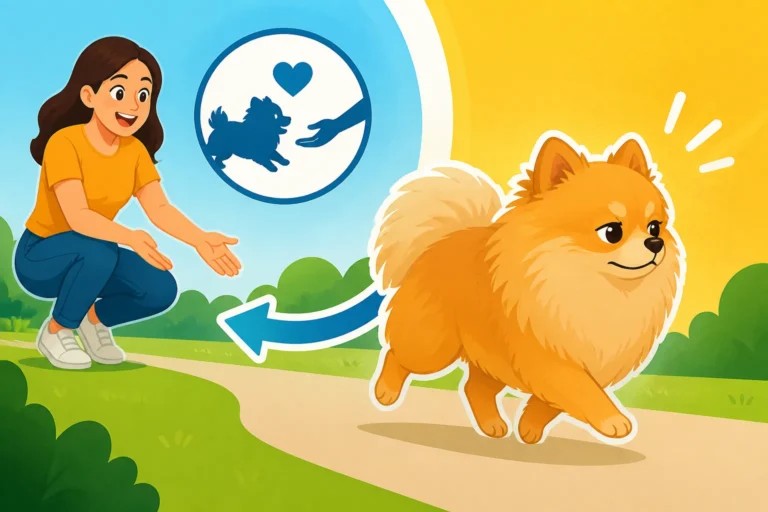
Once you have management in place, you can start working on changing your Pomeranian's emotional association with people approaching your lap. This is where desensitization and counter-conditioning come in. Start by having another family member approach from a distance while your Pom is on your lap, but before they show any guarding signs. As they approach, calmly drop a very high-value treat (like a tiny piece of chicken or cheese) to your Pomeranian. The goal is for your Pom to associate the approaching person with something wonderful happening.
Gradually, over many sessions and days, the person can get a little closer, always pairing their approach with a delicious treat. If your Pomeranian shows any signs of discomfort (the subtle cues we discussed earlier), the person should back away immediately, and you should reassess the distance. You never want to push your Pom past their comfort threshold. The online puppy school BAXTER & Bella offers detailed modules on handling resource guarding and building positive associations, which can be an excellent structured resource for these techniques. Consistent, positive reinforcement is key to success.
Training Alternative Behaviors
While you're working on desensitization, it's also helpful to teach your Pomeranian alternative, incompatible behaviors. For example, teach them a strong "place" command, where they go to their bed or mat and stay there. Practice this away from your lap, rewarding heavily. Then, gradually introduce distractions, eventually practicing it when you're sitting on the couch and someone is approaching. The idea is that they learn to go to their designated spot when someone approaches, rather than guarding your lap.
Another useful behavior is a "four paws on the floor" command. Reward your Pomeranian whenever they greet someone with all four paws on the ground, rather than jumping up or getting agitated while on your lap. You can also work on building their confidence through other training, like Tricks a Pomeranian Learns Quickly, which can give them a sense of control and accomplishment, reducing their overall anxiety and need to guard. This comprehensive approach empowers your Pom to make better choices and reduces their reliance on guarding.
When to Call in the Pros: Seeking Expert Help
While many cases of mild lap guarding can be managed with consistent home training and management, there are times when it's absolutely essential to bring in a professional. Knowing when to seek expert help is crucial for both your safety and your Pomeranian's well-being. Don't feel like a failure if you need professional guidance; behavior modification can be complex, and a qualified expert can provide invaluable support.
Escalating Aggression or Bite Incidents
If your Pomeranian's lap guarding has escalated to overt aggression—snarling, lunging, or especially biting—it's time to call a professional. Even if the bites are minor nips, any incident where your dog makes contact with teeth is a serious warning sign that needs immediate attention from a qualified expert. This isn't a behavior you should try to "fix" on your own, as mishandling it could make the situation worse and increase the risk of more serious injury.
A certified professional dog trainer, particularly one specializing in positive reinforcement and fear-free methods, or a veterinary behaviorist, can accurately assess the root cause of the aggression. They can develop a personalized behavior modification plan that addresses your Pomeranian's specific needs and ensures the safety of everyone in the household. These professionals have the knowledge and experience to guide you through complex behavioral issues effectively. It's similar to needing an expert for serious health issues, like understanding The Heart Defect Found in Pomeranian Puppies.
Feeling Overwhelmed or Stuck
Sometimes, even if the aggression isn't extreme, you might simply feel overwhelmed, frustrated, or stuck. You might have tried various techniques, but your Pomeranian's behavior isn't improving, or perhaps it's even getting worse. This is a perfectly valid reason to seek professional help. Behavior modification takes time, patience, and consistency, and it's okay to admit you need an expert to help you navigate the process.
A professional can offer a fresh perspective, identify subtle triggers you might be missing, and fine-tune your approach. They can teach you the correct timing for rewards, how to properly read your dog's body language, and how to structure your training sessions for maximum effectiveness. Many trainers offer virtual consultations, making it easier to get help no matter where you are. Investing in professional guidance is investing in a peaceful future for you and your beloved Pomeranian.
Disclaimer
This article is for general informational purposes only and does not constitute professional advice. Laws, prices and regulations vary by location and change over time. Consult a qualified professional for guidance on your specific situation.