Whether a Pomeranian Is Too Fragile for a Family Home
Bringing a tiny, fluffy Pomeranian into a bustling family home can feel like trying to place a delicate porcelain doll in a playground. Many new and prospective Pomeranian owners worry their little companion, with its seemingly fragile frame and exuberant personality, might be overwhelmed or, worse, accidentally injured in a busy household full of kids, other pets, and constant activity. This guide is here to honestly address those concerns, exploring the unique vulnerabilities of the Pomeranian and offering practical, empathetic strategies to ensure they not only survive but truly thrive as a cherished member of your active family.
Understanding the Pomeranian's Delicate Nature
It’s completely understandable why Pomeranians are often perceived as delicate. They are, after all, a toy breed, and their small size often leads to a natural assumption of fragility. While they are indeed sturdy little dogs for their size, their physical attributes and sometimes sensitive temperaments do require a heightened level of awareness and care, especially in a lively family setting.
Physical Vulnerabilities
Let's be real: a Pomeranian weighs mere pounds, typically ranging from three to seven. This small stature means they're physically vulnerable to certain types of accidents and injuries that a larger, more robust dog might easily shake off. Their bones, while perfectly healthy for their size, simply cannot withstand the same impacts. A fall from a sofa, a misstep down a stair, or an accidental bump from a running child can lead to serious injury. We're talking about potential fractures or soft tissue damage.
Beyond general accidents, Pomeranians are predisposed to certain breed-specific health issues that can further contribute to their perceived fragility. Conditions like Slipping Kneecaps in a Five Pound Pomeranian, medically known as patellar luxation, mean their kneecaps can slip out of place, causing pain and lameness. This condition can be worsened by repeated jumping or sudden impacts. Another concern is The Honking Cough of a Pomeranian's Collapsing Windpipe, or tracheal collapse, a common issue where the rings of cartilage in their windpipe weaken and flatten. Any pressure on the neck, even from a collar or vigorous play, can trigger a coughing fit or make breathing difficult. These predispositions mean that an otherwise harmless tumble for a bigger dog could be a significant event for a Pom.
The need for careful handling cannot be stressed enough. Unlike some dogs who might enjoy rough-and-tumble play with humans, a Pomeranian is better suited to gentle interactions. Picking them up requires supporting their chest and hindquarters, ensuring their delicate spine is never unsupported. All family members, especially children, need to understand that a Pomeranian is not a toy to be tossed or squeezed.
Temperament and Sensitivity
While their physical stature is a primary concern, a Pomeranian's personality also plays a role in how they cope with a busy family environment. Poms are often described as intelligent, alert, and vivacious, with a surprisingly bold and confident spirit for such a small dog. However, this alertness can sometimes translate into a tendency to be reactive to their surroundings.
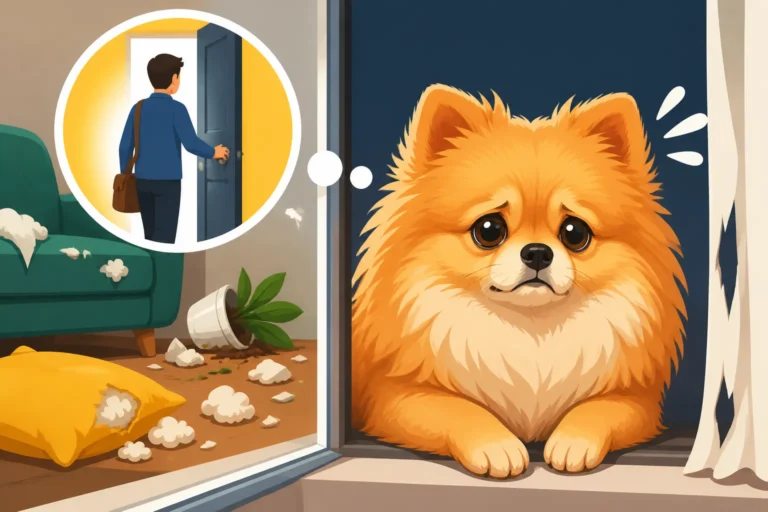
A constantly noisy or chaotic environment, with loud children, frequent guests, or unpredictable movements, can be genuinely stressful for some Pomeranians. Their keen senses mean they pick up on everything, and constant stimulation without adequate rest or a quiet retreat can lead to anxiety. This stress might manifest in various ways, from excessive Why a Pomeranian Barks at Everything That Moves to cowering, destructive behaviors, or even house-soiling accidents. They thrive on routine and predictability, and a home that lacks this can be difficult for them to navigate emotionally.
It's also worth noting their independence, which can sometimes be mistaken for stubbornness. Whether Spitz Independence Makes a Pomeranian Difficult is a common concern. They aren't always eager to please in the same way some other breeds are, which means a chaotic environment might make them less receptive to training or more likely to revert to undesirable behaviors if they feel overwhelmed. Gentle, consistent handling and training are crucial to building their confidence and helping them feel secure, even in a bustling family.
Navigating a Family Home Environment
Integrating a Pomeranian into a family home isn't just about their inherent nature; it's also about the dynamics of the household itself. Kids, other pets, and the general ebb and flow of a busy family life all present unique considerations. The good news is that with thoughtful management and education, these potential challenges can be overcome.
Children and Pomeranians: A Careful Balance
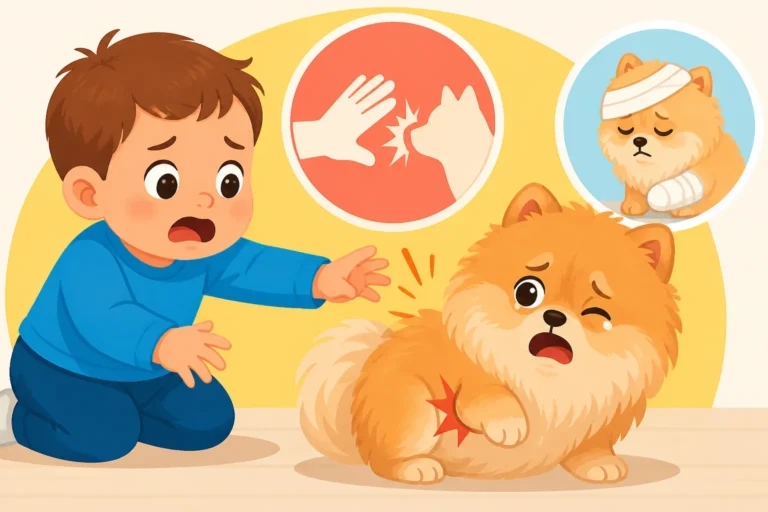
This is perhaps the biggest concern for many families considering a Pomeranian. Small children, particularly those under the age of six or seven, often lack the fine motor skills and understanding of a pet's fragility to interact safely. An accidental drop, a too-tight hug, or even chasing games can easily lead to severe injury for a tiny Pomeranian. A Pomeranian in a House With Small Children highlights this crucial balance. It's not about bad intentions; it's simply about developmental stages. Toddlers and preschoolers, for instance, are naturally curious and might grab at fur, ears, or tails, or try to "pet" with too much force, causing pain or fear in the dog.
For the Pomeranian, such interactions can be frightening and lead to defensive behaviors like nipping or growling, which nobody wants. The key isn't necessarily to avoid having children and Pomeranians in the same home, but to implement strict supervision and clear boundaries. Children must be taught from the very beginning how to gently interact, to always ask an adult before touching the dog, and to respect the Pomeranian's space when it's resting or eating.
It's also important to remember that a Pomeranian, despite its small size, is a dog and will react like one if it feels threatened or cornered. A safe, designated retreat where the dog can go unmolested by even the most well-meaning child is absolutely essential. This could be a crate, a playpen, or a dog bed in a quiet corner that kids are taught to leave alone.
Coexisting with Other Pets
Another common scenario in family homes involves other pets, particularly larger dogs. While some Pomeranians adore playing with bigger canine companions, the size disparity presents a clear risk. An innocent romp with a Labrador or a Golden Retriever, a breed that may not even realize its own strength, could result in a serious injury for a small Pom. A Five Pound Pomeranian Around Big Dogs is a situation that requires constant vigilance. A larger dog could accidentally step on, sit on, or even playfully mouth a Pomeranian too hard, causing internal injuries or fractures.
Pomeranians themselves, with their confident and sometimes feisty personalities, don't always help matters. They can be surprisingly bold and might not back down even when faced with a much larger dog, often picking fights they truly cannot win. Why a Pomeranian Picks Fights It Cannot Win is a very real characteristic of the breed. This isn't bravery so much as a lack of understanding of the potential consequences.
Careful, managed introductions are paramount for any new pet joining the household. Supervised interactions, especially in the early stages, are non-negotiable. Consider separate feeding areas and ensure any play is monitored closely, intervening if it becomes too boisterous. Crates or baby gates can be invaluable tools for creating safe, separate spaces when you can't actively supervise. Remember, it's not about whether your other dog is "good" or "friendly"; it's about preventing accidental injury due to size difference and a Pomeranian's often disproportionately large confidence.
The Bustle of a Busy Household
Family homes are often vibrant hubs of activity: school drop-offs and pick-ups, friends coming and going, dinner preparations, laundry, TV noise, video games, phone calls. This constant ebb and flow, while normal for human families, can be overwhelming for a small, sensitive Pomeranian. The sheer volume of sound, the unpredictable comings and goings, and the lack of consistent quiet time can create a high-stress environment.
A Pomeranian might struggle with adapting to constant novelty, leading to increased anxiety or reactivity. They might bark excessively at every doorbell ring or unfamiliar sound, becoming a source of stress for the family itself. This isn't stubbornness; it's often a coping mechanism for feeling overstimulated.
To mitigate this, establishing routines can be incredibly helpful. Consistent meal times, potty breaks, and quiet times allow a Pomeranian to anticipate events and feel more secure. Providing a calm, quiet retreat – perhaps a comfortable crate in a less trafficked area – where they can decompress and sleep undisturbed is crucial. Think of it as their "safe room" where they know they won't be bothered. This designated quiet space becomes even more vital during times of high activity, like parties or gatherings, offering them an escape from the hubbub.
Strategies for a Safe and Harmonious Home
Okay, so we've established that Pomeranians do have some vulnerabilities, but that doesn't mean they can't thrive in a family home! It simply means you need to be intentional and proactive about creating an environment that caters to their unique needs. With the right strategies, your tiny Pom can be a happy, well-adjusted member of your family.
Setting Up a "Pomeranian-Proof" Environment
Think of your home from your Pomeranian's perspective. What looks like a safe, cozy chair to you is a perilous cliff to them. Start by physically modifying your home to minimize risks.
- Elevated Surfaces: Pomeranians are notorious for wanting to be where the action is, often meaning on the sofa, bed, or even chairs. Jumping on and off these surfaces repeatedly puts immense strain on their delicate joints and can lead to injuries like luxating patellas. Invest in small, sturdy pet steps or ramps. Many options are available on places like Amazon, designed specifically for toy breeds. Ramps for a Pomeranian That Jumps Off the Sofa can be a game-changer for protecting their knees and spine.
- Safe Zones and Barriers: Baby gates are your best friend. Use them to block off areas that might be dangerous (like stairs), or to create a safe, supervised play area where your Pom can roam without fear of being stepped on. A sturdy, wire playpen can provide a secure space within a busy room, allowing them to observe without being directly in the fray. This is especially useful when young children or boisterous guests are present.
- Choking Hazards: Get down on their level. Scan your floors for small objects that could be a choking hazard. Children's small toys, dropped pills, coins, or even bits of food can be easily ingested by a curious Pom. Keep floors clear and secure low-lying cabinets.
- Walkways: Ensure clear pathways in high-traffic areas. This reduces the risk of someone accidentally tripping over or stepping on your Pomeranian.
Training and Socialization for Resilience
A well-trained and properly socialized Pomeranian is a more confident and adaptable Pomeranian, better equipped to handle the dynamics of a family home.
- Early, Positive Socialization: This is key! Once your puppy has had its full course of vaccinations, expose it to a variety of sights, sounds, people, and appropriate dogs. This doesn't mean letting them run wild in a dog park (which can be dangerous for Poms), but controlled, positive experiences. Introduce them calmly to different ages of people, different noises (from vacuum cleaners to children laughing loudly), and different textures. The goal is to build positive associations, not overwhelm them. The Week a Pomeranian Puppy Can Start Learning is a crucial time to start this process.
- Obedience Training: Basic commands like "sit," "stay," "come," and "leave it" are not just for big dogs. They are essential for a Pomeranian's safety and your peace of mind. A reliable "come" can prevent them from darting into a dangerous situation, and a "stay" can keep them out from underfoot. Use positive reinforcement methods only – treats, praise, and gentle encouragement. Harsh corrections can be counterproductive and damage a Pomeranian's sensitive spirit.
- Crate Training: A crate, when introduced positively, becomes a safe den for your Pomeranian. It's a place where they can retreat, feel secure, and get undisturbed rest. It's not a punishment. This is invaluable in a busy home, offering them a sanctuary away from the chaos when they need it.
- Professional Guidance: Don't hesitate to seek professional help. Online training programs, like those offered by BAXTER & Bella, can provide structure and guidance, especially for new puppy owners. They offer virtual support and a curriculum that covers everything from basic manners to addressing common behavioral issues, all from the comfort of your home. This can be a fantastic resource for learning how to best integrate your Pom into family life.
Education and Supervision
This strategy is less about physical barriers and more about human behavior and responsibility. It truly takes a village to raise a well-adjusted Pomeranian in a busy family.
- Teach Proper Handling: Every single person in the household, especially children, needs to understand how to interact with the Pomeranian. Show them how to gently pet, how to pick them up correctly (supporting their bottom and chest), and how to respect their personal space. Teach children to always approach the dog calmly, not to run at them, and never to disturb them when they are eating or sleeping in their designated safe space.
- Constant Supervision: Especially with young children or new pets, active supervision is non-negotiable. This means an adult is always present and actively watching interactions. Never leave a Pomeranian unsupervised with a child who doesn't fully understand how to interact safely, or with a larger, boisterous dog. When you can't supervise, that's when the gates and safe zones come into play.
- Recognizing Stress Signals: Learn your Pomeranian's body language. Are their ears flattened? Are they yawning excessively, lip licking, or turning their head away? These are all subtle signs of stress or discomfort. Learning to recognize these signals allows you to intervene before a situation escalates, removing your Pom to their safe space. This proactive approach helps build trust and ensures your Pomeranian feels understood and protected.
Assessing Your Family's Readiness
Ultimately, deciding if a Pomeranian is the right fit for your family home comes down to an honest assessment of your lifestyle, commitment, and willingness to adapt. Pomeranians aren't inherently "fragile" in a way that makes them incompatible with family life, but they do require a more thoughtful and deliberate approach than many other breeds.
Time and Commitment Requirements
Owning a Pomeranian, especially in a busy family, requires a significant investment of time and consistent effort. This isn't a dog you can just acquire and expect to blend seamlessly into chaos without effort on your part.
- Daily Grooming: That beautiful double coat isn't just for show! It requires regular, thorough brushing to prevent mats and keep their skin healthy. Expect daily or at least every-other-day brushing sessions. The Grooming Schedule a Pomeranian Runs On emphasizes the dedication needed. Without it, mats can quickly form, leading to discomfort, skin issues, and expensive professional grooming.
- Consistent Training: Training isn't a one-time event; it's an ongoing process. From house training to basic obedience and managing barking, consistent reinforcement is key. In a busy household, finding dedicated, calm time for training sessions is crucial.
- Regular Vet Checks: Pomeranians, like all small breeds, benefit from regular veterinary check-ups to monitor for conditions like dental disease, luxating patellas, and tracheal issues. The Checkup Schedule a Pomeranian Should Keep will become a familiar rhythm. Early detection and management are vital for their long-term health and well-being.
- Managing Potential Health Issues: Be prepared for the possibility of managing breed-specific health issues. This might mean dietary changes, supplements, physical therapy, or even surgery down the line. It's part of the commitment to a Pomeranian.
Financial Considerations
Let's not shy away from the financial aspect. While a Pomeranian's small size might suggest lower costs, their specialized needs can sometimes lead to surprisingly high expenses. The Eighteen Thousand Dollar Lifetime of a Pomeranian is a sobering thought, but it highlights the financial reality.
- Vet Care: Routine check-ups are standard, but if your Pom develops a condition like patellar luxation or tracheal collapse, surgical intervention can be quite costly. Regular dental cleanings are often needed due to their crowded mouths.
- Specialized Equipment: Those ramps, steps, and sturdy baby gates we talked about? They add up. High-quality harnesses (to protect their trachea, avoiding collars), small-breed specific toys, and suitable beds also contribute to the ongoing costs. You can find many of these items on platforms like Amazon, but be prepared for the investment.
- Quality Food: While they don't eat much, a small breed requires high-quality, nutrient-dense food. Sometimes, specialized diets might be recommended by your vet.
- Pet Insurance: Many Pomeranian owners find pet insurance to be a worthwhile investment to help offset unexpected veterinary bills, especially considering their breed-specific predispositions. Research plans carefully to understand what is covered regarding pre-existing conditions or breed-specific ailments.
A Realistic Look at the Pomeranian Personality
Don't let their fluffy, adorable exterior fool you. Pomeranians are not fragile, passive lap warmers. They are intelligent, spirited dogs with distinct personalities. They are often described as "big dogs in little bodies," and it's a fitting description.
- Bold and Opinionated: They have strong wills and aren't afraid to voice their opinions (often loudly!). They can be very independent thinkers. Expect a dog with character, not just a cute accessory.
- Energetic and Playful: Despite their size, they have bursts of energy and love to play. They enjoy mental stimulation through training and puzzle toys just as much as a short walk.
- Devoted Companions: When properly integrated and cared for, Pomeranians are incredibly loyal and loving companions. They bond deeply with their families and thrive on interaction and affection. The reward of seeing a well-adjusted Pomeranian confidently navigate a busy home, secure in its place and loved by all, is immense.
Ultimately, a Pomeranian can absolutely be a wonderful addition to a family home, even one with children and other pets. It's not about their inherent fragility, but about your family's commitment to creating a safe, understanding, and stimulating environment that respects their unique needs. With patience, education, and consistent effort, you can ensure your fluffy friend becomes a thriving, cherished member of your household.
Disclaimer
This article is for general informational purposes only and does not constitute professional advice. Laws, prices and regulations vary by location and change over time. Consult a qualified professional for guidance on your specific situation.