The Week a Pomeranian Puppy Can Start Learning
Bringing home a new Pomeranian puppy is an exciting time, but it often comes with a flurry of questions, especially around when exactly you can—and should—start teaching your tiny fluffball the ropes. Many new Pom parents feel overwhelmed, wondering if their small, adorable puppy is too young to learn or if they need to wait for a certain age. This guide will help you understand the ideal timeline for your Pomeranian puppy's education, ensuring you lay a strong foundation for a well-behaved and happy companion right from the start.
The Golden Window: Why Early Learning is Crucial for Your Pom
It’s easy to get caught up in the sheer adorableness of a Pomeranian puppy and forget that beneath all that fluff is a smart, capable little dog ready to absorb the world. Waiting too long to introduce basic concepts can actually make training harder down the line. The early weeks are a critical period for development, shaping your puppy's personality and understanding of its place in your home.
The Eight-Week Mark: A Foundation for Success
Most Pomeranian puppies come home around eight weeks of age, which isn't just a random number; it marks the beginning of a crucial learning phase. Before this, they've been learning invaluable lessons from their mother and littermates – things like bite inhibition and understanding canine body language. The moment they cross your threshold, you become their primary teacher, and their learning doesn't pause for a moment. Their little brains are like sponges, soaking up every interaction, every sound, and every experience. This period, often called the "socialization window," is vital. It’s when puppies are most open to new experiences and form lasting impressions. Miss this window, and it can be much harder to introduce new things later without causing fear or anxiety. So, while they might seem like tiny, fragile creatures, they are incredibly robust learners from day one.
First Lessons: Name Recognition, Touch, and Bite Inhibition
The very first "lessons" your Pomeranian puppy will learn are often the most fundamental and, thankfully, some of the easiest to teach. One of the earliest and most important is simply learning their name. You can start this immediately by consistently using their name in a happy tone, especially when giving them attention, treats, or toys. When they look at you, even for a second, say "yes!" and give them a tiny, pea-sized treat. This positive association helps them understand that their name means good things are coming their way. Teaching a Pomeranian Its Name is a foundational step that opens the door to all future communication.
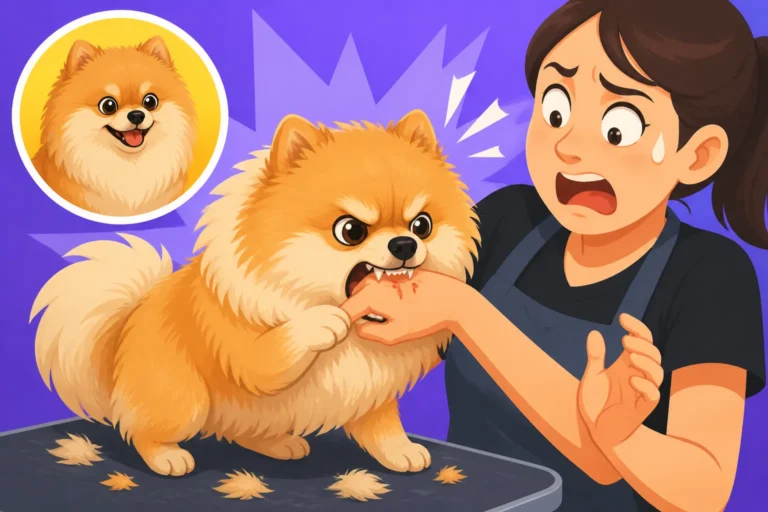
Another critical early lesson involves accepting touch and handling. Pomeranians require regular grooming, and they'll need to be handled by vets and groomers throughout their lives. Start early by gently touching their paws, ears, tail, and mouth for short periods, always followed by praise and a treat. Make it a game, not a chore. This desensitization process is invaluable and will save you, your groomer, and your vet a lot of stress. Similarly, addressing puppy nipping is paramount. Pomeranian puppies, like all puppies, use their mouths to explore and play. Those The Sharp Puppy Teeth a Pomeranian Uses on You might feel like needles, but it’s how they learn bite inhibition. When your puppy nips too hard, yelp, withdraw attention, or offer an appropriate chew toy. Consistency will help them understand what's acceptable, and you'll soon find The Month a Pomeranian Puppy Stops Nipping is well underway.
Building Core Skills: Beyond Cuteness and Cuddles
Once your Pomeranian puppy is settling in and learning its name, it's time to gently introduce some core life skills. These aren't just about obedience; they're about safety, comfort, and integrating them smoothly into your household. Remember, consistency and patience are your best friends during this stage.
Potty Training: Setting Up a Routine for Success
Potty training is often the most frustrating part of puppy ownership, especially with small breeds like Pomeranians. Their tiny bladders mean they need to go frequently, sometimes every hour or two. Understanding How Small a Pomeranian Puppy's Bladder Is is key to setting realistic expectations and preventing accidents. The secret sauce here is routine, routine, routine! Take your puppy out first thing in the morning, after every nap, after every meal or drink, before bedtime, and periodically throughout the day. Reward immediately with praise and a high-value treat the moment they finish doing their business in the right spot. Avoid punishment for accidents inside; simply clean them thoroughly without fuss.
Many owners consider using puppy pads, especially for Poms living in apartments or cold climates. While pads can be helpful, be aware that they can sometimes confuse a puppy about where it's truly appropriate to relieve themselves. If you use pads, plan for a transition to outdoor-only as they get older. Consistency is far more effective than any single tool. Expect this process to take a few weeks, sometimes even months, for full reliability. If you're wondering How Many Weeks House Training a Pomeranian Takes, know that every puppy is different, but a solid, consistent schedule makes all the difference.
Leash & Harness Acclimation: Safety First
Introducing your Pomeranian puppy to a harness and leash should happen early and gently. Due to their delicate tracheas, a harness is a non-negotiable item for Poms; a collar can put dangerous pressure on their windpipe and should only be used for ID tags. This is crucial for their long-term health, as discussed in Why a Collar Threatens a Pomeranian's Windpipe. Start by letting your puppy wear a soft, lightweight harness for a few minutes at a time indoors, always associating it with positive things like mealtime or play. Then, attach a light leash and let them drag it around under supervision.
The goal isn't to walk them formally at first, but to make the harness and leash feel normal and comfortable. Once they're used to it, you can take short, positive excursions into the yard. Look for harnesses specifically designed for small breeds, often available on platforms like Amazon, that distribute pressure across the chest rather than the throat. Gradually increase the duration and distance, making every outing a happy experience.
Crate Training and Settling: A Safe Den
Crate training is an invaluable tool for Pomeranian puppies, offering them a safe den and aiding immensely with house training and separation anxiety. The key is to make the crate a positive, inviting space, not a punishment zone. Introduce it gradually: feed meals inside, toss treats in, and let them explore it at their leisure. Start with short periods, even just five or ten minutes, while you're still in the room. This helps with Crate Work With a Pomeranian Puppy That Cries because they learn it's not a lonely place.
As they become comfortable, you can extend the time and practice leaving the room for a few minutes. Always ensure they've had a potty break, exercise, and water before crating. A cozy blanket and a safe chew toy can make the crate even more appealing. This process helps your puppy learn to settle and feel secure, which is essential for Surviving the First Nights With a Pomeranian Puppy and for building independence as they grow. This den mentality is crucial for their emotional well-being and prevents them from becoming overly clingy.
Smart Training Strategies for a Tiny Brain
Training a Pomeranian, like any small breed, requires strategies adapted to their size and temperament. They're intelligent but can also have short attention spans and an independent streak. Understanding how to best engage them will yield the most positive results.
Short and Sweet: Optimizing Training Sessions
Pomeranians are bright, but they don't have the endless focus of a working breed. Their attention spans are quite short, especially as young puppies. This means your training sessions need to be brief and engaging. Aim for 2 to 5 minutes, max, per session, several times a day. Trying to force a longer session will only lead to frustration for both of you and diminish their enthusiasm for learning. Think of it like a series of fun mini-lessons rather than intense study periods. Ending on a high note, even if it's just after one successful "sit," is far more effective than pushing them past their mental limit. To learn more about how long is appropriate, you can refer to Training Session Length for a Pomeranian. These frequent, positive interactions build a strong bond and reinforce good habits without overwhelming your tiny learner.
The Power of Positive Reinforcement: What Really Works
When it comes to training a Pomeranian, positive reinforcement is the only way to go. These sensitive little dogs thrive on praise, affection, and high-value treats. Harsh corrections, scolding, or punishment can easily damage their trust in you and make them fearful, anxious, or even resistant to future training. Instead, focus on rewarding the behaviors you want to see. Did they look at you when you said their name? Treat! Did they sit for a second? Treat!
Figure out The Reward a Pomeranian Actually Cares About. For some, it might be a tiny piece of cooked chicken; for others, a favorite squeaky toy or enthusiastic praise. Use these motivators strategically. Whether Marker Training Holds a Pomeranian's Attention is also a great question, and often, a verbal marker like "yes!" or a clicker, immediately followed by a treat, can make your training incredibly clear and effective for a smart little Pom. It helps them understand exactly what action earned them that reward. This method builds confidence and makes training a fun game for both of you.
Early Socialization: More Than Just Play
Socialization is one of the most important aspects of raising a well-adjusted Pomeranian, and it begins the moment you bring your puppy home. It's about exposing your puppy to a wide variety of positive experiences, sights, sounds, people, and safe dogs in a controlled, non-overwhelming way. The goal is to create positive associations so they grow up to be confident and comfortable in different situations, rather than fearful or reactive.
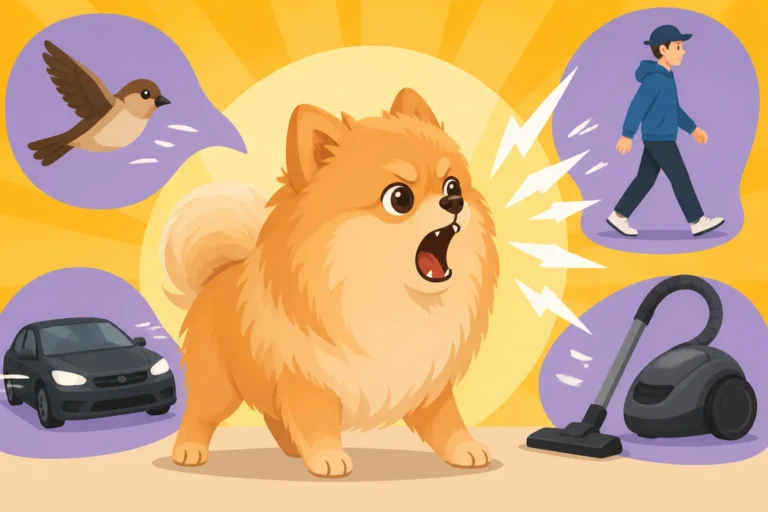
While you'll need to be mindful of vaccinations and disease risk, particularly before they're fully protected, there are still many things you can do. Socializing a Pomeranian Before Its Shots Finish can involve carrying your puppy in a sling or carrier in public places, letting them observe the world from a safe distance, inviting vaccinated, calm adult dogs to your home for supervised play, and introducing them to various textures, noises, and gentle people. Enroll in a puppy class as soon as your vet gives the green light; these are specifically designed for safe, early socialization and training. These experiences are crucial for preventing common small dog issues like fear-based barking or aggression later in life.
Essential Tools and Resources for Your Learning Journey
Successfully training your Pomeranian puppy isn't just about techniques; it's also about having the right environment and support system in place. Thoughtful preparation can make a world of difference in your puppy's learning and overall well-being.
Creating a Puppy-Proof Learning Zone
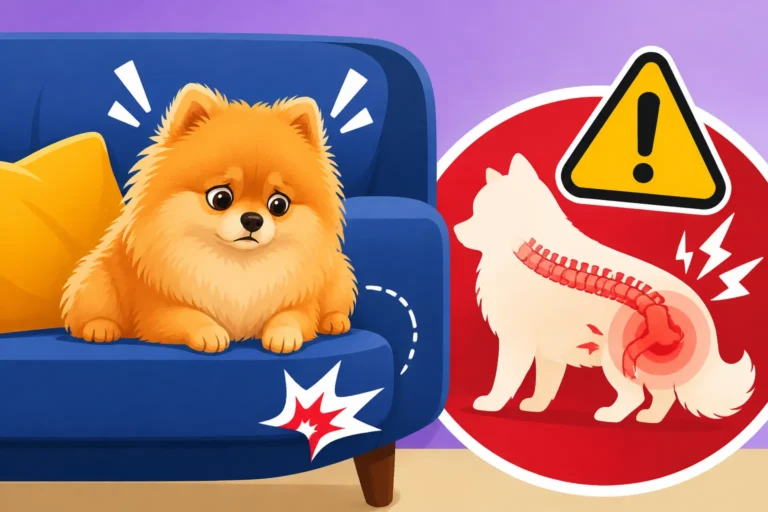
Your home needs to be a safe and conducive learning environment for your Pomeranian puppy. This means puppy-proofing: removing anything they shouldn't chew, securing cabinets, and blocking off unsafe areas. Investing in a sturdy puppy playpen, perhaps found on Amazon, or baby gates can create a secure "zone" where your puppy can explore and play safely without constant supervision. This helps prevent accidents and teaches them boundaries. For a small breed like a Pomeranian, preventing injuries is paramount. Things like jumping off furniture, even a low sofa, can lead to serious joint problems like luxating patellas. Therefore, actively teaching them not to jump off high surfaces, or providing ramps or steps, is a key part of their early safety education. Why a Pomeranian Jumping Off the Bed Is a Risk is a very real concern for these little guys. Make sure their designated rest areas are safe and comfortable, reducing the temptation to climb or leap.
Building a Support System: Professional Guidance and Community
While this guide offers a lot of practical advice, sometimes you need personalized support. Enrolling in a puppy class is highly recommended, not just for socialization but for learning foundational obedience skills under the guidance of a professional trainer. These classes address common puppy behaviors and give you the tools to communicate effectively with your Pom. If in-person classes aren't feasible, or if you prefer to learn at your own pace, online resources can be incredibly helpful. Online platforms like BAXTER & Bella offer comprehensive puppy training programs that provide structured lessons, live Q&A sessions, and access to trainers. This kind of structured support system can be invaluable, especially for first-time Pom owners, helping you navigate challenges and build a strong relationship with your puppy. They can help address specific concerns, whether it's stubborn house training or managing puppy antics.
Grooming Desensitization: Starting Early
Pomeranians are renowned for their magnificent double coats, which require regular and consistent grooming. Waiting until your puppy is older to introduce the grooming routine can turn it into a battle. Starting early, even before their full adult coat comes in, is crucial. Begin with very short, positive sessions involving a soft brush. Let your puppy sniff the brush, then gently stroke their coat for a few seconds, immediately followed by a treat and praise. Gradually increase the duration and touch different areas of their body, including their legs, belly, and tail, which can be sensitive.
Make it a relaxing, bonding experience. This early desensitization isn't just about brushing; it extends to nail trims, ear checks, and even bath time. You want your puppy to associate grooming with comfort and rewards, not stress or fear. A great place to start learning these techniques and tools is Starting Brush Handling on a Pomeranian Puppy. A well-groomed Pom is a happy Pom, and teaching them to tolerate and even enjoy being brushed will save you countless headaches and potential matting issues down the road.
Here's a general guide to when your Pomeranian puppy can start learning specific skills:
| Age (Weeks) | Key Learning Areas | Focus & Activities | Essential Considerations |
|---|---|---|---|
| 8-10 | Name Recognition, Bite Inhibition, Touch/Handling | Short, positive interactions; gentle grooming intro; start house training routine; crate intro. | High puppy energy, short attention span, critical socialization window. |
| 10-12 | Potty Training, Leash/Harness Acclimation | Consistent potty breaks, reward outdoor success; wear harness for short periods; intro to leash dragging; basic "sit." | Continue positive socialization, focus on consistency, small rewards. |
| 12-16 | "Sit," "Stay" (brief), Recall, Grooming routines | Formal short training sessions; proofing skills in different environments; gentle brushing/nail trims. | Vaccinations nearing completion, expanding safe social circles. |
| 16+ | Advanced obedience, Continued socialization | Puppy classes (if not already started), exposure to new places/sounds, longer walks with good leash manners. | Building on foundation, reinforcing good habits, managing adolescence. |
Disclaimer
This article is for general informational purposes only and does not constitute professional advice. Laws, prices and regulations vary by location and change over time. Consult a qualified professional for guidance on your specific situation.