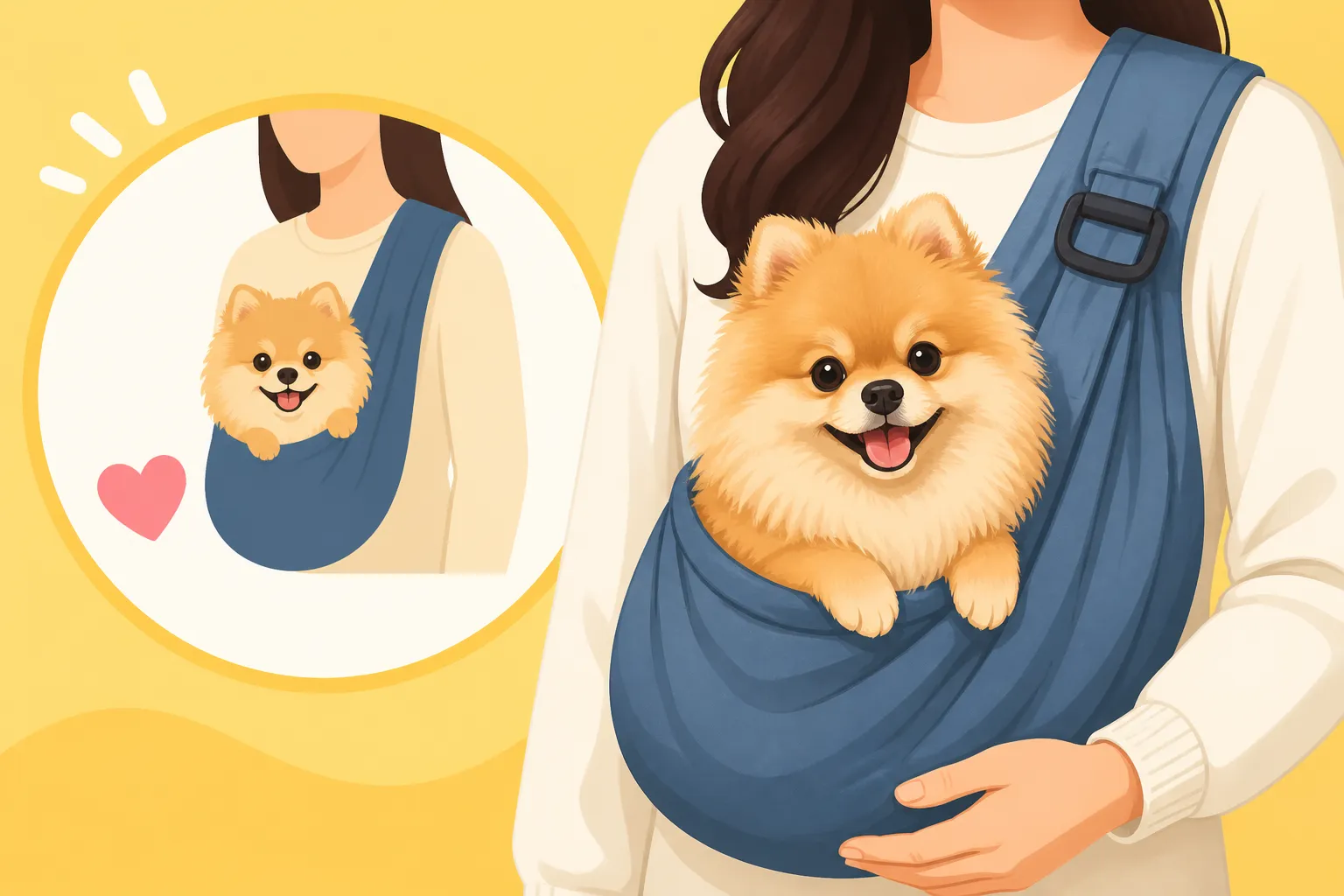
Getting a Pomeranian to Settle in a Sling
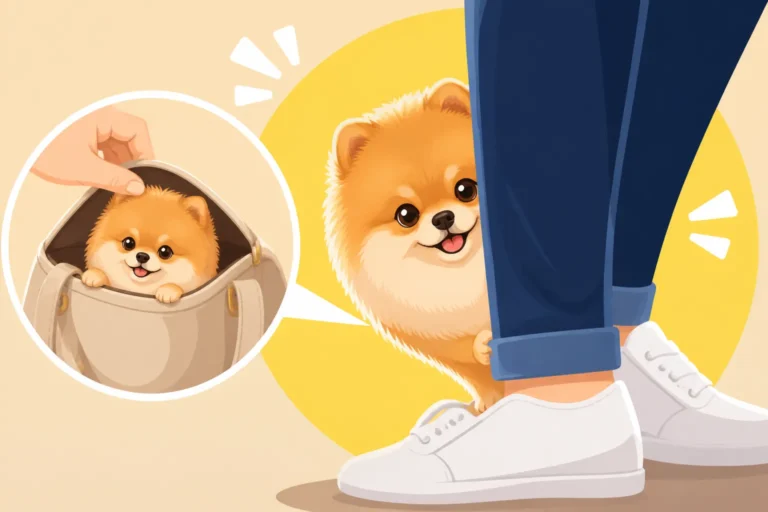
We all want to keep our little Pomeranians close, especially when we're out and about, navigating crowded spaces, or just need to give those tiny legs a break. But if your spirited Pom sees a sling as a prison rather than a portable snuggle zone, it can be incredibly frustrating. This guide is here to walk you through understanding their reluctance and implementing gentle, positive steps to help your Pomeranian not just tolerate, but truly settle comfortably and happily in a sling.
Understanding Why Your Pomeranian Might Resist a Sling
It’s easy to assume your Pom should love being carried, especially given their small size and natural inclination to be near you. However, a sling is a new, often confining experience for them, and their reaction can stem from a few core reasons you might not immediately consider.
The Instinctual Need for Control and Space
Even the tiniest Pomeranian carries the heart of a much larger Spitz dog. They are intelligent, often independent, and like to feel in control of their environment, or at least have the option to move freely. Being suddenly placed into a sling, where their movement is restricted and they can't decide where to go or what to investigate, can trigger an instinctual feeling of vulnerability or loss of control. It’s not about being ungrateful for your care; it's about their inherent desire for autonomy. Think about it from their perspective: one minute they're walking or exploring, the next they're suspended, unable to touch the ground. This can be unsettling, especially if they haven't been gradually introduced to the concept.
Moreover, many Poms thrive on being able to observe their surroundings actively, using their keen senses. A sling, depending on its design, might limit their field of vision or make it difficult for them to engage with the world on their own terms. This can lead to agitation, as they struggle against the perceived confinement to regain their sense of agency. This isn't stubbornness; it's a dog trying to feel safe and comfortable in a new situation, and their method of expressing that discomfort is often wriggling or whining.
Negative Associations or Past Experiences
Sometimes, a Pomeranian’s resistance isn't about the sling itself, but what they associate with it. Has the sling only ever come out right before a stressful vet visit? Was it introduced too quickly, leading to a scramble or a fall? Even a minor negative experience can leave a lasting impression on a sensitive breed like a Pomeranian. If the first few times they were put in a sling felt scary, unstable, or uncomfortable, they’ve already formed a negative association.
For instance, if you once tried to put them in a sling while they were already stressed or in a hurry, they might now anticipate that unpleasant feeling every time the sling appears. Similarly, if the sling was purchased online from a retailer like Amazon and wasn't quite the right fit initially, causing awkward pressure points or instability, that physical discomfort could contribute to their apprehension. It's crucial to acknowledge these potential past experiences and understand that you’ll need to work to override them with overwhelmingly positive ones.
The Importance of Comfort and Fit
Let’s be honest, not all slings are created equal, and what works for one dog might be a torture device for another. A sling that's too tight will feel restrictive and warm, while one that's too loose can feel unstable and insecure. Imagine being carried in a backpack that constantly shifts, or one that’s pressing uncomfortably on your joints. Your Pomeranian feels the same. Their delicate structure, especially their trachea which can be prone to issues, means that pressure points around the neck or chest can be particularly concerning. The Honking Cough of a Pomeranian's Collapsing Windpipe is a serious concern, and ensuring a sling doesn't exacerbate this is paramount.
Additionally, consider the material and temperature. A sling made of thick, synthetic fabric might be cozy in winter but utterly sweltering in summer, especially for a double-coated breed. If your Pom gets too hot or feels itchy from the fabric, they'll naturally want out. A poor fit can also make them feel off-balance, which is unsettling for any creature, let alone a small dog that relies on its agility. Paying attention to these subtle details can make all the difference in whether your Pomeranian accepts or rejects the sling.
Choosing the Right Sling for Your Pomeranian
Selecting the perfect sling is probably the most critical first step in ensuring your Pomeranian’s comfort and acceptance. It's not just about aesthetics; it’s about function, safety, and creating a positive experience from the outset.
Types of Slings and Their Benefits
There's a surprising variety of dog slings out there, each with its own design philosophy. The most common are shoulder slings, which are essentially a pouch that goes over your shoulder and across your chest, keeping your dog nestled against your body. These are great for small breeds like Pomeranians because they offer close contact, which can be reassuring, and distribute weight relatively evenly. Many feature a safety clip to attach to your dog's harness, preventing accidental falls.
Beyond the basic shoulder sling, you'll find ring slings, similar to baby carriers, which offer more adjustability for depth and positioning. Some slings are designed more like backpacks, which can be useful for longer treks or if you prefer to carry weight on both shoulders, though many Poms prefer the front-facing, "parent-facing" view. Then there are carriers that are more structured, like soft-sided totes, which can offer more space but less body contact. For a Pomeranian, proximity to you often spells security. When shopping, think about your own comfort too – a wider strap means less digging into your shoulder!
Here's a quick comparison of common sling types:
| Sling Type | Description | Pros | Cons |
|---|---|---|---|
| Shoulder Sling | Fabric pouch worn over one shoulder, across chest. | Close contact, often comforting for dog. | Weight on one shoulder, can cause imbalance over long periods. |
| Ring Sling | Adjustable fabric loop with rings for sizing. | Highly adjustable for custom fit, good for growing pups. | Can take practice to master adjustments. |
| Backpack Carrier | Dog sits in a backpack worn on your back or front. | Hands-free, good for longer hikes (if front-facing). | Less direct interaction, can be harder to monitor dog's comfort. |
| Soft-Sided Tote | More structured bag with handles or shoulder strap. | Offers more space, good for short errands. | Less body contact, can feel less secure for some dogs. |
Sizing for Safety and Comfort
This is where many owners unintentionally go wrong. A "one size fits all" approach simply doesn't work for a Pomeranian. Their small stature and delicate bone structure demand a precise fit. The sling should be snug enough to hold your Pom securely without restricting their breathing or putting pressure on their neck or chest. You should be able to easily place your hand inside the sling with your dog, feeling for any tight spots, especially around the leg openings or where the fabric might gather.
When your Pomeranian is in the sling, they should be able to sit or lie down comfortably, not be squashed or dangling. Their head should be able to rest naturally, and their body should be fully supported, not just their hindquarters. It’s also important to check the weight capacity of the sling. While most Poms are well within the limits of even small slings, ensuring the straps and fabric are durable enough for their weight is critical. Always check the manufacturer's sizing guide, often found on product pages on sites like Amazon, and don't hesitate to measure your dog – chest girth, back length, and even weight are crucial metrics. An ill-fitting sling isn’t just uncomfortable; it’s a safety hazard.
Material Matters for Temperature and Support
The material of the sling plays a huge role in your Pomeranian's comfort. Given their thick double coat, regulating temperature is key. In warmer climates or during summer, a breathable fabric like cotton, linen, or a lightweight mesh is ideal to prevent overheating. Heavy fleece or wool might be cozy in winter but can quickly turn into a sauna in milder temperatures. A Pomeranian's Coat in Ninety Degree Heat can be a serious concern, so selecting the right material is vital.
Beyond temperature, consider the support the fabric offers. A stretchy knit might feel soft, but if it sags too much, it won't provide the stable support your Pom needs. A more robust, yet still soft, fabric will cradle them without allowing them to feel precariously positioned. Look for linings that are soft and non-irritating against their skin, especially if your Pom is prone to allergies or skin sensitivities. Some slings offer adjustable padding or removable inserts, which can further customize the fit and comfort. Think about how easy it is to clean too – accidents happen, and a machine-washable sling is a lifesaver.
Step-by-Step Training to Introduce the Sling
Successfully getting your Pomeranian to settle in a sling isn't about forcing the issue; it's about positive association, patience, and making it their idea (or at least, a very pleasant one!).
Positive Reinforcement and Desensitization
This is the cornerstone of any good training, and it’s especially effective for small, intelligent dogs like Pomeranians. The goal is to make the sling a source of joy and rewards, not stress. Start by simply bringing the sling out and letting your Pom sniff it, explore it, and be near it without any pressure to get inside. Pair its presence with high-value treats and praise. Toss treats onto and around the sling. Let them walk over it.
Once they're comfortable with its presence, gently encourage them to interact with it further. You can use a clicker or a verbal marker like "yes!" the moment they show interest, followed immediately by a treat. For a step-by-step training approach, resources from programs like BAXTER & Bella can be incredibly helpful, as they emphasize positive, reward-based methods. Eventually, you’ll want to reward them for placing a paw on the sling, then for stepping into it with two paws, and so on. Break it down into tiny, achievable steps, always ending on a positive note.
Making the Sling a Safe, Happy Place
The sling needs to feel like their personal cozy den, not a restrictive trap. Place their favorite blanket or a toy inside the sling when it’s on the floor, allowing them to discover it as a comfortable spot on their own terms. You could even feed them their meals near or in the sling. The idea is to build a strong positive emotional response. When they are calm near the sling, praise them lavishly and give them a special treat that they only get when the sling is out.
If your Pomeranian enjoys chew toys, offer one to them once they're partially in the sling, associating the carrier with a rewarding, relaxing activity. Create a routine where the sling comes out for short, positive interactions, then put it away before they get anxious. This prevents them from building up negative anticipation. Consistency in positive reinforcement is key here; every interaction with the sling should be upbeat and rewarding.
Gradual Exposure and Practice
Once your Pom is comfortable interacting with the sling on the floor, it’s time to introduce it to your body. First, simply wear the empty sling around the house for a bit so they get used to seeing it on you. Then, gently place your Pomeranian into the sling while it’s still on the floor or over your shoulder but unsupported. Reward them for staying calm for even a few seconds.
The next step is to carefully lift them (and the sling) for very short periods, just a few seconds at a time, keeping a hand supporting their underside, and immediately giving treats and praise. Walk a few steps, then let them out. Gradually increase the duration of time spent in the sling, always monitoring their body language for signs of stress. Look for relaxed posture, soft eyes, and no excessive panting or struggling. Keep these initial sessions short and sweet, always ending before they show signs of wanting out. You want them to think, "Oh, this was nice, I wonder when we'll do it again!" rather than "Thank goodness that's over!" Teaching a Pomeranian to Be Picked Up Properly can also help them feel more secure as you transition them into the sling.
Troubleshooting Common Sling Challenges
Even with the best preparation, you might encounter a few bumps in the road. It’s normal, and understanding how to address these challenges calmly and effectively will solidify your Pomeranian’s acceptance of the sling.
Dealing with Whining and Wriggling
Whining and wriggling are your Pomeranian's way of communicating discomfort or anxiety. It's crucial not to inadvertently reward this behavior by immediately taking them out. Instead, acknowledge their feelings without giving in to the demand. If they start to whine or wriggle, gently hold them in place, maybe offer a soothing word, and wait for a brief moment of quiet before letting them out or offering a treat. You’re teaching them that calm behavior gets them what they want (release or reward), not fussing.
If the whining persists, it might mean you've moved too quickly. Revert to an earlier step in the training process where they were comfortable. Perhaps they need more time just sitting in the sling while it’s on the couch next to you, before you try standing up with them. Distraction can also be your friend: offer a small, high-value chew toy or a lick mat designed for small dogs once they are settled in the sling. This redirects their focus and helps create a positive association, turning the sling into a place for quiet enrichment.
When Your Pomeranian Just Won't Cooperate
Sometimes, despite your best efforts, a Pomeranian might simply refuse to get into the sling or remain agitated. This is not a failure on your part or theirs; it simply means you need to adjust your approach or consider alternatives. First, re-evaluate the sling itself. Is it truly comfortable? Is it the right size and material? Could a different style be better suited to their temperament? For instance, some Poms might prefer a more enclosed soft-sided carrier rather than an open sling, offering them a greater sense of security.
If after trying different slings and consistent positive reinforcement, your Pom still resists, it might be that a sling isn't the right fit for this particular dog. Some dogs, for various reasons, simply do not enjoy being confined or carried in that manner, and that’s okay. Instead, you might explore other options like a dog stroller for longer outings, or teach them How Far a Pomeranian Can Walk in a Day if you're exploring on foot. Respecting your dog's individual preferences is part of responsible pet ownership.
Ensuring Safety While On The Go
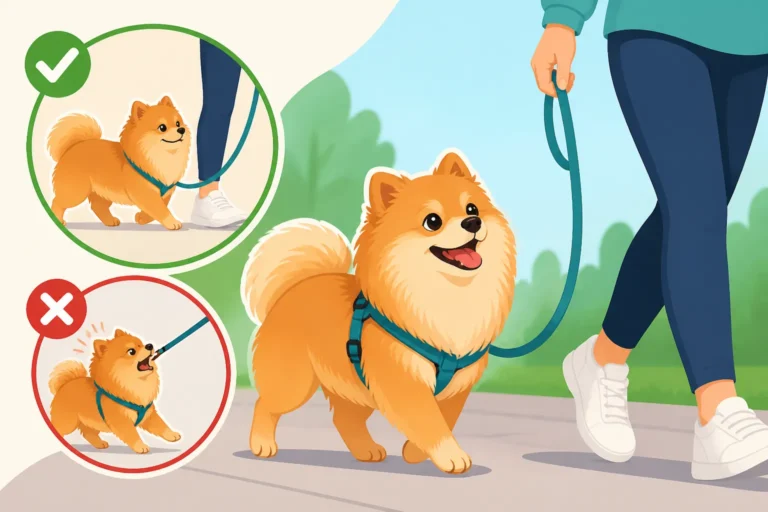
Once your Pomeranian is comfortable in the sling, it's vital to prioritize their safety when you're out and about. Always, always use the internal safety clip to attach to your Pom's harness, never their collar. A sudden movement or jostle could cause them to fall, and a collar could cause serious injury to their delicate neck or trachea. Why a Collar Threatens a Pomeranian's Windpipe is a critical piece of knowledge for any Pom owner.
Be mindful of your surroundings. In crowded areas, keep a hand on your Pomeranian in the sling for added security and to prevent anyone from accidentally bumping into them. Pay attention to how they are reacting to new sights and sounds – are they comfortable, or are they becoming overstimulated? If they seem stressed, find a quiet spot to let them out for a moment, or simply reassure them with your voice and touch. Remember, the sling is meant to enhance their safety and your convenience, not to expose them to unnecessary risks or discomfort. Regularly check the sling for wear and tear, especially the straps and clips, to ensure it remains a secure way to carry your cherished companion.
Disclaimer
This article is for general informational purposes only and does not constitute professional advice. Laws, prices and regulations vary by location and change over time. Consult a qualified professional for guidance on your specific situation.