Teaching Children Not to Chase a Pomeranian
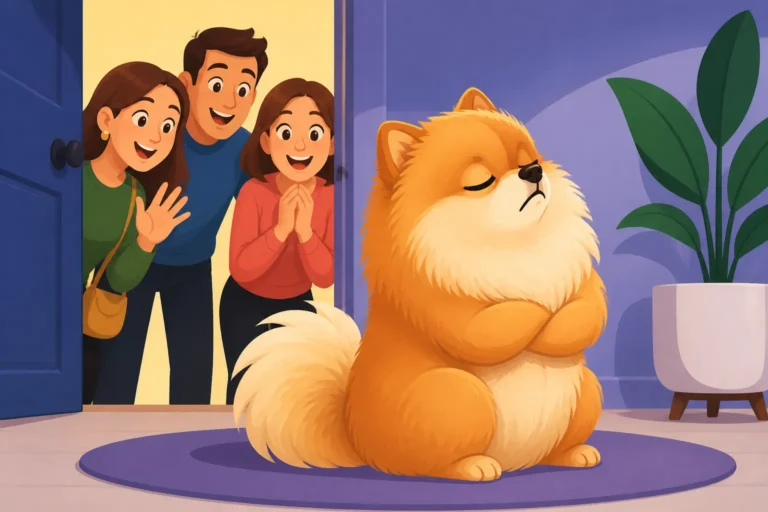
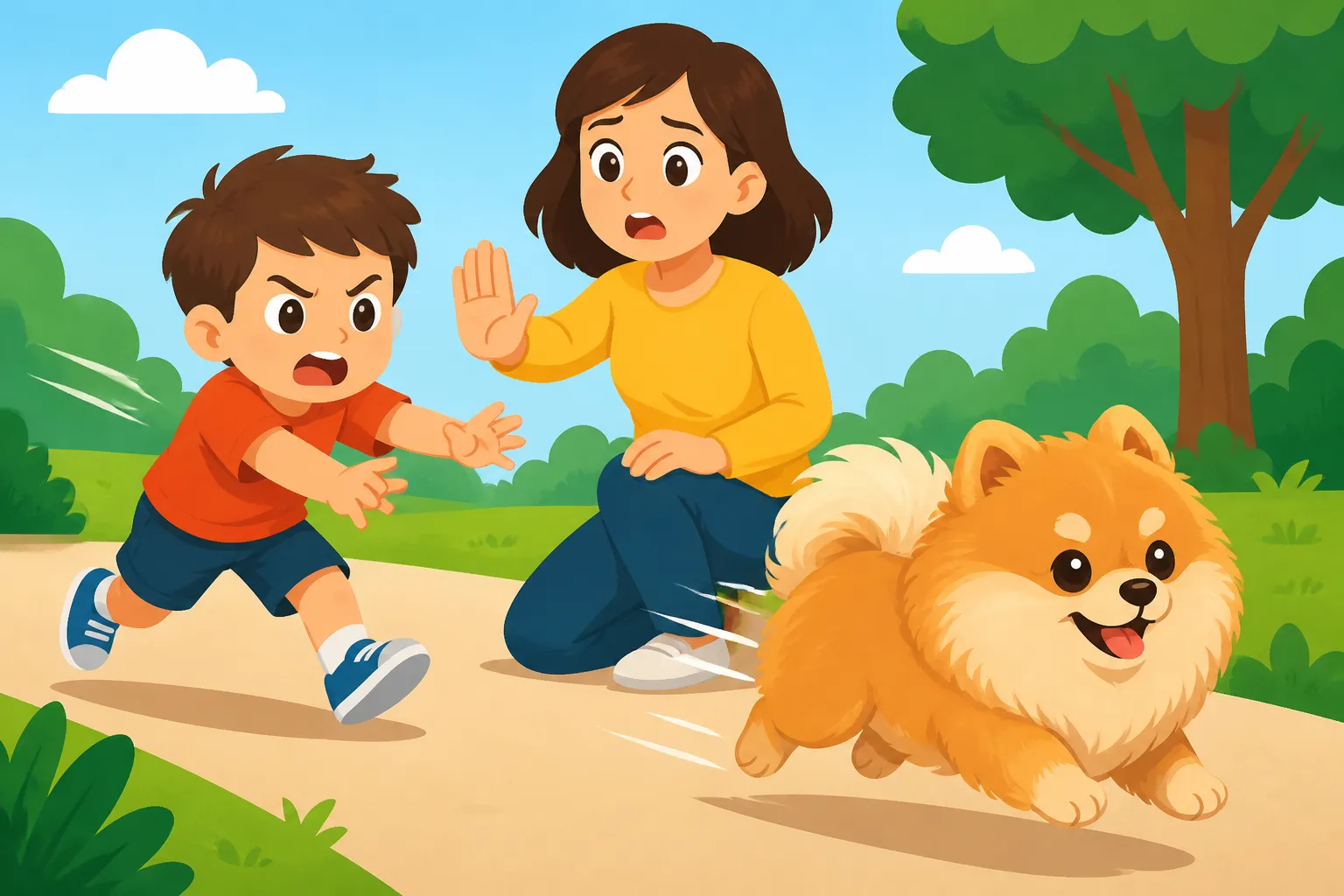
It's a scene many Pomeranian parents dread: a beloved child, full of innocent energy and curiosity, suddenly spots your fluffy little companion and, with a squeal of delight, barrels towards them. For the child, it’s a game of chase, a fun interaction. For your Pomeranian, however, this sudden pursuit can be terrifying, leading to stress, fear-based reactions, and even potential injury. This guide is here to help you navigate these tricky waters, providing actionable strategies to teach children how to safely and respectfully interact with your small dog, fostering a harmonious home for everyone.
Understanding the Dynamics of Chase Play
When a child chases a Pomeranian, it's often born from pure excitement and a lack of understanding about how their actions impact such a small, sensitive animal. Children naturally enjoy dynamic play, and seeing a fluffy dog scamper away can seem like an invitation to a fun game. However, your Pomeranian's interpretation is likely very different, and it's crucial for us, as their guardians, to understand this disparity to bridge the communication gap.
Why Children Chase and How Dogs React
Children, especially younger ones, operate on instinct and a developing understanding of the world. They might not grasp the fragility of a Pomeranian or the signals a dog sends when it's uncomfortable. To them, a fast-moving, fluffy object is an irresistible target for play. They see the dog running and think, "Oh, it wants to play!" or "It's so cute when it runs!" This innocent perspective often overlooks the subtle cues of stress, fear, or even pain that a dog might be exhibiting. The higher pitch of a child's voice, their sometimes erratic movements, and their direct approach can be overwhelming for a small dog like a Pomeranian, who is already low to the ground and can feel easily intimidated.
From a Pomeranian's perspective, being chased can trigger deep-seated instincts. While Poms are not typically prey animals, their small size can make them feel like prey when pursued. They might perceive the chasing as a threat, not an invitation to play. This can lead to a fight, flight, or freeze response. Some Poms might try to escape and hide, seeking refuge under furniture or in another room. Others might freeze in place, hoping the threat passes, which can be particularly distressing. And in some cases, a frightened Pomeranian might snap or nip out of fear, a natural self-defense mechanism when they feel cornered and unable to escape. This isn't aggression; it's a desperate plea for space and safety. Understanding this fundamental difference in perception is the first step towards creating a safe and respectful environment for both child and dog.
The Dangers of Unsupervised or Inappropriate Interactions
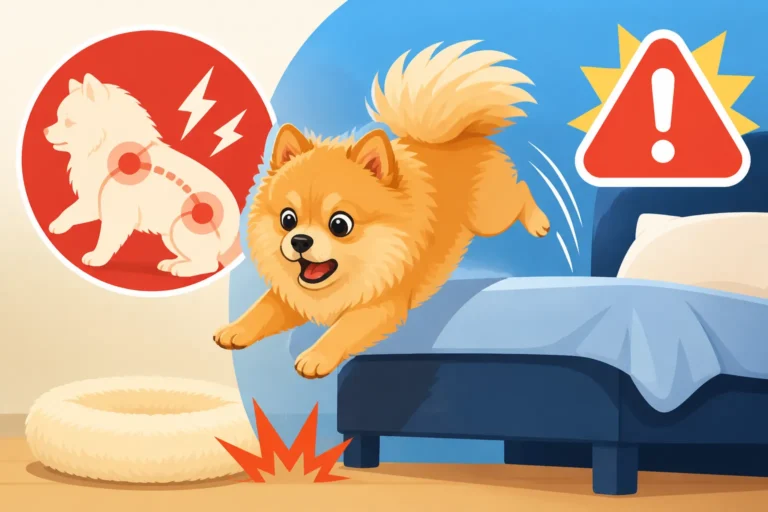
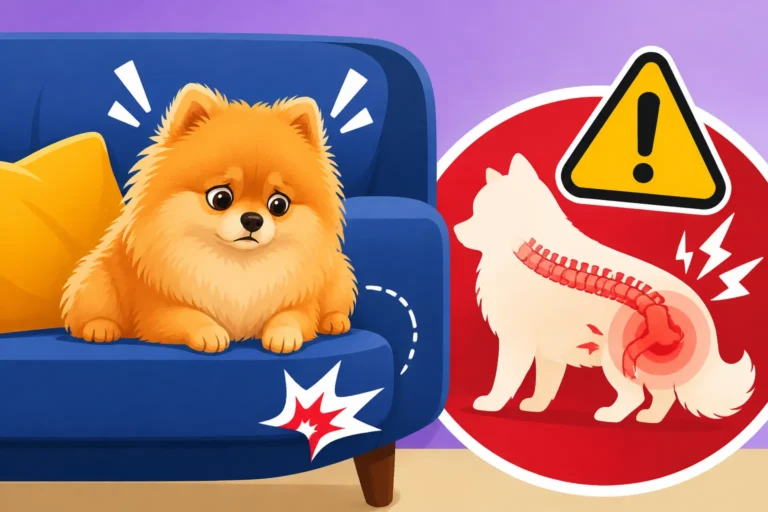
The consequences of children chasing a Pomeranian range from minor stress to serious injury. A frightened Pomeranian might bolt into traffic if a door is open, or they could try to leap from a child's grasp, risking a fall that could lead to broken bones or a concussion. Their small bodies are incredibly delicate, and an accidental bump or fall from a child can have devastating effects. We've talked before about Why a Toddler Can Injure a Pomeranian by Accident, and this applies directly here. A child simply falling on a dog, or a dog falling off a couch while being chased, can result in severe trauma, including head injuries, internal damage, or leg injuries like Slipping Kneecaps in a Five Pound Pomeranian.
Beyond physical injury, repeated chasing can severely damage the bond between your child and your Pomeranian. If every interaction involves fear or stress for the dog, they will begin to associate children with negative experiences. This can manifest as anxiety, hiding, growling, or even biting. Imagine living in a constant state of alert, always waiting for the next "chase." That's the reality for a Pomeranian repeatedly subjected to this type of interaction. It creates a cycle of fear and avoidance that is difficult to break, making it harder for your Pomeranian to relax and be a happy, integrated member of the family. Our goal is to prevent these negative associations from forming in the first place, ensuring positive and gentle interactions always.
Proactive Strategies for Teaching Safe Interactions
The key to successful integration of children and Pomeranians lies in proactive, consistent training and supervision. It's not enough to simply tell a child "don't chase the dog" once; it requires ongoing guidance, modeling, and setting clear boundaries that both the child and the dog can understand and rely on. Think of it as teaching a new language of respect and safety, where every interaction is an opportunity to reinforce positive habits.
Teaching Gentle Hands and Calm Body Language
One of the most effective ways to prevent chasing is to teach children what to do rather than just what not to do. Start by demonstrating "gentle hands." Show them how to slowly reach out a hand for the Pomeranian to sniff, then gently pet the dog on its back or shoulder, avoiding the head and tail initially, as these can be sensitive areas. Emphasize light touches, like "stroking a feather," rather than grabbing or patting. Practice this with a stuffed animal first, so they can get the motion down without stressing your live Pomeranian. Praise them enthusiastically when they use gentle hands, saying things like, "What gentle hands you have!"
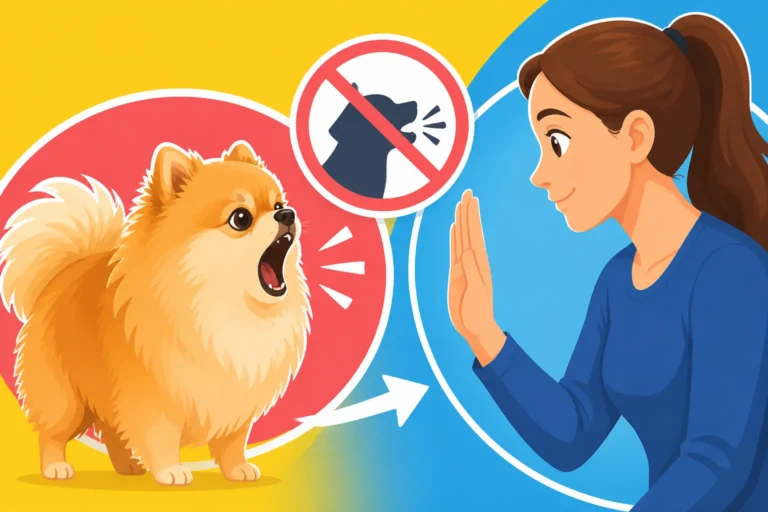
Equally important is teaching calm body language. This means no running, no shouting, and no sudden movements around the dog. Explain to your child that Poms are small and can get scared easily by loud noises or quick actions. Instead, teach them to approach the Pomeranian slowly, perhaps by sitting down on the floor first, making themselves smaller and less intimidating. Model this behavior yourself consistently. When you interact with your Pomeranian, do so calmly and gently, allowing your children to see and emulate your actions. This helps instill a sense of calm and respect around the dog, making it a much more pleasant experience for everyone involved. Remember, consistency is crucial; every adult in the home needs to reinforce these rules.
The "Still as a Statue" Rule for Unsolicited Approaches
To manage those spontaneous moments when a child might feel the urge to chase, introduce the "Still as a Statue" rule. This is a simple, easy-to-understand concept for children. Explain that if the Pomeranian is walking by, or if they suddenly feel excited and want to run towards it, they need to immediately freeze and stand "still as a statue." Their hands should be at their sides, and their body completely still. This prevents the chase from starting and gives the Pomeranian a chance to move away or approach on its own terms, if it chooses.
Reinforce this rule with positive feedback. If your child sees the Pomeranian and freezes, even for a moment, praise them lavishly: "Great job being a statue! You kept [Pomeranian's Name] safe!" You can even turn it into a fun game where they practice being statues when the dog is in the room. This rule teaches self-control and respect for the dog's space, which is critical for such a small breed. It also empowers the child by giving them a concrete action to take, rather than just a vague "don't chase." This simple rule helps foster a safer environment, allowing your Pomeranian to feel more secure around children.
Designated Interaction Times and Active Supervision
One of the biggest mistakes we can make as Pomeranian parents is assuming that children and dogs will just figure it out. Especially with small, delicate breeds like Poms, every interaction between children and the dog must be actively supervised. This isn't about distrusting your child or your dog; it's about setting them both up for success and preventing accidents before they happen. Think of yourself as a referee, ensuring fair play and good communication on both sides.
Instead of allowing free-for-all interactions, establish designated "Pomeranian time" or "gentle play time" where you are fully present and can guide the interaction. During these times, you can explicitly teach children how to Teaching a Child to Hold a Pomeranian or how to play safely with appropriate toys, not their own hands. If you need to step away, even for a moment, separate the child and the dog. This might mean placing the Pomeranian in a designated safe space or having the child move to another room. A playpen or a separate room can be invaluable here. Never leave a child and a Pomeranian unattended, even for "just a second," because that "second" is often all it takes for an accident to occur. This diligent supervision not only prevents chasing but also builds a foundation of trust and positive association for both child and dog.
Using Tools and Resources for Successful Training
When it comes to teaching children about safe interactions with dogs, you don't have to go it alone. There are fantastic resources available that can make this process smoother and more effective for the entire family. Incorporating these tools can enhance your efforts and provide structured guidance.
One excellent option for learning dog-friendly manners as a family is through online dog training programs. For example, platforms like BAXTER & Bella offer comprehensive online courses that can teach you and your children how to communicate effectively with your Pomeranian and build a strong, respectful bond. They often include modules on polite greetings, understanding dog body language, and engaging in appropriate play. These programs can be particularly helpful because they offer step-by-step guidance that you can follow at your own pace, right from your living room. Having a structured curriculum can make the learning process clear and enjoyable for everyone.
Beyond structured courses, there are numerous physical tools and educational materials that can aid your efforts. Books aimed at children about dog safety can be invaluable, using age-appropriate language and illustrations to convey important messages about respecting a dog's space and understanding their signals. You can often find a wide selection of these educational books on Amazon, tailored to different age groups. Furthermore, having specific toys for interactive play that keep children's hands away from the dog's mouth, like long-handled flirt poles or soft fetch toys, can redirect chasing energy into appropriate, supervised games. Remember, consistency in using these tools and resources will solidify the lessons for both your child and your Pomeranian, reinforcing a culture of safety and respect in your home.
Creating a Safe Environment for Your Pomeranian
Even with the best intentions and consistent training, children can be unpredictable, and Pomeranians are small and quick. Establishing a physical environment that minimizes opportunities for accidental chasing and provides your Pomeranian with a secure retreat is paramount. Think of it as creating layers of safety, ensuring your little companion always has a refuge when needed.
Establishing a "Pomeranian Zone"
Every Pomeranian, especially in a home with active children, needs a designated "safe zone" – a place where they can retreat and be completely undisturbed. This isn't a punishment; it's their personal sanctuary, a quiet corner where they can nap, chew a toy, or simply observe the household from a distance without feeling vulnerable. This space should be off-limits to children, and it's essential that everyone in the family understands and respects this boundary.
This Pomeranian Zone could be a comfy crate with a soft bed, a cozy dog bed tucked into a quiet corner of a room, or even a playpen set up in an area away from the main thoroughfare of activity. Teach your children that when the Pomeranian is in its zone, they are not to approach, touch, or bother the dog. It's a fundamental lesson in respecting boundaries and Building a Pomeranian's Independence. You can even give this area a special name, like "Poppy's Palace" or "Buddy's Bedroom," to make it more concrete for children. By providing this sanctuary, you empower your Pomeranian to regulate its own interactions, reducing stress and preventing situations where it might feel cornered or chased.
Utilizing Barriers and Gates Effectively
Physical barriers are your best friends in managing interactions between small children and a Pomeranian. Even with the best training, a gate provides an undeniable boundary that prevents impulsive chases or accidental bumps. Baby gates or pet gates are incredibly effective for creating temporary separation when you can't offer 100% active supervision, or when you simply need to give your Pomeranian a break from the hustle and bustle of family life.
There are many types of gates available, from pressure-mounted ones that are easy to install in doorways to hardware-mounted gates for more permanent solutions, and you can find a good variety on Amazon. When choosing a gate, ensure the vertical bars are close enough together that your Pomeranian can't squeeze through. Use gates to block off rooms where your Pomeranian might be resting, or to separate areas where children are playing rambunctiously. For instance, if your children are having a high-energy play session in the living room, a gate can keep your Pomeranian safely in an adjacent room or contained in their "Pomeranian Zone" until things calm down. This simple physical separation is not only crucial for preventing chasing but also helps protect your Pomeranian from unexpected tumbles or being stepped on, reinforcing the message that Whether a Pomeranian Is Too Fragile for a Family Home is a serious consideration.
Teaching Children to Respect the Dog's Space
Beyond physical barriers and designated zones, instilling a deep respect for your Pomeranian's personal space is a vital, ongoing lesson. It goes beyond just not chasing; it's about understanding and honoring the subtle cues your dog gives. Teach your children to observe their Pomeranian's body language. If the dog yawns, licks its lips, turns its head away, or walks away, these are all signs that it needs space. We've previously discussed A Pomeranian That Hides From Children, which is a clear indicator that the dog feels overwhelmed.
Explain that these are the Pomeranian's ways of saying, "I need a break," and that it's important to listen. You can use phrases like, "Look, [Pomeranian's Name] is telling us he wants to be left alone right now," or "He's chosen to rest in his bed, let's let him have his peace." This helps children develop empathy and a more nuanced understanding of animal communication. Encourage them to be observant and to let you know if the dog seems uncomfortable. This training not only safeguards your Pomeranian but also teaches children valuable lessons about consent, boundaries, and respecting others' feelings, lessons that extend far beyond their interactions with the family pet.
When to Seek Professional Help and Resources
Despite your best efforts and consistent application of these strategies, sometimes the dynamic between children and a Pomeranian can be challenging to manage on your own. It's important to recognize when the problem has escalated beyond what you can comfortably or safely handle, and to know that seeking professional help is a sign of responsible pet ownership, not failure.
Recognizing Persistent Problems and Escalation
It's natural for there to be a learning curve when integrating children and a Pomeranian, but there are clear signs that indicate a persistent problem or an escalation of unsafe behaviors. If your Pomeranian consistently growls, snaps, nips, or attempts to bite children, even in seemingly benign interactions, this is a serious red flag. These are not minor behavioral quirks; they are desperate pleas from a dog that feels threatened or overwhelmed. We've explored A Pomeranian That Growls at Visiting Kids before, and persistent growling indicates a deeper issue that requires intervention. Similarly, if your child's chasing behavior is relentless, despite your consistent efforts, and they seem unable to grasp the concept of respecting the dog's space, this also signals a need for external help.
Other concerning signs include your Pomeranian constantly hiding, showing extreme fear whenever children are present, or developing stress-related physical symptoms like excessive shedding, pacing, or loss of appetite. If you find yourself in a constant state of anxiety about interactions, or if the "Pomeranian Zone" feels more like a permanent exile than a temporary retreat, it's time to acknowledge that the situation may be more complex than can be resolved with at-home strategies alone. Ignoring these signs can lead to more severe incidents, potentially causing injury to either the dog or the child, and severely impacting the quality of life for your Pomeranian.
Finding a Qualified Professional for Guidance
When you recognize that professional help is needed, the next crucial step is finding the right professional. This isn't just any dog trainer; you need someone experienced in canine behavior, particularly with small breeds, and ideally, someone who understands family dynamics and child-dog interactions. Look for certified professional dog trainers (CPDT-KA) or certified applied animal behaviorists (CAAB). These individuals have specific training in understanding and modifying animal behavior, and they often use positive, force-free methods that are safe and effective for both dogs and children.
A qualified professional will conduct a thorough assessment of your specific situation, observing interactions, asking detailed questions about the dog's history, the children's ages, and the household environment. They can help you understand the root cause of the chasing behavior (from the child's perspective) and the fear/reactivity (from the Pomeranian's perspective). They can then develop a tailored behavior modification plan, which might include specific exercises for Teaching a Pomeranian to Be Approached calmly, strategies for children to manage their impulses, and techniques for desensitizing your Pomeranian to children's movements. They may also suggest environmental adjustments or recommend specialized tools to aid in the process. Investing in professional guidance is an investment in the safety and happiness of every member of your family, ensuring a peaceful cohabitation between your children and your beloved Pomeranian.
Common Mistakes to Avoid When Managing Child-Pomeranian Interactions
Even with the best intentions, it's easy to fall into certain traps that can inadvertently exacerbate the problem of children chasing a Pomeranian or create other behavioral issues. Being aware of these common pitfalls can help you steer clear of them and maintain a safer, more harmonious household for everyone. It's about consciously building a positive relationship, rather than letting negative patterns take root.
Assuming a Pomeranian Will "Just Get Used To" Children
One of the most dangerous assumptions an owner can make is that their Pomeranian will simply "get used to" children, or that given enough time, the dog will adapt to being chased or grabbed. This rarely happens, especially with small, delicate breeds like Pomeranians. In fact, the opposite is often true: repeated negative experiences, such as being chased or feeling overwhelmed, can lead to increased fear, anxiety, and defensive behaviors. A Pomeranian that constantly feels threatened will likely become more reactive, not less.
Think about it from your Pomeranian's perspective: if every interaction with a child involves feeling scared or cornered, why would they ever want to engage? This constant stress can have long-term impacts on their emotional well-being and even their physical health. Instead of passively waiting for adaptation, it's crucial to actively teach, manage, and supervise every interaction. We need to create positive associations and ensure every encounter is a calm, respectful one. Relying on passive exposure only teaches your Pomeranian that children are a source of stress, leading to a breakdown in trust and potential safety issues.
Punishing the Pomeranian for Reacting Out of Fear
When a frightened Pomeranian growls, snaps, or nips at a child who is chasing them, the immediate human instinct might be to punish the dog. This is a significant mistake and can be incredibly detrimental. A Pomeranian reacting with a growl or snap isn't being "mean" or "aggressive"; they are communicating their fear and their need for space. It's their warning signal, often a last resort when they feel their other attempts to escape or de-escalate have failed.
Punishing a dog for these warning signs can have severe negative consequences. If you scold or physically correct a Pomeranian for growling, you are effectively teaching them that giving a warning is unacceptable. This doesn't make the fear go away; it just teaches them to suppress the warning. The next time they feel threatened, they might skip the growl and go straight to a bite, which is far more dangerous. Instead, when a Pomeranian gives a warning, remove the child from the situation immediately and calmly. Respecting their warnings teaches them that their communication is heard and that they don't need to escalate to protect themselves. Address the underlying cause of the fear, which is often the child's behavior, rather than punishing the dog for expressing a legitimate emotion.
Inconsistent Rules and Supervision
Children and dogs thrive on consistency. When rules around interactions are inconsistent, it creates confusion and can undermine all your training efforts. For example, if some days children are allowed to approach the Pomeranian freely, and other days they are expected to be "still as a statue," the boundaries become blurred. Similarly, if supervision is sporadic – sometimes diligent, sometimes lax – both the child and the dog will struggle to understand what is expected of them.
Inconsistency is a common reason why house training a Pomeranian can drag on, and it's equally problematic in managing child-dog interactions. If a child sometimes gets away with chasing the dog, they learn that the rule isn't absolute. If the Pomeranian is sometimes left vulnerable, they learn they can't always rely on you for protection. This instability breeds anxiety in your Pomeranian and reinforces undesirable behaviors in your child. Every adult in the household must be on the same page, consistently enforcing the rules, supervising interactions, and utilizing tools like gates or the "Pomeranian Zone" without exception. Clear, consistent boundaries and vigilant supervision are the bedrock of a safe and respectful home for both your children and your precious Pomeranian.
Maintaining a Happy and Harmonious Home
Creating a peaceful environment where children and a Pomeranian can coexist safely and happily is an ongoing journey, not a destination. It requires continued effort, adaptation, and a deep understanding of both your child's developmental stage and your Pomeranian's unique needs. By embracing these principles, you can foster a loving and respectful relationship that enriches everyone's lives.
Continuing Education for Both Children and Adults
The learning doesn't stop once you've implemented initial training. As children grow and their understanding evolves, so too should your conversations about respecting your Pomeranian. Toddlers might need constant reminders about gentle hands, while older children can learn more nuanced aspects of dog body language and even participate in training sessions to strengthen their bond. Discussing things like Whether a Pomeranian Likes Being Held and how to pick them up properly can evolve with their age. Make it a continuous dialogue, adapting your approach as your child matures.
For adults, continuing education means staying informed about positive reinforcement techniques and understanding canine behavior. Organizations like the American Kennel Club often have resources on safe child-dog interactions. It also means recognizing when new challenges arise—perhaps when your Pomeranian ages and needs more space or when new children visit the home. Being proactive and open to learning helps prevent complacency and ensures that your strategies remain effective as family dynamics change. This commitment to ongoing education builds a solid foundation of respect and understanding for years to come.
The Role of Positive Reinforcement and Rewards
Positive reinforcement is a powerful tool, not just for dog training, but also for shaping children's behavior. When your child interacts gently with your Pomeranian, or respects its space, offer specific and enthusiastic praise. "I love how softly you're petting [Pomeranian's Name]!" or "Thank you for letting [Pomeranian's Name] sleep undisturbed in their bed, that makes them feel so safe." This makes children feel good about their actions and encourages them to repeat desirable behaviors. For your Pomeranian, reward calm interactions with children with high-value treats or gentle praise, creating positive associations.
Consider using a visual reward system for children, like a sticker chart, where they earn stickers for demonstrating safe and gentle interactions. Once they collect a certain number of stickers, they might earn a special activity with the dog (always supervised, of course) or a small, non-dog-related reward. This gamified approach can make learning fun and motivating. Remember, the goal is to create an environment where everyone feels safe, loved, and valued, and positive reinforcement is the most effective way to achieve this, nurturing a bond built on trust and mutual respect.
Celebrating the Unique Bond Between Children and Pomeranians
Ultimately, all these efforts are about fostering a beautiful and unique bond between your children and your Pomeranian. When done correctly, this relationship can teach children empathy, responsibility, and unconditional love. There's nothing quite like witnessing a child gently cuddling their Pomeranian, understanding its needs, and respecting its boundaries. These are precious moments that build character in children and provide immense comfort and companionship for your dog.
Encourage supervised, calm activities that build this connection, such as reading quietly to the Pomeranian, gently brushing its coat (if the dog enjoys it and is comfortable), or simply sharing a calm space on the couch. Teach children how to read to the dog without bothering it, or how to participate in short, positive training sessions using treats. Teaching a Pomeranian to Settle in a Pen can be a great supervised activity to involve children, helping them understand routines and boundaries. These shared experiences, built on a foundation of respect and safety, will create lasting memories and deep affections. Your Pomeranian isn't just a pet; it's a cherished family member, and by guiding these interactions thoughtfully, you ensure that it can thrive and truly be a part of your family's heart for many happy years.
| Child Behavior (Unsafe) | Pomeranian Reaction (Likely) | Safer Alternative for Child | Why It Works |
|---|---|---|---|
| Chasing the dog | Flight, fear, hiding, snapping | "Still as a Statue" | Prevents dog feeling hunted, allows dog to choose approach. |
| Grabbing or pulling | Pain, fear, defensive snap | Gentle petting on back/shoulder | Respects dog's body, avoids sensitive areas. |
| Loud noises or yelling | Startle, anxiety, fear | Calm, quiet voice | Reduces stress, helps dog feel secure. |
| Approaching quickly/running | Startle, perceive as threat | Slow approach, sit down | Appears less intimidating, allows dog to assess. |
| Invading dog's "zone" | Stress, guarding, retreat | Respecting designated safe space | Gives dog control, provides necessary rest. |
| Unsupervised interaction | Potential injury, fear-biting | Constant adult supervision | Prevents accidents, ensures positive learning. |
Disclaimer
This article is for general informational purposes only and does not constitute professional advice. Laws, prices and regulations vary by location and change over time. Consult a qualified professional for guidance on your specific situation.