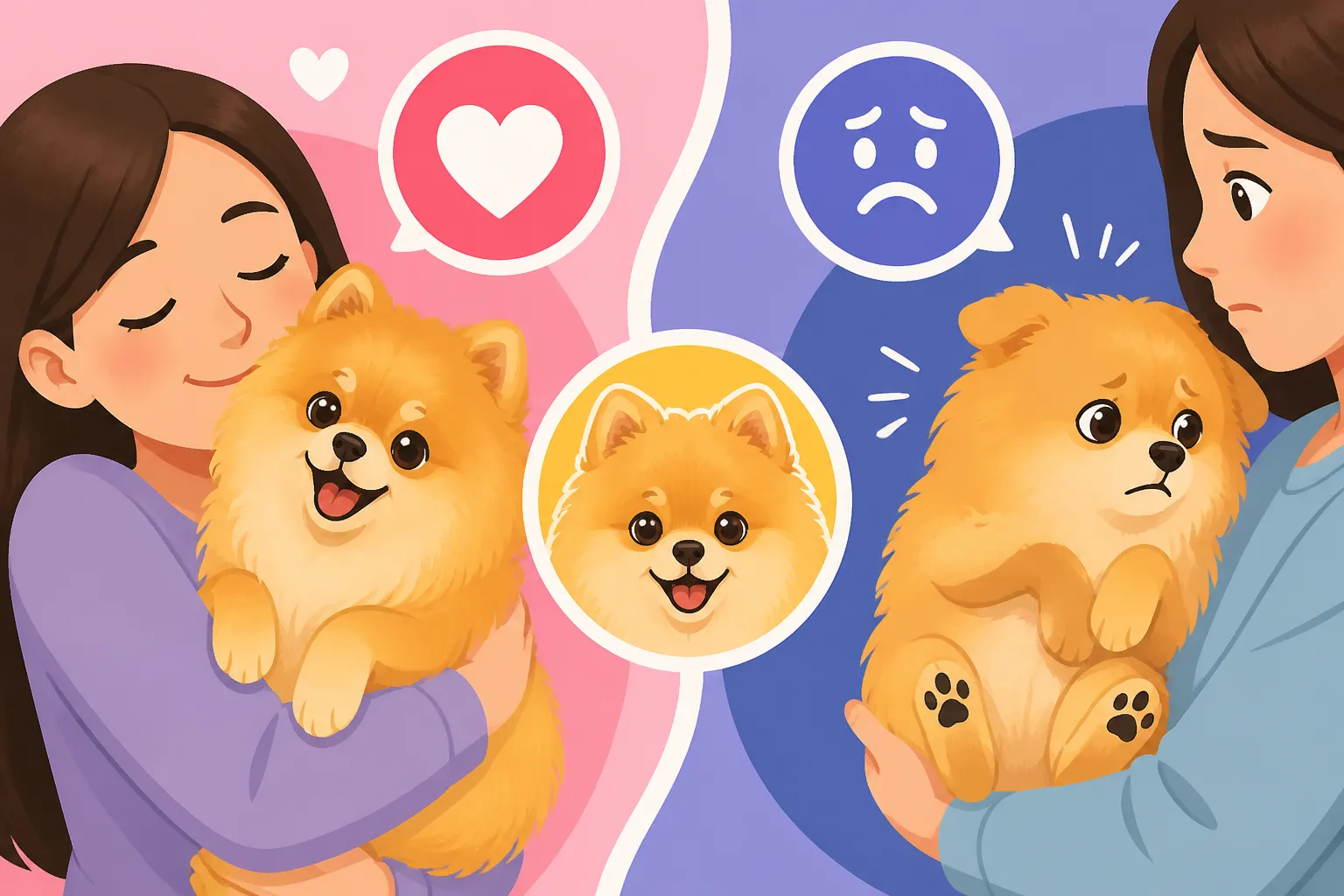
Whether a Pomeranian Likes Being Held
It’s a natural impulse to want to scoop up your adorable Pomeranian and shower them with cuddles. After all, they’re so small and fluffy! But many Pom owners find themselves wondering if their little companion actually enjoys being held, or if they're simply tolerating it, perhaps even showing subtle signs of discomfort. This guide will help you understand your Pomeranian's unique preferences, interpret their body language, and teach you how to create positive associations with being held, ensuring these moments are truly bonding experiences for both of you.
Understanding the Pomeranian's Nature and Holding Preferences
Pomeranians, despite their dainty size, carry the proud spirit of their Spitz ancestors. They're often confident, spirited, and quite independent, which sometimes means they have strong opinions about physical touch and personal space. It's not always about being "snuggly" in the traditional sense; it's about connection on their terms.
The Independent Spirit of a Small Dog
Many small dog breeds, Poms included, can develop what’s sometimes called "small dog syndrome" if not socialized and trained properly. This isn't a true syndrome, but a collection of behaviors often excused in tiny dogs that wouldn't be tolerated in a larger breed – things like excessive barking, nipping, or demanding attention. Part of this can manifest in how they interact physically. A Pomeranian who is constantly picked up without choice, or who feels trapped, might develop an aversion to being held, even if it's done out of love. They might start to associate hands reaching for them with a loss of control, leading to a quick dart away or even a grumble.
It's crucial to remember that your Pomeranian isn't a toy. They are intelligent, sentient beings with their own preferences. Just like some people love hugs and others prefer a respectful distance, dogs have individual personalities. Some Poms might be naturally more affectionate and love being cradled, while others prefer to be near you but not necessarily on you. Ignoring this can lead to friction and anxiety for your little one. Think about how you train them in other areas, like house training a Pomeranian, or getting them to respond to their name – it requires understanding their perspective.
The Importance of Early Socialization and Handling
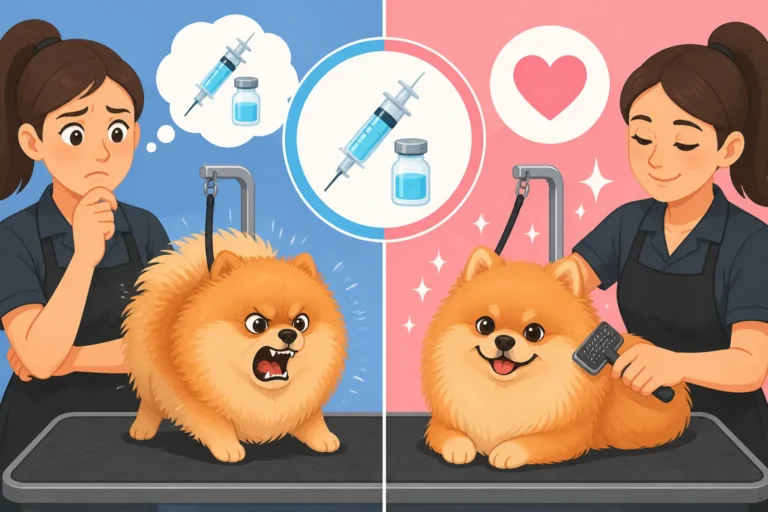
The foundation for a Pomeranian who is comfortable with being held often begins in puppyhood. Early, positive exposure to being handled, picked up, and cuddled gently helps them develop trust and a sense of security. A puppy that is frequently handled by various family members in a calm, supportive way is more likely to grow into an adult who enjoys or, at the very least, tolerates being held. This isn't just about cuddles; it extends to necessary care like grooming, nail trims, and vet visits. If your Pomeranian screams during brushing, it might stem from a lack of positive handling experiences early on.
If you have a young Pomeranian, make these interactions short, sweet, and always accompanied by praise and tiny, high-value treats. You can find excellent resources on positive reinforcement training for puppies, sometimes even online platforms like BAXTER & Bella, which can guide you through these crucial early weeks. The goal is to make physical interaction a positive experience, not something they feel forced into. Don't push them past their comfort level; a little bit of positive interaction goes a long way, and stopping before they show signs of stress leaves them wanting more.
Signs Your Pomeranian Enjoys or Tolerates Being Held
Understanding your Pomeranian's body language is the key to knowing whether they genuinely enjoy being held, are merely tolerating it, or are actively uncomfortable. These tiny dogs communicate a lot with subtle cues, and learning to read them will strengthen your bond and ensure their comfort.
Reading the Cues: Contentment vs. Discomfort
A happy Pomeranian in your arms will usually look relaxed. Their body will be soft, not stiff. Their tail might wag gently, or be held in its usual happy curl over their back, not tucked between their legs. You might notice soft eyes, a relaxed mouth, and even a little lick or lean into your body. They may settle in and even close their eyes, indicating deep comfort.
On the flip side, signs of discomfort can be subtle. A stiff body, a tail tucked tight, wide eyes showing the whites, a furrowed brow, or ears flattened against their head are all red flags. They might try to pull away, squirm, or even let out a small whine or grumble. Some Poms might hold their breath slightly, or yawn excessively, which can be a stress signal. Licking their lips, panting when not hot, or repeatedly turning their head away from you are also signs that they're not enjoying the interaction. It's important to differentiate these from a playful wriggle; a playful Pom might still be loose-bodied and engaged.
Here's a quick reference table to help you distinguish between a comfortable and uncomfortable Pomeranian:
| Sign of Comfort | Sign of Discomfort |
|---|---|
| Relaxed, soft body | Stiff, rigid body |
| Gentle tail wag or relaxed curl | Tail tucked or held very low |
| Soft, blinking eyes | Wide, staring eyes (whale eye) |
| Relaxed mouth, gentle panting | Tight mouth, lip licking |
| Leaning into your body | Leaning away, pulling back |
| Settling down, perhaps closing eyes | Squirming, trying to jump down |
| Soft sighs or gentle nudges | Low growl, whine, or snap |
| Ears relaxed, slightly to the side | Ears flattened or pulled back |
When Tolerance is the Best You Can Hope For
For some Pomeranians, especially those who weren't well-socialized as puppies or who have had negative experiences, genuine enjoyment of being held might not be achievable. In these cases, aiming for tolerance is a realistic and kind goal. A tolerant Pom won't fight you or show overt signs of stress, but they won't necessarily melt into your arms either. They might simply stand still, waiting for the interaction to end, or look away.
If your Pom consistently shows signs of discomfort, even subtle ones, pushing the issue can damage your relationship and teach them that your hands mean something unpleasant. Instead, focus on building trust in other ways. Maybe they prefer to sit next to you on the couch, or enjoy a gentle stroke while they're on the floor. Respecting their boundaries is a profound way to show love. You want to make sure your Pomeranian feels safe and secure, whether that's in your arms or by your side. Teaching a Pomeranian to Be Picked Up Properly can be a great step in fostering this trust.
How to Build Positive Associations with Being Held
If your Pomeranian isn't keen on being held, don't despair! You can absolutely work to build more positive associations. It's a gradual process built on trust, consistency, and making every interaction a rewarding one.
The "Consent Test" and Short, Sweet Sessions
Before you even pick up your Pomeranian, try the "consent test." Offer your hand gently, inviting them closer. If they approach, sniff your hand, and lean into it, that's a good sign. If they back away, turn their head, or ignore you, respect that signal. Don't force the interaction.
When you do pick them up, keep initial sessions incredibly short – literally just a few seconds. The moment they are in your arms, give them a high-value treat immediately. Then, gently place them back down. This teaches them: "Being picked up means good things, and it ends quickly." Gradually increase the duration as they become more comfortable. This positive reinforcement training builds confidence and trust, making the experience pleasant for them. Remember, for a small dog, even a few seconds can feel like an eternity if they're anxious. Many positive reinforcement techniques used in puppy classes, like those recommended by BAXTER & Bella, emphasize rewarding desired behaviors.
Using Treats and Praise to Create a Happy Experience
Food is a powerful motivator for many Pomeranians. Always have small, delicious treats on hand when you're working on holding. The sequence should be: reach, pick up, immediate treat, praise, gentle release. You can use a specific word like "Up!" right before you lift them, creating a consistent cue. Over time, they’ll associate the word "Up!" with yummy treats and a positive, temporary experience.
Beyond treats, genuine praise and gentle, soothing words are incredibly important. Your voice should be calm and reassuring. Avoid using a high-pitched, excited voice if your dog is already nervous, as this can inadvertently heighten their anxiety. The goal is to make them feel safe and secure, not hyped up. You want them to relax in your arms, not feel like they're about to go on a rollercoaster. This careful approach is similar to what's needed for Teaching a Pomeranian to Stand Still for the Brush, where calm repetition makes all the difference.
Consider also the environment. If your Pom is generally shy or fearful, start this training in a quiet, familiar space where there are no distractions or loud noises. A bustling room with lots of people or other pets might be too overwhelming, making them less likely to cooperate.
Safe and Respectful Ways to Hold a Pomeranian
Holding a Pomeranian safely isn't just about comfort; it's about protecting their delicate body, especially their joints and windpipe. Their small size means they are more susceptible to injury if not handled correctly.
Supporting Their Delicate Frame
When you pick up your Pomeranian, always use two hands. One hand should support their chest and front legs, while the other cradles their hindquarters. Never pick them up by their front legs, scruff, or under their armpits alone, as this puts undue stress on their shoulders and spine. Imagine how it would feel if someone lifted you only by your armpits! Their body should feel fully supported, like they’re sitting in a hammock.
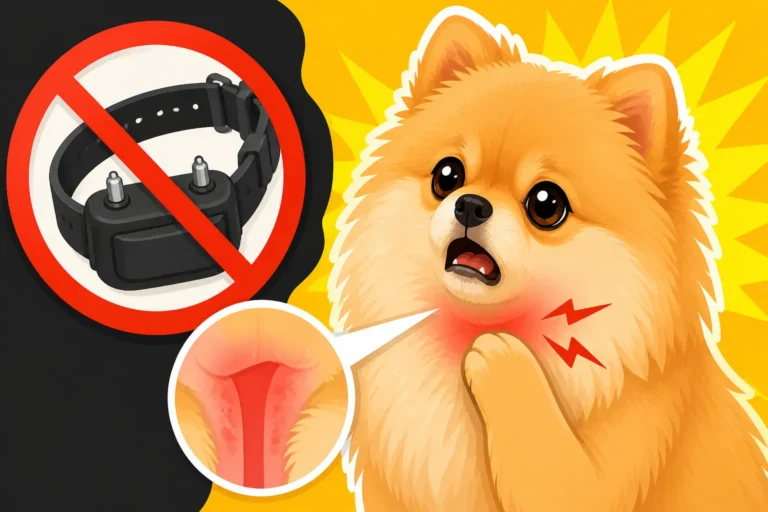
It's also crucial to be mindful of their fragile trachea. Pomeranians are prone to The Honking Cough of a Pomeranian's Collapsing Windpipe, and pressure on their neck or throat can exacerbate this condition. Ensure no fingers or hands are pressing on their throat when you hold them. A gentle, supportive hold is always best. When putting them down, do so smoothly, ensuring all four paws land on a stable surface at the same time. Never drop them, even a short distance, as this could lead to injuries like Slipping Kneecaps in a Five Pound Pomeranian.
Many owners find slings or carriers helpful for carrying their Poms, especially when out and about. You can find a wide variety of these on platforms like Amazon. These can be great for dogs who prefer to be close but not directly handled for extended periods, or for those whose legs aren't up for long walks.
Respecting Personal Space and When to Put Them Down
Even the most cuddly Pomeranian needs their personal space respected. Always allow them to initiate contact if possible. If they come to you and nudge your hand, that's an invitation. If they're resting peacefully in their bed, reaching in and scooping them up might be unwelcome.
Learn to recognize when your Pomeranian has had enough. If they start to squirm, yawn, lick their lips, or turn their head away, it's time to gently put them down. Ending the interaction on their terms, before they become agitated, reinforces trust. You're showing them that you respect their boundaries and that being held is a choice, not a command. This builds a positive association that can encourage them to seek out cuddles more often in the future.
Think about how you teach children not to constantly pick up the dog. The same principles apply to adults. Teaching a Child to Hold a Pomeranian emphasizes gentle handling and knowing when to release. It’s about creating a safe and mutually enjoyable relationship, not one where the dog feels constantly overwhelmed or controlled. Remember, your Pomeranian loves you, and by respecting their comfort, you deepen that bond immeasurably.
Disclaimer
This article is for general informational purposes only and does not constitute professional advice. Laws, prices and regulations vary by location and change over time. Consult a qualified professional for guidance on your specific situation.