Teaching a Child to Hold a Pomeranian
One of the most heartwarming sights can be a child interacting gently with a beloved family pet. However, when that pet is a tiny, spirited Pomeranian, the thought of small, excitable hands trying to hold such a delicate creature can fill any parent or Pom owner with a knot of anxiety. This guide is here to walk you through how to responsibly and safely teach a child to hold a Pomeranian, ensuring both your precious pup and your little one stay happy and out of harm's way.
Understanding Why Poms Are So Fragile for Young Hands
It's easy to look at a fluffy Pomeranian and think they're robust little bundles of fur. In reality, their small size and specific breed characteristics make them incredibly vulnerable, especially when it comes to interactions with well-meaning but often clumsy children. This isn't about scaring anyone, but about fostering a deep understanding that leads to proactive safety measures.
The Pomeranian's Delicate Bone Structure
Imagine something as small as a bird's bone – that's often the comparison for a Pomeranian's delicate skeletal system. Their bones are tiny and far more fragile than those of larger breeds, or even many other toy breeds. A child's natural instinct might be to grasp or squeeze, and even a gentle hug from an excited youngster can inadvertently put immense pressure on a Pom's ribs or spine. A fall, even from a short distance like a child's lap, can result in devastating injuries such as broken legs, fractured ribs, or spinal trauma. Puppies are even more susceptible, as their growth plates are still developing, making them extra vulnerable to injury that can impact their development for life. We’re talking about a dog that often weighs under seven pounds; their bodies simply aren’t built to withstand much impact. It’s crucial for children to understand that while a Pomeranian might look like a cuddly stuffed animal, it's a living, breathing creature with very real vulnerabilities.
The Pomeranian's "Toy Breed" Temperament
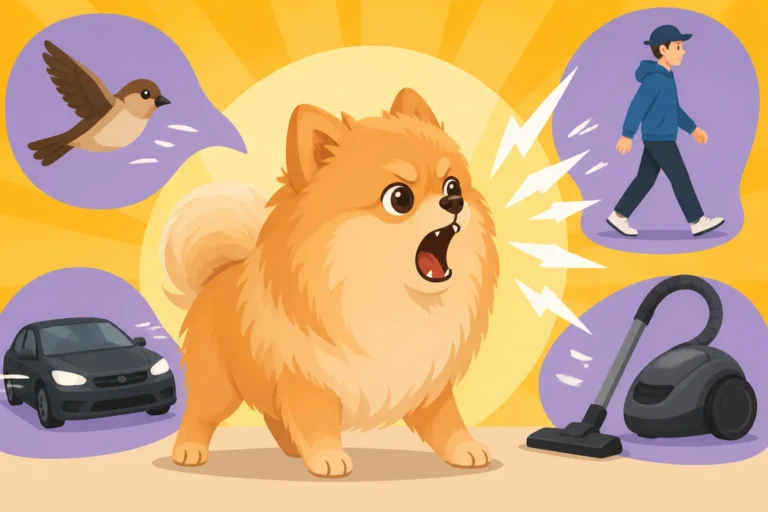
Beyond the physical fragility, Pomeranians also come with a distinct personality that can be misunderstood, especially by children. They are typically confident and intelligent, but also can be quite sensitive and prone to nipping if they feel threatened or uncomfortable. A child's sudden movements, loud noises, or an overly enthusiastic attempt to pick them up can trigger a fear response in a Pom. They might try to squirm out of a grip, leap from arms, or even snap as a warning. This isn't aggression; it's often a defense mechanism from a small dog feeling overwhelmed and trying to protect itself. It's a tiny creature asserting its need for space and safety. Teaching children to read these subtle cues – a slight stiffening, a quick lick of the lips, a turned head – is just as vital as teaching them how to hold. Ignoring these signs can lead to bites, and sadly, often leads to the dog being blamed when it was simply trying to communicate its distress. This is often the root of issues, as explained in articles like Why a Toddler Can Injure a Pomeranian by Accident.
Setting the Foundation Before Any Holding Happens
Before any child attempts to pick up a Pomeranian, it’s absolutely essential to establish a strong foundation of respect, gentle interaction, and clear boundaries. Rushing into holding can lead to negative experiences for both the child and the dog, potentially creating fear or aversion that’s hard to undo. Think of it as building a house – you need solid ground and a strong foundation before you put up the walls.
Teaching Respect and Gentle Interaction No Picking Up Yet
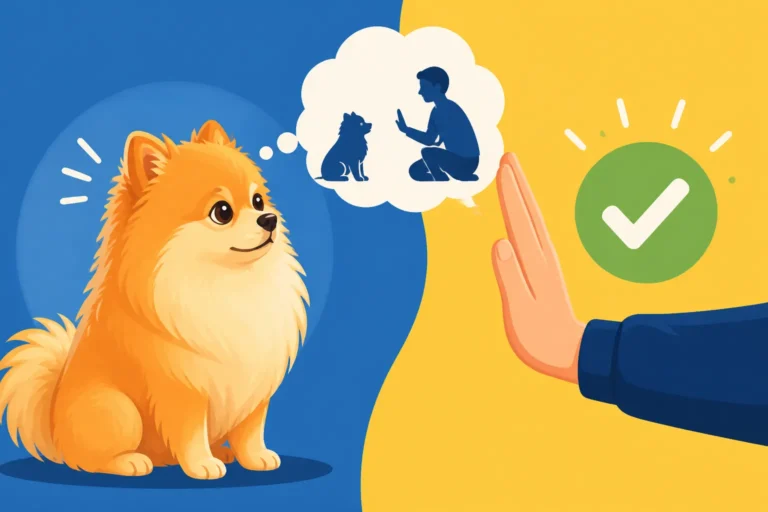
The very first step is to teach children to interact with the Pomeranian when all four of the dog's paws are firmly on the floor. This removes the immediate risk of dropping or improper handling. Start by having the child sit on the floor, allowing the Pomeranian to approach them on its own terms. If the Pom comes over, guide the child to offer a gentle hand, palm up, for the dog to sniff. Once the dog has sniffed, instruct the child to use "soft hands" – no grabbing, no sudden pats on the head. Instead, teach them to stroke gently along the dog's back or chest, avoiding sensitive areas like the face, tail, or paws initially. It's about teaching slow, predictable movements and light touches. Praise both the child for their gentleness and the dog for its calm acceptance. These initial interactions, always supervised, build trust and positive associations for both parties without the added complication of gravity.
Establishing Clear Rules for Both Child and Dog
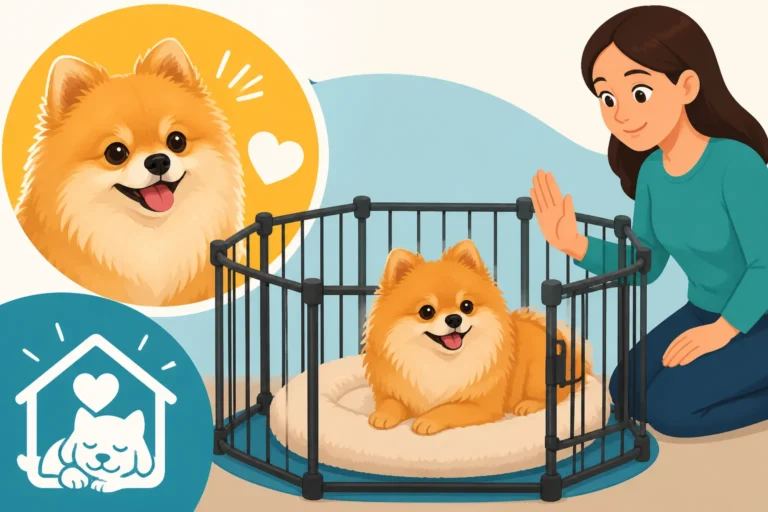
Clear, consistent rules are the bedrock of safe human-dog interactions, especially in a household with children and a small breed like a Pomeranian. The "four paws on the floor" rule should be paramount. This means that until a designated adult initiates and supervises, the Pomeranian is not to be picked up by any child. It teaches children patience and respect for the dog’s autonomy. Another crucial rule is establishing a designated "quiet time" or safe space for your Pom. This could be their crate, a bed, or a specific playpen area. When the Pomeranian is in this space, it means they are not to be disturbed. This teaches children to respect boundaries and gives the dog a much-needed retreat from energetic play. Furthermore, children should always be taught to ask an adult permission before attempting to interact with the Pomeranian, even if it's just for petting. This reinforces adult supervision and ensures that interactions happen only when it's safe and appropriate. Think of it like a polite knock before entering someone's room; it teaches respect for personal space, which is especially important for A Pomeranian in a House With Small Children.
The Proper Technique for Picking Up a Pomeranian
Once your child has mastered gentle interactions on the floor and consistently respects your Pomeranian's space and boundaries, you can start to introduce the concept of holding. This must always be done under strict adult supervision and with a focus on technique over duration. Improper lifting can cause pain, fear, or serious injury, so getting this right is paramount.
The Two-Handed Scoop Method
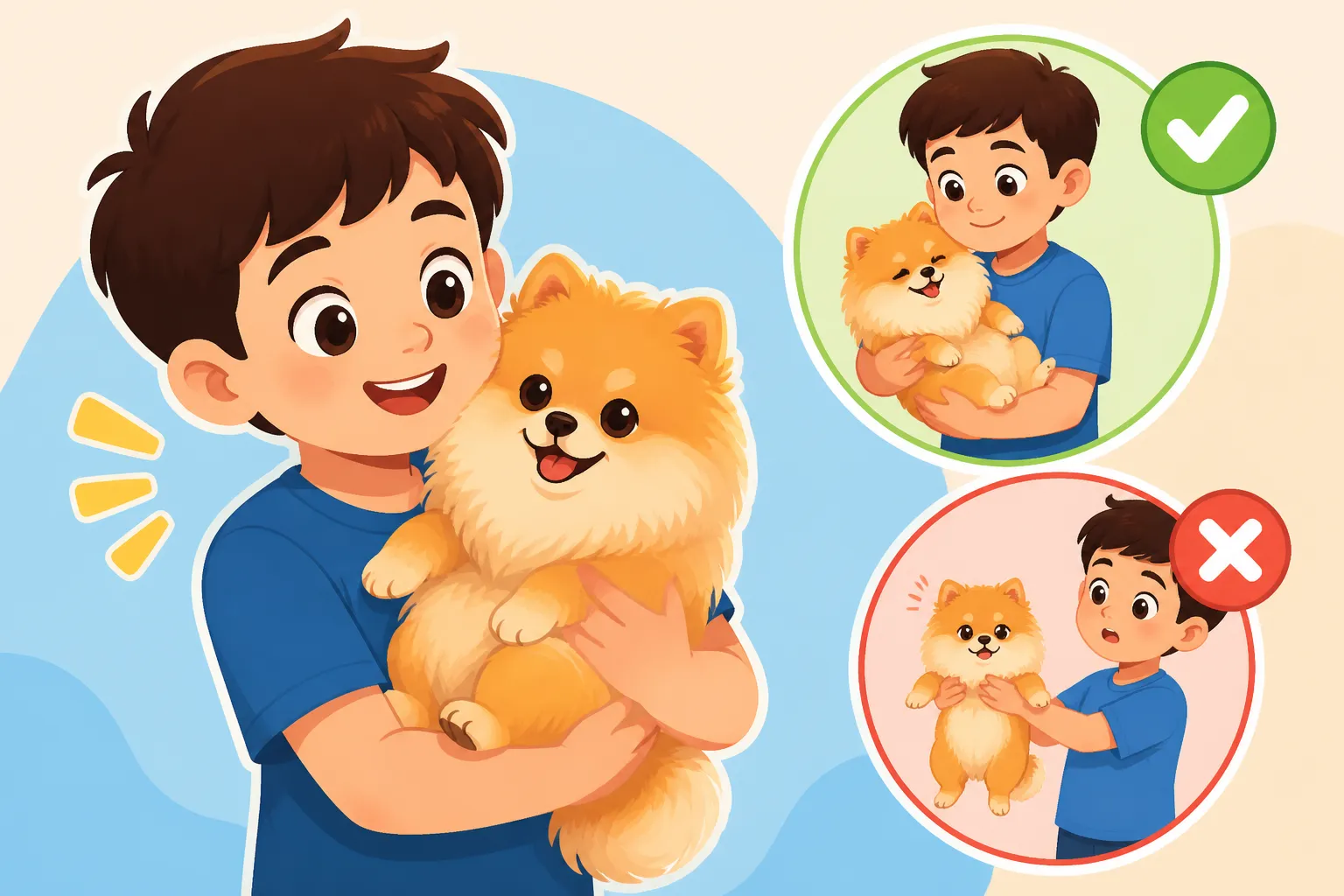
When it's time to teach your child how to pick up your Pomeranian, the two-handed scoop method is the safest and most supportive way. This isn't a quick grab or a one-handed lift by the armpits. Instead, demonstrate and guide your child to place one hand under the Pomeranian's chest, right behind its front legs, and the other hand firmly under its hindquarters to support its rear end and tail. The idea is to scoop the dog up, keeping its body horizontal and well-supported, like you're carrying a precious, fragile package.
Explain to your child that this technique distributes the dog's weight evenly, preventing undue pressure on any single part of its delicate spine or abdomen. Emphasize keeping the Pomeranian close to their body, almost like they're giving it a gentle hug as they lift. This closeness provides security for the dog and makes it harder for it to squirm or fall. Crucially, teach them to avoid letting the dog’s legs dangle. A dangling leg could be twisted or broken if the dog struggles. Practicing with a stuffed animal first can be incredibly helpful for children to get the motion down before they attempt to pick up your living, breathing Pom. Remember, consistency in this method is key to preventing accidental harm and building your Pomeranian's confidence in being handled.
Safely Holding a Pomeranian When Seated
After successfully learning the two-handed scoop, the next step is to teach your child how to safely hold a Pomeranian while seated. Standing up and walking around with a tiny, squirming dog is an advanced skill that even many adults struggle with, and it poses too great a risk for children. Insist that all holding sessions take place with the child sitting on the floor or on a very low, stable chair or couch.
Once seated, the Pomeranian should be placed gently in the child's lap, again with full body support. Guide the child to cradle the dog, with one arm supporting its body and the other hand providing gentle strokes or reassurance. The goal is to create a secure, comfortable "nest" where the Pomeranian feels stable and isn't likely to try and jump down. Remind your child to keep their movements slow and calm. No sudden shifting, no bouncing, and absolutely no attempting to stand up or walk around while the dog is in their arms. These sessions should be brief at first, perhaps only a minute or two, and always conclude on a positive note, with the dog being gently placed back on the floor. This controlled environment minimizes the risk of drops or struggles, helping both the child and the Pomeranian build confidence in these interactions.
Practicing Safe Handling Techniques and Supervision
Teaching a child to hold a Pomeranian is not a one-time lesson; it's an ongoing process that requires consistent practice, patience, and unwavering supervision. Just like any skill, it improves with repetition and careful guidance. The ultimate goal is to create positive experiences that foster a bond of trust and respect between your child and your furry family member.
Gradual Introduction and Short Practice Sessions
Think of this as a training exercise for both your child and your Pomeranian. Start with extremely short practice sessions, maybe just 30 seconds to a minute of holding while seated. Immediately reward both the child for their gentle handling and the Pomeranian for its calm demeanor. Positive reinforcement, whether it's verbal praise, a small, healthy treat for the dog, or a high-five for the child, solidifies the positive association.
As both the child's confidence and the Pomeranian's comfort level grow, you can gradually increase the duration of these holding sessions. Always keep them brief enough that neither the child nor the dog becomes overwhelmed or agitated. It’s better to have several short, positive interactions throughout the day than one long, stressful one. Look for cues from your Pomeranian – if they start to squirm, lick their lips, or look away, it’s a sign they’ve had enough. Promptly and gently end the session, placing them back down. This teaches the dog that they can trust you and the child to respect their boundaries. Gradually, these positive experiences will build a stronger bond and make handling a more routine and enjoyable part of their relationship.
Recognizing Warning Signs from Your Pomeranian
Understanding your Pomeranian's body language is arguably the most critical skill for anyone interacting with them, especially children learning to hold them. Pomeranians, like all dogs, communicate their comfort and discomfort long before they resort to growling or snapping. Teaching children to recognize these subtle "calming signals" is a vital safety measure.
Look for signs such as lip licking, yawning (when not tired), turning their head away, looking away, a stiffening of their body, or even a slight tremor. These are all indicators that your Pomeranian is feeling anxious, uncomfortable, or stressed. If you observe any of these signals during a holding session, it's an immediate cue to gently and calmly put the dog back down on the floor. Explain to your child, without scolding, that "Fido needs a break" or "Fido is telling us he wants to get down." If these early warning signs are ignored, the dog might escalate to a low growl or, in extreme cases, a snap or bite, as discussed in A Pomeranian That Snaps When Lifted. The key is to intervene before the situation reaches that point. Empowering your child to understand and respect these signals not only keeps everyone safe but also builds empathy and a deeper, more respectful relationship with their pet. Consistent adult supervision means you’re always there to interpret these signals and guide the interaction.
Essential Tools and Aids for Safe Interactions
Even with the best training and supervision, accidents can happen, and children and small dogs sometimes need a little extra help to coexist safely and happily. Having the right tools and creating a structured environment can significantly reduce risks and foster more positive interactions for everyone.
Creating a Safe Space for Your Pomeranian
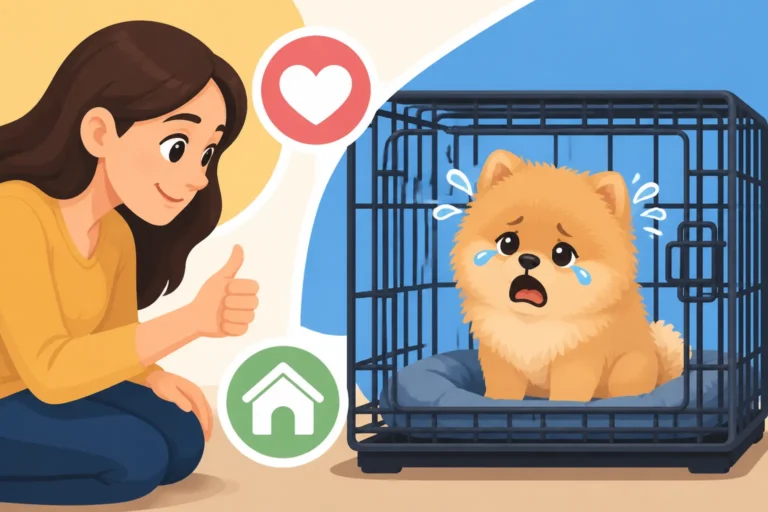
Every Pomeranian, especially in a household with active children, needs a designated safe space where they can retreat and be undisturbed. This isn't just a nicety; it's a necessity for their physical and emotional well-being. A crate can be an excellent choice, serving as a cozy den where your Pom can rest, feel secure, and know they won't be bothered. Teach children that the crate is the dog's private room and is always off-limits.
Another fantastic option is a sturdy playpen, which offers a larger enclosed area. A playpen allows your Pomeranian to move around, play with toys, and observe the family action from a safe distance, all while preventing children from chasing or cornering them. Many excellent playpen options are available on platforms like Amazon, from basic wire pens to more aesthetically pleasing wooden or plastic ones. Ensuring your Pomeranian has a comfortable bed or soft blanket within this space further enhances its appeal as a sanctuary. You might also consider baby gates to section off certain rooms, creating "dog-only" zones where your Pom can roam freely without risk of accidental trampling or over-enthusiastic play from children. Giving your Pomeranian agency over their space significantly reduces stress for everyone, as explored in Playpens for a Pomeranian Puppy.
Training Aids for Children and Poms
Sometimes, a little structured help goes a long way in fostering good behavior and safe interactions. For children, educational books or videos about dog body language and responsible pet ownership can be invaluable. These resources help them understand their Pomeranian's perspective and learn how to interact respectfully. For the Pomeranian, puzzle toys can be a great way to redirect their energy and provide mental stimulation, especially when they need a break from child interactions.
Consider investing in a family-focused dog training program. Services like BAXTER & Bella offer online resources and courses designed to integrate a new puppy or dog into a family setting, specifically addressing how children and dogs can coexist harmoniously. Such programs often teach foundational commands to your dog while simultaneously educating your children on appropriate handling and interaction. For instance, teaching your Pom a solid "go to your mat" command can be incredibly useful when child play gets too boisterous. These structured programs can provide invaluable guidance, support, and specific techniques tailored to your unique family dynamic, helping to bridge the communication gap between tiny humans and tiny canines. Even general Puppy Class Fees for a Three Pound Pomeranian can cover basic socialization and commands that benefit family life.
| Aspect | Proper Holding Technique (Child & Pom) | Improper Holding Technique (Child & Pom) |
|---|---|---|
| Child's Position | Always seated on floor or low, stable surface. | Standing, walking, or on high furniture. |
| Lifting Method | Two hands: one under chest, one under hindquarters (scoop method). | One-handed grab, lifting by armpits, scruff, or single limb. |
| Dog's Support | Full body supported, kept close to child's body. | Dangles limbs, not fully supported, held away from body. |
| Interaction Style | Calm, slow movements, gentle strokes. | Sudden movements, squeezing, rough petting, jiggling. |
| Duration | Short sessions, gradually increasing. Always end on a positive note. | Extended periods, forced holding, ignoring dog's signals. |
| Supervision | Constant, active adult guidance and intervention. | Left unsupervised, adult distracted, assuming child "knows better." |
| Dog's Reaction | Relaxed posture, soft eyes, may lean into child. | Stiffening, lip licking, yawning, looking away, struggling, growling. |
| Outcome | Positive bond, confidence, safety for both. | Stress, fear, potential injury for dog; frustration, potential bite for child. |
What to Do When Things Go Wrong and How to Prevent It
Despite all the best intentions and careful training, accidents can sometimes happen. Children are still learning, and even the most well-behaved Pomeranian can react unpredictably if startled or hurt. Knowing how to respond calmly and effectively is crucial, as is redoubling your efforts to prevent similar incidents in the future.
Accidental Drops or Scratches Immediate Steps
If, despite your best efforts, your Pomeranian is accidentally dropped or your child gets a scratch or nip, your immediate response is critical. First, take a deep breath. Panicking only escalates the situation. Gently separate the child and the dog. Assess your Pomeranian for any signs of injury. Even if they seem fine, a fall can cause internal injuries or fractures that aren't immediately obvious. Look for limping, yelping, unusual posture, or difficulty moving. A vet visit is always recommended after any fall, even a seemingly minor one, to rule out serious harm. This is especially true for such a fragile breed where conditions like Slipping Kneecaps in a Five Pound Pomeranian can be exacerbated by trauma.
At the same time, tend to your child. Clean any scratches or nips and offer reassurance. Avoid scolding the child, as this can create fear around the dog and make them hesitant to report future incidents. Instead, use it as a teaching moment to calmly discuss what happened, reinforcing the importance of the safe holding rules and emphasizing how delicate the Pomeranian truly is. Remind them that accidents happen, but our job is to learn from them and be even more careful next time.
Reinforcing Consistent Rules and Adult Supervision
The most powerful tool in preventing accidents with children and Pomeranians is consistent reinforcement of rules and unwavering adult supervision. After an incident, it's natural to feel frustrated or disheartened, but this is precisely when you need to be most vigilant. Re-evaluate your current routines. Are you truly supervising every interaction, or are there moments when attention slips? Remember that small dogs can be surprisingly fast and can get into trouble in an instant, even jumping off furniture as discussed in Why Jumping Off Furniture Wrecks a Pomeranian's Knees.
Reiterate the established rules with your children and all family members. This might mean going back to basics: more "four paws on the floor" time, more structured play, and a firmer enforcement of the Pomeranian's safe space. It’s also vital to ensure that your Pomeranian has an easily accessible escape route or a designated quiet zone where they can retreat when they feel overwhelmed. Never, under any circumstances, leave young children unsupervised with your Pomeranian, regardless of how "good" either of them typically are. Vigilance is not about being a drill sergeant; it's about being a loving, responsible guardian for both your child and your pet. Regular, gentle reminders, positive reinforcement for adherence to rules, and always being present and attentive during interactions are the hallmarks of a safe and harmonious household. Remember, articles like Why a Pomeranian Should Not Be Left on a Couch highlight the constant need for awareness regarding their safety.
Disclaimer
This article is for general informational purposes only and does not constitute professional advice. Laws, prices and regulations vary by location and change over time. Consult a qualified professional for guidance on your specific situation.