A Pomeranian in a House With Small Children
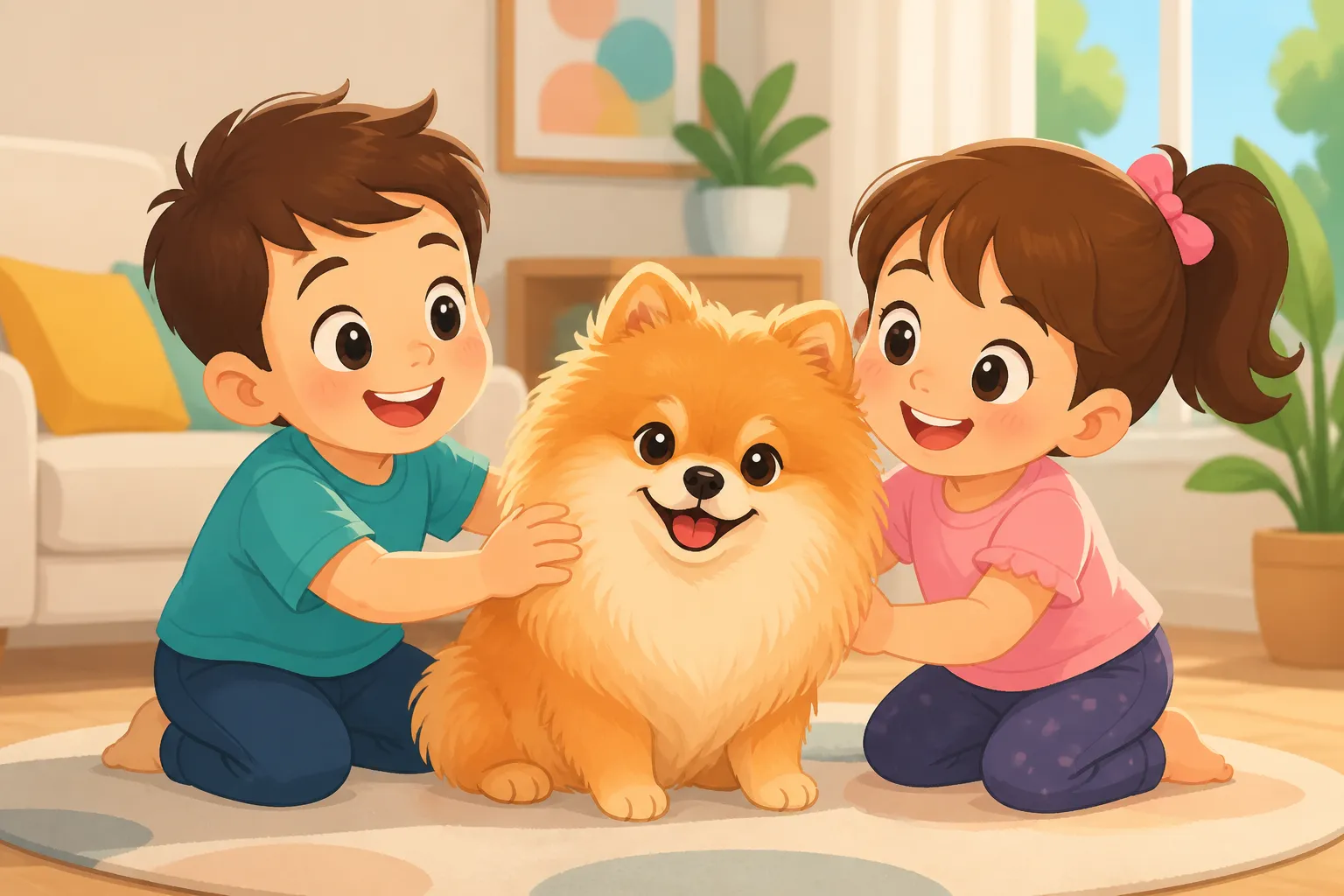
Bringing a Pomeranian into a home with small children, or bringing a new baby into a home with a beloved Pom, can feel like navigating a minefield. Many owners adore their fluffy companions and dream of them being best friends with their kids, but the reality can be complex. The stark difference in size, temperament, and understanding between a tiny, sometimes fragile Pomeranian and an enthusiastic, unpredictable small child can lead to stress, accidents, and even behavioral issues. This guide will help you understand these unique challenges and provide a roadmap to fostering a safe, respectful, and loving environment for everyone in your family.
Understanding the Pomeranian's Nature Around Children
Before we even begin talking about interactions, it's vital to truly grasp what makes a Pomeranian tick, especially when it comes to the boisterous energy of small children. They aren't just tiny, fluffy toys; they are dogs with specific instincts, a delicate build, and a unique temperament that needs careful consideration.
Their Delicate Size and Fragility
Let's face it, one of the biggest appeals of a Pomeranian is their small stature. They fit perfectly on our laps, in our arms, and seem to embody cuteness. However, this tiny size is also their greatest vulnerability, particularly in a household with young children. A Pomeranian typically weighs between three and seven pounds, making them incredibly fragile. Their bones are tiny, their internal organs are close to the surface, and they lack the sheer mass to withstand accidental bumps or falls.
A curious toddler, even one intending no harm, can accidentally step on, drop, or squeeze a Pomeranian with enough force to cause severe injury. A fall from a sofa or bed, which a larger dog might easily shrug off, can result in a broken leg, spinal injury, or even a concussion for a Pom. It’s not about malicious intent from the child; it’s simply the physics of a large, still-developing human interacting with a miniature, delicate creature. Understanding Why a Toddler Can Injure a Pomeranian by Accident is the first step in prevention. This isn't meant to scare you, but to highlight the absolute necessity of vigilant supervision and physical separation when children are young and still learning bodily control.
The Spitz Temperament: Independent and Alert
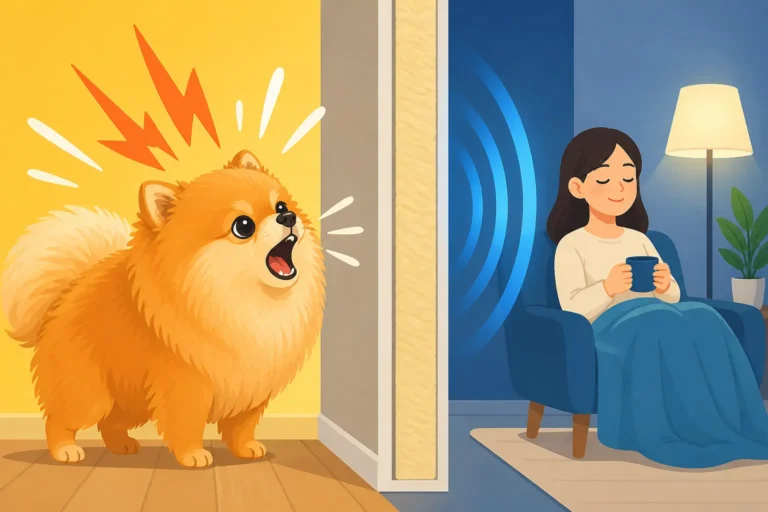
Pomeranians descend from much larger Spitz breeds, and while they've been miniaturized, they retain many of those ancestral traits. They are intelligent, often independent, and incredibly alert. This alertness, while making them excellent little watchdogs, can also be a source of conflict in a busy home with children. Every sudden movement, loud squeal, or dropped toy from a child can trigger their alarm system.
A Pomeranian is likely to bark at the doorbell, at passersby, and certainly at the unpredictable antics of a child. This isn't aggression; it's often their innate instinct to warn of perceived threats or changes in their environment. If a child approaches too quickly while the Pom is startled or resting, that alert nature can quickly turn into a defensive snap or growl. They aren't always keen on being picked up unexpectedly or jostled, even by loving hands. Their independence means they often prefer to interact on their own terms, which can be at odds with a child's desire for constant interaction.
Potential for Fear-Based Reactions
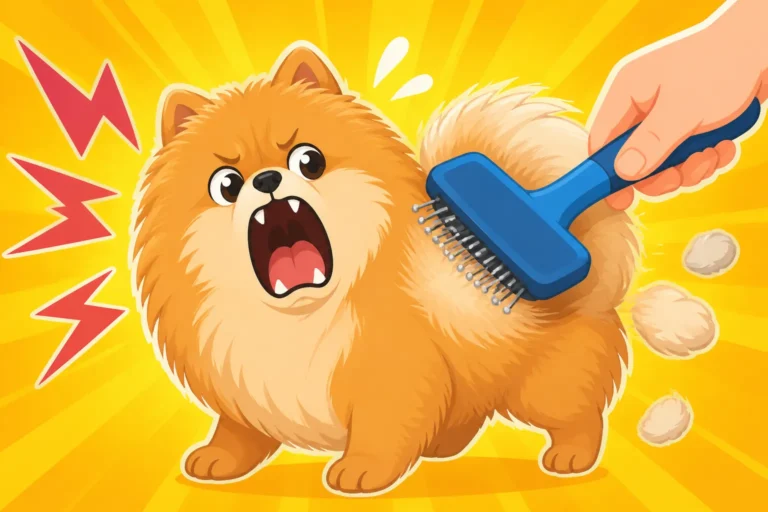
Because of their delicate size and alert temperament, Pomeranians can easily develop fear-based reactions to children. Imagine being constantly approached by a giant, unpredictable creature whose movements are erratic and whose noises are loud. It would be terrifying! For a Pomeranian, a small child can feel exactly like that. This fear can manifest in several ways: hiding, growling, snapping, or even nipping.
A Pomeranian might choose to retreat and hide under furniture A Pomeranian That Hides From Children when children are active, seeking solace in a quiet corner. While this might seem like a good solution, it means the dog isn't comfortable in its own home. More concerning is when fear escalates to defensive aggression. A Pomeranian might feel cornered or threatened and react with a growl or a quick snap to communicate "back off." This isn't a sign of a "bad" dog, but a dog that is terrified and trying to protect itself. It’s crucial to recognize these signs and address the underlying fear, rather than just punishing the reaction.
Preparing Your Pomeranian for a New Baby or Young Child
If you're expecting a baby or planning to introduce a young child to your Pomeranian's home, preparation is absolutely key. Waiting until the last minute will only add stress to both your dog and your family. Proactive steps can make the transition much smoother and build a foundation for a positive relationship.
Gradual Introduction to Sights, Sounds, and Smells
Before the baby or child even sets foot in your home, start slowly introducing your Pomeranian to the associated sights, sounds, and smells. Set up the crib, stroller, and changing table early. Let your Pom sniff the new furniture and explore them while supervised. Don't let them chew on baby items, but allow them to get used to their presence.
Play recordings of baby sounds: crying, cooing, giggling. Start at a low volume and gradually increase it over weeks, ensuring your Pomeranian remains calm and relaxed. Pair these sounds with positive experiences, like treats or praise. If a new child is coming to visit, get a blanket or a piece of clothing that smells like them in advance and let your Pom investigate it. This helps normalize these new sensory inputs, so they aren't a sudden, overwhelming shock when the child arrives. Your goal is to make these new elements seem ordinary and non-threatening.
Adjusting Routines Before the Child Arrives
A new baby or child will inevitably disrupt your household's routine, and your Pomeranian will feel the shift. To minimize anxiety, start making gradual changes to your dog's schedule before the new arrival. For example, if you know you won't have time for long morning walks, slowly shorten them or shift the timing. If your Pomeranian is used to constant lap time, begin encouraging them to spend some time in their bed or crate while you're still in the room.
This isn't about neglecting your dog, but about slowly easing them into a new normal. If you plan to use a playpen or baby gate, introduce it now. Let your Pom get used to spending time behind it, with you nearby, offering treats and praise. The goal is for your dog to associate these changes with positive experiences, rather than feeling like their world is being turned upside down the moment the baby arrives. This pre-emptive adjustment helps build a sense of predictability amidst the upcoming chaos.
Reinforcing Positive Associations
Every interaction your Pomeranian has with the new baby or child should be associated with something positive. When the baby is being fed or rocked, give your Pom a special long-lasting chew toy or a favorite treat. If the child is playing quietly on the floor, toss your dog a small piece of kibble or offer gentle praise. The idea is to create a mental link: "child present = good things happen."
Never force interactions. If your Pomeranian retreats, let them. Their safe space should always be respected. During initial introductions, keep them brief and positive. Hold your baby and let your Pom approach on their own terms, offering a sniff if they seem comfortable, followed by a treat. For older children, ensure they understand to be gentle and calm, and always reward your Pom for calm behavior in their presence. Consistency in positive reinforcement is crucial for building a secure and happy relationship.
Teaching Children How to Interact Safely with a Pomeranian
The responsibility for safety lies with the adults in the room. Children, especially very young ones, do not inherently understand how to interact with dogs. They need explicit teaching, constant supervision, and consistent boundaries to ensure both the dog's safety and their own.
The "Be a Tree" and "Gentle Hands" Rules
These are two foundational rules that every child living with a Pomeranian should learn. "Be a Tree" teaches children what to do if a dog gets too excited, jumps, or approaches them in a way they don't like. They should stand still like a tree, facing away, with their hands tucked into their pockets or across their chest, remaining quiet until the dog loses interest or an adult intervenes. This prevents the child from running or screaming, which can further excite or frighten the dog.
"Gentle Hands" is about teaching appropriate touch. Show your child how to pet the Pomeranian gently on the back or side, avoiding the face, tail, or ears. Use soft, slow movements. Emphasize that pulling fur, poking, or trying to pick up the dog is not allowed. Practice with a stuffed animal first. Always supervise these interactions, physically guiding your child's hand if necessary, and immediately praising them for gentle behavior. This not only protects your Pom but also teaches your child empathy and respect for animals. It's an ongoing lesson, not a one-time talk. Teaching a Child to Hold a Pomeranian requires very specific techniques to avoid injury to either party.
Supervised Play and Observation
All interactions between a small child and a Pomeranian must be actively and completely supervised by an adult. This means you are fully present, watching every movement, and ready to intervene at a moment's notice. Do not rely on "I'll just listen from the other room." Accidents happen in seconds. This isn't just about preventing harm; it's about teaching. Use these supervised sessions to coach both your child and your dog.
Observe your Pomeranian's body language closely. Are their ears back? Is their tail tucked? Are they lip licking or yawning? These are all subtle signs of stress or discomfort. If you see them, it's time to end the interaction, even if your child is being gentle. Likewise, observe your child. Are they getting overly excited? Are their movements becoming too erratic? Step in before either party gets overwhelmed. Supervised play can include gentle rolling of a soft toy, but avoid games that encourage chasing or roughhousing, which can easily escalate beyond the Pom's comfort level.
Respecting Boundaries: No Chasing, No Teasing
It's paramount that children learn to respect the Pomeranian's boundaries. This includes explicit rules like "no chasing the dog," "no pulling the tail," and "no trying to take toys away." For a small, often anxious dog, being chased can be terrifying and lead to defensive nips. Teasing with food or toys can lead to resource guarding issues.
Teach your child that when the Pomeranian walks away or goes into its crate/bed, that means "leave me alone." That space is sacred. Emphasize that the dog is a living creature with feelings, not a toy. Creating and enforcing these boundaries consistently from a young age is crucial for building trust between your child and your Pomeranian. Without clear rules, children will inadvertently stress and potentially injure your dog, and your dog may eventually react negatively.
Creating Safe Spaces and Supervision Strategies
Even with the best intentions and training, a Pomeranian and small children cannot be left alone together, ever. Implementing physical barriers and robust supervision strategies is not optional; it's a fundamental requirement for the safety and well-being of both your dog and your children.
Designating Dog-Only Zones
Your Pomeranian needs a sanctuary, a place where they can retreat and be guaranteed peace and quiet, free from curious hands or unexpected disturbances. This should be a clearly defined "dog-only zone" that children are never allowed to enter, even if the dog isn't there. This could be a crate in a quiet room, a section of the living room gated off, or a specific dog bed in a corner.
Use baby gates – you can find a wide variety on Amazon – to block off entire rooms or sections of rooms. This allows your Pomeranian to be near the family but physically separate and safe. Their food and water bowls, and favorite bed, should always be in this designated safe space. This prevents children from accidentally getting into their food or bothering them while they're eating or resting. This zone acts as a decompression chamber for your Pom, crucial for their mental well-being in a busy household.
Using Crates and Playpens Effectively
Crates and playpens are not prisons; they are invaluable tools for safety and training when used correctly. A crate, when introduced positively, becomes a secure den for your Pomeranian. It's a place where they can sleep, relax, and feel safe, especially when the household is bustling. During times when children are particularly active or when you cannot provide direct, active supervision (like if you need to cook dinner or take a phone call), your Pomeranian should be in their crate or a securely gated playpen.
Always make the crate a positive place by associating it with treats, favorite toys Puzzle Toys Small Enough for a Pomeranian, or a comfy bed. Never use it for punishment. For puppies, crate work is essential, and understanding Crate Work With a Pomeranian Puppy That Cries can make the process smoother. Playpens offer a bit more space than a crate and are excellent for giving your Pom room to stretch out while still being contained. Place the playpen in a communal area so your dog doesn't feel isolated, but ensure it's a calm spot where children are taught to observe from a distance, respecting the physical barrier.
Constant, Active Adult Supervision
I can't stress this enough: there is no substitute for constant, active adult supervision. This means you are physically present and engaged when your Pomeranian and small children are in the same space. "Active" means you are watching, anticipating, and ready to intervene, not just scrolling on your phone or doing chores in the same room.
Think of it like being a lifeguard. You wouldn't let a toddler swim unsupervised, and the same applies here. If you need to leave the room for even a moment, separate them. Put the Pomeranian in its crate or behind a gate, or take the child with you. This vigilance is not just for preventing immediate accidents but also for teaching and reinforcing good habits in both child and dog. Over time, as children grow and learn, and your Pomeranian becomes more confident, the level of direct intervention might lessen, but the principle of never leaving them completely alone remains for the dog's lifetime. Why a Pomeranian Should Not Be Left on a Couch is another example of how their small size requires extra vigilance.
Managing Common Challenges: Nipping, Resource Guarding, and Fear
Even with the best preparation and supervision, challenges can arise. Pomeranians, like all dogs, will communicate their discomfort, and sometimes that communication can be concerning. Understanding why these behaviors occur is the first step in effectively managing them.
Addressing Nipping and Mouthing
A Pomeranian might nip or mouth for various reasons, especially around children. It could be playful puppy behavior (though less common with young kids), a sign of overstimulation, or, most frequently, a defensive reaction born from fear or feeling trapped. Puppy nipping typically stops around The Month a Pomeranian Puppy Stops Nipping, but fear-based nipping can persist or emerge later. If your Pomeranian nips a child, it's a serious warning sign that needs immediate attention, but also understanding.
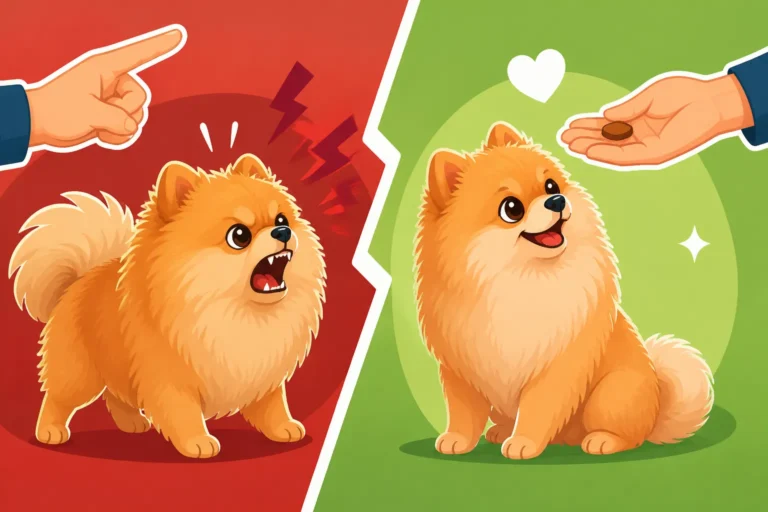
First, separate the dog and child immediately and safely. Then, evaluate the situation: What triggered the nip? Was the child too close, too loud, or trying to grab the dog? Was the dog startled from sleep or cornered? Address the trigger first. For the dog, reinforce bite inhibition training, teaching them that human skin is very delicate. If the nip was fear-based, focus on building the dog's confidence around children through positive reinforcement and ensuring they have a safe escape route. Never punish fear-based nips harshly, as this can make the dog more fearful and potentially lead to bites without warning.
Identifying and Preventing Resource Guarding
Resource guarding is when a dog protects its possessions (food, toys, sleeping spots, or even their human) from others. This can become a significant issue in a home with children, who might innocently approach a dog's food bowl or try to take a toy. A Pomeranian might growl or snap to guard its favorite chew, its bed, or even your lap.
To prevent resource guarding, establish clear boundaries. Your Pomeranian's food and high-value chew toys should always be given in their safe space, away from children. Teach children never to approach a dog while it's eating or chewing. For toys, use a "trade" game: offer a higher-value treat in exchange for a toy, teaching your dog that letting go of an item brings something better. If your Pomeranian guards your lap, teach them a "go to mat" or "off" command, rewarding them for choosing their bed instead. This way, they learn that being off the lap can also be rewarding, rather than feeling like they are being forced away from a valuable resource. It's about proactive management and positive reinforcement, not confrontation.
Helping a Fearful Pomeranian Cope
If your Pomeranian is showing signs of fear around children—hiding, trembling, flattened ears, excessive licking, or avoiding eye contact—it's crucial to address this promptly. A fearful dog is a stressed dog, and stress can lead to health problems and defensive aggression. The goal is to build their confidence and change their emotional response to children from fear to neutrality or even positive anticipation.
Increase the distance between your Pomeranian and the child, so the dog feels safe and relaxed. From this safe distance, start associating the child's presence with high-value treats or favorite games. For example, when the child walks by quietly, drop a treat for your Pom. If the child is playing on the other side of a baby gate, give your Pom a puzzle toy. Online training programs, such as those offered by BAXTER & Bella, often have modules on building confidence and desensitization that can be incredibly helpful for fearful dogs. Avoid forcing interactions or comforting your dog excessively when they are fearful, as this can inadvertently reinforce the fear. Instead, focus on creating positive, low-stress experiences.
Training for Harmony: Essential Commands and Socialization
A well-trained Pomeranian is a safer, happier Pomeranian, especially in a bustling household with children. Basic obedience commands provide a language for communication and a framework for managing behavior, while ongoing socialization helps them navigate their world with confidence.
Essential Obedience Commands for Safety
Focus on a few key commands that are critical for safety and management around children:
- "Sit" and "Stay": These commands are fundamental for impulse control. You can use them to keep your Pomeranian settled when a child enters the room or to prevent them from rushing towards the child. Reward heavily for holding the "stay," even for short periods.
- "Come" (Recall): A reliable recall is perhaps the most important command. If your Pomeranian is in a situation that makes you nervous with a child, a strong "come" can bring them to safety immediately. Practice this frequently in various environments.
- "Leave It": This command teaches your Pomeranian to ignore something potentially dangerous or something a child has dropped. It's invaluable for preventing them from getting into inappropriate items.
- "Go to Mat/Bed": This teaches your Pomeranian to go to their designated safe spot and settle there. It’s perfect for giving them a break when children are active, or when you need them out of the way for a moment.
- "Gentle": While not a traditional command, teaching your Pomeranian to take treats gently is important. If children are involved in giving treats, this prevents accidental nips.
Consistent, positive reinforcement is key to making these commands reliable. Keep training sessions short, fun, and use high-value rewards to keep your Pomeranian engaged. Many excellent training resources are available online, including comprehensive programs like those from BAXTER & Bella, which offer step-by-step guidance for building a solid foundation of obedience.
Continued Positive Socialization
Socialization isn't just for puppies; it's an ongoing process that helps your Pomeranian remain comfortable and adaptable throughout their life. This is particularly important for dogs living with children. While dog parks are generally unsafe for Pomeranians due to their size, controlled, positive interactions are still vital.
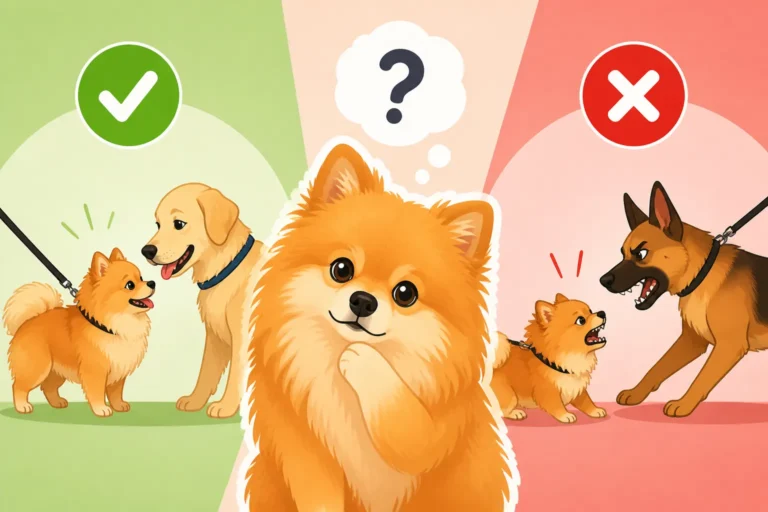
Expose your Pomeranian to various sights, sounds, and smells regularly, including those associated with children (from a safe distance). If you have friends with well-behaved, dog-savvy children, arrange for supervised, structured visits where your Pom can have positive, calm interactions. Consider enrolling in a small dog-only obedience class or Whether a Pomeranian Is Safe at Daycare that specifically caters to smaller breeds and focuses on calm manners. The goal is to build a positive association with a wide range of experiences, reducing the likelihood of fear-based reactions. Remember, positive exposure means experiences that leave your dog feeling good, not overwhelmed or scared.
Enrichment to Prevent Boredom
A bored Pomeranian is often a mischievous, and sometimes anxious, Pomeranian. Mental and physical enrichment is crucial for their well-being and can significantly reduce stress and behavioral issues in a busy home. Even though they are small, Pomeranians are intelligent and energetic.
Provide plenty of appropriate toys and chew items. Interactive Puzzle Toys Small Enough for a Pomeranian that dispense treats can keep their minds engaged. Daily short walks, consistent play sessions, and training time all contribute to their overall happiness. If your Pomeranian has enough appropriate outlets for their energy and intelligence, they are less likely to develop undesirable behaviors driven by boredom or frustration. This also gives them positive things to do when children are around, rather than focusing on the children themselves. Regular mental stimulation can help build a calmer, more resilient dog.
When to Seek Professional Help
There are times when despite your best efforts, the challenges between your Pomeranian and small children feel overwhelming. This is not a failure on your part; it's simply a signal that you need additional, professional support. Don't hesitate to reach out.
Recognizing Red Flags in Behavior
It's important to know when a situation warrants professional intervention. Here are some red flags that indicate you should seek help from a qualified professional:
- Consistent growling, snapping, or biting: Any instance of aggression, even if it doesn't break the skin, is a serious warning that the dog is extremely uncomfortable or fearful and needs help.
- Persistent hiding or extreme fear: If your Pomeranian spends most of its time hiding, trembling, or actively avoiding children to the point of distress, their quality of life is suffering.
- Intense resource guarding: If your Pomeranian is aggressively guarding food, toys, sleeping spots, or family members against children, this can be dangerous.
- Sudden changes in temperament: Any unexplained shift in your Pomeranian's behavior, especially becoming more irritable or anxious around children.
- Your own stress levels: If you are constantly anxious about interactions, or find yourself unable to manage the situation safely, it's time for help.
Ignoring these signs will not make them go away; often, they will escalate.
The Value of Certified Professional Dog Trainers
For many behavioral challenges, a certified professional dog trainer (CPDT-KA or KPA-CTP) can be an invaluable resource. They can observe your specific family dynamics, assess your Pomeranian's body language, and develop a tailored training plan. They use positive reinforcement methods to teach appropriate behaviors to your dog and provide you with the tools and techniques to manage interactions safely.
A good trainer will focus on building confidence in your Pomeranian, teaching your children how to interact respectfully, and helping you implement management strategies like Building a Pomeranian's Independence and setting up effective safe zones. They can guide you through desensitization and counter-conditioning protocols to change your dog's emotional response to children. Look for trainers who specialize in small breeds or fear-based behaviors, as they will have specific expertise relevant to your Pomeranian's needs.
Behavioral Consultations: What to Expect
If the behaviors are severe (e.g., bites that break skin, extreme aggression, or profound anxiety), or if a regular trainer feels the case is beyond their scope, a veterinary behaviorist (DACVB) is the next step. These are veterinarians with specialized training in animal behavior, who can diagnose underlying medical conditions that might contribute to behavior issues and prescribe medication if necessary, in conjunction with a behavior modification plan.
During a consultation, they will take a detailed history of your Pomeranian's behavior, health, and your household dynamics. They will often observe your dog in your home environment. They'll then work with you to create a comprehensive plan that may include environmental modifications, training exercises, and sometimes medication to help manage anxiety or reactivity. This is often a longer-term process, but it offers the most comprehensive approach to complex behavioral problems, ultimately aiming for a safer and more harmonious home for everyone. Don't feel guilty about seeking this level of help; it's an act of responsibility and love for your entire family.
Comparative Overview: Child-Pomeranian Interactions
To help visualize safe practices, here's a table contrasting appropriate and inappropriate interactions between children and Pomeranians. This isn't exhaustive, but it highlights common scenarios and how to approach them.
| Scenario | Inappropriate Interaction | Appropriate Interaction | Why |
|---|---|---|---|
| Pomeranian Sleeping | Child approaches and wakes the dog to pet or play. | Child (or adult) ensures the dog is awake and alert, then approaches calmly and offers a gentle pet on the back. | Startling a sleeping dog can elicit a defensive snap, especially from a small dog like a Pomeranian who feels vulnerable. Respecting their rest builds trust. |
| Greeting the Dog | Child runs up, hugs, or picks up the Pomeranian suddenly. | Child asks an adult for permission, then kneels down or sits quietly, allowing the Pomeranian to approach on its own terms, offering a gentle pet if the dog seems receptive. | Sudden movements and attempts to pick up can be frightening and even painful for a small dog. This fosters fear and can lead to defensive reactions. Letting the dog choose interaction builds confidence. Teaching a Pomeranian to Be Picked Up Properly is vital. |
| Playing with Toys | Child tries to take a toy from the Pomeranian or teases it. | Child offers a different, desirable toy as a trade for the one the Pomeranian has, or plays fetch/gentle tug with appropriate toys under supervision. | Resource guarding can develop if a dog feels its possessions are threatened. Teaching "trade" is a positive way to manage this and prevents conflict. |
| Dog in its Crate | Child reaches into the crate to pet or bother the dog. | Child is taught that the crate is the dog's private space and never to be disturbed. | The crate should be a safe sanctuary for the Pomeranian. Invading this space breaks trust and can cause the dog to feel trapped and defensive. |
| Dog Eating | Child approaches the food bowl, or tries to feed the dog from their hand. | Child is kept at a distance during meal times. The dog eats in its designated safe zone, undisturbed. | Food guarding is common. Any perceived threat to their meal can provoke a snap or bite. Ensuring peace during meal times is crucial for safety. |
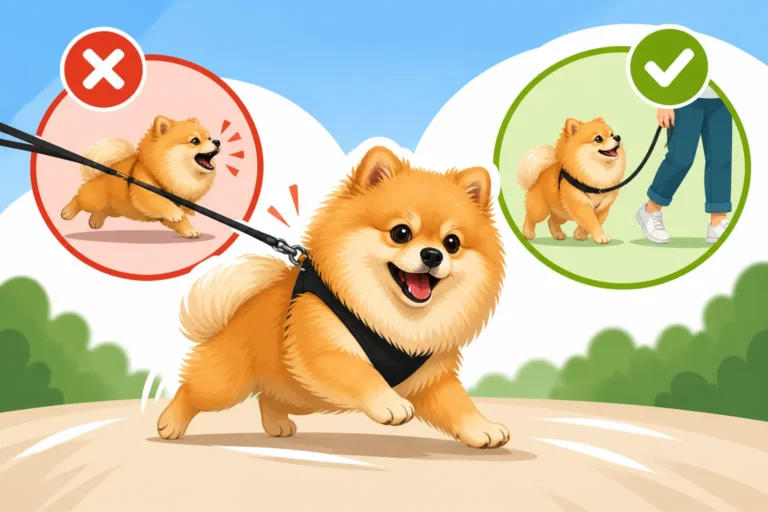
| Walking Together | Child leads the Pomeranian on a leash. | An adult holds the leash and is responsible for the dog's safety and control, while the child walks alongside. | Children lack the strength and awareness to safely control a small dog on a leash, especially one with a delicate windpipe. This prevents injury to the dog and runaway situations. |
Disclaimer
This article is for general informational purposes only and does not constitute professional advice. Laws, prices and regulations vary by location and change over time. Consult a qualified professional for guidance on your specific situation.