A Pomeranian That Screams During Brushing
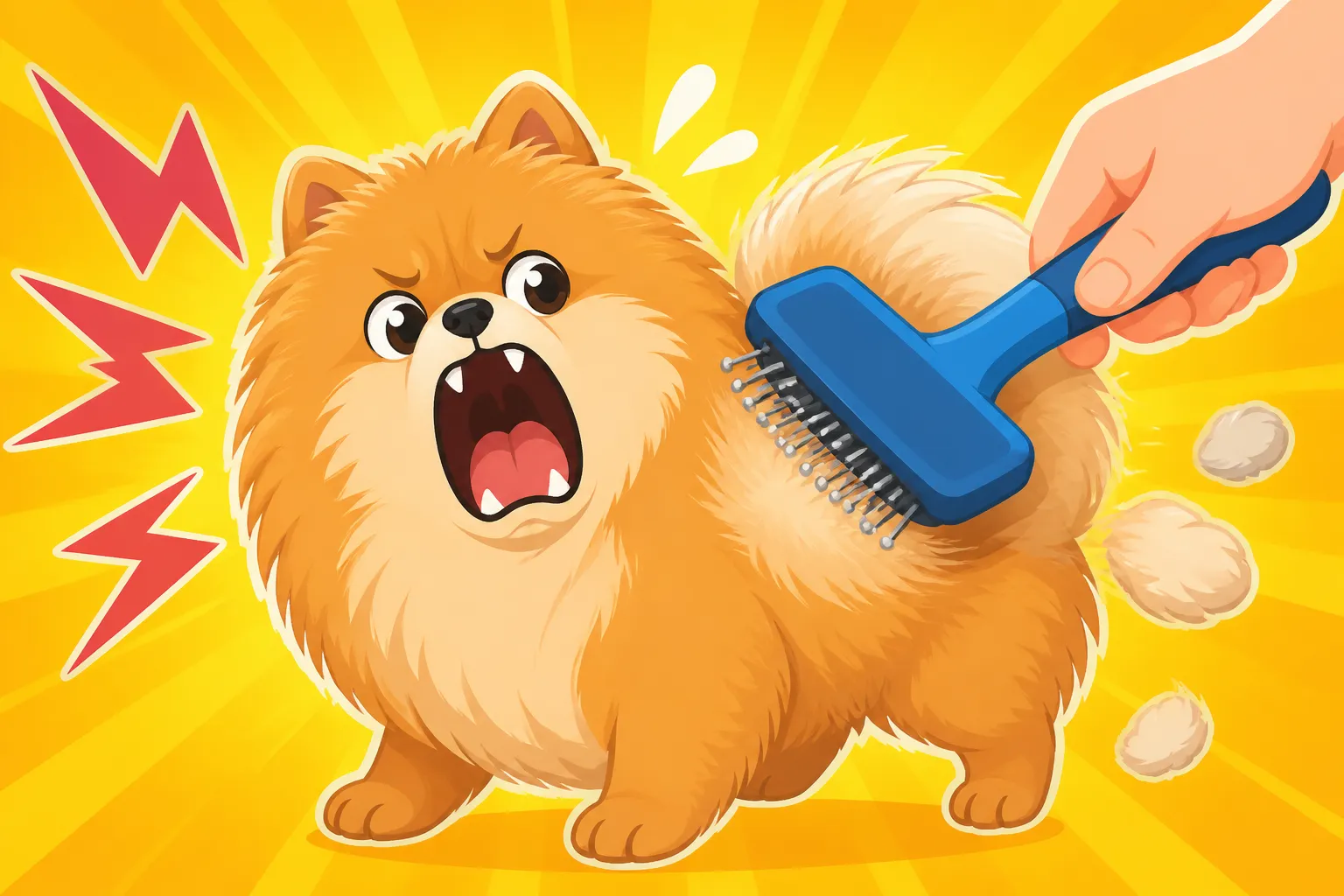
Oh, the sheer terror of hearing that high-pitched shriek when you just try to run a brush through your beloved Pomeranian's fluffy coat! It's a common, incredibly frustrating, and heartbreaking scenario that leaves many Pom parents feeling defeated and anxious about basic grooming. You're not alone if you've found yourself wrestling a tiny, screaming ball of fluff, wondering if you're doing something terribly wrong. This comprehensive guide is here to walk you through understanding why your Pomeranian might be turning into a vocal protestor during brushing, and more importantly, how you can transform those stressful sessions into calm, even enjoyable, bonding time for both of you.
Understanding Why Your Pomeranian Screams During Brushing
When your sweet little Pomeranian suddenly turns into a banshee at the sight of a brush, it's natural to feel bewildered. Why are they reacting this way? Is it simply naughtiness, or is something deeper going on? For these sensitive, intelligent little dogs, screaming is rarely just "being difficult." It's almost always a powerful communication tool, telling you something important about their physical or emotional state.
Pain and Discomfort: The Primary Culprit
Let's be brutally honest: nobody likes having their hair pulled, especially when it's matted. Your Pomeranian is no different. Their glorious double coat, while beautiful, is a magnet for tangles and mats if not regularly maintained. When you try to brush through these, it's not just a little tug; it's a sharp, persistent pull on their delicate skin, which can be incredibly painful. Imagine someone trying to comb out a massive knot in your own hair, except your entire body is covered in it and your skin is far more sensitive. That's what it feels like to a Pomeranian with mats.
Sometimes, the pain isn't just from mats. They might have a hidden hot spot, a skin irritation, an unnoticed scratch, or even an underlying medical condition that makes their skin extra sensitive. Arthritis, even in young dogs, can make certain positions uncomfortable. It's crucial not to dismiss their screams as mere theatrics, but to investigate if there's a genuine source of discomfort. Remember, their protest is often a desperate plea for you to stop the pain. This is why a thorough examination of their coat and skin before brushing is so important. Run your hands over their body, feeling for lumps, bumps, or tender spots. Any hesitation or flinching could be a clue.
Fear and Negative Associations
Pomeranians are highly intelligent and remember experiences, good and bad. If brushing has consistently been a painful or scary experience in the past, they quickly develop a strong negative association with the brush, the grooming table, or even your approaching hand. It's a classic case of classical conditioning: brush appears, pain follows, so fear develops. This fear can manifest as screaming, biting, struggling, or trying desperately to escape. They're not being stubborn; they're trying to protect themselves from what they perceive as a threat.
Think about it from their perspective: a giant hand grabs them, holds them still, and then something pokey and scratchy starts dragging across their skin, causing discomfort. It doesn't take many repetitions for them to connect the dots. The sound of the brush bristles, the restraint, the strange smell of a detangling spray – all these cues can trigger their ingrained fear response. This is especially true if previous brushing sessions involved forcing them or holding them down, which can be traumatizing for a small dog. This fear isn't something they can just "get over"; it needs to be systematically re-trained with positive experiences.
Lack of Early Socialization and Training
Many Pomeranian puppies are just little fluff balls when they come home, and we might not think about brushing much until their adult coat starts to come in. But this early period is critical for setting up positive grooming habits. If a puppy isn't introduced to brushing as a pleasant, reward-filled activity from a very young age, they miss out on crucial socialization. They don't learn that being handled and brushed is a normal, safe part of life.
Without early, positive conditioning, they might never learn to tolerate it. For some clever Poms, screaming also becomes a learned behavior because it works! If every time they shriek, you stop brushing, even for a moment, they learn that screaming is an effective way to control the situation and make the scary thing go away. This inadvertently reinforces the very behavior you want to stop. It's a tricky cycle to break, but it starts with understanding that you might have accidentally taught them that screaming is successful. Early and consistent positive exposure, even just a few seconds a day, can make all the difference in preventing this issue. It's truly an investment in their future comfort and your sanity.
Essential Tools and Techniques for a Calmer Brushing Session
Facing a Pomeranian who screams during brushing means you need to re-evaluate your approach, starting with your toolkit and methodology. You wouldn't use a garden rake to comb fine human hair, and similarly, the wrong brush can quickly turn a grooming session into a battle for a Pom.
Choosing the Right Brushes and Products
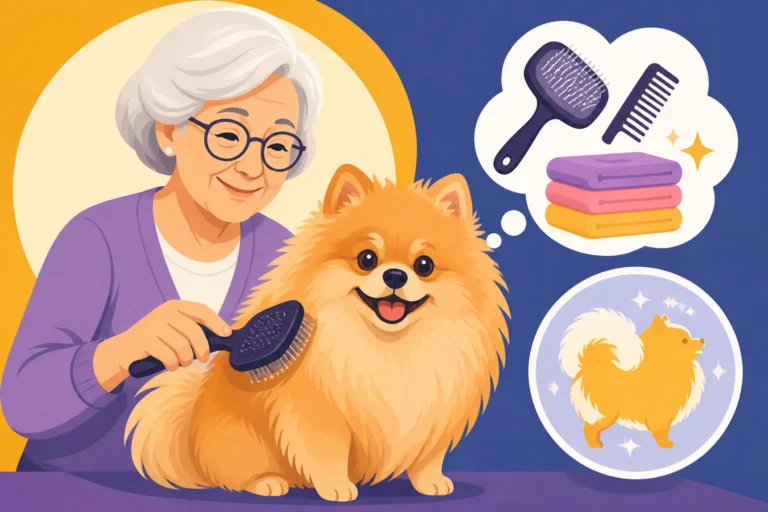
Having the right tools is paramount when grooming a Pomeranian. Their unique double coat demands specific brushes to do the job effectively and painlessly.
- Slicker Brush: This is your primary weapon against tangles and loose undercoat. Look for one with fine, bent wire pins that are gentle enough not to scratch the skin. I like to get a few different sizes, a smaller one for delicate areas like behind the ears or under the legs, and a larger one for the main body.
- Pin Brush: Excellent for finishing, fluffing the coat, and general daily maintenance once the mats are out. It has widely spaced metal pins, often with little protective tips. This brush isn't for working out tangles, but for maintaining that beautiful stand-off coat.
- Metal Comb: A good quality, fine-toothed metal comb is essential for checking your work and for getting right down to the skin, especially in tricky areas. After using the slicker brush, always follow up with a comb to ensure you haven't missed any hidden mats. The comb won't lie!
- Detangling Spray: A high-quality detangling spray is a non-negotiable. Never brush a dry, matted coat. A good spray lubricates the hair, making it easier for the brush to glide through and reducing breakage and static. You can find excellent options on platforms like Amazon, but always choose one formulated for dogs. For more on this, check out Detangler Sprays for a Pomeranian.
- High-Value Treats: These are not just "nice to have"; they are critical for positive reinforcement. Think small, soft, incredibly delicious treats your Pom goes absolutely crazy for – cooked chicken bits, small pieces of cheese, or specialized training treats. These will be your currency for good behavior.
The combination of the right tools means less pulling, less pain, and ultimately, a much happier Pomeranian during grooming. Don't cheap out on these; they're an investment in your dog's comfort and your peace of mind. For a deeper dive into brush selection, you might find The Slicker and Pin Brush a Pomeranian Needs helpful.
The "Positive Reinforcement Sandwich" Method
This technique is all about making every interaction with the brush a positive one, even if it's just for a split second. The idea is to "sandwich" a tiny bit of the unwanted activity (brushing) between highly desirable things (treats and praise).
Here’s how it works:
- Positive Start: Begin with something your Pomeranian loves. Give them a super high-value treat, lots of enthusiastic praise, or a quick belly rub. The goal is to make them happy and relaxed before the brush even touches them.
- Tiny Touch of Brushing: Gently, and I mean gently, touch the brush to their coat for literally one or two strokes in an area you know isn't matted or sensitive (often a shoulder or flank). The key is to do less than they can tolerate, not more.
- Positive Finish: Immediately after those one or two strokes, stop. Give them another high-value treat, more praise, and maybe another quick game or cuddle.
- Repeat, Gradually Increasing Duration: Do this repeatedly throughout the day, in very short sessions. Don't try to brush their whole body at once. The entire process might only take 30 seconds. Over days and weeks, you can slowly increase the number of strokes or the area you cover. The moment you see any sign of discomfort or tension, stop immediately.
The objective is to change their emotional response from "brush means pain" to "brush means treats and good things!" It takes patience and consistency, but it's incredibly effective. Remember, for a small breed like a Pomeranian, keeping Training Session Length for a Pomeranian extremely short is key to maintaining their focus and preventing overstimulation.
Step-by-Step Desensitization and Counter-Conditioning
Breaking down the fear and negative association your Pomeranian has with brushing requires a systematic approach. We're not just trying to get them to tolerate brushing; we're aiming to change their emotional response to it entirely, so they actually enjoy it, or at least accept it calmly. This process is called desensitization and counter-conditioning.
Reintroducing the Brush as a Positive Object
Before you even think about brushing their coat, you need to change your Pomeranian's perception of the brush itself. Right now, it's probably seen as an instrument of torture. We need to turn it into a source of good things.
- Passive Presence: Start by simply having the brush present in their environment, but not using it. Place it on the floor a few feet away during meal times or when you're giving them treats. Don't touch them with it. The goal is for them to see it without a negative consequence.
- Associate with Rewards: Next, whenever your Pomeranian looks at the brush, moves towards it, or shows any curiosity, immediately toss them a high-value treat. They start to connect the brush with yummy rewards. You can do this by sitting on the floor with the brush near you, giving treats every few seconds.
- Gentle Touch and Treat: Once they seem comfortable with the brush being near, very lightly touch the back of the brush (the non-bristly part) to their body, just for a second. Immediately follow with a treat and praise. Do this repeatedly, touching different non-sensitive areas like their shoulder or flank. Don't try to brush. Just touch.
- Bristle Introduction: When they are calm with the back of the brush, very gently and briefly touch the bristles to an unthreatening part of their body, like their shoulder, again for just a second. Immediately treat and praise. This is not brushing; it's simply introducing the sensation.
The key here is tiny steps and constant positive reinforcement. If at any point your Pomeranian shows signs of stress (tensing up, trying to move away, or a little whimper), you've gone too fast. Go back a step and try again with even lighter touches or shorter durations. This process can take days or even weeks, but laying this foundation is crucial.
Gradual Brushing, One Tiny Section at a Time
Once your Pomeranian is relaxed with the brush touching them, you can slowly introduce actual brushing. This is where the "working in sections" technique becomes invaluable for a double-coated breed like a Pomeranian. You cannot just run a brush over the top of their coat; you need to get right down to the skin.
- Choose Your Spot: Pick one small, easy-to-reach, and less sensitive area – often a shoulder or the side of their chest. Avoid areas that tend to mat quickly, like behind the ears or the armpits, initially.
- Part the Coat: Use your free hand to part their coat, revealing the skin underneath. This is how you ensure you're brushing from the base of the hair, not just skimming the surface. For detailed guidance, see Working a Pomeranian's Coat in Sections to the Skin.
- One or Two Strokes, Then Reward: Take your slicker brush and, with a very light touch, make one or two gentle strokes on that parted section, going with the direction of hair growth. Immediately lift the brush, give a treat, and praise enthusiastically.
- Repeat and Move On: Do this a few times on the same spot until they are consistently calm, then move to an adjacent tiny section. Don't try to cover their whole body in one go. Maybe you only brush two or three small sections during your first "real" brushing session.
- Build Duration Slowly: Over time, and many sessions, you can gradually increase the number of strokes you do in each section before rewarding, and the number of sections you cover. Always end on a positive note, before your Pomeranian gets agitated.
If you encounter any mats, apply a generous amount of detangling spray. Hold the hair at the base near the skin to prevent pulling, and gently work the brush at the very ends of the mat first, slowly working your way up. Never yank! Patience is everything here. For help with persistent tangles, Building a Pomeranian's Tolerance for Combing Mats offers more tips.
Managing Scream Episodes and Avoiding Punishment
What happens if, despite your best efforts, your Pomeranian still screams? The most important thing is not to punish them. Punishment, whether it's scolding, yelling, or physical correction, will only heighten their fear and worsen their association with brushing. It will make them more distrustful of you during grooming.
Instead, if a scream happens:
- Pause and Reset: Immediately stop brushing. Don't engage in a power struggle. Just pause. Wait for a second or two for them to quiet down.
- Re-evaluate: Did you go too fast? Was it a painful spot? Are they just overstimulated? Try to identify the trigger.
- Lower the Stakes: If they settle, try again with an even lighter touch, fewer strokes, or move to an easier area. If they are still very agitated, end the session for now and try again later, starting from an even easier step (e.g., just touching the brush).
- Distraction: For some Poms, a tasty distraction can work wonders. A lick mat smeared with peanut butter (xylitol-free!), plain yogurt, or cream cheese, attached to a wall or held by you, can keep them occupied and happy while you do a few strokes. The licking action is naturally calming.
- Don't Reward the Scream: This is tricky. You want to stop the pain, but you don't want to teach them that screaming instantly ends the session. The goal is to pause after the scream, wait for a moment of quiet, then resume with a gentler approach, or end the session if they remain distressed. If you end it the second they scream, they learn screaming is the magic button. Instead, you decide when to end it, preferably on a neutral or positive note, even if it's just a tiny moment of calm.
Remember, this is a journey, not a race. Every calm interaction, no matter how brief, is a victory.
Long-Term Strategies for a Stress-Free Grooming Routine
Getting past the screaming phase is a huge accomplishment, but maintaining a calm and positive grooming routine requires ongoing commitment. It's about consistency, prevention, and knowing when to call in the cavalry.
Consistent Daily Brushing Habits
The single most effective long-term strategy is consistent daily brushing. If you can commit to even 5-10 minutes a day, you can prevent mats from forming, which eliminates the primary source of pain for most Pomeranians during grooming.
- Short and Sweet: Don't try to do a full, elaborate grooming session every day. Focus on quick check-ins, especially in mat-prone areas like behind the ears, armpits, and under the tail. How Many Times a Week a Pomeranian Is Brushed often says 2-3 times, but for Poms prone to mats or those with previous trauma, daily short sessions are far more beneficial.
- Routine Building: Integrate brushing into your daily routine. Maybe it's after their morning walk, or during your evening cuddle session. When it becomes a predictable part of their day, they are less likely to resist.
- Positive Always: Keep up with the positive reinforcement! Every brushing session, no matter how short, should end with praise and a treat. This reinforces the idea that grooming is a positive experience.
- Mat Prevention is Key: When you brush daily, you catch tiny tangles before they become dense, painful mats. This means less pulling, less pain, and less stress for everyone involved. It’s far easier to prevent a mat than to remove one.
Seeking Professional Guidance
Sometimes, despite your best efforts, the problem might be too ingrained, or the mats too severe, for you to handle safely at home. That's when it's time to consider professional help.
- Professional Groomer: A skilled professional groomer who specializes in double-coated breeds and understands Pomeranian temperament can be a godsend. They have specialized tools and techniques, and can often work through issues you can't. Importantly, they are neutral parties; your Pom may behave differently for them. Ensure you find a groomer who practices fear-free techniques and understands the importance of positive reinforcement. Be upfront about your Pom's history with brushing.
- Veterinarian for Severe Matting: In cases of severe, dense matting that is causing skin irritation or pain, your veterinarian might recommend sedation to safely shave the mats off. While not ideal, it's sometimes the kindest option to relieve immediate discomfort. It's important to discuss Anesthesia Risk in a Four Pound Pomeranian with your vet before any procedure involving sedation. This isn't a long-term solution, but a necessary reset to start fresh with a mat-free coat and a pain-free foundation for future grooming.
- Certified Professional Dog Trainer: If the screaming is primarily fear-based and resistant to your home efforts, a certified force-free dog trainer specializing in behavior modification can provide tailored strategies. They can help you refine your desensitization and counter-conditioning techniques and guide you through the process, often noticing subtle cues you might miss. Online resources like BAXTER & Bella offer comprehensive puppy training programs that cover grooming foundations, which can be invaluable for owners who want to start their Pom off right or re-establish good habits. They often break down complex behaviors into manageable steps, much like we're doing here.
Addressing Underlying Issues
Remember, a sudden aversion to brushing, or a long-standing one, can sometimes have underlying causes beyond just mats and fear.
- Veterinary Check-up: If your Pomeranian suddenly develops an extreme aversion to brushing, especially if it's accompanied by other changes in behavior or discomfort, a vet visit is paramount. They can rule out any hidden pain, skin infections, allergies, or other medical issues that might be making grooming unbearable. For instance, sometimes skin conditions can make even a light touch painful.
- Diet and Supplements: A healthy coat and skin are easier to brush. Ensure your Pomeranian is on a high-quality diet. Sometimes, supplements like fish oil or specific skin and coat support formulas can improve skin health and hair texture, making it less prone to matting and less painful to brush. For more details, look into Supplements That Support a Pomeranian's Skin.
- Environmental Factors: Consider if anything in their environment is contributing to mats, like rough bedding, constant rubbing against furniture, or even certain clothing if they wear it.
By taking a holistic approach, combining the right tools, patient training, and professional support when needed, you can absolutely turn around a Pomeranian who screams during brushing. It takes time, consistency, and a whole lot of empathy for your little fluff ball, but the reward is a happier, healthier companion and a much more peaceful home.
| Brush Type | Ideal Use for Pomeranians | Pros | Cons |
|---|---|---|---|
| Slicker Brush | Removing mats, tangles, and dead undercoat | Gets deep into the double coat; effective for shedding | Can scratch skin if used improperly; may pull hair if matted |
| Pin Brush | Daily surface brushing, fluffing the coat, general maintenance | Gentle for sensitive skin; good for spreading natural oils | Not effective for removing deep mats or large amounts of undercoat |
| Metal Comb | Checking for missed mats, detailing, face/feet | Essential for ensuring mat-free coat; precise for small areas | Can pull hair painfully if used on tangled areas; must be used slowly |
| Dematting Rake | Removing severe mats (use with extreme caution) | Specifically designed to break apart large, tight mats | Can cut skin if not careful; should be used sparingly and only on mats |
Disclaimer
This article is for general informational purposes only and does not constitute professional advice. Laws, prices and regulations vary by location and change over time. Consult a qualified professional for guidance on your specific situation.